Ingredient Guide · Woody Spicy
Woody Spicy Family · Perfumery Note

Suede

Soft, powdery, and musky — suede’s tactile warmth in scent.

In perfumery, suede is a heart note renowned for its plush, powdery, and musky-leathery character. It is typically constructed from synthetic molecules such as safranal and muscone, used at concentrations below 3% to impart a velvety, tactile nuance.

Suede
Ingredient Profile

Suede

Woody Spicy Family
Family Woody Spicy
Note Position Heart Note
Usage Level <3%
Key Origins France, Italy, United States
Iconic In White Suede, Ganymede
The Ingredient

What does Suede smell like and why is it significant in modern perfumery?

Suede in perfumery is a synthetic accord designed to replicate the tactile softness and subtle warmth of real suede leather. What does suede smell like? The suede scent profile is defined by a powdery, musky, and slightly creamy character, with gentle animalic undertones and a distinct lack of the harsher, smoky facets found in traditional leather notes. Key molecules such as safranal (CAS 116-26-7), muscone (CAS 541-91-3), and isobutyl quinoline (CAS 135-88-6) are commonly used to construct this note, providing a smooth, velvety texture with hints of floral, woody, and amber nuances. The result is a scent that feels plush, intimate, and subtly luxurious, distinct from the more robust and smoky profiles of birch tar-based leathers. In perfumery, suede is classified as a heart note, typically used at concentrations below 3%. Its molecular structure allows it to act as a bridge between floral, woody, and gourmand notes, enhancing the tactile impression of a fragrance without overwhelming the composition. Suede in perfumery interacts with skin chemistry by amplifying musky and powdery facets, often lingering with a soft, skin-like warmth that adapts to individual pH and moisture levels. This makes suede a versatile note for both masculine and feminine fragrances, providing a modern, understated elegance that complements a wide range of olfactory families. Notable fragrances that exemplify the use of suede include Tom Ford’s White Suede (2009, perfumer Harry Fremont), where suede is paired with musk, rose, and amber for a creamy, tactile effect, and Marc-Antoine Barrois Ganymede (2019, perfumer Quentin Bisch), which uses a suede accord alongside violet, immortelle, and mineral notes to create a futuristic, textural signature. These examples highlight suede’s ability to impart a refined, contemporary luxury to both classic and avant-garde compositions.

<3%
Typical usage level for suede accords in fine fragrance is below 3% of the total formula, ensuring a balanced, tactile effect without overpowering the composition.
4–6 Hours
Suede fragrances generally last 4–6 hours on skin, with musky and woody molecules providing moderate tenacity and a lingering, intimate sillage.
$50–200/kg
The cost of synthetic suede accords ranges from $50–200/kg, making them accessible for large-scale production compared to natural suede absolute ($3,000–6,000/kg).
Origin & Extraction

Where Suede Comes From — Origin & Extraction

The scent character of suede in perfumery is shaped by cultural traditions in France and Italy, where luxury leather goods and fine fragrance intersect. Soil, climate, and artisanal methods influence the interpretation of suede notes, with French styles emphasizing refinement and Italian styles favoring sensuality and tactile richness.

The suede note in perfumery does not derive from a direct botanical or animal source but is instead a synthetic accord constructed to evoke the tactile and olfactory qualities of real suede leather. Historically, the scent of leather in perfumery was achieved using natural materials such as birch tar, castoreum, and muscone from musk deer. However, due to ethical, regulatory, and sustainability concerns, modern suede accords are built almost exclusively from synthetic aroma chemicals. Key molecules used in suede accords include safranal (CAS 116-26-7), which imparts a warm, hay-like, slightly leathery aroma; muscone (CAS 541-91-3), contributing a soft, musky undertone; and isobutyl quinoline (CAS 135-88-6), providing a green, leathery nuance. These compounds are synthesized via petrochemical or biotechnological processes, offering consistency and safety. Suede absolute, when produced, is typically obtained through solvent extraction or supercritical CO₂ extraction of leather offcuts, but this is rare and costly, with prices ranging from $3,000–6,000/kg. In contrast, synthetic suede accords can be produced for $50–200/kg, making them far more accessible for large-scale perfumery. France and Italy are cultural centers for the suede note, reflecting their heritage in luxury leather goods and fine fragrance. French perfumers emphasize refinement and subtlety, while Italian houses often highlight sensuality and tactile richness. Sustainability considerations favor synthetic suede, as it avoids animal-derived materials and reduces environmental impact. The HumanSafe™ platform at CA Perfume ensures full transparency and traceability for all suede-related aroma chemicals used in formulations.

FR

France

French perfumery, especially in Grasse and Paris, is renowned for its luxury leather goods and refined suede interpretations. French suede accords are typically subtle, powdery, and elegant, reflecting the region’s tradition of glove-making and haute couture. France is a global leader in synthetic aroma chemical production, with a significant market share in fine fragrance.

IT

Italy

Italy’s Tuscany and Lombardy regions are famous for leather craftsmanship, influencing the sensual and tactile qualities of Italian suede accords. Italian perfumers often blend suede with gourmand or spicy notes, celebrating both tradition and modernity. Italy’s fragrance industry is a key innovator in synthetic suede molecules.

US

United States

The US, particularly New Jersey and New York, is home to major aroma chemical manufacturers and niche perfume houses. American suede accords tend to be bolder and more experimental, often paired with gourmand or woody notes. The US market emphasizes sustainability and transparency in synthetic ingredient sourcing.

Chemistry

Natural vs Synthetic Suede in Perfumery

Natural suede absolute, when available, is extracted from processed leather using solvent extraction or supercritical CO₂. However, its use is limited due to high cost, batch variability, and ethical concerns regarding animal origin. The resulting material is complex, with variable odor profiles depending on the source and processing method, and is rarely used in modern perfumery. Synthetic suede accords are constructed from molecules such as safranal (CAS 116-26-7), muscone (CAS 541-91-3), and isobutyl quinoline (CAS 135-88-6). Safranal provides the hay-leathery warmth, muscone adds a soft, skin-like muskiness, and isobutyl quinoline imparts a green-leathery sharpness. Synthetic suede offers superior batch-to-batch consistency, stability, and safety, with a cost advantage ($50–200/kg versus $3,000–6,000/kg for natural absolute). Synthetic suede also allows for precise control over the scent profile, enabling perfumers to tailor the accord for different fragrance families. Famous fragrances using synthetic suede include Tom Ford White Suede, Marc-Antoine Barrois Ganymede, and Jo Malone London Peony & Blush Suede. Sustainability and ethical sourcing are prioritized in synthetic production, reducing reliance on animal products. The HumanSafe™ platform at CA Perfume verifies all suede-related ingredients for safety, transparency, and environmental responsibility.

Natural
Suede Absolute
Cost $3,000–6,000/kg
Method Solvent / CO₂
Character Complex, variable
vs
Synthetic
Safranal & Analogues
Cost $50–200/kg
Method Lab synthesis
Character Consistent, stable
Hall of Fame

Famous Fragrances That Define Suede in Perfumery

2009
dominant note

White Suede

Tom Ford
by Harry Fremont
muskroseamber
2019
dominant note

Ganymede

Marc-Antoine Barrois
by Quentin Bisch
violetimmortellemineral notes
2013
bridge note

Peony & Blush Suede

Jo Malone London
by Christine Nagel
peonyred applemusk
2004
dominant note

Daim Blond

Serge Lutens
by Christopher Sheldrake
apricotirisspices
2005
supporting note

Cuir Béluga

Guerlain
by Olivier Polge
vanillaheliotropeamber

Suede has become a defining note in contemporary perfumery, especially in the niche and luxury segments. Its soft, powdery, and musky-leathery character provides a modern alternative to traditional leather notes, allowing for greater versatility and subtlety in fragrance design. Tom Ford’s White Suede (2009, perfumer Harry Fremont) is a landmark fragrance that showcases suede as a dominant note, paired with musk, rose, and amber to create a creamy, tactile effect. Marc-Antoine Barrois Ganymede (2019, perfumer Quentin Bisch) uses a futuristic suede accord alongside violet, immortelle, and mineral notes, resulting in a textural, mineral-leather signature. Jo Malone London Peony & Blush Suede (2013, perfumer Christine Nagel) features suede as a bridge note, linking fresh peony with red apple and soft musk for a delicate, modern floral composition. Serge Lutens Daim Blond (2004, perfumer Christopher Sheldrake) employs suede as a dominant note, blended with apricot, iris, and spices to evoke the tactile sensation of fine suede gloves. Guerlain Cuir Béluga (2005, perfumer Olivier Polge) highlights suede as a supporting note, paired with vanilla, heliotrope, and amber for a gourmand-leather effect. These fragrances illustrate the versatility of suede, functioning as a dominant, bridge, or supporting note in both masculine and feminine compositions. CA Perfume’s collection draws inspiration from this lineage, offering suede-based fragrances that explore both classic and contemporary interpretations.

The Accord

How is a captivating Suede accord crafted?

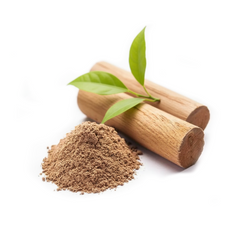
A suede accord is constructed by blending soft, powdery musks with warm amber, creamy vanilla, and woody sandalwood. Suede 20–25%, Amber 20–25%, Vanilla 15–20%, Sandalwood 25–30%. Each component is selected for its ability to mimic the tactile, velvety texture of real suede, with musks providing softness, amber adding warmth, vanilla imparting creaminess, and sandalwood contributing a woody, lingering base.

25%

Suede

20–25% of blend

Synthetic suede molecules (safranal, muscone) provide the core powdery, musky-leathery character, mimicking the tactile softness of real suede.

25%

Amber

20–25% of blend

Amber introduces warm, resinous facets, enhancing suede’s plushness via benzoin and labdanum derivatives that extend longevity and add golden depth.

20%

Vanilla

15–20% of blend

Vanillin and ethyl vanillin soften suede’s edges, providing a creamy, sweet undertone that rounds out the accord and increases its tactile appeal.

30%

Sandalwood

25–30% of blend

Sandalwood (santalol) delivers a smooth, woody base that anchors the suede accord, enhancing its longevity and adding a subtle, milky richness.

The Olfactory Layers

How Suede Evolves on Skin

Suede’s olfactory evolution unfolds gradually, with top notes evaporating within 15 minutes, revealing a plush, powdery heart anchored by musky and woody molecules. The base lingers for hours, dominated by slow-evaporating muscone and sandalwood derivatives, ensuring a tactile, skin-like finish.

I
Top notes
0–15 min
Airy Softness

The initial impression is soft and airy, with aldehydes and light floral molecules (e.g., ionones) providing a fresh, almost clean opening. High-volatility compounds evaporate quickly, giving way to the plush heart. The suede impression is subtle at this stage, often accompanied by hints of citrus or green notes.

airycleansubtle
II
Heart notes
20–60 min
Powdery Embrace

The heart reveals suede’s signature powdery, musky, and creamy-leathery character. Safranal and muscone dominate, supported by soft florals and woody undertones. The tactile, velvety sensation becomes prominent, blending seamlessly with amber and vanilla for a plush, enveloping effect.

powderymuskyvelvety
III
Base notes
Several hours
Warm Skin Finish

In the drydown, slow-evaporating molecules such as sandalwood (santalol), amber, and musks persist, anchoring the suede accord. The scent becomes warmer and more intimate, with a lingering, skin-like quality that remains close to the body. The musky, woody facets dominate, providing lasting comfort.

warmskin-likewoody
TOP NOTES Airy Softness 0–15 minutes HEART NOTES Powdery Embrace 20–60 minutes BASE NOTES Warm Skin Finish Several hours
Through the Ages

The Story of Suede in Perfumery

Suede’s history in perfumery reflects the evolution from artisanal leather craftsmanship to modern synthetic accords, mirroring shifts in cultural taste and technological innovation.

12th Century

Origins in Leather Craftsmanship

Suede emerges as a luxurious leather product in medieval Europe, particularly in France and Italy, where glove-making and leather tanning are refined arts. The tactile and olfactory qualities of suede inspire early scented gloves and accessories.

1882

Synthetic Leather Accords Debut

The introduction of isobutyl quinoline (IBQ) in perfumery enables the creation of synthetic leather and suede notes. IBQ becomes a cornerstone for constructing green-leathery and suede-like accords in classic fragrances.

1970s

Rise of Musky Suede Accords

Advances in synthetic musks and aldehydes allow perfumers to craft soft, powdery suede accords. The tactile, skin-like quality of suede becomes popular in both masculine and feminine fragrances.

2009

Tom Ford White Suede Launch

Tom Ford’s White Suede, composed by Harry Fremont, brings suede to mainstream luxury perfumery, pairing it with musk, rose, and amber for a creamy, tactile signature.

2019

Ganymede by Marc-Antoine Barrois

Quentin Bisch’s Ganymede redefines suede in niche perfumery, using a futuristic suede accord with mineral, violet, and immortelle notes to create a textural, avant-garde composition.

The Art of Layering

How to Layer Suede

Understanding how to layer suede involves pairing it with notes that share molecular affinities or provide olfactory contrast. How to layer suede: combine with amber, vanilla, or musk for warmth, or with citrus and florals for freshness. Molecular compatibility ensures seamless blending and enhances suede’s tactile effect.

01

Enhance Sweetness

Layer suede with vanilla or tonka bean to amplify creamy, sweet undertones. Vanillin and coumarin molecules interact with suede’s musky core, creating a gourmand effect. Example: Guerlain Cuir Béluga pairs suede with vanilla and heliotrope for a plush, edible impression.

02

Add Depth

Pair suede with amber or patchouli to increase warmth and longevity. Benzoin and patchoulol molecules extend suede’s base, providing a resinous, earthy foundation. Example: Tom Ford White Suede blends suede with amber and musk for a rich, enveloping drydown.

03

Lighten the Glow

Combine suede with citrus or light florals to create a fresher, more transparent effect. Limonene and ionone molecules bridge suede’s powdery facets with bright, airy notes. Example: Jo Malone Peony & Blush Suede uses peony and red apple for a delicate, modern floral-suede accord.

Wear It Right

How to Wear Suede Like a Pro

Seasonal Guide

Fall & Winter

Cooler temperatures slow the evaporation of suede’s musky and woody molecules, enhancing its plush, cozy character. Apply to pulse points and layer with amber or vanilla for added warmth and longevity. Suede’s tactile softness is ideal for autumn and winter layering.

Spring

Moderate temperatures allow suede’s powdery and floral facets to shine. Pair with light florals or citrus notes to create a fresh, airy impression. Apply sparingly to avoid overwhelming lighter spring compositions.

Summer

Heat increases volatility, causing suede’s top notes to dissipate quickly and revealing its musky base. Opt for EDT or lighter EDP formulations, and layer with citrus or green notes for a breezy, modern effect. Apply to clothing or hair for longer-lasting sillage.

Year-Round Tip

Adjust application based on climate and personal style. In humid conditions, suede’s musky molecules may project more, so use fewer sprays. In dry climates, layer with moisturizing bases to enhance longevity and tactile richness.

Application Points

Strategic application enhances suede’s tactile, skin-like qualities. Focus on pulse points and areas where warmth and movement amplify the note’s evolution.

1

Neck

Applying suede fragrances to the neck utilizes body heat to accelerate the emergence of musky and powdery heart notes, enhancing projection and creating an intimate sillage.

2

Behind the Ears

This area retains warmth and moisture, allowing suede’s creamy-leathery facets to linger and blend with natural skin scent for a subtle, personal effect.

3

Inner Wrists

Pulse points on the wrists intensify suede’s tactile impression, with movement releasing the scent gradually throughout the day. Avoid rubbing to preserve the molecular structure.

4

Hair

Spraying suede on hair provides a soft, diffusive trail, as hair fibers retain musky and woody molecules, extending the scent’s presence without overwhelming projection.

Pro Tip

Layer suede with a moisturizing unscented lotion to enhance longevity and tactile feel. The lotion’s emollients slow evaporation, allowing suede’s plush character to persist.

Mood Architecture™

Top Suede Fragrances by Mood Score

These Suede-based fragrances scored highest on the MEI™ Mood Architecture Framework — measuring how a scent may influence your emotional state.

Highest MEI Score
Emblem Intense — Mont Blanc Emblem Intense Alternative Cologne
8.33
MEI™
Primary Romantic
Secondary Confident
Confidence
7.99
Presence
8.23
Mood Lift
8.91
Identity
8.01
Warmth
9.41
Social Ease
8.03
Energy
4.5
" I am beautiful.
View full mood profile →
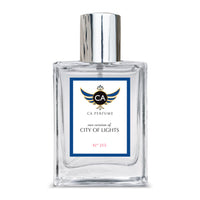
City Of Lights — Manhattan Alternative Perfume
8.17
MEI™
Primary Romantic
Secondary Confident
Confidence
7.48
Presence
8.12
Mood Lift
8.9
Identity
8.17
Warmth
9.5
Social Ease
7.97
Energy
4.0
" I am beautiful.
View full mood profile →
Oud Save The King — Atkinsons Oud Save The King Alternative Perfume
8.05
MEI™
Primary Romantic
Secondary Confident
Confidence
8.89
Presence
9.48
Mood Lift
7.44
Identity
9.5
Warmth
8.8
Social Ease
6.63
Energy
3.2
" I am beautiful.
View full mood profile →
White Suede — Tom Ford White Suede Alternative Perfume
7.9
MEI™
Primary Confident
Secondary Magnetic
Confidence
8.68
Presence
8.11
Mood Lift
7.71
Identity
8.08
Warmth
8.23
Social Ease
7.35
Energy
3.1
" I am unstoppable.
View full mood profile →
HumanSafe™

Top Suede Fragrances by HumanSafe™ Score

These Suede-based fragrances have the highest product-level HumanSafe™ scores in this ingredient collection.

Highest HumanSafe™ Score
White Suede — Tom Ford White Suede Alternative Perfume
A-
HumanSafe™ Score Generally Safe
Safest Evaluated Ingredients EDP
AQUA Solvent / Carrier ISS 10.0
AMBROXID Evaluated ingredient ISS 10.0
1,4-DIOXACYCLOHEPTADECANE-5,17-DIONE Evaluated ingredient ISS 10.0
LINALOOL Evaluated ingredient ISS 7.0
CITRONELLOL Evaluated ingredient ISS 7.0
View full safety profile →
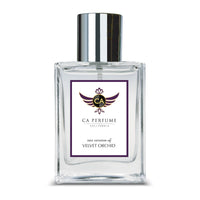
Velvet Orchid — Tom Ford Velvet Orchid Alternative Perfume
A-
HumanSafe™ Score Generally Safe
Safest Evaluated Ingredients EDP
AQUA Solvent / Carrier ISS 10.0
ACETIC ACID, PHENYLMETHYL ESTER Evaluated ingredient ISS 10.0
BENZYL SALICYLATE Evaluated ingredient ISS 9.0
3-CYCLOPENTENE-1-ACETALDEHYDE, 2,2,3-TRIMETHYL-, Evaluated ingredient ISS 9.0
3-BUTEN-2-ONE, 3-METHYL-4-(2,6,6-TRIMETHYL-2- Evaluated ingredient ISS 8.0
View full safety profile →
Tuscan Leather — Tom Ford Tuscan Leather Alternative Cologne
A-
HumanSafe™ Score Generally Safe
Safest Evaluated Ingredients EDP
OXACYCLOHEPTADEC-10-EN-2-ONE Evaluated ingredient ISS 10.0
AQUA Solvent / Carrier ISS 10.0
1,4-DIOXACYCLOHEPTADECANE-5,17-DIONE Evaluated ingredient ISS 10.0
LINALOOL Evaluated ingredient ISS 7.0
ALCOHOL DENAT. Solvent / Carrier ISS 7.0
1,3,4,6,7,8-HEXAHYDRO-4,6,6,7,8,8- Evaluated ingredient ISS 7.0
View full safety profile →
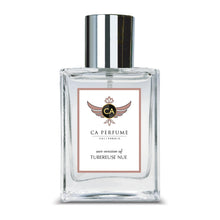
Tubereuse Nue — Tubéreuse Nue Alternative Perfume
A-
HumanSafe™ Score Generally Safe
Safest Evaluated Ingredients EDP
AQUA Solvent / Carrier ISS 10.0
ACETIC ACID, PHENYLMETHYL ESTER Evaluated ingredient ISS 10.0
1,4-DIOXACYCLOHEPTADECANE-5,17-DIONE Evaluated ingredient ISS 10.0
BENZYL SALICYLATE Evaluated ingredient ISS 9.0
BENZOIC ACID, 2-AMINO-, METHYL ESTER Evaluated ingredient ISS 9.0
View full safety profile →
Expert Voices

What Masters Say About Suede

A synthetic note which replicates the soft, pliable, sensuous feel of suede on the skin. Soft, powdery, musky.
Fragrantica Editorial
Suede in perfumery is prized for its ability to create a tactile, skin-like impression, bridging floral, woody, and gourmand notes with modern subtlety.
CA Perfume Editorial
Common Questions

Frequently Asked Questions

Answers to common questions about suede’s scent, use, and performance in perfumery.

Suede in perfume is characterized by a soft, powdery, and musky-leathery scent profile. It is less smoky and animalic than traditional leather notes, offering a velvety, tactile impression with subtle creamy and floral undertones. The suede note is constructed from synthetic molecules such as safranal and muscone, resulting in a modern, intimate, and skin-like aroma. Notable examples include Tom Ford White Suede and Marc-Antoine Barrois Ganymede.

Suede is typically used as a heart note in fragrance compositions, appearing after the top notes have evaporated and lasting into the base. Its molecular structure allows it to bridge the transition from fresh, airy openings to warm, musky drydowns. Suede’s moderate volatility and musky character make it ideal for the heart of a fragrance, where it imparts a plush, tactile texture.

Suede is favored in niche perfumery for its versatility and modern, understated luxury. Its soft, powdery, and musky-leathery profile allows perfumers to create tactile, skin-like effects that appeal to contemporary tastes. Suede can be paired with florals, gourmands, or woods, enabling innovative, textural compositions. Its synthetic construction also aligns with ethical and sustainability priorities in niche fragrance.

Suede fragrance uses often involve pairing with amber, vanilla, musk, rose, and sandalwood. These notes share molecular affinities with suede’s musky and creamy facets, enhancing its plushness and longevity. Citrus and light florals can also be used to create fresher, more transparent suede accords. Notable pairings include suede with vanilla in Guerlain Cuir Béluga and with peony in Jo Malone Peony & Blush Suede.

Suede can be worn in summer, especially in lighter EDT or EDP formulations. Heat increases the volatility of suede’s top notes, revealing its musky base more quickly. Pairing suede with citrus or green notes creates a fresher effect suitable for warm weather. Apply sparingly and consider layering with lighter, airy notes for optimal performance in heat.

Suede fragrances generally last 4–6 hours on skin, depending on concentration and supporting notes. The musky, woody molecules in suede accords provide moderate tenacity, lingering close to the skin for an intimate, tactile effect. Longevity can be extended by layering with moisturizing bases or applying to clothing and hair.

Yes, suede is highly versatile for layering. It can be combined with vanilla, amber, or musk to enhance warmth and sweetness, or with citrus and florals for freshness. Layering works best when complementary molecular structures are chosen, ensuring seamless blending and a harmonious scent evolution.

Beginner-friendly suede perfumes include Tom Ford White Suede, Jo Malone Peony & Blush Suede, and Guerlain Cuir Béluga. These fragrances showcase suede’s plush, powdery character in accessible, balanced compositions. They are suitable for a wide range of tastes and occasions, providing an introduction to suede’s tactile, modern luxury.

At CA Perfume, select a suede fragrance by considering your preferred supporting notes—amber, vanilla, florals, or woods. Review scent profiles and concentration levels to match your style and desired performance. The HumanSafe™ platform ensures transparency and safety for all suede-based compositions.

Suede in fragrance is generally clean, powdery, and musky, lacking the smoky, tar-like qualities of traditional leather notes. Its synthetic construction allows for a soft, velvety impression with subtle warmth and minimal harshness. This makes suede suitable for both modern and classic compositions, appealing to those who prefer understated, tactile scents.

Woody Spicy Collection

Explore Our Top Suede Fragrances

Discover suede-based fragrances that showcase the note’s plush, powdery, and musky-leathery character. Each scent is curated for its modern, tactile luxury.

Shop all suede fragrances at CA Perfume →

Where Suede Comes From — Origin & Extraction

The suede note in perfumery does not derive from a direct botanical or animal source but is instead a synthetic accord constructed to evoke the tactile and olfactory qualities of real suede leather. Historically, the scent of leather in perfumery was achieved using natural materials such as birch tar, castoreum, and muscone from musk deer. However, due to ethical, regulatory, and sustainability concerns, modern suede accords are built almost exclusively from synthetic aroma chemicals. Key molecules used in suede accords include safranal (CAS 116-26-7), which imparts a warm, hay-like, slightly leathery aroma; muscone (CAS 541-91-3), contributing a soft, musky undertone; and isobutyl quinoline (CAS 135-88-6), providing a green, leathery nuance. These compounds are synthesized via petrochemical or biotechnological processes, offering consistency and safety. Suede absolute, when produced, is typically obtained through solvent extraction or supercritical CO₂ extraction of leather offcuts, but this is rare and costly, with prices ranging from $3,000–6,000/kg. In contrast, synthetic suede accords can be produced for $50–200/kg, making them far more accessible for large-scale perfumery. France and Italy are cultural centers for the suede note, reflecting their heritage in luxury leather goods and fine fragrance. French perfumers emphasize refinement and subtlety, while Italian houses often highlight sensuality and tactile richness. Sustainability considerations favor synthetic suede, as it avoids animal-derived materials and reduces environmental impact. The HumanSafe™ platform at CA Perfume ensures full transparency and traceability for all suede-related aroma chemicals used in formulations.

Famous Fragrances That Define Suede in Perfumery

Suede has become a defining note in contemporary perfumery, especially in the niche and luxury segments. Its soft, powdery, and musky-leathery character provides a modern alternative to traditional leather notes, allowing for greater versatility and subtlety in fragrance design. Tom Ford’s White Suede (2009, perfumer Harry Fremont) is a landmark fragrance that showcases suede as a dominant note, paired with musk, rose, and amber to create a creamy, tactile effect. Marc-Antoine Barrois Ganymede (2019, perfumer Quentin Bisch) uses a futuristic suede accord alongside violet, immortelle, and mineral notes, resulting in a textural, mineral-leather signature. Jo Malone London Peony & Blush Suede (2013, perfumer Christine Nagel) features suede as a bridge note, linking fresh peony with red apple and soft musk for a delicate, modern floral composition. Serge Lutens Daim Blond (2004, perfumer Christopher Sheldrake) employs suede as a dominant note, blended with apricot, iris, and spices to evoke the tactile sensation of fine suede gloves. Guerlain Cuir Béluga (2005, perfumer Olivier Polge) highlights suede as a supporting note, paired with vanilla, heliotrope, and amber for a gourmand-leather effect. These fragrances illustrate the versatility of suede, functioning as a dominant, bridge, or supporting note in both masculine and feminine compositions. CA Perfume’s collection draws inspiration from this lineage, offering suede-based fragrances that explore both classic and contemporary interpretations.

Natural vs Synthetic Suede in Perfumery

Natural suede absolute, when available, is extracted from processed leather using solvent extraction or supercritical CO₂. However, its use is limited due to high cost, batch variability, and ethical concerns regarding animal origin. The resulting material is complex, with variable odor profiles depending on the source and processing method, and is rarely used in modern perfumery. Synthetic suede accords are constructed from molecules such as safranal (CAS 116-26-7), muscone (CAS 541-91-3), and isobutyl quinoline (CAS 135-88-6). Safranal provides the hay-leathery warmth, muscone adds a soft, skin-like muskiness, and isobutyl quinoline imparts a green-leathery sharpness. Synthetic suede offers superior batch-to-batch consistency, stability, and safety, with a cost advantage ($50–200/kg versus $3,000–6,000/kg for natural absolute). Synthetic suede also allows for precise control over the scent profile, enabling perfumers to tailor the accord for different fragrance families. Famous fragrances using synthetic suede include Tom Ford White Suede, Marc-Antoine Barrois Ganymede, and Jo Malone London Peony & Blush Suede. Sustainability and ethical sourcing are prioritized in synthetic production, reducing reliance on animal products. The HumanSafe™ platform at CA Perfume verifies all suede-related ingredients for safety, transparency, and environmental responsibility.