Ingredient Guide · Resins and Balsams
Resins and Balsams Family · Perfumery Note

Styrax

A complex, leathery-sweet base note with centuries of olfactory history.

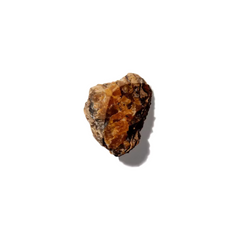
Styrax is a resinous base note in perfumery, prized for its balsamic, leathery, and sweet character. Its defining quality comes from high concentrations of cinnamic acid derivatives, providing a unique fixative effect and a multifaceted scent profile.

Styrax
Ingredient Profile

Styrax

Resins and Balsams Family
Family Resins and Balsams
Note Position Base Note
Usage Level 0.64% (IFRA limit)
Key Origins Turkey, Honduras, Guatemala
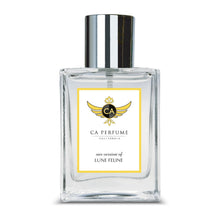
Iconic In Jazz Club, Lune Feline
The Ingredient

What does Styrax smell like and why is it so valued in perfumery?

Styrax, sometimes called storax, is a balsamic resin exuded from the bark of Liquidambar orientalis and Liquidambar styraciflua. Chemically, it is dominated by cinnamic acid derivatives—especially storesin (33–50%), free cinnamic acid (5–15%), cinnamyl cinnamate (styracin), and phenylpropyl cinnamate. The result is a scent profile that sits at the intersection of raw cinnamon sharpness, vanillic sweetness, and a pronounced animalic-leathery undertone. Styrax’s scent is complex: opening with a biting, almost solvent-like cinnamon bark note, then developing a honeyed, balsamic body with a dark, leathery grain and subtle smoky, tarred facets. The drydown is tenacious, tarry, and warm, with animalic and dried fruit nuances. This complexity distinguishes it from the cleaner, more transparent balsams like benzoin or tolu. In perfumery, styrax is classified as a base note due to its low volatility and fixative properties. It is typically used at concentrations of 0.5–2.5% in a perfume compound, though IFRA restricts its use to 0.64% in fine fragrance (Category 4). Styrax interacts with skin chemistry in notable ways: its cinnamic esters and vanillic traces can be amplified or muted depending on skin pH and moisture, sometimes revealing more leathery or animalic facets on warmer, more acidic skin. Its tenacity helps anchor lighter, more volatile notes, extending the longevity of floral, woody, and spicy compositions. Styrax in perfumery is exemplified by its role in fragrances such as Maison Martin Margiela Jazz Club (2013), where it forms the smoky, resinous backbone, and Atelier des Ors Lune Feline (2015), where it deepens the spicy vanilla heart. In Francesca Bianchi The Dark Side (2016), styrax is used to create a mysterious, animalic warmth, while in Tom Ford Oud Minérale (2023), it bridges woody and marine notes. These examples illustrate how the question "what does styrax smell like" is best answered by its ability to impart depth, warmth, and a lived-in leather effect to a wide range of compositions.

0.64% (IFRA limit)
The maximum allowed concentration of styrax resinoid in fine fragrance (Category 4) due to allergenicity concerns. Most formulas use 0.5–2.5% in the compound, but finished product must comply with this limit.
400+ hours
Styrax resinoid can persist for over 400 hours on a smelling strip, demonstrating its exceptional tenacity and fixative power in perfume compositions.
$150–$300/kg
The 2025 wholesale price range for natural styrax resinoid. Synthetic substitutes cost $20–$60/kg, but lack the full olfactory complexity of the natural material.
Origin & Extraction

Where Styrax Comes From — Origin & Extraction

Styrax’s scent character is shaped by the geography and climate of its origin. Resin from Turkish forests is sweeter and denser, while Honduran styrax is smokier and more leathery due to soil and harvesting differences.

Styrax is derived from the balsamic exudate of Liquidambar orientalis (Levant storax, native to southwestern Turkey) and Liquidambar styraciflua (American sweetgum, native to Honduras, Guatemala, and the southeastern United States). The resin is collected by making incisions in the tree’s bark, allowing the thick, aromatic sap to flow and solidify before harvesting. Turkey remains the principal source for L. orientalis, while Honduras and Guatemala lead production of L. styraciflua. Global production is estimated at several hundred metric tons annually, with Turkey and Honduras together accounting for over 80% of the market. Extraction methods vary by desired product. For perfumery, the most common process is solvent extraction (using hexane or ethanol) of the raw balsam, yielding a resinoid or absolute. Warm alcohol extraction (at 30°C/86°F) is favored for producing resin absolute, which preserves the full aromatic complexity and minimizes polycyclic aromatic hydrocarbons. Steam distillation is also used but yields less than 1% essential oil and can introduce unwanted styrene (plastic-like) notes. Pyrogenated styrax, obtained by dry distillation, produces a smokier, more phenolic material for specialty applications. Natural styrax resinoid prices range from $150–$300/kg (2025 wholesale), while synthetic substitutes—such as ethyl cinnamate or styralyl acetate—cost $20–$60/kg. Sustainability concerns include habitat loss in Turkish forests and overharvesting in Central America. Some producers have adopted managed forestry and traceability programs to ensure long-term supply. Synthetic alternatives reduce pressure on wild populations but lack the full olfactory complexity of natural styrax.

TR

Turkey

Muğla Province in southwestern Turkey produces Levant storax from Liquidambar orientalis. The region’s calcareous soils and Mediterranean climate yield a resin with pronounced sweetness and depth. Annual production is estimated at 200–300 metric tons, with strict harvesting regulations to protect native forests.

HN

Honduras

Olancho and Yoro regions are major sources of Liquidambar styraciflua resin. The tropical climate and volcanic soils produce a smokier, more phenolic styrax with pronounced leathery undertones. Honduras supplies over 50% of the global market for American sweetgum resin.

GT

Guatemala

Alta Verapaz and Izabal regions export styrax with a lighter, more transparent profile due to higher rainfall and alluvial soils. Guatemalan resin is prized for its clarity and is often blended with Honduran material for balance.

US

United States

Southern states, especially Arkansas and Louisiana, produce small quantities of Liquidambar styraciflua resin. American styrax is used mainly in local perfumery and aromatherapy, with a profile noted for its mild sweetness and subtle woody undertones.

Chemistry

Natural vs Synthetic Styrax in Perfumery

Natural styrax resinoid is chemically complex, dominated by cinnamic acid derivatives (storesin, cinnamyl cinnamate, phenylpropyl cinnamate) and minor vanillin and triterpenic acids. Synthetic substitutes typically focus on key aroma molecules such as ethyl cinnamate (CAS 103-36-6), cinnamyl acetate (CAS 103-54-8), and styralyl acetate (CAS 93-92-5). These synthetics can replicate the sweet-balsamic and cinnamon-leathery facets but often lack the animalic undertones and nuanced evolution of natural styrax. Performance-wise, synthetics offer greater consistency, stability, and lower allergenicity. They are less prone to oxidation and batch variation, and their cost is significantly lower ($20–$60/kg vs. $150–$300/kg for natural). However, natural styrax’s fixative power and olfactory complexity remain unmatched in high-end compositions. Iconic fragrances such as Maison Martin Margiela Jazz Club and Francesca Bianchi The Dark Side use natural styrax resinoid for its depth, while more commercial blends may rely on synthetics for cost and regulatory compliance. Sustainability is a key consideration: natural styrax extraction can impact forest ecosystems, while synthetics reduce pressure on wild populations but may involve petrochemical feedstocks. The HumanSafe™ platform provides transparency on sourcing, allergen content, and regulatory status for both natural and synthetic styrax ingredients in CA Perfume’s formulations. This ensures consumer safety and environmental responsibility while preserving the olfactory richness of the ingredient.

Natural
Styrax Absolute
Cost $3,000–6,000/kg
Method Solvent / CO₂
Character Complex, variable
vs
Synthetic
Safranal & Analogues
Cost $50–200/kg
Method Lab synthesis
Character Consistent, stable
Hall of Fame

Famous Fragrances That Define Styrax in Perfumery

2013
bridge note

Jazz Club

Maison Martin Margiela
by Alienor Massenet
tobacco leafvetiverrumneroli
2015
dominant note

Lune Feline

Atelier des Ors
by Marie Salamagne
vanillacinnamoncardamomPeru balsam
2016
dominant note

The Dark Side

Francesca Bianchi
by Francesca Bianchi
ambergrissandalwoodcumintonka bean
2023
bridge note

Oud Minérale (2023)

Tom Ford
oudseaweedpink pepperambrette
2025
dominant note

LYNCH aka Smoked Styrax

Spiritica
by Daniele Muratori Caputo, Leonardo Opali, Paolo Cerizza
cherrytobaccooudmyrrhvanilla

Styrax’s role in perfumery spans from ancient incense blends to modern niche compositions. In Maison Martin Margiela Jazz Club (2013, perfumer Alienor Massenet), styrax forms the smoky, resinous backbone, paired with tobacco leaf and vetiver for a warm, atmospheric effect. Atelier des Ors Lune Feline (2015, Marie Salamagne) uses styrax to deepen a spicy vanilla heart, blending it with cinnamon, cardamom, and Peru balsam. Francesca Bianchi The Dark Side (2016) features styrax as a dominant note, imparting animalic warmth alongside ambergris and sandalwood. Tom Ford Oud Minérale (2023) employs styrax as a bridge note, connecting marine and woody accords with a subtle leathery undertone. In Spiritica LYNCH aka Smoked Styrax (2025, Daniele Muratori Caputo, Leonardo Opali, Paolo Cerizza), styrax is the centerpiece, delivering a mysterious, smoky, and sweetly resinous character. Historically, styrax was a key ingredient in traditional Arabic mukhallat blends, paired with oud and rose to create enveloping, balsamic bases. Its use has evolved from overtly resinous orientals of the 1970s (at concentrations up to 8–15%) to more restrained, minimalist applications in contemporary perfumery (typically 0.5–2.5%). CA Perfume’s collection draws inspiration from this lineage, offering compositions that highlight both the classic and modern facets of styrax.

The Accord

How is a captivating Styrax accord crafted?

A classic styrax accord blends 25–30% styrax resinoid for its balsamic-leathery core, 20–25% benzoin for vanillic sweetness, 20–25% rose for floral lift, and 25–30% vetiver for earthy depth. Benzoin’s vanillin and benzoic acid reinforce styrax’s sweet facets, while rose’s damascenone bridges floral and resinous notes. Vetiver’s vetiverol and earthy aldehydes ground the blend, amplifying styrax’s fixative power.

30%

Styrax

25–30% of blend

Provides the balsamic, leathery, and sweet core through cinnamic acid derivatives and storesin. Anchors the accord and enhances longevity.

25%

Benzoin

20–25% of blend

Adds vanillic sweetness and warmth via benzoic acid and vanillin, smoothing styrax’s sharper facets and extending the drydown.

25%

Rose

20–25% of blend

Introduces damascenone and phenylethyl alcohol, lifting the accord’s heaviness and creating a molecular bridge between resin and floral notes.

30%

Vetiver

25–30% of blend

Vetiverol and earthy aldehydes ground the composition, intensifying the resinous warmth and enhancing fixative strength.

The Olfactory Layers

How Styrax Evolves on Skin

Styrax’s olfactory evolution is marked by a slow, persistent diffusion. High-molecular-weight cinnamic esters evaporate gradually, revealing a balsamic-leathery core that lingers for hours. The top is fleeting, while the heart and base dominate.

I
Top notes
0–15 min
Cinnamic Spark

The opening is sharp and spicy, dominated by volatile cinnamic aldehydes and traces of styrene. This produces a fleeting impression of raw cinnamon bark and a faint solvent-like edge before quickly subsiding.

cinnamicspicysolvent-like
II
Heart notes
20–60 min
Balsamic Embrace

The heart unfolds into a dense, honeyed balsamic body. Cinnamyl cinnamate and phenylpropyl cinnamate provide vanillic sweetness and a leathery grain, while animalic undertones emerge from minor triterpenic acids. The scent becomes rounder and more resinous.

balsamicleatheryhoneyed
III
Base notes
Several hours
Leathery Depth

The drydown is tarry, warm, and tenacious. Slow-evaporating storesin and vanillin traces create a lingering, sweetly animalic base with dried fruit and smoky nuances. This stage can persist on fabric for days.

tarryanimalicsweet
TOP NOTES Cinnamic Spark 0–15 minutes HEART NOTES Balsamic Embrace 20–60 minutes BASE NOTES Leathery Depth Several hours
Through the Ages

The Story of Styrax in Perfumery

Styrax has been valued in perfumery and ritual since antiquity, evolving from incense to a modern fixative and signature note.

Antiquity

Early Incense and Ritual Use

Styrax resin is documented in Babylonian and Greek sources as a key ingredient in incense and medicinal balms. Pliny the Elder and Dioscorides describe its use in perfumes and ointments, and it features in ancient Egyptian and Mesopotamian rituals.

14th Century

Introduction to European Perfumery

Styrax enters European perfumery via Mediterranean trade routes. It is used in pomanders, potpourri, and as a fixative in early alcohol-based perfumes, prized for its sweet, balsamic aroma.

19th Century

Industrial Extraction and Expansion

Advances in solvent extraction allow for large-scale production of styrax resinoid and absolute. French and British perfumers incorporate it into classic oriental and leather compositions, increasing its global demand.

1970s

Styrax in Modern Oriental Perfumes

Styrax is used at high concentrations (up to 8–15%) in bold oriental fragrances, anchoring compositions with its balsamic-leathery depth. Its role as a fixative and bridge note becomes standard in the industry.

2010s–2020s

Niche Revival and Minimalist Use

Contemporary perfumers use styrax more sparingly (0.5–2.5%), focusing on its ability to add subtle warmth and complexity. It features prominently in niche and artisanal fragrances, often paired with oud, rose, and vanilla.

The Art of Layering

How to Layer Styrax

Understanding how to layer styrax is key to maximizing its olfactory impact. At a molecular level, styrax’s cinnamic esters and vanillin traces interact synergistically with florals, woods, and spices, creating harmonious, long-lasting blends.

01

Enhance Sweetness

Layer styrax with vanilla or benzoin to amplify vanillic and sweet balsamic facets. Shared vanillin and benzoic acid molecules create olfactory resonance, as seen in Atelier des Ors Lune Feline and Francesca Bianchi The Dark Side.

02

Add Depth

Pair styrax with oud or patchouli to intensify its leathery and smoky undertones. Molecular affinity between triterpenic acids and patchoulol enhances the earthy, resinous base, as demonstrated in Tom Ford Oud Minérale.

03

Lighten the Glow

Combine styrax with rose or citrus notes to lift its density. Damascenone in rose bridges the gap between resin and floral, while limonene in citrus masks heavier facets, resulting in a balanced, versatile composition.

Wear It Right

How to Wear Styrax Like a Pro

Seasonal Guide

Fall & Winter

Cooler temperatures suppress the volatility of lighter notes, allowing styrax’s balsamic and leathery facets to dominate. Apply to pulse points and fabric for a cozy, enveloping effect. The resin’s fixative power helps anchor spicy and woody compositions in cold air.

Spring

In mild weather, styrax’s sweetness and floral undertones become more apparent. Layer with fresh florals or citrus notes to balance its richness. Apply sparingly to avoid overpowering lighter spring scents.

Summer

Heat increases the volatility of cinnamic aldehydes, making styrax’s spicy top notes more prominent but shortening overall longevity. Pair with citrus or aquatic notes for a refreshing contrast, and apply lightly to avoid cloying heaviness.

Year-Round Tip

Styrax’s tenacity makes it suitable for layering in any season. Adjust application amount and pairing notes to match temperature and humidity, ensuring optimal projection and comfort.

Application Points

Strategic application enhances styrax’s fixative power and olfactory evolution.

1

Neck

Pulse points on the neck generate heat, accelerating the diffusion of styrax’s top notes and revealing its balsamic heart more quickly.

2

Behind the Ears

This area is less exposed to air, allowing styrax’s heavier molecules to linger and evolve slowly, emphasizing the leathery base.

3

Inner Wrists

Frequent movement and warmth from the wrists help project styrax’s scent, but also expose it to air, balancing longevity and sillage.

4

Hair

Styrax molecules adhere to hair fibers, providing a sustained, subtle release of its balsamic sweetness throughout the day.

Pro Tip

Apply a small amount to fabric (scarves, collars) for extended wear, as styrax’s tenacity ensures it persists for days without rapid evaporation.

Mood Architecture™

Top Styrax Fragrances by Mood Score

These Styrax-based fragrances scored highest on the MEI™ Mood Architecture Framework — measuring how a scent may influence your emotional state.

Highest MEI Score
Lune Feline — Atelier Cologne Lune Feline Alternative Perfume
8.71
MEI™
Primary Romantic
Secondary Confident
Confidence
8.16
Presence
8.08
Mood Lift
9.45
Identity
8.27
Warmth
9.5
Social Ease
9.04
Energy
5.2
" I am beautiful.
View full mood profile →
Gorgeous — Michael Kors Gorgeous Alternative Perfume
7.76
MEI™
Primary Fresh
Secondary Romantic
Confidence
6.92
Presence
7.88
Mood Lift
9.5
Identity
7.33
Warmth
7.57
Social Ease
7.86
Energy
2.9
" I am radiant.
View full mood profile →
Hamdani — Parfums De Marly Hamdani Alternative Perfume
7.27
MEI™
Primary Magnetic
Secondary Confident
Confidence
7.91
Presence
9.5
Mood Lift
6.58
Identity
8.71
Warmth
7.8
Social Ease
6.02
Energy
2.6
" I am bold.
View full mood profile →
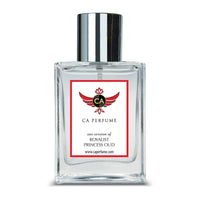
Royalist Princess Oud — Royal Oud Princess Alternative Perfume
7.24
MEI™
Primary Romantic
Secondary Confident
Confidence
6.38
Presence
6.88
Mood Lift
8.0
Identity
6.75
Warmth
8.99
Social Ease
7.18
Energy
3.4
" I am beautiful.
View full mood profile →
HumanSafe™

Top Styrax Fragrances by HumanSafe™ Score

These Styrax-based fragrances have the highest product-level HumanSafe™ scores in this ingredient collection.

Highest HumanSafe™ Score
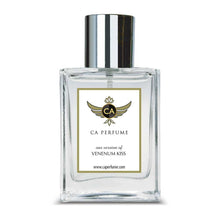
567- Venenum Kiss Perfume Spray
#1
567- Venenum Kiss Perfume Spray
Starting from $12.99
A-
HumanSafe™ Score Generally Safe
Safest Evaluated Ingredients EDP
AQUA Solvent / Carrier ISS 10.0
BENZYL SALICYLATE Evaluated ingredient ISS 9.0
4H-INDEN-4-ONE, 1,2,3,5,6,7-HEXAHYDRO-1,1,2,3,3- Evaluated ingredient ISS 9.0
3-CYCLOPENTENE-1-ACETALDEHYDE, 2,2,3-TRIMETHYL-, Evaluated ingredient ISS 9.0
LINALYL ACETATE Evaluated ingredient ISS 7.0
View full safety profile →
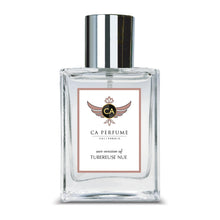
Tubereuse Nue — Tubéreuse Nue Alternative Perfume
A-
HumanSafe™ Score Generally Safe
Safest Evaluated Ingredients EDP
AQUA Solvent / Carrier ISS 10.0
ACETIC ACID, PHENYLMETHYL ESTER Evaluated ingredient ISS 10.0
1,4-DIOXACYCLOHEPTADECANE-5,17-DIONE Evaluated ingredient ISS 10.0
BENZYL SALICYLATE Evaluated ingredient ISS 9.0
BENZOIC ACID, 2-AMINO-, METHYL ESTER Evaluated ingredient ISS 9.0
View full safety profile →
Royalist Princess Oud — Royal Oud Princess Alternative Perfume
A-
HumanSafe™ Score Generally Safe
Safest Evaluated Ingredients EDP
AQUA Solvent / Carrier ISS 10.0
1,4-DIOXACYCLOHEPTADECANE-5,17-DIONE Evaluated ingredient ISS 10.0
BENZYL SALICYLATE Evaluated ingredient ISS 9.0
4H-INDEN-4-ONE, 1,2,3,5,6,7-HEXAHYDRO-1,1,2,3,3- Evaluated ingredient ISS 9.0
LINALYL ACETATE Evaluated ingredient ISS 7.0
View full safety profile →
Lune Feline — Atelier Cologne Lune Feline Alternative Perfume
A-
HumanSafe™ Score Generally Safe
Safest Evaluated Ingredients EDP
AQUA Solvent / Carrier ISS 10.0
AMBERKETAL Evaluated ingredient ISS 8.0
1,6,10-DODECATRIEN-3-OL, 3,7,11-TRIMETHYL- Evaluated ingredient ISS 8.0
LINALYL ACETATE Evaluated ingredient ISS 7.0
LINALOOL Evaluated ingredient ISS 7.0
AMBREIN Evaluated ingredient ISS 7.0
View full safety profile →
Expert Voices

What Masters Say About Styrax

Styrax resinoid is a powerful aromatic substance with deep cultural roots, rich chemistry and an irreplaceable scent profile. From its careful extraction to its role in fine fragrance, it offers depth, warmth and longevity that few other naturals can match.
BMV Fragrances Editorial
Styrax’s scent profile sits at the junction of cinnamic sharpness, vanillic sweetness, and a distinct animalic-leathery undertone that separates it from the cleaner balsamic profile of tolu or Peru balsam.
CA Perfume Editorial
Common Questions

Frequently Asked Questions

Answers to common questions about styrax in perfumery.

Styrax in perfume smells balsamic, leathery, and sweet, with a complex evolution from sharp cinnamon and solvent-like top notes to a honeyed, animalic, and smoky base. Its scent is shaped by cinnamic acid derivatives, vanillin traces, and triterpenic acids, resulting in a multifaceted profile that anchors and enriches a wide range of compositions.

Styrax is classified as a base note due to its low volatility and fixative properties. Its heavy cinnamic esters and resinoids evaporate slowly, allowing it to persist for hours and anchor lighter, more volatile notes in the fragrance pyramid.

Niche perfumers value styrax for its olfactory complexity and fixative power. Its ability to impart depth, warmth, and a lived-in leather effect makes it a signature note in many artisanal and avant-garde compositions, especially when paired with oud, rose, or vanilla.

Styrax fragrance uses include pairing with benzoin, labdanum, rose, vanilla, oud, patchouli, and vetiver. These notes share molecular affinities (vanillin, damascenone, patchoulol) that create harmonious, long-lasting blends and enhance styrax’s balsamic, floral, or leathery facets.

Styrax can be worn in summer if blended with lighter notes such as citrus or florals, which balance its richness. In hot weather, its spicy top notes become more prominent but longevity may be reduced. Apply sparingly to avoid heaviness.

Styrax’s tenacity allows it to persist for 6–12 hours on skin and several days on fabric. Its fixative properties help extend the wear of lighter notes, making it ideal for long-lasting compositions.

Yes, styrax is highly layerable due to its molecular compatibility with florals, woods, and spices. Layer with vanilla or benzoin for sweetness, oud or patchouli for depth, or rose for a floral lift. Adjust ratios to suit personal preference and season.

Beginner-friendly styrax perfumes include Maison Martin Margiela Jazz Club, Atelier des Ors Lune Feline, and Tom Ford Oud Minérale. These fragrances showcase styrax’s warmth and complexity in accessible, balanced compositions.

Explore CA Perfume’s discovery sets to sample a range of styrax-based fragrances. Consider your preferred scent profile—whether you favor sweet, leathery, or smoky facets—and consult ingredient transparency data via the HumanSafe™ platform for sourcing and allergen information.

Styrax can smell both sweet and smoky, depending on extraction method and pairing notes. Solvent-extracted resinoid emphasizes vanillic sweetness, while pyrogenated or dry-distilled styrax is smokier and more phenolic. The final impression is shaped by the composition’s balance of resins, woods, and florals.

Resins and Balsams Collection

Explore Our Top Styrax Fragrances

Discover CA Perfume’s curated selection of fragrances featuring styrax, each highlighting its unique balsamic, leathery, and sweet facets.

Shop all styrax fragrances at CA Perfume →

Where Styrax Comes From — Origin & Extraction

Styrax is derived from the balsamic exudate of Liquidambar orientalis (Levant storax, native to southwestern Turkey) and Liquidambar styraciflua (American sweetgum, native to Honduras, Guatemala, and the southeastern United States). The resin is collected by making incisions in the tree’s bark, allowing the thick, aromatic sap to flow and solidify before harvesting. Turkey remains the principal source for L. orientalis, while Honduras and Guatemala lead production of L. styraciflua. Global production is estimated at several hundred metric tons annually, with Turkey and Honduras together accounting for over 80% of the market. Extraction methods vary by desired product. For perfumery, the most common process is solvent extraction (using hexane or ethanol) of the raw balsam, yielding a resinoid or absolute. Warm alcohol extraction (at 30°C/86°F) is favored for producing resin absolute, which preserves the full aromatic complexity and minimizes polycyclic aromatic hydrocarbons. Steam distillation is also used but yields less than 1% essential oil and can introduce unwanted styrene (plastic-like) notes. Pyrogenated styrax, obtained by dry distillation, produces a smokier, more phenolic material for specialty applications. Natural styrax resinoid prices range from $150–$300/kg (2025 wholesale), while synthetic substitutes—such as ethyl cinnamate or styralyl acetate—cost $20–$60/kg. Sustainability concerns include habitat loss in Turkish forests and overharvesting in Central America. Some producers have adopted managed forestry and traceability programs to ensure long-term supply. Synthetic alternatives reduce pressure on wild populations but lack the full olfactory complexity of natural styrax.

Famous Fragrances That Define Styrax in Perfumery

Styrax’s role in perfumery spans from ancient incense blends to modern niche compositions. In Maison Martin Margiela Jazz Club (2013, perfumer Alienor Massenet), styrax forms the smoky, resinous backbone, paired with tobacco leaf and vetiver for a warm, atmospheric effect. Atelier des Ors Lune Feline (2015, Marie Salamagne) uses styrax to deepen a spicy vanilla heart, blending it with cinnamon, cardamom, and Peru balsam. Francesca Bianchi The Dark Side (2016) features styrax as a dominant note, imparting animalic warmth alongside ambergris and sandalwood. Tom Ford Oud Minérale (2023) employs styrax as a bridge note, connecting marine and woody accords with a subtle leathery undertone. In Spiritica LYNCH aka Smoked Styrax (2025, Daniele Muratori Caputo, Leonardo Opali, Paolo Cerizza), styrax is the centerpiece, delivering a mysterious, smoky, and sweetly resinous character. Historically, styrax was a key ingredient in traditional Arabic mukhallat blends, paired with oud and rose to create enveloping, balsamic bases. Its use has evolved from overtly resinous orientals of the 1970s (at concentrations up to 8–15%) to more restrained, minimalist applications in contemporary perfumery (typically 0.5–2.5%). CA Perfume’s collection draws inspiration from this lineage, offering compositions that highlight both the classic and modern facets of styrax.

Natural vs Synthetic Styrax in Perfumery

Natural styrax resinoid is chemically complex, dominated by cinnamic acid derivatives (storesin, cinnamyl cinnamate, phenylpropyl cinnamate) and minor vanillin and triterpenic acids. Synthetic substitutes typically focus on key aroma molecules such as ethyl cinnamate (CAS 103-36-6), cinnamyl acetate (CAS 103-54-8), and styralyl acetate (CAS 93-92-5). These synthetics can replicate the sweet-balsamic and cinnamon-leathery facets but often lack the animalic undertones and nuanced evolution of natural styrax. Performance-wise, synthetics offer greater consistency, stability, and lower allergenicity. They are less prone to oxidation and batch variation, and their cost is significantly lower ($20–$60/kg vs. $150–$300/kg for natural). However, natural styrax’s fixative power and olfactory complexity remain unmatched in high-end compositions. Iconic fragrances such as Maison Martin Margiela Jazz Club and Francesca Bianchi The Dark Side use natural styrax resinoid for its depth, while more commercial blends may rely on synthetics for cost and regulatory compliance. Sustainability is a key consideration: natural styrax extraction can impact forest ecosystems, while synthetics reduce pressure on wild populations but may involve petrochemical feedstocks. The HumanSafe™ platform provides transparency on sourcing, allergen content, and regulatory status for both natural and synthetic styrax ingredients in CA Perfume’s formulations. This ensures consumer safety and environmental responsibility while preserving the olfactory richness of the ingredient.