

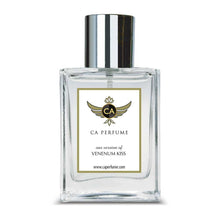
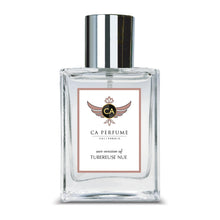
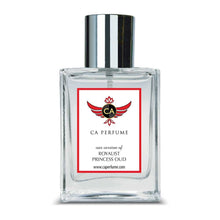
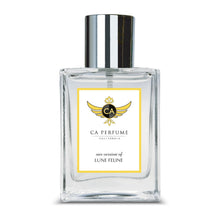

This is my first purchase from CA Perfume. This smells EXACTLY like the original. I have a really good oil of the same fragrance, and I am going to smell good ALL DAY! I will be a repeat customer. Absolutely amazing.
I definitely smell the black currant. I have been stopped multiple times in public and have been complimented on it. Definitely beautiful 10/10 recommend! And the packaging is gorgeous.
This smells just like the original. I love how it smells on my skin and be buying the bigger bottle to save me $400+.
Amazing!! This is the closest to the OG midnight shimmer! Still don’t know why this one in particular was discontinued it was the best. Will definitely be purchasing more, also the
packaging, like wow, soo pretty! Thanks for the gift 😊
absolutely amazing, the scent lasts all day and i’m in love with how it smells on my husbands skin. super glad i made the purchases that i did through this company, i am highly satisfied and i definitely recommend trying it out. i will be purchasing again!
truly, thank you so much!!
mariah 🤍