Ingredient Guide · Fruits, Nuts & Savoury Notes
Fruits, Nuts & Savoury Notes Family · Perfumery Note

Star Apple

A rare tropical fruit note with a gentle milky sweetness

Star apple is a tropical fruit note used primarily in top and middle perfume accords, known for its milky, fruity character. Its scent is defined by a tonic, creamy sweetness that adds subtle tropical warmth.

Star Apple
Ingredient Profile

Star Apple

Fruits, Nuts & Savoury Notes Family
Family Fruits, Nuts & Savoury Notes
Note Position Heart Note
Usage Level 0.1–0.5%
Key Origins Dominican Republic, Puerto Rico, Mexico
Iconic In Taj Sunset, Versus
The Ingredient

What does Star Apple smell like and what is its significance in perfumery?

Star apple, botanically known as Chrysophyllum cainito, is a tropical fruit native to the Caribbean and parts of Latin America. Its scent profile is characterized by a mild, exotic fruity aroma with a distinctive milky, creamy sweetness. This unique olfactory signature arises from complex volatile compounds that evoke a tonic, soft tropical fruitiness, setting it apart from sharper citrus or overtly sweet tropical fruits. In perfumery, star apple is typically employed as a top or middle note, contributing a gentle fruity nuance without overwhelming the composition. Its use concentration generally ranges from 0.1% to 0.5% in fine fragrance formulations. The note interacts softly with skin chemistry, often blending seamlessly with musks and white florals to enhance the creamy facets of a scent. Due to its subtlety, star apple is prized for adding a refined tropical warmth rather than a bold fruit punch. Notable fragrances featuring star apple include Escada's Taj Sunset (2011), where it complements vibrant tropical accords, and Versace's Versus (2010), which uses star apple to soften and enrich the fruity heart. These examples illustrate star apple's role in crafting elegant, nuanced tropical and fruity compositions.

0.1–0.5%
Typical concentration range in fine fragrance formulations to balance presence without overpowering.
3–5 hours
Average longevity on skin, influenced by formulation and skin chemistry.
>$3,000/kg
Approximate cost of natural star apple absolute, reflecting rarity and extraction complexity.
Origin & Extraction

Where Star Apple Comes From — Origin & Extraction

Star apple is primarily cultivated in tropical regions where climate and soil conditions support its growth. The Caribbean and parts of Central America are key origins, with distinct terroir influencing the fruit's aromatic nuances.

Star apple (Chrysophyllum cainito) is a tropical fruit primarily cultivated in the Caribbean, Central America, and parts of Southeast Asia. The fruit is recognized for its distinctive purple-hued flesh with a translucent star pattern when cut crosswise. Major producing countries include the Dominican Republic, Puerto Rico, and parts of Mexico, with smaller cultivation in tropical regions of Southeast Asia. Extraction of star apple fragrance materials is relatively rare and specialized due to the fruit's delicate aroma. The primary method involves solvent extraction using hexane or ethanol to obtain an absolute or concentrate, preserving the milky, fruity nuances without thermal degradation. Steam distillation is generally avoided as heat can alter the volatile profile, diminishing the note's characteristic softness. Typical extraction parameters include low-temperature solvent extraction at around 40-50°C for several hours, yielding a fragrant concentrate with a milky-fruity olfactory profile. The yield is low due to the fruit's high water content and subtle aroma compounds, making natural star apple absolute a rare and costly ingredient, often priced above $3,000 per kilogram. Synthetic aroma chemicals mimicking star apple's scent are under development but not yet widespread, keeping natural extracts valuable for niche perfumery. Sustainability concerns focus on responsible cultivation and harvesting practices in tropical regions to prevent overexploitation and ensure consistent quality.

DO

Dominican Republic

The Dominican Republic produces star apple with a rich, milky aroma influenced by its tropical, humid climate and fertile volcanic soils. Annual production is estimated in the thousands of tons, with traditional hand-harvesting methods preserving fruit quality.

PR

Puerto Rico

Puerto Rico's star apple cultivation benefits from coastal tropical conditions and well-drained soils, yielding fruit with a slightly sweeter and creamier scent profile. Production is smaller scale but highly valued for perfumery.

MX

Mexico

In Mexico, star apple grows mainly in southern tropical regions with warm temperatures and moderate rainfall. The fruit tends to have a more pronounced fruity note with subtle milky undertones, harvested primarily for local consumption and niche fragrance extraction.

TH

Thailand

Thailand cultivates star apple in tropical lowlands where the fruit develops a balanced milky and fruity aroma. Production is emerging for perfumery use, with increasing interest in sustainable farming practices.

Chemistry

Natural vs Synthetic Star Apple in Perfumery

Natural star apple fragrance materials are derived from solvent extraction of the fruit's pulp, capturing the milky, tropical sweetness characteristic of Chrysophyllum cainito. These natural extracts contain complex mixtures of volatile esters, lactones, and aldehydes that provide a soft, creamy fruitiness with subtle tonic facets. Synthetic alternatives aim to replicate this profile using molecules such as gamma-undecalactone (CAS 104-67-6), ethyl maltol (CAS 4940-11-8), and cis-3-hexenol (CAS 928-96-1) to simulate the creamy, fruity, and green aspects respectively. These synthetics offer greater stability, consistency, and cost-effectiveness, with prices ranging from $50 to $200 per kilogram compared to natural extracts costing several thousand dollars per kilogram. Performance-wise, synthetic star apple accords tend to have longer longevity and stronger diffusion, while natural extracts provide a more nuanced, multi-dimensional scent that evolves subtly on the skin. Many contemporary fragrances blend natural and synthetic materials to balance authenticity with technical performance. Famous perfumes such as Escada Taj Sunset and Versace Versus utilize natural star apple extracts, while niche perfumers experiment with synthetic blends for innovative tropical accords. The HumanSafe™ platform supports transparency in ingredient sourcing, encouraging sustainable and ethical use of natural star apple materials alongside responsible synthetic alternatives.

Natural
Star Apple Absolute
Cost $3,000–6,000/kg
Method Solvent / CO₂
Character Complex, variable
vs
Synthetic
Safranal & Analogues
Cost $50–200/kg
Method Lab synthesis
Character Consistent, stable
Hall of Fame

Famous Fragrances That Define Star Apple in Perfumery

2011
middle note

Taj Sunset

Escada
by Olivier Cresp
coconutvanillatropical florals
2010
bridge note

Versus

Versace
by Olivier Cresp
citrusfloral
2020
accent note

11 11 Vanilla

Lake & Skye
vanillamusk
2021
accent note

BFF

KKW Fragrance
fruityfloral
2019
heart note

Simmer Down

Marley Fragrance
woodytropical

Star apple has been featured in a variety of notable perfumes, primarily in the top and middle notes to impart a gentle tropical fruitiness with milky undertones. Escada's Taj Sunset (2011), composed by perfumer Olivier Cresp, uses star apple to evoke a warm, exotic sunset ambiance, blending it with coconut, vanilla, and tropical florals for a luminous effect. Versace's Versus (2010), crafted by perfumer Olivier Cresp, integrates star apple as a soft fruity bridge note, harmonizing with citrus and floral accords to create a youthful, vibrant scent. Lake & Skye's 11 11 Vanilla (2020) employs star apple to add a creamy tropical sweetness that balances the vanilla and musk base, enhancing the fragrance's softness. KKW Fragrance's BFF (2021) uses star apple as an accent note to complement its fruity-floral composition, adding a subtle milky fruitiness. Marley Fragrance's Simmer Down (2019) incorporates star apple in the heart to provide a fresh, tropical nuance that contrasts with deeper woody notes. CA Perfume Editorial notes that these fragrances demonstrate star apple's versatility in modern perfumery, especially in compositions that seek refined tropical fruit elements without overwhelming sweetness.

The Accord

How is a captivating Star Apple accord crafted?

A well-balanced star apple accord typically combines Star Apple (20-25%) for its creamy tropical fruitiness, Coconut (20-25%) to enhance the milky softness, White Musk (25-30%) for a clean, smooth base that extends longevity, and Sandalwood (25-30%) to provide a warm, woody foundation that complements the fruit's sweetness. Each ingredient is chosen for molecular compatibility: coconut lactones blend with star apple's esters to amplify creaminess, musk molecules mask any sharp edges while enhancing diffusion, and sandalwood's alpha-santalol interacts synergistically to round the accord with a subtle woodiness.

25%

Star Apple

20–25% of blend

Provides the core milky tropical fruitiness with complex esters and lactones that define the accord's character.

25%

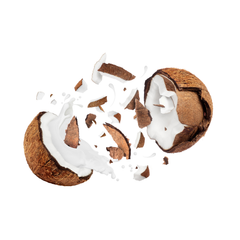
Coconut

20–25% of blend

Adds creamy lactones that enhance the milky softness and tropical warmth of star apple.

30%

White Musk

25–30% of blend

Acts as a smooth, clean base that increases longevity and masks any sharpness in the fruitiness.

30%

Sandalwood

25–30% of blend

Provides a warm, woody foundation that balances the sweetness and adds depth to the accord.

The Olfactory Layers

How Star Apple Evolves on Skin

Star apple's olfactory evolution begins with volatile, high-ester compounds that evaporate quickly, delivering an initial fresh, milky fruity burst within the first 15 minutes. As these fade, lactones and creamy molecules emerge in the heart phase, lasting up to an hour, providing a smooth tropical sweetness. Finally, base notes of musk and sandalwood anchor the scent for several hours, offering warmth and longevity through slower evaporation rates.

I
Top notes
0–15 min
Fresh Milky Burst

The top notes feature volatile esters and aldehydes responsible for the fresh, tonic, and milky fruity impression. These molecules evaporate rapidly, creating an immediate bright and soft tropical aroma.

milkyfreshfruity
II
Heart notes
20–60 min
Creamy Tropical Sweetness

Heart notes are dominated by lactones and creamy molecules that provide a smooth, tropical sweetness with subtle warmth. These compounds have moderate volatility, sustaining the milky character while blending with floral and musk elements.

creamytropicalsoft
III
Base notes
Several hours
Warm Woody Musk

Base notes consist of musks and sandalwood, which evaporate slowly and provide a warm, woody foundation. These molecules enhance longevity and diffusion, balancing the fruitiness with depth and subtle sensuality.

woodymuskywarm
TOP NOTES Fresh Milky Burst 0–15 minutes HEART NOTES Creamy Tropical Sweetness 20–60 minutes BASE NOTES Warm Woody Musk Several hours
Through the Ages

The Story of Star Apple in Perfumery

Star apple's journey in perfumery is recent but marked by increasing interest in tropical fruit notes. From early uses in Caribbean traditional scents to modern niche perfumery, its unique milky fruitiness has gained recognition.

Antiquity

Traditional Use of Star Apple

Indigenous peoples in the Caribbean and Central America valued star apple for its edible fruit and mild aroma, using it in culinary and folk remedies.

Early 20th Century

Botanical Identification

Chrysophyllum cainito was formally classified, and its fruit's aromatic properties began to be documented in botanical literature.

2010

First Notable Use in Perfume

Versace's Versus (2010) incorporated star apple as a novel tropical fruit note, introducing it to mainstream perfumery.

2011

Escada Taj Sunset Launch

Escada's Taj Sunset (2011) prominently featured star apple in its tropical accord, enhancing the note's visibility in niche and designer fragrances.

2020s

Growing Adoption in Niche Perfumery

Star apple gained popularity among indie and niche perfumers, valued for its subtle milky sweetness and versatility in fruity accords.

The Art of Layering

How to Layer Star Apple

Understanding how to layer star apple involves molecular compatibility, balancing its milky fruity esters with complementary notes to enhance complexity and longevity.

01

Enhance Sweetness

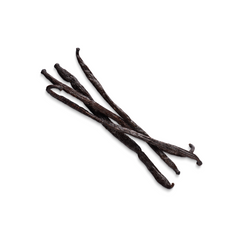
Pair star apple with vanilla, whose vanillin molecules mask any sharp edges and amplify creamy sweetness. This combination is evident in Escada Taj Sunset, where vanilla softens star apple's tropical fruitiness.

02

Add Depth

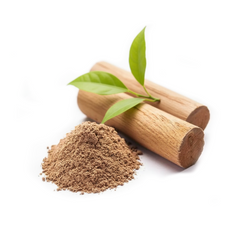
Layering with sandalwood introduces alpha-santalol, which interacts synergistically with star apple's lactones to provide a warm woody base, extending the fragrance's dry down as seen in Lake & Skye's 11 11 Vanilla.

03

Lighten the Glow

Combining star apple with white musk molecules creates a clean, smooth diffusion that enhances longevity while preserving the note's subtlety, a technique used in KKW Fragrance's BFF.

Wear It Right

How to Wear Star Apple Like a Pro

Seasonal Guide

Fall & Winter

In cooler months, star apple's creamy and woody base notes become more pronounced, providing cozy warmth. Layer with musk or sandalwood to enhance longevity and depth.

Spring

Spring's mild warmth allows star apple's fresh milky top notes to shine. Pair with light florals or green notes to complement its gentle fruitiness.

Summer

Heat increases volatility, making star apple's fresh esters more prominent but potentially shortening longevity. Use lighter applications and layer with aquatic or citrus notes for balance.

Year-Round Tip

Apply star apple-based fragrances to moisturized skin at pulse points to maximize diffusion and longevity regardless of season.

Application Points

Strategic application enhances star apple's delicate scent projection and longevity.

1

Neck

Pulse points at the neck provide warmth that gently diffuses star apple's creamy fruity notes throughout the day.

2

Behind the Ears

This area offers subtle heat and proximity to the nose, ideal for appreciating star apple's nuanced aroma.

3

Inner Wrists

Applying here allows for easy scent refresh and interaction with blood flow enhances evaporation.

4

Hair

Hair holds fragrance longer and releases it slowly, extending star apple's presence without overpowering.

★

Pro Tip

Layer star apple fragrance with unscented moisturizer to create a hydrated base that enhances scent adherence and diffusion.

Mood Architecture™

Top Star Apple Fragrances by Mood Score

These Star Apple-based fragrances scored highest on the MEI™ Mood Architecture Framework — measuring how a scent may influence your emotional state.

Highest MEI Score
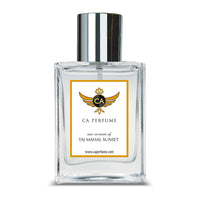
Taj Mahal Sunset — Taj Sunset Alternative Perfume
6.3
MEI™
Primary Romantic
Secondary Confident
Confidence
5.69
Presence
5.72
Mood Lift
7.1
Identity
5.9
Warmth
7.1
Social Ease
6.5
Energy
3.39
" I am beautiful.
View full mood profile →
HumanSafe™

Top Star Apple Fragrances by HumanSafe™ Score

These Star Apple-based fragrances have the highest product-level HumanSafe™ scores in this ingredient collection.

Highest HumanSafe™ Score
Taj Mahal Sunset — Taj Sunset Alternative Perfume
A-
HumanSafe™ Score Generally Safe
Safest Evaluated Ingredients EDP
AQUA Solvent / Carrier ISS 10.0
HEXYL SALICYLATE Evaluated ingredient ISS 9.0
OCTANAL, 2-(PHENYLMETHYLENE)- Evaluated ingredient ISS 8.0
LINALYL ACETATE Evaluated ingredient ISS 7.0
LINALOOL Evaluated ingredient ISS 7.0
CYCLOPENTANONE, 2-[2-(4-METHYL-3-CYCLOHEXEN-1- Evaluated ingredient ISS 7.0
View full safety profile →
Expert Voices

What Masters Say About Star Apple

“
Star apple's milky tropical sweetness offers a unique softness in fruity accords, making it a subtle yet compelling ingredient in modern perfumery.
CA Perfume Editorial
“
The delicate balance of esters and lactones in star apple creates a creamy fruitiness that blends beautifully with musks and woods, providing nuanced tropical warmth.
CA Perfume Editorial
Common Questions

Frequently Asked Questions

Answers to common questions about star apple in perfumery.

Star apple in perfume smells like a soft, milky tropical fruit with a gentle sweetness. It is less sharp than citrus and less overtly sweet than mango, offering a creamy, tonic aroma. This note is often used in top and middle accords to provide a subtle tropical warmth, as seen in Escada Taj Sunset (2011) and Versace Versus (2010).

Star apple is primarily used as a top or middle note in fragrances. Its volatile esters provide a fresh, milky fruity burst initially, while lactones sustain a creamy sweetness in the heart. It is rarely used as a base note due to its lighter molecular weight and volatility.

Star apple's subtle, creamy tropical fruitiness offers niche perfumers a unique ingredient to create refined, less conventional fruity accords. Its rarity and nuanced scent profile allow for innovative compositions that stand apart from common tropical fruit notes.

Star apple fragrance uses best pair with vanilla, sandalwood, white musk, coconut, and soft florals like jasmine and rose. These combinations enhance its creamy sweetness, add depth, and improve longevity, as demonstrated in Escada Taj Sunset and Lake & Skye 11 11 Vanilla.

Yes, star apple perfumes are well-suited for summer due to their fresh, milky fruity top notes that provide a light, tropical feel. However, heat increases volatility, so lighter applications and layering with aquatic or citrus notes can help maintain balance.

Star apple fragrances typically last 3 to 5 hours on the skin, depending on formulation and skin chemistry. The note's volatile esters evaporate quickly, but creamy lactones and musky bases extend the scent's presence.

Yes, layering star apple perfume with complementary notes like vanilla, sandalwood, or musk enhances its creamy tropical character and longevity. Understanding how to layer star apple at a molecular level ensures harmonious blends without overpowering the delicate fruitiness.

For beginners, fragrances like Escada Taj Sunset and Versace Versus offer accessible introductions to star apple's scent profile. These perfumes balance star apple with familiar tropical and floral notes, making them easy to appreciate.

Choosing the right star apple fragrance involves considering concentration, complementary notes, and occasion. CA Perfume offers detailed descriptions and layering advice to help select perfumes that highlight star apple's creamy tropical nuances in a way that suits your personal style.

Star apple smells predominantly sweet with a creamy, milky tropical fruitiness. It is not spicy but can be layered with warm spicy notes like cinnamon or cardamom to add complexity, as seen in some niche compositions.

Fruits, Nuts & Savoury Notes Collection

Explore Our Top Star Apple Fragrances

Discover perfumes featuring star apple's unique milky tropical fruitiness, curated for refined scent experiences.

Shop all star apple fragrances at CA Perfume →

Where Star Apple Comes From — Origin & Extraction

Star apple (Chrysophyllum cainito) is a tropical fruit primarily cultivated in the Caribbean, Central America, and parts of Southeast Asia. The fruit is recognized for its distinctive purple-hued flesh with a translucent star pattern when cut crosswise. Major producing countries include the Dominican Republic, Puerto Rico, and parts of Mexico, with smaller cultivation in tropical regions of Southeast Asia. Extraction of star apple fragrance materials is relatively rare and specialized due to the fruit's delicate aroma. The primary method involves solvent extraction using hexane or ethanol to obtain an absolute or concentrate, preserving the milky, fruity nuances without thermal degradation. Steam distillation is generally avoided as heat can alter the volatile profile, diminishing the note's characteristic softness. Typical extraction parameters include low-temperature solvent extraction at around 40-50°C for several hours, yielding a fragrant concentrate with a milky-fruity olfactory profile. The yield is low due to the fruit's high water content and subtle aroma compounds, making natural star apple absolute a rare and costly ingredient, often priced above $3,000 per kilogram. Synthetic aroma chemicals mimicking star apple's scent are under development but not yet widespread, keeping natural extracts valuable for niche perfumery. Sustainability concerns focus on responsible cultivation and harvesting practices in tropical regions to prevent overexploitation and ensure consistent quality.

Famous Fragrances That Define Star Apple in Perfumery

Star apple has been featured in a variety of notable perfumes, primarily in the top and middle notes to impart a gentle tropical fruitiness with milky undertones. Escada's Taj Sunset (2011), composed by perfumer Olivier Cresp, uses star apple to evoke a warm, exotic sunset ambiance, blending it with coconut, vanilla, and tropical florals for a luminous effect. Versace's Versus (2010), crafted by perfumer Olivier Cresp, integrates star apple as a soft fruity bridge note, harmonizing with citrus and floral accords to create a youthful, vibrant scent. Lake & Skye's 11 11 Vanilla (2020) employs star apple to add a creamy tropical sweetness that balances the vanilla and musk base, enhancing the fragrance's softness. KKW Fragrance's BFF (2021) uses star apple as an accent note to complement its fruity-floral composition, adding a subtle milky fruitiness. Marley Fragrance's Simmer Down (2019) incorporates star apple in the heart to provide a fresh, tropical nuance that contrasts with deeper woody notes. CA Perfume Editorial notes that these fragrances demonstrate star apple's versatility in modern perfumery, especially in compositions that seek refined tropical fruit elements without overwhelming sweetness.

Natural vs Synthetic Star Apple in Perfumery

Natural star apple fragrance materials are derived from solvent extraction of the fruit's pulp, capturing the milky, tropical sweetness characteristic of Chrysophyllum cainito. These natural extracts contain complex mixtures of volatile esters, lactones, and aldehydes that provide a soft, creamy fruitiness with subtle tonic facets. Synthetic alternatives aim to replicate this profile using molecules such as gamma-undecalactone (CAS 104-67-6), ethyl maltol (CAS 4940-11-8), and cis-3-hexenol (CAS 928-96-1) to simulate the creamy, fruity, and green aspects respectively. These synthetics offer greater stability, consistency, and cost-effectiveness, with prices ranging from $50 to $200 per kilogram compared to natural extracts costing several thousand dollars per kilogram. Performance-wise, synthetic star apple accords tend to have longer longevity and stronger diffusion, while natural extracts provide a more nuanced, multi-dimensional scent that evolves subtly on the skin. Many contemporary fragrances blend natural and synthetic materials to balance authenticity with technical performance. Famous perfumes such as Escada Taj Sunset and Versace Versus utilize natural star apple extracts, while niche perfumers experiment with synthetic blends for innovative tropical accords. The HumanSafe™ platform supports transparency in ingredient sourcing, encouraging sustainable and ethical use of natural star apple materials alongside responsible synthetic alternatives.