Where Spicy Notes Comes From — Origin & Extraction
Spicy notes in perfumery are derived from a diverse range of botanical sources, each contributing distinct olfactory molecules. Black pepper (Piper nigrum) is cultivated primarily in Vietnam (over 35% of global production, ~300,000 metric tons/year), India, Indonesia, and Brazil. Cinnamon is sourced from Cinnamomum verum (Sri Lanka, ~80% of true cinnamon) and Cinnamomum cassia (China, Indonesia). Clove (Syzygium aromaticum) is produced mainly in Indonesia (70–80% of global supply), Madagascar, and Zanzibar. Cardamom (Elettaria cardamomum) is grown in India and Guatemala, with Guatemala now leading global exports.
Extraction methods vary by spice. Essential oils are typically obtained via steam distillation (e.g., black pepper, clove, cinnamon bark), with temperatures maintained below 100°C to preserve volatile odorants. Solvent extraction (using hexane or ethanol) is used for delicate materials or to obtain absolutes, as with cardamom and nutmeg. Supercritical CO2 extraction is increasingly favored for black pepper and pink pepper, yielding highly pure extracts with minimal thermal degradation. Yields are highly variable: black pepper yields 1–2% essential oil by weight, clove up to 15%, and cinnamon bark 0.5–1%. The cost of natural spice oils ranges widely, from $50–200/kg (black pepper, cinnamon leaf) to $1,500–3,000/kg (saffron absolute).
Synthetic spicy notes are produced via chemical synthesis of key odorants such as eugenol (CAS 97-53-0), cinnamaldehyde (CAS 104-55-2), and piperonal (CAS 120-57-0). These molecules are manufactured globally, with major producers in Europe, China, and the United States. Synthetic forms offer greater consistency and lower cost—eugenol, for example, is available for $20–40/kg, compared to $300–600/kg for natural clove oil. Sustainability considerations include overharvesting (notably with wild cinnamon and nutmeg), agricultural chemical use, and the ecological impact of large-scale monoculture. Synthetic production reduces pressure on wild populations but raises concerns about petrochemical sourcing and environmental footprint.
Famous Fragrances That Define Spicy Notes in Perfumery
Spicy notes have shaped the identity of numerous landmark fragrances across history. Yves Saint Laurent Opium (1977, Jean Amic, Jean-Louis Sieuzac) is a classic oriental composition, where clove and cinnamon form the heart and base, paired with myrrh, sandalwood, and mandarin. Kenzo Jungle L’Elephant (1996, Dominique Ropion) is renowned for its bold use of cardamom, clove, and cumin, creating a spicy-gourmand interplay with licorice and mango. Viktor&Rolf Spicebomb (2012, Olivier Polge) modernized the spicy genre with a blend of pink pepper, cinnamon, saffron, and tobacco, achieving both freshness and warmth. Maison Crivelli Safran Secret (2023) demonstrates the niche evolution of spicy notes, with saffron, pink pepper, and incense layered over suede and vanilla. Bvlgari Man In Black (2014, Alberto Morillas) features rum, spices, and leather, with cinnamon and cardamom as central players.
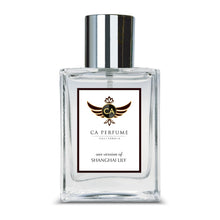
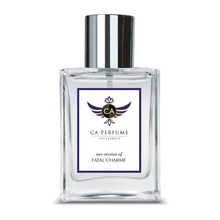
Other notable examples include Diptyque Volutes (2012, Fabrice Pellegrin), where tobacco and spicy notes evoke Mediterranean voyages, and Cartier Déclaration (1998, Jean-Claude Ellena), which uses cardamom and pepper as a bridge between citrus and woody accords. Spicy notes are often paired with florals (rose, jasmine), woods (cedar, sandalwood), and gourmand notes (vanilla, tonka bean) to create contrast and complexity. CA Perfume’s collection draws on this lineage, offering both classic and contemporary interpretations of spicy accords.
Natural vs Synthetic Spicy Notes in Perfumery
Natural spicy notes are complex mixtures of volatile compounds, each contributing to the evolving scent profile. For example, clove oil contains eugenol (CAS 97-53-0), β-caryophyllene, and acetyleugenol, while cinnamon bark oil is rich in cinnamaldehyde (CAS 104-55-2) and coumarin. Synthetic spicy notes are typically single molecules or simplified blends, such as synthetic eugenol, cinnamaldehyde, and isoeugenol (CAS 97-54-1). These synthetics offer enhanced stability, batch-to-batch consistency, and reduced allergenic potential through purification.
Performance differences are notable: natural spice oils are more nuanced and evolve dynamically on skin, but may oxidize or degrade under light and heat. Synthetics provide greater longevity and diffusion, especially in high-volume commercial perfumery. Cost is a major factor—synthetic cinnamaldehyde is $10–30/kg, while natural cinnamon bark oil exceeds $500/kg. Many contemporary fragrances, such as Viktor&Rolf Spicebomb and Dior Sauvage, rely on synthetic spicy notes for projection and reliability, while niche houses may use natural extracts for complexity.
Sustainability and supply chain transparency are increasingly important. Synthetic production can reduce pressure on endangered species (e.g., wild cinnamon, overharvested nutmeg), but may rely on non-renewable feedstocks. The HumanSafe™ platform at CA Perfume ensures full traceability and IFRA compliance, with both natural and synthetic spicy notes screened for purity, allergen content, and environmental impact. Key aroma chemicals in this category include eugenol, cinnamaldehyde, isoeugenol, and piperonal, each with distinct olfactory and regulatory profiles.