

Smells like heaven. Fast shipping. I will purchase from this company again.
Best customer service, the scent is great but only lasted 2 hrs on me.
Everything is as advertised and the packaging and presentation was awesome
From peppery sparks to resinous warmth, spicy notes shape fragrance architecture.
Spicy notes in perfumery encompass a diverse array of seeds, barks, roots, and resins, appearing as top, heart, or base notes depending on molecular volatility. Key odorants include eugenol, cinnamaldehyde, and piperine, with concentrations ranging from trace accents to dominant 10% blends.

Spicy notes in perfumery refer to a broad olfactory category derived from natural spices such as black pepper (Piper nigrum), cinnamon (Cinnamomum verum), clove (Syzygium aromaticum), cardamom (Elettaria cardamomum), nutmeg (Myristica fragrans), saffron (Crocus sativus), and others. The spicy notes scent profile is multifaceted, ranging from the sharp, dry, and piquant facets of piperine (black pepper) and cinnamaldehyde (cinnamon) to the warm, sweet, and slightly medicinal eugenol (clove). These molecules interact with olfactory receptors to produce sensations of heat, freshness, or aromatic complexity, depending on their structure and volatility. What does spicy notes smell like? The answer spans from fresh and peppery to deep, resinous, and sweetly balsamic, with each spice contributing unique chemical signatures. In perfumery, spicy notes are not confined to a single position within the fragrance pyramid. High-volatility spices such as ginger (zingiberene, citral) and pink pepper (schinus molle, α-phellandrene) often serve as top notes, imparting immediate brightness and energy. Heart notes may feature cardamom (1,8-cineole, α-terpineol) or cinnamon for warmth and aromatic lift, while denser molecules like eugenol and nutmeg’s sabinene anchor base notes with lasting richness. Typical concentrations of spicy notes in a composition range from 0.5% (as an accent) up to 10% (in spice-dominant blends), though even trace amounts can dramatically alter a fragrance’s character. Spicy notes in perfumery are valued for their ability to bridge sweet, floral, woody, and gourmand accords, and their interaction with skin chemistry can amplify or soften their impact—acidic skin may accentuate sharpness, while higher skin moisture can enhance diffusion. Landmark fragrances exemplifying spicy notes include Yves Saint Laurent Opium (1977, Jean Amic, Jean-Louis Sieuzac), which uses clove and cinnamon as a heart and base structure, and Viktor&Rolf Spicebomb (2012, Olivier Polge), where pink pepper and cinnamon create a modern, explosive opening. More recently, Maison Crivelli Safran Secret (2023) and Bvlgari Man In Black (2014, Alberto Morillas) showcase the versatility of spicy notes in both niche and designer perfumery. Spicy notes in perfumery are thus foundational, offering both structure and olfactory intrigue across fragrance families.
The geographic origin of spices profoundly influences their scent profile, with soil composition, climate, and harvest methods shaping molecular content and aromatic nuances.
Spicy notes in perfumery are derived from a diverse range of botanical sources, each contributing distinct olfactory molecules. Black pepper (Piper nigrum) is cultivated primarily in Vietnam (over 35% of global production, ~300,000 metric tons/year), India, Indonesia, and Brazil. Cinnamon is sourced from Cinnamomum verum (Sri Lanka, ~80% of true cinnamon) and Cinnamomum cassia (China, Indonesia). Clove (Syzygium aromaticum) is produced mainly in Indonesia (70–80% of global supply), Madagascar, and Zanzibar. Cardamom (Elettaria cardamomum) is grown in India and Guatemala, with Guatemala now leading global exports. Extraction methods vary by spice. Essential oils are typically obtained via steam distillation (e.g., black pepper, clove, cinnamon bark), with temperatures maintained below 100°C to preserve volatile odorants. Solvent extraction (using hexane or ethanol) is used for delicate materials or to obtain absolutes, as with cardamom and nutmeg. Supercritical CO2 extraction is increasingly favored for black pepper and pink pepper, yielding highly pure extracts with minimal thermal degradation. Yields are highly variable: black pepper yields 1–2% essential oil by weight, clove up to 15%, and cinnamon bark 0.5–1%. The cost of natural spice oils ranges widely, from $50–200/kg (black pepper, cinnamon leaf) to $1,500–3,000/kg (saffron absolute). Synthetic spicy notes are produced via chemical synthesis of key odorants such as eugenol (CAS 97-53-0), cinnamaldehyde (CAS 104-55-2), and piperonal (CAS 120-57-0). These molecules are manufactured globally, with major producers in Europe, China, and the United States. Synthetic forms offer greater consistency and lower cost—eugenol, for example, is available for $20–40/kg, compared to $300–600/kg for natural clove oil. Sustainability considerations include overharvesting (notably with wild cinnamon and nutmeg), agricultural chemical use, and the ecological impact of large-scale monoculture. Synthetic production reduces pressure on wild populations but raises concerns about petrochemical sourcing and environmental footprint.
Vietnam’s Central Highlands produce over 35% of the world’s black pepper, with basaltic soils and high humidity yielding pepper oil rich in piperine and β-caryophyllene. Annual output exceeds 300,000 metric tons, and Vietnamese pepper is prized for its sharp, clean aroma.
Sri Lanka’s southwestern regions (notably Kandy and Matale) are the primary source of true cinnamon (Cinnamomum verum). The island’s monsoon climate and laterite soils yield cinnamon bark oil high in cinnamaldehyde, with a softer, sweeter profile than cassia. Sri Lanka accounts for ~80% of global true cinnamon exports.
Indonesia, especially the Maluku and North Sulawesi provinces, dominates clove production (70–80% global share). Volcanic soils and equatorial rainfall produce clove buds with high eugenol content, used both in perfumery and the food industry.
Guatemala’s Alta Verapaz region is now the leading exporter of cardamom, with humid, shaded mountain valleys producing pods high in 1,8-cineole and α-terpineol. Cardamom from this origin is noted for its fresh, green, and slightly resinous aroma.
Natural spicy notes are complex mixtures of volatile compounds, each contributing to the evolving scent profile. For example, clove oil contains eugenol (CAS 97-53-0), β-caryophyllene, and acetyleugenol, while cinnamon bark oil is rich in cinnamaldehyde (CAS 104-55-2) and coumarin. Synthetic spicy notes are typically single molecules or simplified blends, such as synthetic eugenol, cinnamaldehyde, and isoeugenol (CAS 97-54-1). These synthetics offer enhanced stability, batch-to-batch consistency, and reduced allergenic potential through purification. Performance differences are notable: natural spice oils are more nuanced and evolve dynamically on skin, but may oxidize or degrade under light and heat. Synthetics provide greater longevity and diffusion, especially in high-volume commercial perfumery. Cost is a major factor—synthetic cinnamaldehyde is $10–30/kg, while natural cinnamon bark oil exceeds $500/kg. Many contemporary fragrances, such as Viktor&Rolf Spicebomb and Dior Sauvage, rely on synthetic spicy notes for projection and reliability, while niche houses may use natural extracts for complexity. Sustainability and supply chain transparency are increasingly important. Synthetic production can reduce pressure on endangered species (e.g., wild cinnamon, overharvested nutmeg), but may rely on non-renewable feedstocks. The HumanSafe™ platform at CA Perfume ensures full traceability and IFRA compliance, with both natural and synthetic spicy notes screened for purity, allergen content, and environmental impact. Key aroma chemicals in this category include eugenol, cinnamaldehyde, isoeugenol, and piperonal, each with distinct olfactory and regulatory profiles.
Spicy notes have shaped the identity of numerous landmark fragrances across history. Yves Saint Laurent Opium (1977, Jean Amic, Jean-Louis Sieuzac) is a classic oriental composition, where clove and cinnamon form the heart and base, paired with myrrh, sandalwood, and mandarin. Kenzo Jungle L’Elephant (1996, Dominique Ropion) is renowned for its bold use of cardamom, clove, and cumin, creating a spicy-gourmand interplay with licorice and mango. Viktor&Rolf Spicebomb (2012, Olivier Polge) modernized the spicy genre with a blend of pink pepper, cinnamon, saffron, and tobacco, achieving both freshness and warmth. Maison Crivelli Safran Secret (2023) demonstrates the niche evolution of spicy notes, with saffron, pink pepper, and incense layered over suede and vanilla. Bvlgari Man In Black (2014, Alberto Morillas) features rum, spices, and leather, with cinnamon and cardamom as central players. Other notable examples include Diptyque Volutes (2012, Fabrice Pellegrin), where tobacco and spicy notes evoke Mediterranean voyages, and Cartier Déclaration (1998, Jean-Claude Ellena), which uses cardamom and pepper as a bridge between citrus and woody accords. Spicy notes are often paired with florals (rose, jasmine), woods (cedar, sandalwood), and gourmand notes (vanilla, tonka bean) to create contrast and complexity. CA Perfume’s collection draws on this lineage, offering both classic and contemporary interpretations of spicy accords.
A balanced spicy accord typically blends 25–30% cinnamon (for warmth and sweetness), 20–25% black pepper (for sharpness and lift), 20–25% cardamom (for aromatic freshness), and 25–30% clove (for depth and density). Cinnamon’s cinnamaldehyde provides a sweet, woody warmth, while black pepper’s piperine delivers a dry, piquant edge. Cardamom introduces green, camphoraceous facets via 1,8-cineole, and clove’s eugenol anchors the accord with lasting richness. These proportions allow the accord to function as a heart or base structure in both oriental and woody fragrances.
Cinnamaldehyde imparts a warm, sweet, and slightly woody character, providing the backbone of the spicy accord and enhancing longevity.
Piperine and β-caryophyllene introduce sharp, dry, and energetic facets, lifting the accord and increasing top note volatility.
1,8-cineole and α-terpineol provide aromatic freshness and green, camphoraceous nuances, bridging spicy and floral notes.
Eugenol delivers dense, rich, and slightly medicinal warmth, anchoring the accord and enhancing fixative properties.
Spicy notes evolve through the fragrance pyramid, with high-volatility molecules (e.g., gingerols, piperine) dominating the first 15 minutes, followed by aromatic heart notes (cinnamaldehyde, cardamom) and dense, fixative-rich bases (eugenol, nutmeg) persisting for hours.
The opening features high-volatility compounds such as gingerols (from ginger), α-phellandrene (pink pepper), and piperine (black pepper), creating a bright, sparkling, and piquant impression. These molecules evaporate quickly, delivering immediate impact and freshness.
Mid-evolution reveals aromatic and sweet-spicy molecules like cinnamaldehyde (cinnamon), 1,8-cineole (cardamom), and β-caryophyllene (clove, black pepper). These compounds provide warmth, aromatic lift, and a soft, enveloping sensation as the top notes dissipate.
The drydown is anchored by dense, low-volatility molecules such as eugenol (clove), sabinene (nutmeg), and coumarin (cinnamon bark). These fixatives impart lasting richness, subtle sweetness, and a slightly medicinal undertone, extending the spicy character for hours.
Spicy notes have played a pivotal role in perfumery from ancient trade routes to modern niche compositions, evolving with advances in extraction and synthesis.
Spices such as cinnamon, cardamom, and pepper are traded between the East and Europe, prized for both culinary and aromatic applications. Early distillation in Egypt and Mesopotamia enables the first spice-based perfumes.
Arab alchemists refine steam distillation, extracting essential oils from spices like clove and cinnamon. These techniques spread to Europe via Moorish Spain, influencing medieval perfumery.
Eugenol is first synthesized by chemists, allowing perfumers to use clove-like notes with greater control and consistency. This innovation paves the way for modern spicy accords in both fine fragrance and functional perfumery.
Opium, created by Jean Amic and Jean-Louis Sieuzac, becomes an icon of the spicy oriental genre, with clove and cinnamon at its core. It influences a generation of bold, spice-driven fragrances.
Fragrances like Viktor&Rolf Spicebomb (2012) and Maison Crivelli Safran Secret (2023) showcase innovative blends of natural and synthetic spicy notes, reflecting advances in extraction and sustainability.
Understanding how to layer spicy notes involves molecular compatibility—shared odorants, olfactory masking, and synergistic effects define successful combinations. Here’s how to layer spicy notes for maximum impact.
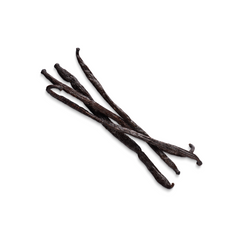
Layer spicy notes with vanilla or tonka bean. Vanillin and coumarin molecules mask sharp, piquant facets of spices, smoothing the overall profile. This technique is exemplified in Tom Ford Tobacco Vanille, where vanilla softens cinnamon and clove for a gourmand effect.
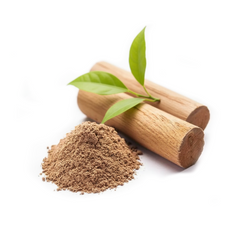
Combine spicy notes with woody bases like sandalwood or oud. Shared sesquiterpenes (e.g., β-caryophyllene) create a molecular bridge, reinforcing both warmth and longevity. Bvlgari Man In Black demonstrates this synergy with spices and leather-woody accords.
Pair spicy notes with citrus top notes (bergamot, grapefruit). Limonene and citral molecules provide olfactory contrast, enhancing the sparkle of pepper and ginger. Viktor&Rolf Spicebomb uses this approach for a vibrant, modern opening.
Cooler temperatures suppress volatility, allowing dense spicy molecules (eugenol, cinnamaldehyde) to linger and create a cozy, enveloping aura. Apply to pulse points and under clothing for sustained warmth. Spicy notes excel in autumn and winter, evoking comfort and depth.
Moderate temperatures highlight the aromatic freshness of cardamom, pink pepper, and ginger. Spicy notes pair well with florals and green accords, creating lively, uplifting compositions. Apply lightly to avoid overpowering delicate spring scents.
High heat increases volatility, causing spicy top notes to project rapidly but dissipate quickly. Opt for EDT or lighter EDP concentrations, focusing on fresh spices like ginger and pink pepper. Apply sparingly to avoid overwhelming in humid conditions.
Layer spicy notes with citrus or woody accords to adapt to any season. Adjust application based on temperature—more in cold, less in heat. Spicy notes’ versatility allows for creative layering and signature scent creation throughout the year.
Strategic application maximizes the evolution and projection of spicy notes, leveraging body heat and skin chemistry.
Pulse points on the neck generate heat, accelerating the evaporation of volatile spicy molecules and enhancing the initial projection of peppery and aromatic notes.
This area maintains warmth and is less exposed to air, allowing spicy heart and base notes to develop gradually and persist throughout the day.
Frequent movement and warmth from the wrists help diffuse spicy notes, providing a dynamic, evolving scent trail as molecules interact with skin.
Applying fragrance to hair fibers allows for slow, sustained release of spicy base notes, as the lower temperature and structure trap heavier molecules like eugenol.
Layer spicy fragrances over unscented moisturizer to enhance longevity and diffusion. The lipid barrier slows evaporation, allowing spicy notes to evolve fully.
These Spicy Notes-based fragrances scored highest on the MEI™ Mood Architecture Framework — measuring how a scent may influence your emotional state.
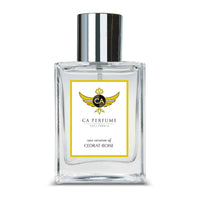
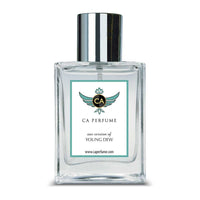
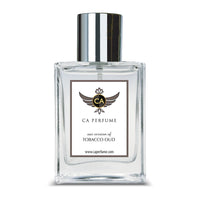

These Spicy Notes-based fragrances have the highest product-level HumanSafe™ scores in this ingredient collection.

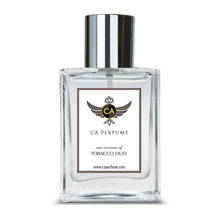
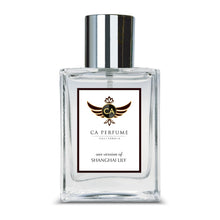
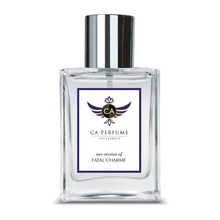
"Spices can be 'hot' (e.g., cinnamon) and bring warmth to a fragrance, but they can also be 'cool' (e.g., cardamom, pink pepper), adding freshness to a blend."
Spicy notes are among the most versatile tools in the perfumer’s palette, capable of bridging sweetness, florals, and woods through precise molecular selection.
Spicy notes pair well with a wide range of complementary ingredients, enhancing both structure and complexity in fragrance compositions.
Answers to common questions about spicy notes in perfumery.
Spicy notes in perfume can range from sharp, peppery, and fresh (as in black pepper or ginger) to warm, sweet, and resinous (as in cinnamon or clove). The scent profile is determined by the specific molecules present—piperine, eugenol, and cinnamaldehyde are key contributors. Spicy notes may evoke sensations of heat, aromatic complexity, or even a medicinal undertone, depending on their concentration and pairing. Examples include the peppery brightness in Viktor&Rolf Spicebomb and the dense, sweet warmth in Yves Saint Laurent Opium.
Spicy notes can appear at any stage of the fragrance pyramid. High-volatility spices like ginger and pink pepper are often used as top notes for immediate impact, while denser molecules such as eugenol (clove) and cinnamaldehyde (cinnamon) function as heart or base notes, providing warmth and longevity. The specific placement depends on molecular weight and volatility.
Niche perfumes value spicy notes for their ability to add complexity, contrast, and structure. Spicy notes can bridge sweet, floral, woody, and gourmand accords, offering both freshness and warmth. Their dynamic evolution on skin and compatibility with a wide range of ingredients make them essential for creating distinctive, memorable compositions.
Spicy notes fragrance uses include pairing with vanilla, sandalwood, rose, jasmine, amber, patchouli, and citrus. These combinations leverage molecular bridges—such as vanillin masking sharp spice, or β-caryophyllene linking spices to woods—to create balanced, multidimensional scents.
Spicy notes can work in summer if lighter, fresher spices like ginger or pink pepper are used, often in EDT concentrations. High heat increases volatility, so spicy top notes project more but fade quickly. For summer, opt for fragrances with citrus-spice blends and apply sparingly.
Longevity depends on the specific spicy molecules and concentration. Dense, low-volatility compounds like eugenol and cinnamaldehyde can last 4–8 hours in EDP or Parfum formats, while lighter spices dissipate within 1–2 hours. Oil-based formats extend the wear of spicy notes.
Yes, spicy notes are highly versatile for layering. They can enhance sweetness (with vanilla), add depth (with woods or leather), or lighten a composition (with citrus). Layering works best when shared or complementary molecules are present, ensuring smooth olfactory transitions.
Beginner-friendly spicy fragrances include Viktor&Rolf Spicebomb (2012), Bvlgari Man In Black (2014), and Diptyque Volutes (2012). These compositions balance spicy notes with accessible florals, woods, or gourmand elements, making them approachable yet distinctive.
Consider your preferred style—fresh and energetic (look for ginger or pink pepper), warm and enveloping (cinnamon, clove), or complex and resinous (saffron, nutmeg). CA Perfume’s collection offers a range of spicy profiles, all HumanSafe™ verified for ingredient transparency.
Spicy notes can be both sweet and spicy, depending on the molecules and pairings. Cinnamon and clove impart sweetness due to cinnamaldehyde and eugenol, while black pepper and ginger provide sharper, drier spice. The overall effect is shaped by concentration and supporting notes.
Discover CA Perfume’s curated selection of spicy fragrances, from classic orientals to modern aromatic blends—each HumanSafe™ verified for quality and transparency.
Shop all spicy notes fragrances at CA Perfume →Spicy notes in perfumery are derived from a diverse range of botanical sources, each contributing distinct olfactory molecules. Black pepper (Piper nigrum) is cultivated primarily in Vietnam (over 35% of global production, ~300,000 metric tons/year), India, Indonesia, and Brazil. Cinnamon is sourced from Cinnamomum verum (Sri Lanka, ~80% of true cinnamon) and Cinnamomum cassia (China, Indonesia). Clove (Syzygium aromaticum) is produced mainly in Indonesia (70–80% of global supply), Madagascar, and Zanzibar. Cardamom (Elettaria cardamomum) is grown in India and Guatemala, with Guatemala now leading global exports. Extraction methods vary by spice. Essential oils are typically obtained via steam distillation (e.g., black pepper, clove, cinnamon bark), with temperatures maintained below 100°C to preserve volatile odorants. Solvent extraction (using hexane or ethanol) is used for delicate materials or to obtain absolutes, as with cardamom and nutmeg. Supercritical CO2 extraction is increasingly favored for black pepper and pink pepper, yielding highly pure extracts with minimal thermal degradation. Yields are highly variable: black pepper yields 1–2% essential oil by weight, clove up to 15%, and cinnamon bark 0.5–1%. The cost of natural spice oils ranges widely, from $50–200/kg (black pepper, cinnamon leaf) to $1,500–3,000/kg (saffron absolute). Synthetic spicy notes are produced via chemical synthesis of key odorants such as eugenol (CAS 97-53-0), cinnamaldehyde (CAS 104-55-2), and piperonal (CAS 120-57-0). These molecules are manufactured globally, with major producers in Europe, China, and the United States. Synthetic forms offer greater consistency and lower cost—eugenol, for example, is available for $20–40/kg, compared to $300–600/kg for natural clove oil. Sustainability considerations include overharvesting (notably with wild cinnamon and nutmeg), agricultural chemical use, and the ecological impact of large-scale monoculture. Synthetic production reduces pressure on wild populations but raises concerns about petrochemical sourcing and environmental footprint.
Spicy notes have shaped the identity of numerous landmark fragrances across history. Yves Saint Laurent Opium (1977, Jean Amic, Jean-Louis Sieuzac) is a classic oriental composition, where clove and cinnamon form the heart and base, paired with myrrh, sandalwood, and mandarin. Kenzo Jungle L’Elephant (1996, Dominique Ropion) is renowned for its bold use of cardamom, clove, and cumin, creating a spicy-gourmand interplay with licorice and mango. Viktor&Rolf Spicebomb (2012, Olivier Polge) modernized the spicy genre with a blend of pink pepper, cinnamon, saffron, and tobacco, achieving both freshness and warmth. Maison Crivelli Safran Secret (2023) demonstrates the niche evolution of spicy notes, with saffron, pink pepper, and incense layered over suede and vanilla. Bvlgari Man In Black (2014, Alberto Morillas) features rum, spices, and leather, with cinnamon and cardamom as central players. Other notable examples include Diptyque Volutes (2012, Fabrice Pellegrin), where tobacco and spicy notes evoke Mediterranean voyages, and Cartier Déclaration (1998, Jean-Claude Ellena), which uses cardamom and pepper as a bridge between citrus and woody accords. Spicy notes are often paired with florals (rose, jasmine), woods (cedar, sandalwood), and gourmand notes (vanilla, tonka bean) to create contrast and complexity. CA Perfume’s collection draws on this lineage, offering both classic and contemporary interpretations of spicy accords.
Natural spicy notes are complex mixtures of volatile compounds, each contributing to the evolving scent profile. For example, clove oil contains eugenol (CAS 97-53-0), β-caryophyllene, and acetyleugenol, while cinnamon bark oil is rich in cinnamaldehyde (CAS 104-55-2) and coumarin. Synthetic spicy notes are typically single molecules or simplified blends, such as synthetic eugenol, cinnamaldehyde, and isoeugenol (CAS 97-54-1). These synthetics offer enhanced stability, batch-to-batch consistency, and reduced allergenic potential through purification. Performance differences are notable: natural spice oils are more nuanced and evolve dynamically on skin, but may oxidize or degrade under light and heat. Synthetics provide greater longevity and diffusion, especially in high-volume commercial perfumery. Cost is a major factor—synthetic cinnamaldehyde is $10–30/kg, while natural cinnamon bark oil exceeds $500/kg. Many contemporary fragrances, such as Viktor&Rolf Spicebomb and Dior Sauvage, rely on synthetic spicy notes for projection and reliability, while niche houses may use natural extracts for complexity. Sustainability and supply chain transparency are increasingly important. Synthetic production can reduce pressure on endangered species (e.g., wild cinnamon, overharvested nutmeg), but may rely on non-renewable feedstocks. The HumanSafe™ platform at CA Perfume ensures full traceability and IFRA compliance, with both natural and synthetic spicy notes screened for purity, allergen content, and environmental impact. Key aroma chemicals in this category include eugenol, cinnamaldehyde, isoeugenol, and piperonal, each with distinct olfactory and regulatory profiles.