Ingredient Guide · Amber Spicy
Amber Spicy Family · Perfumery Note

Spices

From warm cinnamon to cool cardamom, spices define olfactory intrigue.

In perfumery, spices are a diverse group of heart and accent notes, ranging from warm, sweet cinnamon to the cooling freshness of cardamom and pepper. Key molecules like eugenol, cinnamaldehyde, and piperine shape their distinctive aromatic profiles.

Spices
Ingredient Profile

Spices

Amber Spicy Family
Family Amber Spicy
Note Position Heart Note
Usage Level <1% (typical concentration)
Key Origins India, Indonesia, Sri Lanka
Iconic In Opium, Poivre
The Ingredient

What does Spices smell like and why are they vital in perfumery?

Spices in perfumery encompass a broad olfactory spectrum, from the warm, sweet facets of cinnamon (cinnamaldehyde) and clove (eugenol) to the crisp, aromatic bite of black pepper (piperine) and cardamom (alpha-terpinyl acetate). The 'spices scent profile' is defined by aromatic phenols, aldehydes, and terpenes, resulting in notes that can be hot, cool, sweet, dry, or even slightly bitter. Unlike culinary spiciness, which is driven by capsaicin (odorless), the olfactory experience of spices is rooted in volatile molecules that create warmth, friction, and complexity in a fragrance. In perfumery, spices are most often used as heart notes, though some (like ginger or pink pepper) can appear as top notes due to their volatility. Typical concentrations range from trace amounts (0.05–0.5%) for powerful materials like clove oil, up to 2–5% for softer, supporting spice accords. Spices interact with skin chemistry by responding to body heat and pH, which can amplify their projection or soften their sharpness. Their high odor strength means even small amounts can dramatically alter a composition’s character. Notable fragrances that exemplify the role of spices in perfumery include Yves Saint Laurent Opium (1977, Jean Amic and Jean-Louis Sieuzac), where clove and cinnamon form the backbone of an oriental structure, and Maison Margiela By the Fireplace (2015, Marie Salamagne), which uses pink pepper and clove to evoke warmth and smoky sweetness. Spices in perfumery are essential for creating contrast, depth, and a sense of olfactory intrigue.

<1% (typical concentration)
Most spice oils and absolutes are dosed at less than 1% of the total formula due to their high odor strength and potential for sensitization.
5–8 Hours (longevity)
Spice-dominant fragrances typically last 5–8 hours on skin, with heart and base notes persisting longest due to heavier molecular weight.
$50–$800/kg (cost range)
Natural spice oils range from $50/kg (synthetic eugenol) to $800/kg (natural cinnamon bark oil), influencing both formulation and retail pricing.
Origin & Extraction

Where Spices Come From — Origin & Extraction

The aromatic profile of spices is deeply influenced by geography—soil composition, climate, and altitude shape the essential oil content and scent character of each spice.

Spices used in perfumery are derived from a wide range of botanical sources: seeds (cardamom, coriander), bark (cinnamon), buds (clove), roots (ginger), and fruits (pepper). The primary producing countries for perfumery-grade spice oils and extracts include India (cardamom, black pepper, ginger), Indonesia (clove, nutmeg), Sri Lanka (cinnamon), and Madagascar (vanilla, though often grouped with spices in fragrance taxonomy). For example, India supplies over 70% of the world’s cardamom and black pepper essential oils, with annual exports exceeding 20,000 metric tons for black pepper alone. Extraction methods vary by spice and desired product. Steam distillation is standard for essential oils (clove bud, cinnamon bark, cardamom seed, black pepper), typically conducted at 100–120°C for 2–4 hours, yielding 1–3% oil by weight. CO2 extraction is increasingly used for heat-sensitive spices like ginger and pink pepper, preserving delicate top notes and yielding a more complete aromatic profile. Solvent extraction (using hexane or ethanol) produces absolutes, especially for clove and cinnamon, with yields of 2–5%. Synthetic production of key molecules such as eugenol (CAS 97-53-0) and cinnamaldehyde (CAS 104-55-2) ensures supply stability and cost efficiency. Natural spice oils can cost $100–$800/kg depending on the source and purity, while synthetic analogs (e.g., synthetic eugenol, vanillin) range from $20–$100/kg. Sustainability concerns include overharvesting (notably for wild cinnamon and sandalwood), pesticide use, and labor practices. The move toward certified sustainable and traceable spice supply chains is ongoing, with organizations like the Sustainable Spice Initiative (SSI) promoting best practices.

IN

India

Kerala and Karnataka are primary sources for cardamom and black pepper. The region’s laterite soils, tropical rainfall, and shade-grown cultivation yield oils with high eucalyptol and piperine content, prized for their intensity. India supplies over 70% of global cardamom and black pepper exports.

ID

Indonesia

Sumatra and Java produce clove and nutmeg with high eugenol and myristicin concentrations. Volcanic soils and humid equatorial climate result in robust, spicy-sweet profiles. Indonesia accounts for over 70% of global clove oil production.

LK

Sri Lanka

The Kandy and Matale districts are renowned for Ceylon cinnamon, with loamy soils and monsoon climate producing bark high in cinnamaldehyde. Sri Lanka holds a protected GI for Ceylon cinnamon and supplies over 80% of the world’s true cinnamon.

MG

Madagascar

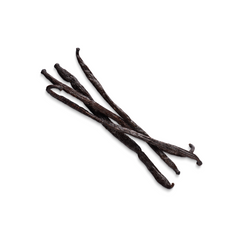
Sava region is a leading source of vanilla (often grouped with spices in perfumery). Alluvial soils and tropical humidity yield vanillin-rich beans. Madagascar supplies over 60% of the world’s vanilla, with strict hand-pollination and curing standards.

Chemistry

Natural vs Synthetic Spices in Perfumery

Natural spice extracts—such as clove oil (rich in eugenol, CAS 97-53-0), cinnamon bark oil (cinnamaldehyde, CAS 104-55-2), and black pepper oil (piperine, CAS 94-62-2)—offer complex, evolving scent profiles but are subject to batch variability, higher cost, and potential allergenicity. Synthetic aroma chemicals, including eugenol, vanillin (CAS 121-33-5), and isoeugenol (CAS 97-54-1), provide consistency, stability, and precise control over olfactory effects. For example, synthetic eugenol is widely used to replicate clove’s spicy warmth without the variability of natural oil. Performance-wise, synthetics often offer greater longevity and diffusion, especially in modern compositions where transparency and projection are desired. Natural spice oils can oxidize or degrade over time, affecting scent quality. Cost differentials are significant: natural cinnamon bark oil can exceed $400/kg, while synthetic cinnamaldehyde is available for under $50/kg. Iconic fragrances like Yves Saint Laurent Opium (1977) and Tom Ford Noir Extreme (2015) use both natural and synthetic spice materials to achieve their signature effects. Sustainability and supply chain transparency are increasingly important. Synthetic molecules reduce pressure on wild spice populations and allow for scalable, traceable production. CA Perfume’s HumanSafe™ platform verifies the origin and safety of both natural and synthetic spice ingredients, ensuring compliance with IFRA standards and ethical sourcing.

Natural
Spices Absolute
Cost $3,000–6,000/kg
Method Solvent / CO₂
Character Complex, variable
vs
Synthetic
Safranal & Analogues
Cost $50–200/kg
Method Lab synthesis
Character Consistent, stable
Hall of Fame

Famous Fragrances That Define Spices in Perfumery

1977
dominant note

Opium

Yves Saint Laurent
by Jean Amic, Jean-Louis Sieuzac
myrrhpatchoulicarnationcitrus
1954
dominant note

Poivre

Caron
by Michel Morsetti
carnationroseclovepepper
2015
bridge note

Noir Extreme

Tom Ford
by Sonia Constant
cardamomnutmegsaffronvanilla
2015
accent

By the Fireplace

Maison Margiela
by Marie Salamagne
pink pepperclovechestnutvanilla
2010
bridge note

Eau Duelle

Diptyque
by Fabrice Pellegrin
peppercardamomvanillacypress

Spices have shaped the identity of countless landmark fragrances, from classic orientals to modern niche compositions. In Yves Saint Laurent Opium (1977, Jean Amic, Jean-Louis Sieuzac), clove and cinnamon form the heart of a rich, ambery oriental, paired with myrrh and patchouli. Caron Poivre (1954, Michel Morsetti) is a benchmark spicy floral, with black and red pepper as dominant notes, contrasted by carnation and rose. Tom Ford Noir Extreme (2015, Sonia Constant) showcases cardamom, nutmeg, and saffron as a spicy bridge between citrus top notes and a vanilla-amber base. Maison Margiela By the Fireplace (2015, Marie Salamagne) uses pink pepper and clove to evoke smoky, roasted warmth, layered with chestnut and vanilla. Diptyque Eau Duelle (2010, Fabrice Pellegrin) demonstrates the interplay of pepper, cardamom, and vanilla, creating a spicy-gourmand effect. These fragrances illustrate the versatility of spices: as dominant notes (Poivre), bridge notes (Noir Extreme), or accents (By the Fireplace). Spices are frequently paired with woods, resins, florals, and gourmand notes, forming the backbone of oriental, woody, and gourmand families. CA Perfume’s collection draws inspiration from this lineage, offering spice-forward compositions that balance tradition and innovation.

The Accord

How is a captivating Spices accord crafted?

A classic spices accord balances warm, sweet, and aromatic facets. Typical proportions: Cinnamon 20–25%, Clove 20–25%, Cardamom 25–30%, Black Pepper 25–30%. Cinnamon (cinnamaldehyde) provides warmth and sweetness; clove (eugenol) adds depth and a medicinal bite; cardamom (alpha-terpinyl acetate) brings freshness and lift; black pepper (piperine) introduces a sharp, dry edge. Together, these molecules create a multidimensional, evolving spicy effect.

25%

Cinnamon

20–25% of blend

Cinnamaldehyde delivers a sweet, woody warmth and acts as a molecular anchor for other spice notes, enhancing longevity and richness.

25%

Clove

20–25% of blend

Eugenol provides a dense, medicinal spiciness and amplifies the complexity of the accord, supporting both floral and woody facets.

30%

Cardamom

25–30% of blend

Alpha-terpinyl acetate imparts a fresh, green, camphoraceous lift, balancing the warmth of cinnamon and clove with aromatic brightness.

30%

Black Pepper

25–30% of blend

Piperine introduces a sharp, dry, and slightly woody edge, increasing the overall vibrancy and projection of the accord.

The Olfactory Layers

How Spices Evolves on Skin

Spices in fragrance evolve from bright, volatile top notes (ginger, pink pepper) to complex, lingering heart notes (cinnamon, clove, cardamom), and finally to deep, resinous base notes (nutmeg, saffron, vanilla). Volatility and molecular weight determine the transition, with lighter terpenes evaporating first and heavier phenols and aldehydes persisting.

I
Top notes
0–15 min
Aromatic Spark

High-volatility compounds like gingerol (ginger) and alpha-pinene (pink pepper) create an immediate, sparkling freshness. These molecules evaporate quickly, providing an initial burst of brightness and aromatic lift before giving way to deeper spice notes.

freshsparklingvolatile
II
Heart notes
20–60 min
Warm Complexity

Medium-weight molecules such as cinnamaldehyde (cinnamon), eugenol (clove), and alpha-terpinyl acetate (cardamom) dominate this stage. They provide warmth, sweetness, and aromatic complexity, forming the core of the spices scent profile.

warmaromaticcomplex
III
Base notes
Several hours
Resinous Depth

Heavier molecules like myristicin (nutmeg), vanillin (vanilla), and saffronal (saffron) persist, lending depth, sweetness, and a subtle, resinous undertone. These compounds act as fixatives, extending the longevity of the spicy accord.

deepsweetresinous
TOP NOTES Aromatic Spark 0–15 minutes HEART NOTES Warm Complexity 20–60 minutes BASE NOTES Resinous Depth Several hours
Through the Ages

The Story of Spices in Perfumery

Spices have been integral to perfumery from ancient incense to modern niche compositions, shaping olfactory culture across millennia.

Antiquity

Spices in Ancient Rituals

Ancient Egyptians, Greeks, and Romans used spices like cinnamon, myrrh, and cardamom in incense, balms, and perfumed oils for religious and ceremonial purposes. Trade routes from India and Arabia supplied these prized materials.

Middle Ages

The Spice Trade and Perfume

Venetian and Arab traders brought spices such as clove, nutmeg, and pepper to Europe, fueling both culinary and perfumery innovation. Spices became symbols of wealth and status, often exceeding gold in value.

1938

Old Spice Original Launch

Shulton Company introduces Old Spice, one of the first mass-market fragrances to feature a prominent spice accord (clove, cinnamon, nutmeg) in a fresh, accessible format. It becomes an enduring classic.

1977

Opium by Yves Saint Laurent

Opium, created by Jean Amic and Jean-Louis Sieuzac, redefines the oriental fragrance family with a bold, spicy heart of clove and cinnamon, setting a template for decades of spice-centric perfumes.

2015

Spices in Modern Niche Perfumery

Maison Margiela By the Fireplace (Marie Salamagne) and Tom Ford Noir Extreme (Sonia Constant) showcase innovative uses of pink pepper, cardamom, and saffron, reflecting a contemporary trend toward transparent, multifaceted spice accords.

The Art of Layering

How to Layer Spices

Understanding how to layer spices is key to creating a balanced, multidimensional fragrance. Molecular compatibility—such as shared aldehydes or phenols—ensures seamless blending and prevents olfactory clashes.

01

Enhance Sweetness

Layer spices with vanilla or tonka bean to amplify sweet, gourmand facets. Vanillin (from vanilla) and coumarin (from tonka) share aromatic aldehyde structures with cinnamaldehyde, creating a smooth, creamy synergy. Diptyque Eau Duelle demonstrates this pairing.

02

Add Depth

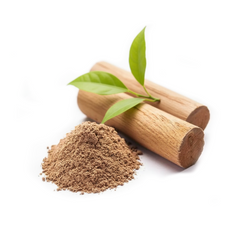
Combine spices with woody notes (sandalwood, cedar) to ground and extend their warmth. Lignin-derived molecules in woods interact with spice phenols, enhancing longevity and complexity. Tom Ford Noir Extreme is a prime example.

03

Lighten the Glow

Pair spices with citrus (bergamot, orange) to introduce freshness and lift. Terpenes in citrus oils mask heavier spice notes, creating a more transparent, wearable effect. Maison Margiela By the Fireplace uses pink pepper and citrus for this purpose.

Wear It Right

How to Wear Spices Like a Pro

Seasonal Guide

Fall & Winter

Cool temperatures suppress the volatility of lighter spice notes, allowing the deeper, sweeter facets (cinnamon, clove, nutmeg) to dominate. Apply to pulse points and under clothing to maximize warmth and longevity. Spicy fragrances excel in cold weather, evoking comfort and richness.

Spring

Moderate temperatures bring out the aromatic freshness of cardamom, ginger, and coriander. Layer spicy scents with florals or citrus for a balanced, uplifting effect. Apply lightly to avoid overwhelming the senses as the weather warms.

Summer

High heat increases the volatility of spice molecules, intensifying projection but shortening longevity. Opt for EDT or lighter EDP concentrations, focusing on fresher spices like pink pepper and ginger. Apply sparingly to avoid olfactory fatigue.

Year-Round Tip

Adjust application and concentration based on climate and personal preference. Layering with woods or citrus can modulate the intensity of spices, making them adaptable to any season. Test on skin to find your ideal seasonal balance.

Application Points

Strategic application enhances the evolution and projection of spicy notes.

1

Neck

Pulse points on the neck generate heat, accelerating the evaporation of volatile spice molecules and maximizing projection, especially for top and heart notes.

2

Behind the Ears

This area maintains warmth and is less exposed to air, allowing spicy notes to evolve gradually and linger longer.

3

Inner Wrists

Frequent movement and warmth enhance the diffusion of aromatic spices, providing a dynamic scent trail throughout the day.

4

Hair

Hair fibers trap and slowly release fragrance, extending the longevity of lighter spice notes like ginger and pink pepper.

Pro Tip

Layer spicy fragrances over unscented moisturizer to slow evaporation and enhance depth. Avoid overapplication, as high spice concentrations can become overwhelming.

Mood Architecture™

Top Spices Fragrances by Mood Score

These Spices-based fragrances scored highest on the MEI™ Mood Architecture Framework — measuring how a scent may influence your emotional state.

Highest MEI Score
Floral Amber Sensual Musk — Rosendo Mateu Alternative Perfume for Women & Men
8.34
MEI™
Primary Romantic
Secondary Confident
Confidence
7.83
Presence
7.87
Mood Lift
8.91
Identity
7.96
Warmth
9.5
Social Ease
8.66
Energy
3.5
" I am beautiful.
View full mood profile →
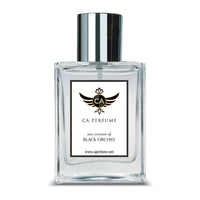
Black Orchid — Tom Ford Black Orchid Alternative Perfume
8.33
MEI™
Primary Romantic
Secondary Confident
Confidence
7.84
Presence
8.66
Mood Lift
8.87
Identity
8.98
Warmth
9.5
Social Ease
7.93
Energy
3.7
" I am beautiful.
View full mood profile →
Obsessional Femme — Obsession Alternative Perfume
7.76
MEI™
Primary Confident
Secondary Magnetic
Confidence
7.96
Presence
8.83
Mood Lift
7.36
Identity
8.49
Warmth
9.5
Social Ease
6.64
Energy
3.1
" I am confident.
View full mood profile →
Interdiction — L'interdit Alternative Perfume
7.75
MEI™
Primary Romantic
Secondary Confident
Confidence
7.43
Presence
7.79
Mood Lift
8.12
Identity
8.04
Warmth
8.68
Social Ease
7.74
Energy
2.9
" I am beautiful.
View full mood profile →
HumanSafe™

Top Spices Fragrances by HumanSafe™ Score

These Spices-based fragrances have the highest product-level HumanSafe™ scores in this ingredient collection.

Highest HumanSafe™ Score
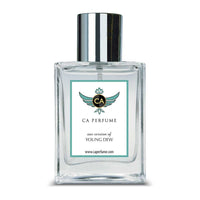
Young Dew — Youth Dew Alternative Perfume
A-
HumanSafe™ Score Generally Safe
Safest Evaluated Ingredients EDP
AQUA Solvent / Carrier ISS 10.0
ACETIC ACID, PHENYLMETHYL ESTER Evaluated ingredient ISS 10.0
HEPTANAL, 2-(PHENYLMETHYLENE)- Evaluated ingredient ISS 9.0
BENZYL SALICYLATE EYE IRRITATION - CAT.2B [H320] Evaluated ingredient ISS 9.0
2H-1-BENZOPYRAN-2-ONE Evaluated ingredient ISS 8.0
LINALYL ACETATE Evaluated ingredient ISS 7.0
View full safety profile →
Vinaigre — Diptyque Vinaigre Alternative Perfume
A-
HumanSafe™ Score Generally Safe
Safest Evaluated Ingredients EDP
AQUA Solvent / Carrier ISS 10.0
ACETIC ACID, PHENYLMETHYL ESTER Evaluated ingredient ISS 10.0
2-OXABICYCLO[2.2.2]OCTANE, 1,3,3-TRIMETHYL- Evaluated ingredient ISS 9.0
CITRAL Evaluated ingredient ISS 8.0
2H-1-BENZOPYRAN-2-ONE Evaluated ingredient ISS 8.0
LINALYL ACETATE Evaluated ingredient ISS 7.0
View full safety profile →
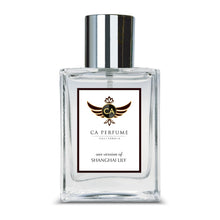
Shanghai Lily — Tom Ford Impression Shanghai Lily Alternative Perfume
A-
HumanSafe™ Score Generally Safe
Safest Evaluated Ingredients EDP
AQUA Solvent / Carrier ISS 10.0
BENZYL SALICYLATE EYE IRRITATION - CAT. 2B [H320] Evaluated ingredient ISS 9.0
4H-INDEN-4-ONE, 1,2,3,5,6,7-HEXAHYDRO-1,1,2,3,3- Evaluated ingredient ISS 9.0
1H-3A,7-METHANOAZULENE, OCTAHYDRO-6-METHOXY-3,6,8,8- Evaluated ingredient ISS 9.0
OCTANAL, 2-(PHENYLMETHYLENE)- Evaluated ingredient ISS 8.0
LINALYL ACETATE Evaluated ingredient ISS 7.0
View full safety profile →
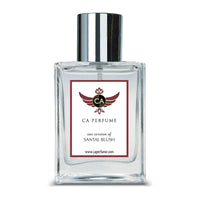
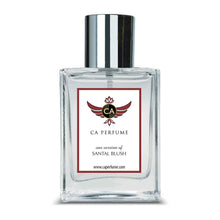
Santal Blush — Tom Ford Santal Blush Alternative Perfume
A-
HumanSafe™ Score Generally Safe
Safest Evaluated Ingredients EDP
AQUA Solvent / Carrier ISS 10.0
BENZYL SALICYLATE Evaluated ingredient ISS 9.0
4H-INDEN-4-ONE, 1,2,3,5,6,7-HEXAHYDRO-1,1,2,3,3- Evaluated ingredient ISS 9.0
3-CYCLOPENTENE-1-ACETALDEHYDE, 2,2,3-TRIMETHYL-, Evaluated ingredient ISS 9.0
3-BUTEN-2-ONE, 3-METHYL-4-(2,6,6-TRIMETHYL-2- Evaluated ingredient ISS 8.0
View full safety profile →
Expert Voices

What Masters Say About Spices

Spices are the friction in a formula—introducing tension, contrast, and aromatic complexity that define the character of a fragrance.
CA Perfume Editorial
Eugenol, the primary odorant of clove, is also used as a dental anesthetic. Its spicy warmth is indispensable in both perfumery and medicine.
CA Perfume Editorial
Common Questions

Frequently Asked Questions

Answers to common questions about spices in perfumery, covering scent, usage, and technical details.

Spices in perfume create a multidimensional scent profile—warm, aromatic, sweet, and sometimes dry or slightly bitter. Key molecules like cinnamaldehyde (cinnamon), eugenol (clove), and piperine (black pepper) shape the olfactory experience, ranging from comforting and cozy to sharp and invigorating. Spices can be dominant or subtle, often paired with woods, resins, or florals to create contrast and depth. Notable examples include Opium by Yves Saint Laurent and By the Fireplace by Maison Margiela.

Most spices function as heart notes due to their moderate volatility and molecular weight. However, some (like ginger and pink pepper) can appear as top notes, providing an initial aromatic lift, while others (nutmeg, clove, cinnamon) persist into the base, anchoring the fragrance. The note position depends on the specific spice and its extraction method.

Spices are favored in niche perfumery for their ability to add complexity, contrast, and olfactory intrigue. Their high odor strength and molecular diversity allow perfumers to create unique, evolving scent profiles that stand out from mainstream compositions. Spices also evoke cultural and historical associations, appealing to consumers seeking depth and authenticity.

Spices fragrance uses include pairing with vanilla, sandalwood, amber, rose, and patchouli. These combinations work due to molecular compatibility—aromatic aldehydes and phenols in spices blend seamlessly with sweet, woody, or floral notes, creating balanced, multidimensional accords. Tom Ford Noir Extreme and Diptyque Eau Duelle are prime examples.

Spices can be worn year-round, but their projection and longevity are amplified in hot weather due to increased volatility. For summer, opt for lighter concentrations (EDT) and fresher spices (ginger, pink pepper, cardamom). Apply sparingly to avoid overwhelming the senses, and consider layering with citrus or aquatic notes for added freshness.

Spice-dominant fragrances typically last 5–8 hours on skin, with heart and base notes (cinnamon, clove, nutmeg) persisting longest due to their heavier molecular structure. Longevity can vary based on concentration, skin chemistry, and environmental factors.

Yes, spices are highly versatile for layering. They blend well with vanilla, woods, florals, and citrus, allowing for customized scent profiles. Molecular compatibility—such as shared aldehydes or phenols—ensures smooth blending. Test combinations on skin to find your preferred balance.

Beginner-friendly spicy fragrances include Diptyque Eau Duelle (vanilla and pepper), Maison Margiela By the Fireplace (pink pepper and clove), and Tom Ford Noir Extreme (cardamom and nutmeg). These scents offer a balanced introduction to the complexity of spices without overwhelming intensity.

Explore CA Perfume’s collection by considering your preferred spice profile—warm and sweet (cinnamon, clove), fresh and aromatic (cardamom, ginger), or deep and resinous (nutmeg, saffron). Sample different concentrations and layering combinations to find your ideal match. Our HumanSafe™ platform ensures ingredient transparency and safety.

Spices can smell both sweet and spicy, depending on the specific materials and their concentration. Cinnamon and vanilla contribute sweetness, while black pepper and clove provide sharp, spicy warmth. The overall effect is shaped by the blend and supporting notes, resulting in a multidimensional, evolving scent.

Amber Spicy Collection

Explore Our Top Spices Fragrances

Discover CA Perfume’s most popular spice-forward scents, each crafted to showcase the warmth, complexity, and versatility of this essential perfumery category.

Shop all spices fragrances at CA Perfume →

Where Spices Come From — Origin & Extraction

Spices used in perfumery are derived from a wide range of botanical sources: seeds (cardamom, coriander), bark (cinnamon), buds (clove), roots (ginger), and fruits (pepper). The primary producing countries for perfumery-grade spice oils and extracts include India (cardamom, black pepper, ginger), Indonesia (clove, nutmeg), Sri Lanka (cinnamon), and Madagascar (vanilla, though often grouped with spices in fragrance taxonomy). For example, India supplies over 70% of the world’s cardamom and black pepper essential oils, with annual exports exceeding 20,000 metric tons for black pepper alone. Extraction methods vary by spice and desired product. Steam distillation is standard for essential oils (clove bud, cinnamon bark, cardamom seed, black pepper), typically conducted at 100–120°C for 2–4 hours, yielding 1–3% oil by weight. CO2 extraction is increasingly used for heat-sensitive spices like ginger and pink pepper, preserving delicate top notes and yielding a more complete aromatic profile. Solvent extraction (using hexane or ethanol) produces absolutes, especially for clove and cinnamon, with yields of 2–5%. Synthetic production of key molecules such as eugenol (CAS 97-53-0) and cinnamaldehyde (CAS 104-55-2) ensures supply stability and cost efficiency. Natural spice oils can cost $100–$800/kg depending on the source and purity, while synthetic analogs (e.g., synthetic eugenol, vanillin) range from $20–$100/kg. Sustainability concerns include overharvesting (notably for wild cinnamon and sandalwood), pesticide use, and labor practices. The move toward certified sustainable and traceable spice supply chains is ongoing, with organizations like the Sustainable Spice Initiative (SSI) promoting best practices.

Famous Fragrances That Define Spices in Perfumery

Spices have shaped the identity of countless landmark fragrances, from classic orientals to modern niche compositions. In Yves Saint Laurent Opium (1977, Jean Amic, Jean-Louis Sieuzac), clove and cinnamon form the heart of a rich, ambery oriental, paired with myrrh and patchouli. Caron Poivre (1954, Michel Morsetti) is a benchmark spicy floral, with black and red pepper as dominant notes, contrasted by carnation and rose. Tom Ford Noir Extreme (2015, Sonia Constant) showcases cardamom, nutmeg, and saffron as a spicy bridge between citrus top notes and a vanilla-amber base. Maison Margiela By the Fireplace (2015, Marie Salamagne) uses pink pepper and clove to evoke smoky, roasted warmth, layered with chestnut and vanilla. Diptyque Eau Duelle (2010, Fabrice Pellegrin) demonstrates the interplay of pepper, cardamom, and vanilla, creating a spicy-gourmand effect. These fragrances illustrate the versatility of spices: as dominant notes (Poivre), bridge notes (Noir Extreme), or accents (By the Fireplace). Spices are frequently paired with woods, resins, florals, and gourmand notes, forming the backbone of oriental, woody, and gourmand families. CA Perfume’s collection draws inspiration from this lineage, offering spice-forward compositions that balance tradition and innovation.

Natural vs Synthetic Spices in Perfumery

Natural spice extracts—such as clove oil (rich in eugenol, CAS 97-53-0), cinnamon bark oil (cinnamaldehyde, CAS 104-55-2), and black pepper oil (piperine, CAS 94-62-2)—offer complex, evolving scent profiles but are subject to batch variability, higher cost, and potential allergenicity. Synthetic aroma chemicals, including eugenol, vanillin (CAS 121-33-5), and isoeugenol (CAS 97-54-1), provide consistency, stability, and precise control over olfactory effects. For example, synthetic eugenol is widely used to replicate clove’s spicy warmth without the variability of natural oil. Performance-wise, synthetics often offer greater longevity and diffusion, especially in modern compositions where transparency and projection are desired. Natural spice oils can oxidize or degrade over time, affecting scent quality. Cost differentials are significant: natural cinnamon bark oil can exceed $400/kg, while synthetic cinnamaldehyde is available for under $50/kg. Iconic fragrances like Yves Saint Laurent Opium (1977) and Tom Ford Noir Extreme (2015) use both natural and synthetic spice materials to achieve their signature effects. Sustainability and supply chain transparency are increasingly important. Synthetic molecules reduce pressure on wild spice populations and allow for scalable, traceable production. CA Perfume’s HumanSafe™ platform verifies the origin and safety of both natural and synthetic spice ingredients, ensuring compliance with IFRA standards and ethical sourcing.