Ingredient Guide · Amber Woody
Amber Woody Family · Perfumery Note

Labdanum

Explore the warm, complex character of labdanum.

Labdanum is a resinous extract from the Cistus shrub, known for its warm, balsamic, and woody characteristics. It serves as a base note in many luxurious compositions.

Labdanum
Ingredient Profile

Labdanum

Amber Woody Family
Family Amber Woody
Note Position Base Note
Usage Level 5-15%
Key Origins Spain, Portugal, Morocco
Iconic In Labdanum 18, Jubilation 25
The Ingredient

What does Labdanum smell like and why is it significant in perfumery?

Labdanum, derived from the Cistus ladanifer shrub, is a rich, resinous extract known for its warm, balsamic, and woody characteristics. Its scent profile is complex, combining earthy nuances with sweet, honeyed undertones. In perfumery, labdanum serves primarily as a base note, contributing depth and richness to fragrances. It is typically used at concentrations of 5-15%, allowing it to enhance the overall complexity of a composition. Labdanum interacts uniquely with skin chemistry, often becoming more pronounced and warm as it melds with the wearer’s natural scent. Notable fragrances that exemplify labdanum's use include Le Labo's Labdanum 18, which highlights its rich, amber-like qualities, and Amouage's Jubilation 25, where it adds depth to an opulent blend of notes.

5-15%
Labdanum is typically used at concentrations of 5-15% in perfumes, allowing it to enhance depth and richness.
8-10 Hours
Fragrances containing labdanum can last several hours, thanks to its resinous qualities that contribute to longevity.
2-3 Sprays
This quantity is ideal to achieve a prominent yet balanced labdanum presence, allowing it to shine without overpowering.
Origin & Extraction

Where Labdanum Comes From — Origin & Extraction

Labdanum's rich, resinous scent is deeply connected to its Mediterranean origins, where the Cistus shrubs thrive in rocky, arid landscapes. The unique climate and soil conditions contribute to its complex aroma.

Labdanum is primarily sourced from the Mediterranean region, particularly from Spain, Portugal, and Morocco. The resin is obtained from the Cistus ladanifer shrub, which thrives in rocky, arid environments. Harvesting labdanum traditionally involved collecting the sticky resin from the fur of goats that grazed on the shrubs. Today, it is more commonly extracted by cutting the branches and boiling them in water, allowing the resin to float to the surface. This method yields a crude labdanum resin, which can then be refined through solvent extraction to produce labdanum absolute. Spain is the leading producer of labdanum, where the unique climatic conditions contribute to its rich character. Portugal also produces labdanum, adding regional nuances to its scent profile. Morocco, while not a primary source, contributes to the market with its own varieties of cistus species, enhancing the complexity of labdanum offerings.

ES

Spain

Spain is the primary source of labdanum, where high-quality resin is harvested using traditional methods. The warm climate and rocky soil contribute to the unique character of Spanish labdanum, making it highly sought after in perfumery.

PT

Portugal

Portugal is known for producing a variety of aromatic plants alongside labdanum, enriching its own perfumery landscape. The regional nuances help diversify the scent profiles, contributing subtle differences in warmth and richness.

MA

Morocco

Morocco is recognized for its cistus species, which sometimes yield labdanum. This adds a layer of exoticism and complexity to the market offerings.

Chemistry

Natural vs Synthetic Labdanum in Perfumery

Labdanum is available in both natural and synthetic forms. The natural labdanum absolute, obtained through solvent extraction, can cost between $3,000 and $6,000 per kilogram, reflecting its labor-intensive harvesting process. In contrast, synthetic alternatives, such as safranal, can be produced at a significantly lower cost of $50 to $200 per kilogram. While synthetic versions can replicate some aspects of labdanum's scent, they often lack the complexity and depth of the natural resin. Natural labdanum is prized for its rich, warm, and resinous qualities, which contribute to the longevity and depth of fragrances. It serves as a natural fixative, helping to stabilize other notes in a composition. Synthetic labdanum, while consistent and stable, may not provide the same olfactory experience as its natural counterpart. Many perfumers prefer to use natural labdanum for its unique character and ability to evoke a sense of authenticity in their creations.

Natural
Labdanum Absolute
Cost $3,000–6,000/kg
Method Solvent / CO₂
Character Complex, variable
vs
Synthetic
Safranal & Analogues
Cost $50–200/kg
Method Lab synthesis
Character Consistent, stable
Hall of Fame

Famous Fragrances That Define Labdanum in Perfumery

2014
dominant note

Labdanum 18

Le Labo
vanillamuskamber
2007
supporting note

Jubilation 25

Amouage
myrrhfruity noteswoody notes
2011
base note

Dior Homme Intense

Dior
irisamberleather
2010
dominant note

Attaquez le Soleil

Etat Libre d'Orange
citrusamberspices
2013
supporting note

Black Saffron

Byredo
saffronberry noteswoody notes

Labdanum is a key ingredient in many renowned fragrances, showcasing its versatility and depth. Here are some notable examples: 1. **Labdanum 18 by Le Labo** (2014) - This fragrance highlights the richness and sensuality of labdanum, blending warm amber accords with notes of vanilla and musk. 2. **Amouage Jubilation 25** (2007) - A complex composition where labdanum adds depth to a luxurious blend of notes, creating an opulent and sophisticated scent. 3. **Dior Homme Intense** (2011) - Labdanum serves as a base note, enhancing the fragrance's warm and woody character. 4. **Etat Libre d'Orange Attaquez le Soleil** (2010) - This fragrance features labdanum prominently, contributing to its rich, resinous profile. 5. **Byredo Black Saffron** (2013) - Labdanum adds a warm, balsamic quality that complements the other notes beautifully.

The Accord

How is a captivating Labdanum accord crafted?

Creating a labdanum accord involves balancing its rich, resinous qualities with complementary notes. A typical formula might include: - Labdanum 30-40%: The core of the accord, providing warmth and depth. - Vanilla 20-30%: Adds sweetness and smoothness, enhancing the resinous character. - Myrrh 20-25%: Introduces a balsamic, earthy quality that complements labdanum. - Amber 10-15%: Rounds out the accord with a warm, enveloping finish.

30-40%

Labdanum

30-40% of blend

Provides a warm, resinous base that enhances the overall complexity.

20-30%

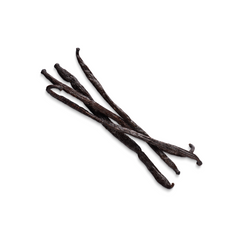
Vanilla

20-30% of blend

Adds sweetness and smoothness, balancing the resinous character.

20-25%

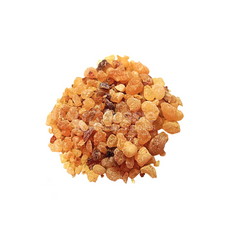
Myrrh

20-25% of blend

Introduces a balsamic, earthy quality that complements labdanum.

10-15%

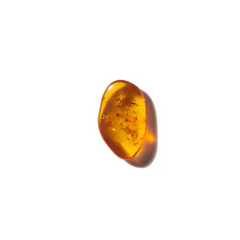
Amber

10-15% of blend

Rounds out the accord with a warm, enveloping finish.

The Olfactory Layers

How Labdanum Evolves on Skin

Labdanum's olfactory evolution unfolds over time, revealing its complex character through distinct phases.

I
Top notes
0–15 min
Warm & Inviting

In the initial moments, labdanum presents a warm, resinous aroma with sweet, honeyed hints. This is due to the high-volatility compounds that evaporate quickly, creating an inviting opening.

WarmResinousSweet
II
Heart notes
20–60 min
Balsamic & Earthy

As the fragrance develops, the heart reveals deeper, balsamic qualities, with earthy undertones becoming more pronounced. This transition is facilitated by the slower evaporation of the resinous components.

BalsamicEarthyComplex
III
Base notes
Several hours
Rich & Leathery

In the drydown, labdanum's rich, leathery characteristics emerge, providing a lasting impression. The resin's fixative properties ensure that it lingers on the skin, enhancing the overall fragrance experience.

LeatheryRichLong-lasting
TOP NOTES Warm & Inviting 0–15 minutes HEART NOTES Balsamic & Earthy 20–60 minutes BASE NOTES Rich & Leathery Several hours
Through the Ages

The Story of Labdanum in Perfumery

Labdanum has a rich history in perfumery, dating back to ancient civilizations where it was revered for its aromatic properties.

Ancient Egypt

Sacred Incense

Labdanum was used in sacred rituals and ceremonies, often burned as incense in temples.

9th Century

Arabian Use

Early Arabians began using labdanum in their perfumery recipes, recognizing its unique scent.

Middle Ages

Fixative in Perfumes

Labdanum became a popular fixative in perfumes, enhancing longevity and depth.

Modern Era

Niche Perfumery

Labdanum has gained popularity in niche perfumery for its complex and rich character.

Present

Sustainable Practices

Today, labdanum is harvested using both traditional and modern methods, ensuring sustainability.

The Art of Layering

How to Layer Labdanum

Labdanum's versatility makes it an excellent candidate for layering. Understanding how to layer it can enhance your fragrance experience.

01

Enhance Warmth

Layering labdanum with vanilla creates a warm, inviting scent. The sweet notes of vanilla complement labdanum's resinous character, making it perfect for cozy evenings.

02

Add Depth

Combining labdanum with myrrh introduces a balsamic richness that enhances the overall complexity. This pairing is ideal for creating opulent, luxurious fragrances.

03

Lighten the Glow

For a refreshing twist, layer labdanum with citrus notes like bergamot. The bright, zesty quality of citrus can balance labdanum's richness, creating a harmonious blend.

Wear It Right

How to Wear Labdanum Like a Pro

Seasonal Guide

Fall & Winter

Labdanum shines in cooler months, where its warmth and richness provide comfort and depth. Ideal for cozy evenings and festive gatherings.

Spring

In spring, labdanum can add a unique depth to floral compositions, enhancing their complexity while maintaining a fresh character.

Summer

While labdanum is more suited for cooler weather, it can be layered with lighter citrus notes for a refreshing summer fragrance.

Year-Round Tip

Labdanum can be effectively layered with various notes, making it a versatile choice for any season.

Application Points

Strategic application enhances labdanum's presence and longevity.

1

Neck

Applying labdanum to the neck allows the warmth of your body to enhance its rich, resinous qualities.

2

Behind the Ears

This pulse point helps to diffuse the scent subtly, creating an intimate aura.

3

Inner Wrists

A classic application area, the inner wrists allow for a quick refresh and easy layering with other scents.

4

Hair

Applying labdanum to hair provides a long-lasting scent that releases gradually throughout the day.

Pro Tip

For a stronger presence, layer labdanum with complementary notes like vanilla or myrrh.

Mood Architecture™

Top Labdanum Fragrances by Mood Score

These Labdanum-based fragrances scored highest on the MEI™ Mood Architecture Framework — measuring how a scent may influence your emotional state.

Highest MEI Score
Soleil Neige — Tom Ford Soleil Neige Alternative Perfume
8.25
MEI™
Primary Romantic
Secondary Confident
Confidence
6.98
Presence
6.95
Mood Lift
9.5
Identity
7.4
Warmth
9.5
Social Ease
9.29
Energy
3.9
" I am beautiful.
View full mood profile →
City Of Lights — Manhattan Alternative Perfume
8.17
MEI™
Primary Romantic
Secondary Confident
Confidence
7.48
Presence
8.12
Mood Lift
8.9
Identity
8.17
Warmth
9.5
Social Ease
7.97
Energy
4.0
" I am beautiful.
View full mood profile →
Vanille Antica — Vanille Antique Alternative Perfume
8.08
MEI™
Primary Romantic
Secondary Confident
Confidence
7.74
Presence
7.93
Mood Lift
8.41
Identity
8.01
Warmth
9.5
Social Ease
8.0
Energy
3.3
" I am beautiful.
View full mood profile →
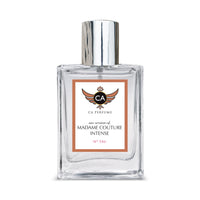
Madame Couture Intense — Coco Mademoiselle Intense Alternative Perfume
8.08
MEI™
Primary Romantic
Secondary Confident
Confidence
7.34
Presence
7.86
Mood Lift
8.77
Identity
8.15
Warmth
9.5
Social Ease
8.09
Energy
3.7
" I am beautiful.
View full mood profile →
HumanSafe™

Top Labdanum Fragrances by HumanSafe™ Score

These Labdanum-based fragrances have the highest product-level HumanSafe™ scores in this ingredient collection.

Highest HumanSafe™ Score
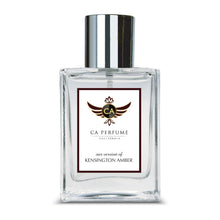
Kensington Amber — Penhaligon's Kensington Amber Alternative Perfume
A
HumanSafe™ Score Very Safe
Safest Evaluated Ingredients EDP
AQUA Solvent / Carrier ISS 10.0
1,4-DIOXACYCLOHEPTADECANE-5,17-DIONE Evaluated ingredient ISS 10.0
2H-1-BENZOPYRAN-2-ONE Evaluated ingredient ISS 8.0
LINALYL ACETATE Evaluated ingredient ISS 7.0
LINALOOL Evaluated ingredient ISS 7.0
ALPHA-CEDRENE Evaluated ingredient ISS 7.0
View full safety profile →
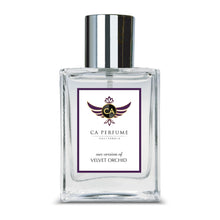
Velvet Orchid — Tom Ford Velvet Orchid Alternative Perfume
A-
HumanSafe™ Score Generally Safe
Safest Evaluated Ingredients EDP
AQUA Solvent / Carrier ISS 10.0
ACETIC ACID, PHENYLMETHYL ESTER Evaluated ingredient ISS 10.0
BENZYL SALICYLATE Evaluated ingredient ISS 9.0
3-CYCLOPENTENE-1-ACETALDEHYDE, 2,2,3-TRIMETHYL-, Evaluated ingredient ISS 9.0
3-BUTEN-2-ONE, 3-METHYL-4-(2,6,6-TRIMETHYL-2- Evaluated ingredient ISS 8.0
View full safety profile →
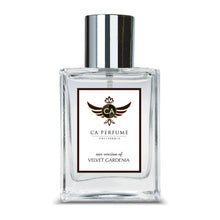
Velvet Gardenia — Tom Ford Velvet Gardenia Alternative Perfume
A-
HumanSafe™ Score Generally Safe
Safest Evaluated Ingredients EDP
AQUA Solvent / Carrier ISS 10.0
ACETIC ACID, PHENYLMETHYL ESTER Evaluated ingredient ISS 10.0
HEXYL SALICYLATE Evaluated ingredient ISS 9.0
BENZYL SALICYLATE Evaluated ingredient ISS 9.0
CITRAL Evaluated ingredient ISS 8.0
View full safety profile →
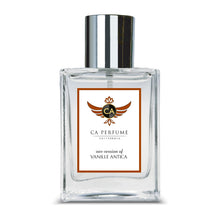
Vanille Antica — Vanille Antique Alternative Perfume
A-
HumanSafe™ Score Generally Safe
Safest Evaluated Ingredients EDP
AQUA Solvent / Carrier ISS 10.0
4H-INDEN-4-ONE, 1,2,3,5,6,7-HEXAHYDRO-1,1,2,3,3- Evaluated ingredient ISS 9.0
AMBREIN Evaluated ingredient ISS 7.0
ALCOHOL DENAT. Solvent / Carrier ISS 7.0
View full safety profile →
Expert Voices

What Masters Say About Labdanum

Labdanum is a very interesting, warm, resinous, enveloping note when well blended in a perfume.
CA Perfume Editorial
Labdanum is often regarded as the backbone of a unique fragrance.
CA Perfume Editorial
Common Questions

Frequently Asked Questions

Frequently asked questions about labdanum.

Labdanum has a warm, resinous, and earthy scent profile, often described as leathery and sweet. It is a key component in many amber accords, providing depth and richness to fragrances.

Labdanum is primarily used as a base note in perfumery, contributing depth and longevity to fragrances.

Labdanum's rich, complex aroma makes it a favorite among niche perfumers, who appreciate its ability to enhance depth and warmth in their compositions.

Labdanum pairs well with vanilla, myrrh, amber, and woody notes, creating harmonious and rich compositions.

While labdanum is more suited for cooler months, it can be layered with lighter citrus notes for a refreshing summer fragrance.

Fragrances containing labdanum can last 8-10 hours, thanks to its resinous qualities that contribute to longevity.

Yes, labdanum can be effectively layered with various notes, enhancing its aromatic profile and creating unique blends.

For beginners, fragrances like Labdanum 18 by Le Labo and Jubilation 25 by Amouage are excellent choices to experience labdanum's rich character.

Consider your personal scent preferences and how you want the fragrance to evolve on your skin. Sampling different compositions can help you find the perfect labdanum fragrance.

Labdanum is primarily sweet and resinous, with warm, balsamic undertones that can evoke a sense of richness and depth.

Amber Woody Collection

Explore Our Top Labdanum Fragrances

Discover the best fragrances featuring labdanum, showcasing its rich and complex character.

Shop all labdanum fragrances at CA Perfume →

Where Labdanum Comes From — Origin & Extraction

Labdanum is primarily sourced from the Mediterranean region, particularly from Spain, Portugal, and Morocco. The resin is obtained from the Cistus ladanifer shrub, which thrives in rocky, arid environments. Harvesting labdanum traditionally involved collecting the sticky resin from the fur of goats that grazed on the shrubs. Today, it is more commonly extracted by cutting the branches and boiling them in water, allowing the resin to float to the surface. This method yields a crude labdanum resin, which can then be refined through solvent extraction to produce labdanum absolute. Spain is the leading producer of labdanum, where the unique climatic conditions contribute to its rich character. Portugal also produces labdanum, adding regional nuances to its scent profile. Morocco, while not a primary source, contributes to the market with its own varieties of cistus species, enhancing the complexity of labdanum offerings.

Famous Fragrances That Define Labdanum in Perfumery

Labdanum is a key ingredient in many renowned fragrances, showcasing its versatility and depth. Here are some notable examples: 1. **Labdanum 18 by Le Labo** (2014) - This fragrance highlights the richness and sensuality of labdanum, blending warm amber accords with notes of vanilla and musk. 2. **Amouage Jubilation 25** (2007) - A complex composition where labdanum adds depth to a luxurious blend of notes, creating an opulent and sophisticated scent. 3. **Dior Homme Intense** (2011) - Labdanum serves as a base note, enhancing the fragrance's warm and woody character. 4. **Etat Libre d'Orange Attaquez le Soleil** (2010) - This fragrance features labdanum prominently, contributing to its rich, resinous profile. 5. **Byredo Black Saffron** (2013) - Labdanum adds a warm, balsamic quality that complements the other notes beautifully.

Natural vs Synthetic Labdanum in Perfumery

Labdanum is available in both natural and synthetic forms. The natural labdanum absolute, obtained through solvent extraction, can cost between $3,000 and $6,000 per kilogram, reflecting its labor-intensive harvesting process. In contrast, synthetic alternatives, such as safranal, can be produced at a significantly lower cost of $50 to $200 per kilogram. While synthetic versions can replicate some aspects of labdanum's scent, they often lack the complexity and depth of the natural resin. Natural labdanum is prized for its rich, warm, and resinous qualities, which contribute to the longevity and depth of fragrances. It serves as a natural fixative, helping to stabilize other notes in a composition. Synthetic labdanum, while consistent and stable, may not provide the same olfactory experience as its natural counterpart. Many perfumers prefer to use natural labdanum for its unique character and ability to evoke a sense of authenticity in their creations.