Where Sorbet Comes From — Origin & Extraction
Sorbet as a perfumery note is not a direct botanical extract but a constructed synthetic accord. Its origin lies in the creative blending of aroma chemicals that mimic the olfactory qualities of frozen fruit desserts. The concept draws inspiration from the culinary sorbet, which has ancient roots in Persia, China, and the Mediterranean, where fruit juices were mixed with snow or ice. In perfumery, the sorbet accord is assembled using key molecules such as ethyl maltol (for sweetness), citral and limonene (for citrus brightness), and lactones (for creamy, fruity nuances). These compounds are synthesized via petrochemical or biotechnological processes, primarily in fragrance laboratories in Europe and North America.
There is no agricultural production or direct extraction for the sorbet note. Instead, manufacturers such as Givaudan, Firmenich, and IFF develop proprietary sorbet accords, often tailored to specific fruit profiles (e.g., lemon, coconut, berry). The cost of producing a sorbet accord is significantly lower than extracting natural fruit essences, with synthetic blends costing $20–100/kg compared to $500–2,000/kg for high-quality natural fruit absolutes. The synthetic approach also ensures batch-to-batch consistency and avoids the instability and short shelf life of natural fruit extracts.
Sustainability considerations favor the synthetic construction of sorbet notes, as it reduces dependence on agricultural resources and minimizes environmental impact. There is no IFRA restriction specific to the sorbet accord, but individual aroma chemicals used in its construction (such as citral or certain lactones) are subject to concentration limits for skin safety. Overall, the sorbet note exemplifies the modern trend in perfumery toward creative, sustainable, and technically precise aroma design.
Famous Fragrances That Define Sorbet in Perfumery
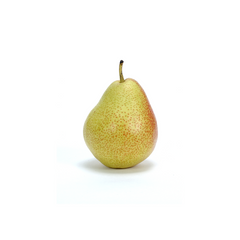
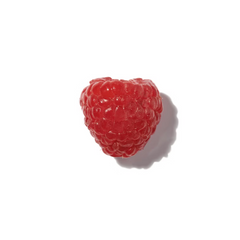
Sorbet notes have become increasingly popular in contemporary perfumery, especially within the gourmand and fruity-floral categories. One of the earliest mainstream uses was in Escada’s Agua del Sol (2016), where a pear sorbet accord forms the heart of the fragrance, paired with raspberry and apricot for a vibrant, summery effect. Mugler’s Angel Eau Croisière (2019) introduced a mango sorbet note, crafted by perfumer Sidonie Lancesseur, which brought a tropical, icy twist to the iconic Angel DNA.
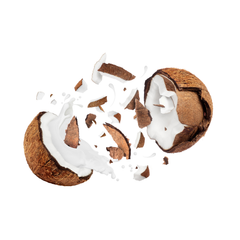
Moschino’s Toy 2 Pearl (2023) features a citrus sorbet accord in the top notes, providing a sparkling, effervescent opening that transitions into floral and musky heart notes. Jousset Parfums’ Fizzy Sorbet (2025), created by Jimmy Bodin, exemplifies the gourmand approach, blending sour lime sorbet with coconut ice cream and peach melba for a playful, dessert-like composition. MOCO Fragrances’ Sorbet Glacé (2025), composed by Morgan Conner, highlights honeydew sorbet and pink guava, layered over bergamot zest and coconut water for a radiant, aquatic-fruity experience.
Other notable examples include Mugler’s Angel Eau Sucrée (2017), which uses a berry sorbet accord to amplify the sweet, playful character of the original, and Arabiyat Sugar’s Lemon Sorbet (2025), where lemon and rum create a frosty, lactonic effect. CA Perfume’s collection draws inspiration from these landmark fragrances, offering sorbet-inspired scents that balance technical precision with playful, modern appeal.
Natural vs Synthetic Sorbet in Perfumery
Sorbet in perfumery is inherently a synthetic construct, as there is no natural essential oil or absolute that captures the olfactory profile of frozen desserts. The accord is built from a combination of aroma chemicals, with key molecules including ethyl maltol (CAS 4940-11-8) for caramelized sweetness, citral (CAS 5392-40-5) for lemony freshness, and gamma-undecalactone (CAS 104-67-6) for creamy, peach-like facets. Other contributors may include linalool (CAS 78-70-6) for floral freshness and ionones for berry nuances.
Synthetic sorbet accords offer superior performance in terms of longevity, diffusion, and stability compared to natural fruit extracts, which are often volatile and prone to oxidation. The cost differential is significant: synthetic sorbet accords are typically $20–100/kg, while natural fruit absolutes (where available) can exceed $1,000/kg. Most commercial sorbet fragrances, such as Escada Agua del Sol and Mugler Angel Eau Croisière, rely on synthetic accords for both economic and technical reasons.
From a sustainability perspective, synthetic sorbet accords reduce pressure on agricultural resources and avoid the environmental impact of large-scale fruit extraction. The HumanSafe™ platform provides transparency regarding the safety and sourcing of all aroma chemicals used in CA Perfume’s sorbet-inspired fragrances. In summary, while natural fruit extracts may be used as accents, the sorbet note in perfumery is a triumph of synthetic aroma design, offering consistency, creative flexibility, and a lower environmental footprint.