Ingredient Guide · Citrus Aromatic
Citrus Aromatic Family · Perfumery Note

Sicilian Orange

A tart-sweet citrus note with Mediterranean vibrancy.

Sicilian Orange is a top note in perfumery, prized for its vibrant, tart-sweet profile and nuanced complexity. Its key aroma molecules, including d-limonene and anthranilate esters, provide a juicy, zesty opening used at 1–5% concentration in citrus and floral compositions.

Sicilian Orange
Ingredient Profile

Sicilian Orange

Citrus Aromatic Family
Family Citrus Aromatic
Note Position Top Note
Usage Level 2–5% in Formula
Key Origins Italy, Spain, United States
Iconic In Afternoon Swim, Erba Pura
The Ingredient

What does Sicilian Orange smell like and why is it prized in perfumery?

Sicilian Orange, derived primarily from Citrus sinensis and its blood orange cultivars, is celebrated in perfumery for its vibrant, juicy, and nuanced scent profile. The dominant aroma molecule is d-limonene, which imparts a bright, zesty citrus character. However, what distinguishes Sicilian Orange from standard sweet orange is the presence of anthranilate esters and trace berry-like aldehydes, which add a tart-sweet, slightly floral and red-fruit nuance. The scent is less sharp than lemon or grapefruit, with a rounder, more complex sweetness and a subtle, tangy bitterness reminiscent of the fruit’s deep red flesh. This complexity is further enhanced by minor components such as decanal, octanal, and sinensal, which contribute to the note’s depth and longevity. In perfumery, Sicilian Orange is classified as a top note due to its high volatility and immediate olfactory impact. It is typically used at concentrations of 1–5% in the formula, depending on the desired brightness and projection. On skin, the note opens with a burst of juicy, sunlit citrus, evolving rapidly as the lighter aldehydes and esters evaporate, leaving behind a faintly sweet, tangy trail. The interaction with skin chemistry—especially pH and moisture—can accentuate either the tart or sweet facets, making the note highly expressive and variable from wearer to wearer. Sicilian Orange in perfumery is often paired with neroli, white musk, and floral notes to amplify its Mediterranean freshness. Notable fragrances that exemplify the use of Sicilian Orange include Louis Vuitton Afternoon Swim (2019, Jacques Cavallier-Belletrud), where it forms the core of a radiant citrus accord, and Tom Ford Taormina Orange (2026, Anne Flipo), which highlights the interplay of Sicilian blood orange with green mandarin, lime, and a musky-woody base. M. Asam Sicilian Orange (2016) demonstrates the note’s compatibility with neroli and white musk, creating a floral-citrus signature. These examples illustrate the versatility and enduring appeal of Sicilian Orange in both niche and designer perfumery.

1–2 Sprays
Due to the high volatility and projection of d-limonene, 1–2 sprays are sufficient for a noticeable citrus effect. Overapplication can overwhelm the top note and mask the nuanced heart.
2–5% in Formula
Sicilian Orange oil is typically used at 2–5% concentration in EDP and EDT formulas, balancing brightness with longevity while minimizing phototoxicity risk.
70–120 USD/kg
Premium blood orange oil from Sicily commands $70–120 per kg, reflecting its limited yield and PGI status. Synthetic substitutes cost $5–15/kg but lack full olfactory complexity.
Origin & Extraction

Where Sicilian Orange Comes From — Origin & Extraction

Sicilian Orange’s aromatic signature is shaped by the volcanic soil, high sunlight, and cool nights of Sicily, which intensify anthocyanin development and aromatic complexity.

Sicilian Orange refers to Citrus sinensis, particularly the blood orange cultivars (such as Tarocco, Moro, and Sanguinello) grown in the Mediterranean, especially Sicily. Sicily accounts for over 60% of Italy’s blood orange production, with the Catania and Siracusa provinces producing approximately 200,000 metric tons annually. The region’s volcanic soil, high diurnal temperature variation, and Mediterranean climate contribute to the fruit’s distinctive anthocyanin-rich pigmentation and nuanced aroma profile. In perfumery, the essential oil is obtained primarily by cold expression (mechanical pressing) of the orange peel, a process that preserves the volatile aroma compounds. The temperature during expression is kept below 30°C to prevent degradation of limonene and delicate esters. The yield from fresh peel is typically 0.3–0.5% by weight. For blood orange, the oil contains higher levels of anthocyanin-derived aldehydes and esters, which impart the characteristic tart-sweet, berry-like nuance. Steam distillation is rarely used for orange oil, as it can result in the loss of top-note freshness and introduce off-notes. Natural Sicilian Orange oil is priced at approximately $35–50/kg for sweet orange and $70–120/kg for blood orange, depending on quality and harvest. Synthetic substitutes (e.g., synthetic d-limonene, methyl anthranilate) are available at $5–15/kg, but lack the full complexity of the natural extract. Sustainability concerns center on monoculture farming and pesticide use; however, several Sicilian producers have adopted organic and integrated pest management practices. The European Union grants Protected Geographical Indication (PGI) status to "Arancia Rossa di Sicilia," ensuring traceability and quality standards for authentic Sicilian blood orange oil.

IT

Italy

Sicily, especially the Catania and Siracusa regions, is renowned for blood orange cultivation. Volcanic soil, high diurnal variation, and PGI status ensure a tart-sweet, berry-nuanced oil. Sicily produces over 60% of Italy’s blood oranges, with annual volumes exceeding 200,000 metric tons.

ES

Spain

Valencia and Andalusia produce sweet and blood oranges with a lighter, more floral aroma. Spanish orange oil is often used for blending, contributing to Europe’s largest overall orange output.

US

United States

California’s Central Valley and Florida yield sweet orange oil with a sweeter, less tart profile. US production focuses on juice and flavoring, with some perfumery-grade oil exported.

BR

Brazil

São Paulo state is the world’s largest orange producer, supplying most global sweet orange oil. Brazilian oil is prized for its high limonene content but lacks the berry nuance of Sicilian types.

Chemistry

Natural vs Synthetic Sicilian Orange in Perfumery

Natural Sicilian Orange oil is composed primarily of d-limonene (CAS 5989-27-5), with supporting roles from myrcene (CAS 123-35-3), octanal (CAS 124-13-0), and sinensal isomers. Synthetic versions typically use d-limonene derived from turpentine or citrus byproducts, and may include methyl anthranilate (CAS 134-20-3) or ethyl butyrate (CAS 105-54-4) to mimic the fruity, berry-like nuance of blood orange. Synthetic orange aroma chemicals offer greater batch-to-batch consistency, higher oxidative stability, and lower cost, but often lack the subtle aldehydic and anthocyanin-derived notes found in natural Sicilian Orange oil. Performance-wise, synthetics can provide enhanced longevity and projection due to the inclusion of fixatives and stabilizers, while natural orange oil is more prone to rapid evaporation and oxidation. Notable fragrances using natural Sicilian Orange include Acqua di Parma Arancia La Spugnatura (2023) and Louis Vuitton Afternoon Swim (2019). Tom Ford Taormina Orange (2026) employs both natural and synthetic orange components for a balanced, long-lasting effect. Sustainability is a key consideration: natural orange oil production can strain local ecosystems if not managed responsibly, while synthetics reduce land use but may rely on petrochemical feedstocks. CA Perfume’s HumanSafe™ platform ensures full ingredient transparency and IFRA compliance, with batch-level documentation for both natural and synthetic orange notes. Key aroma chemicals: d-limonene, methyl anthranilate, octanal.

Natural
Sicilian Orange Absolute
Cost $3,000–6,000/kg
Method Solvent / CO₂
Character Complex, variable
vs
Synthetic
Safranal & Analogues
Cost $50–200/kg
Method Lab synthesis
Character Consistent, stable
Hall of Fame

Famous Fragrances That Define Sicilian Orange in Perfumery

2019
dominant note

Afternoon Swim

Louis Vuitton
by Jacques Cavallier-Belletrud
Calabrian BergamotMandarinWhite Musk
2013
dominant note

Erba Pura

Xerjoff
by Christian Carbonnel, Laura Santander
Calabrian BergamotFruitsMusk
2018
bridge note

Paris–Deauville

Chanel
by Olivier Polge
BasilRosePatchouli
2026
dominant note

Taormina Orange

Tom Ford
by Anne Flipo
Green MandarinLimeOrange BlossomPatchouliOakmoss
2023
dominant note

Arancia La Spugnatura

Acqua di Parma
PetitgrainNeroliWhite Musk

Sicilian Orange has become a signature note in both niche and mainstream perfumery, often serving as the vibrant opening in citrus, floral, and gourmand compositions. Louis Vuitton Afternoon Swim (2019, Jacques Cavallier-Belletrud) showcases Sicilian Orange as the dominant top note, paired with Calabrian bergamot and mandarin for a sunlit, Mediterranean effect. Xerjoff Erba Pura (2013, Christian Carbonnel and Laura Santander) uses Sicilian Orange in conjunction with Calabrian bergamot and musky fruits, creating a luminous, long-lasting citrus accord. Chanel Paris–Deauville (2018, Olivier Polge) employs Sicilian Orange alongside basil and rose, demonstrating its ability to bridge citrus and herbal notes. Tom Ford Taormina Orange (2026, Anne Flipo) features Sicilian blood orange, green mandarin, and lime, layered with orange blossom and a musky-woody base, highlighting the note’s versatility in both fresh and warm contexts. Acqua di Parma Arancia La Spugnatura (2023) is a modern homage to traditional Sicilian orange extraction, blending hand-pressed orange oil with petitgrain and neroli for a nuanced, artisanal citrus experience. CA Perfume’s collection draws inspiration from these landmark compositions, offering Sicilian Orange-centered fragrances that reflect both classic and contemporary citrus artistry.

The Accord

How is a captivating Sicilian Orange accord crafted?

A classic Sicilian Orange accord blends 30–35% Sicilian Orange oil for its juicy, tart-sweet impact; 20–25% Neroli for floral-green lift via linalool and nerolidol; 20–25% White Musk for soft diffusion and fixative effect; and 20–25% Patchouli for earthy depth and molecular anchoring. Each ingredient is selected for molecular compatibility and olfactory synergy.

35%

Sicilian Orange

30–35% of blend

Provides the juicy, tart-sweet citrus core via d-limonene and anthranilate esters, delivering immediate brightness and nuanced complexity.

25%

Neroli

20–25% of blend

Adds floral-green lift through linalool and nerolidol, enhancing the Mediterranean freshness and extending the top note’s radiance.

25%

White Musk

20–25% of blend

Acts as a molecular fixative, softening the citrus edges and providing a clean, diffusive base that prolongs the orange’s projection.

25%

Patchouli

20–25% of blend

Anchors the accord with earthy, woody facets via patchoulol, providing depth and balancing the high volatility of citrus components.

The Olfactory Layers

How Sicilian Orange Evolves on Skin

Sicilian Orange’s olfactory evolution begins with a burst of volatile aldehydes and esters, transitions to floral-green heart notes, and settles into a soft, musky-woody base as heavier molecules remain.

I
Top notes
0–15 min
Juicy Citrus Burst

A vivid opening of d-limonene, octanal, and anthranilate esters delivers a juicy, tart-sweet citrus burst with subtle berry and floral undertones. High-volatility compounds evaporate rapidly, creating immediate brightness.

Juicy CitrusTart-SweetZesty
II
Heart notes
20–60 min
Floral Green Transition

Neroli, linalool, and minor aldehydes emerge, adding floral-green freshness and a gentle transition from citrus to white floral. The heart is shaped by nerolidol and faint berry aldehydes, sustaining vibrancy.

FloralGreenFresh
III
Base notes
Several hours
Soft Musk Drydown

White musk and patchouli anchor the drydown, with muscone and patchoulol providing soft, clean, and earthy facets. The citrus fades, leaving a subtle, sweet-musk trail.

Soft MuskEarthyClean
TOP NOTES Juicy Citrus Burst 0–15 minutes HEART NOTES Floral Green Transition 20–60 minutes BASE NOTES Soft Musk Drydown Several hours
Through the Ages

The Story of Sicilian Orange in Perfumery

Sicilian Orange’s journey in perfumery spans ancient trade, agricultural innovation, and modern fragrance artistry.

9th–10th centuries

Introduction of Oranges to Sicily

Arab traders introduce Citrus sinensis to Sicily, where the unique climate and volcanic soil foster the development of blood orange cultivars, laying the foundation for the region’s citrus legacy.

18th century

Citrus Oils in Early European Perfumery

Cold-pressed orange oil becomes a staple in Italian and French colognes, valued for its uplifting, clean aroma. Sicilian orange oil is exported to major fragrance houses in Grasse.

1996

PGI Status for Arancia Rossa di Sicilia

The European Union grants Protected Geographical Indication to Sicilian blood oranges, codifying quality standards and traceability for perfumery and food applications.

2019

Louis Vuitton Afternoon Swim Launch

Perfumer Jacques Cavallier-Belletrud debuts Afternoon Swim, featuring Sicilian Orange as the radiant top note, setting a new standard for modern citrus compositions.

2026

Tom Ford Taormina Orange Release

Anne Flipo crafts Taormina Orange, blending Sicilian blood orange with green mandarin and a musky-woody base, reflecting the evolving role of citrus in contemporary perfumery.

The Art of Layering

How to Layer Sicilian Orange

Understanding how to layer Sicilian Orange involves molecular compatibility: its d-limonene core pairs best with notes that either amplify its brightness or provide contrast. Here’s how to layer Sicilian Orange for maximum effect.

01

Enhance Sweetness

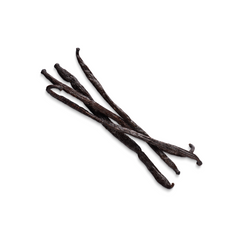
Layer Sicilian Orange with vanilla or tonka bean. Vanillin (from vanilla) and coumarin (from tonka) mask the tart edges of d-limonene, creating a creamy, gourmand citrus effect. This pairing is demonstrated in Xerjoff Erba Pura, where Sicilian Orange and vanilla form a luminous, long-lasting accord.

02

Add Depth

Pair with patchouli or vetiver. Patchoulol and vetiverol provide earthy, woody undertones that anchor the high volatility of Sicilian Orange, resulting in a more complex, persistent scent. Tom Ford Taormina Orange exemplifies this, balancing citrus with patchouli and oakmoss.

03

Brighten Florals

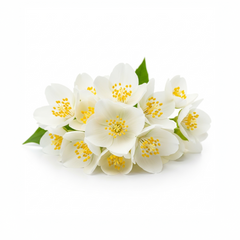
Combine with neroli or jasmine. Linalool and nerolidol in these florals create a seamless molecular bridge to the citrus, enhancing projection and freshness. Chanel Paris–Deauville layers Sicilian Orange with rose and basil for a radiant, green-floral signature.

Wear It Right

How to Wear Sicilian Orange Like a Pro

Seasonal Guide

Fall & Winter

Cooler temperatures suppress the volatility of citrus molecules, resulting in a softer, more subtle projection. Layer Sicilian Orange with warm notes like amber or vanilla to enhance longevity and create a cozy, uplifting effect. Apply to pulse points under clothing for best results.

Spring

Moderate temperatures allow Sicilian Orange’s tart-sweet vibrancy to shine. Pair with green or floral notes for a fresh, optimistic signature. Increased humidity can intensify the juicy facets—apply lightly to avoid overwhelming sillage.

Summer

Heat accelerates evaporation of d-limonene and esters, amplifying projection but shortening duration. Use Sicilian Orange as a refreshing top note, reapplying as needed. Layer with aquatic or white musk notes for a crisp, clean effect in high humidity.

Year-Round Tip

Adjust application based on climate: in dry conditions, use oil-based or Parfum formats for longevity; in humid or hot weather, opt for EDT or EDP for brightness and reapply as needed. Always store citrus fragrances away from light and heat to preserve freshness.

Application Points

Strategic application maximizes Sicilian Orange’s projection and longevity.

1

Neck

Applying to the neck leverages body heat to rapidly diffuse the volatile citrus top notes, creating an immediate, uplifting aura. Ideal for maximum initial impact.

2

Behind the Ears

This area retains warmth and moisture, allowing the tart-sweet facets to linger as the fragrance transitions from citrus to floral-green. Subtle projection for close encounters.

3

Inner Wrists

Pulse points on the wrists enhance volatility, showcasing the evolving Sicilian Orange profile. Avoid rubbing to prevent premature breakdown of delicate aldehydes and esters.

4

Hair

Spraying lightly on hair provides a slow, sustained release of citrus molecules, maintaining freshness throughout the day. Alcohol-based sprays should be used sparingly to avoid dryness.

Pro Tip

Layer Sicilian Orange with a moisturizing, unscented lotion to slow evaporation and extend the tart-sweet top note. This technique is especially effective in dry or cold climates.

Mood Architecture™

Top Sicilian Orange Fragrances by Mood Score

These Sicilian Orange-based fragrances scored highest on the MEI™ Mood Architecture Framework — measuring how a scent may influence your emotional state.

Highest MEI Score
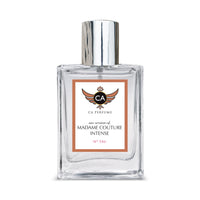
Madame Couture Intense — Coco Mademoiselle Intense Alternative Perfume
8.08
MEI™
Primary Romantic
Secondary Confident
Confidence
7.34
Presence
7.86
Mood Lift
8.77
Identity
8.15
Warmth
9.5
Social Ease
8.09
Energy
3.7
" I am beautiful.
View full mood profile →
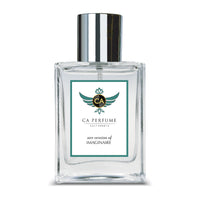
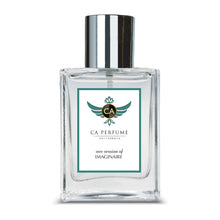
Imaginaire — Louis Vuitton Imagination Alternative Cologne
7.1
MEI™
Primary Fresh
Secondary Energizing
Confidence
6.68
Presence
6.6
Mood Lift
8.12
Identity
6.4
Warmth
6.51
Social Ease
7.62
Energy
5.6
" I am radiant.
View full mood profile →
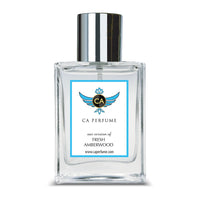
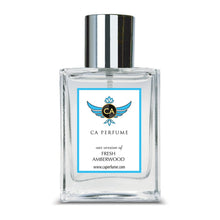
Fresh Amberwood — Bergamot Citrus Perfume
6.04
MEI™
Primary Fresh
Secondary Confident
Confidence
5.62
Presence
5.88
Mood Lift
7.23
Identity
5.5
Warmth
5.58
Social Ease
6.07
Energy
4.1
" I am radiant.
View full mood profile →
HumanSafe™

Top Sicilian Orange Fragrances by HumanSafe™ Score

These Sicilian Orange-based fragrances have the highest product-level HumanSafe™ scores in this ingredient collection.

Highest HumanSafe™ Score
Madame Couture Intense — Coco Mademoiselle Intense Alternative Perfume
A-
HumanSafe™ Score Generally Safe
Safest Evaluated Ingredients EDP
AQUA Solvent / Carrier ISS 10.0
ACETIC ACID, PHENYLMETHYL ESTER Evaluated ingredient ISS 10.0
3-BUTEN-2-ONE, 4-(2,6,6-TRIMETHYL-1-CYCLOHEXEN-1-YL)- Evaluated ingredient ISS 10.0
1,4-DIOXACYCLOHEPTADECANE-5,17-DIONE Evaluated ingredient ISS 10.0
BENZYL SALICYLATE EYE IRRITATION - CAT. 2B [H320] Evaluated ingredient ISS 9.0
7-OCTEN-2-OL, 2,6-DIMETHYL- Evaluated ingredient ISS 9.0
View full safety profile →
Imaginaire — Louis Vuitton Imagination Alternative Cologne
A-
HumanSafe™ Score Generally Safe
Safest Evaluated Ingredients EDP
AQUA Solvent / Carrier ISS 10.0
1,4-DIOXACYCLOHEPTADECANE-5,17-DIONE Evaluated ingredient ISS 10.0
2,6-OCTADIEN-1-OL, 3,7-DIMETHYL-, ACETATE, (Z)- Evaluated ingredient ISS 9.0
AMBERKETAL Evaluated ingredient ISS 8.0
2H-1-BENZOPYRAN-6-OL, 3,4-DIHYDRO-2,5,7,8- Evaluated ingredient ISS 8.0
2H-1-BENZOPYRAN-2-ONE Evaluated ingredient ISS 8.0
View full safety profile →
Fresh Amberwood — Bergamot Citrus Perfume
A-
HumanSafe™ Score Generally Safe
Safest Evaluated Ingredients EDP
AQUA Solvent / Carrier ISS 10.0
1,4-DIOXACYCLOHEPTADECANE-5,17-DIONE Evaluated ingredient ISS 10.0
LINALYL ACETATE Evaluated ingredient ISS 7.0
LINALOOL Evaluated ingredient ISS 7.0
BETA-PINENE Evaluated ingredient ISS 7.0
ALCOHOL DENAT. Solvent / Carrier ISS 7.0
View full safety profile →
Expert Voices

What Masters Say About Sicilian Orange

"Perfumer Anne Flipo describes the fragrance as a blend of iconic citrus notes and an elegant musky signature that evokes sun-warmed skin after a day in the Mediterranean. Inspired by Sicilian orange groves, she highlights the contrast between fresh brightness and warm woods, with juicy blood orange bringing a radiant, tempting, and invigorating character."
Anne Flipo, Perfumer (Tom Ford Taormina Orange, 2026)
Sicilian Orange’s scent profile is defined by d-limonene and anthranilate esters, delivering a tart-sweet, nuanced citrus signature that adapts dynamically to skin chemistry and composition context.
CA Perfume Editorial
Common Questions

Frequently Asked Questions

Comprehensive answers to common questions about Sicilian Orange in perfumery.

Sicilian Orange in perfume smells vibrant, tart-sweet, and nuanced, with a juicy citrus core and subtle berry and floral undertones. The scent is shaped by d-limonene and anthranilate esters, which provide a rounder, more complex profile than standard sweet orange. It opens with a burst of zesty freshness, transitions to a softer, floral-green heart, and settles into a clean, musky base. Notable fragrances like Louis Vuitton Afternoon Swim and Tom Ford Taormina Orange exemplify this signature.

Sicilian Orange is classified as a top note in perfumery, due to its high volatility and immediate olfactory impact. It is typically used at 1–5% concentration to provide a bright, uplifting opening. As the lighter aldehydes and esters evaporate, the scent transitions to floral and musky heart and base notes.

Sicilian Orange is favored in niche perfumery for its complex, tart-sweet profile and ability to evoke Mediterranean landscapes. Its nuanced aroma, shaped by anthocyanin-derived aldehydes and esters, offers more depth than standard citrus notes. Niche perfumers use it to create vibrant, expressive openings and to bridge citrus, floral, and gourmand accords.

Sicilian Orange fragrance uses include pairing with neroli, white musk, patchouli, vanilla, and jasmine. These notes provide molecular bridges (e.g., linalool, nerolidol) or contrast (e.g., patchoulol, vanillin), enhancing longevity and complexity. Classic pairings are found in Chanel Paris–Deauville and Xerjoff Erba Pura.

Yes, Sicilian Orange is ideal for summer and hot weather due to its high volatility and refreshing, uplifting character. Heat amplifies its projection but may shorten longevity, so reapplication or layering with fixatives is recommended. Its tart-sweet profile remains crisp and invigorating even in high humidity.

Sicilian Orange fragrances typically last 3–5 hours as a top note, with the citrus burst fading after 30–60 minutes and the heart and base notes lingering longer. Longevity can be extended by layering with musks or applying to moisturized skin.

Yes, Sicilian Orange is highly versatile for layering. It can be combined with vanilla for sweetness, patchouli for depth, or neroli for brightness. Molecular compatibility (e.g., shared esters and aldehydes) ensures seamless blending. Test combinations on paper or skin to find your preferred balance.

Recommended entry points include Louis Vuitton Afternoon Swim (2019), Acqua di Parma Arancia La Spugnatura (2023), and M. Asam Sicilian Orange (2016). These fragrances highlight Sicilian Orange’s vibrant, accessible character and are well-balanced for daily wear.

At CA Perfume, explore the Sicilian Orange collection by considering your preferred style: pure citrus, citrus-floral, or citrus-gourmand. Use the scent profile and layering tips provided to match your taste and seasonal needs. The HumanSafe™ platform ensures ingredient transparency and IFRA compliance.

Sicilian Orange balances both tart and sweet facets. The initial impression is tart and zesty due to d-limonene and aldehydes, while anthranilate esters and berry-like aldehydes add a rounded, sweet nuance. The final effect depends on concentration, pairing notes, and skin chemistry.

Citrus Aromatic Collection

Explore Our Top Sicilian Orange Fragrances

Discover CA Perfume’s curated selection of Sicilian Orange-centered fragrances, inspired by Mediterranean classics and modern citrus artistry.

Shop all Sicilian Orange fragrances at CA Perfume →

Where Sicilian Orange Comes From — Origin & Extraction

Sicilian Orange refers to Citrus sinensis, particularly the blood orange cultivars (such as Tarocco, Moro, and Sanguinello) grown in the Mediterranean, especially Sicily. Sicily accounts for over 60% of Italy’s blood orange production, with the Catania and Siracusa provinces producing approximately 200,000 metric tons annually. The region’s volcanic soil, high diurnal temperature variation, and Mediterranean climate contribute to the fruit’s distinctive anthocyanin-rich pigmentation and nuanced aroma profile. In perfumery, the essential oil is obtained primarily by cold expression (mechanical pressing) of the orange peel, a process that preserves the volatile aroma compounds. The temperature during expression is kept below 30°C to prevent degradation of limonene and delicate esters. The yield from fresh peel is typically 0.3–0.5% by weight. For blood orange, the oil contains higher levels of anthocyanin-derived aldehydes and esters, which impart the characteristic tart-sweet, berry-like nuance. Steam distillation is rarely used for orange oil, as it can result in the loss of top-note freshness and introduce off-notes. Natural Sicilian Orange oil is priced at approximately $35–50/kg for sweet orange and $70–120/kg for blood orange, depending on quality and harvest. Synthetic substitutes (e.g., synthetic d-limonene, methyl anthranilate) are available at $5–15/kg, but lack the full complexity of the natural extract. Sustainability concerns center on monoculture farming and pesticide use; however, several Sicilian producers have adopted organic and integrated pest management practices. The European Union grants Protected Geographical Indication (PGI) status to "Arancia Rossa di Sicilia," ensuring traceability and quality standards for authentic Sicilian blood orange oil.

Famous Fragrances That Define Sicilian Orange in Perfumery

Sicilian Orange has become a signature note in both niche and mainstream perfumery, often serving as the vibrant opening in citrus, floral, and gourmand compositions. Louis Vuitton Afternoon Swim (2019, Jacques Cavallier-Belletrud) showcases Sicilian Orange as the dominant top note, paired with Calabrian bergamot and mandarin for a sunlit, Mediterranean effect. Xerjoff Erba Pura (2013, Christian Carbonnel and Laura Santander) uses Sicilian Orange in conjunction with Calabrian bergamot and musky fruits, creating a luminous, long-lasting citrus accord. Chanel Paris–Deauville (2018, Olivier Polge) employs Sicilian Orange alongside basil and rose, demonstrating its ability to bridge citrus and herbal notes. Tom Ford Taormina Orange (2026, Anne Flipo) features Sicilian blood orange, green mandarin, and lime, layered with orange blossom and a musky-woody base, highlighting the note’s versatility in both fresh and warm contexts. Acqua di Parma Arancia La Spugnatura (2023) is a modern homage to traditional Sicilian orange extraction, blending hand-pressed orange oil with petitgrain and neroli for a nuanced, artisanal citrus experience. CA Perfume’s collection draws inspiration from these landmark compositions, offering Sicilian Orange-centered fragrances that reflect both classic and contemporary citrus artistry.

Natural vs Synthetic Sicilian Orange in Perfumery

Natural Sicilian Orange oil is composed primarily of d-limonene (CAS 5989-27-5), with supporting roles from myrcene (CAS 123-35-3), octanal (CAS 124-13-0), and sinensal isomers. Synthetic versions typically use d-limonene derived from turpentine or citrus byproducts, and may include methyl anthranilate (CAS 134-20-3) or ethyl butyrate (CAS 105-54-4) to mimic the fruity, berry-like nuance of blood orange. Synthetic orange aroma chemicals offer greater batch-to-batch consistency, higher oxidative stability, and lower cost, but often lack the subtle aldehydic and anthocyanin-derived notes found in natural Sicilian Orange oil. Performance-wise, synthetics can provide enhanced longevity and projection due to the inclusion of fixatives and stabilizers, while natural orange oil is more prone to rapid evaporation and oxidation. Notable fragrances using natural Sicilian Orange include Acqua di Parma Arancia La Spugnatura (2023) and Louis Vuitton Afternoon Swim (2019). Tom Ford Taormina Orange (2026) employs both natural and synthetic orange components for a balanced, long-lasting effect. Sustainability is a key consideration: natural orange oil production can strain local ecosystems if not managed responsibly, while synthetics reduce land use but may rely on petrochemical feedstocks. CA Perfume’s HumanSafe™ platform ensures full ingredient transparency and IFRA compliance, with batch-level documentation for both natural and synthetic orange notes. Key aroma chemicals: d-limonene, methyl anthranilate, octanal.