Ingredient Guide · Amber
Amber Family · Perfumery Note

Benzoin

A balsamic resin with sweet, vanilla-soft warmth

Benzoin is a resinous base note extracted from Styrax trees, prized for its warm, sweet, and balsamic character. It contains key molecules like vanillin and benzoic acid, used typically at 1-5% concentration in perfumery.

Benzoin
Ingredient Profile

Benzoin

Amber Family
Family Amber
Note Position Base Note
Usage Level 1–5%
Key Origins Laos, Thailand, Indonesia (Sumatra)
Iconic In Spiritueuse Double Vanille, Paradigme
The Ingredient

What does Benzoin smell like and why is it significant in perfumery?

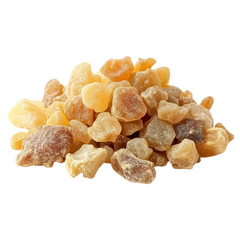
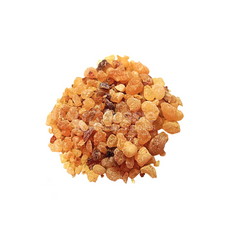
Benzoin is a balsamic resin derived primarily from Styrax tonkinensis and Styrax benzoin trees native to Southeast Asia. Its scent profile is characterized by a warm, sweet, and resinous aroma with prominent vanilla-like facets due to vanillin and benzoic acid esters. This creates a soft, powdery, caramel-amber sweetness with subtle spicy and balsamic undertones. In perfumery, benzoin functions predominantly as a base note and natural fixative. It is typically used at concentrations ranging from 1% to 5% in fragrance formulations to extend longevity and add depth. Its molecular structure allows it to bind volatile components, slowing their evaporation and enhancing the overall scent stability. Benzoin interacts dynamically with skin chemistry, often evolving to reveal warmer, softer nuances over time. Notable fragrances featuring benzoin include Guerlain's Spiritueuse Double Vanille (2007), where it provides a creamy vanilla warmth, and Prada's Paradigme (2025), which uses benzoin to impart a smooth balsamic sweetness. These examples illustrate benzoin's versatility across oriental, amber, and gourmand fragrance families.

1–5%
Typical concentration range of benzoin in fragrance formulations to balance olfactive impact and safety.
50 tons
Approximate annual benzoin resin production from Laos, a major global supplier.
98%
Solvent extraction yield of benzoin essential oil from raw resin, preserving key aromatic compounds.
Origin & Extraction

Where Benzoin Comes From — Origin & Extraction

Benzoin’s scent character is influenced by its geographic origin, with soil composition, altitude, and climate affecting resin quality. Southeast Asian regions produce distinct varieties with unique olfactive nuances.

Benzoin resin is harvested from trees of the genus Styrax, primarily Styrax tonkinensis and Styrax benzoin, native to Southeast Asia, including Laos, Thailand, Vietnam, Indonesia, and Sumatra. Laos produces approximately 50 metric tons annually, mainly from the Phongsaly province, accounting for a significant share of global supply. The resin is collected by making incisions in the bark, causing the tree to exude a sticky sap that hardens into resin tears. These are scraped off and sun-dried. Extraction for perfumery typically involves solvent extraction using ethanol or hexane, yielding benzoin resinoid or absolute with extraction rates around 98%. The essential oil contains key compounds such as benzoic acid (approx. 60%), vanillin (approx. 8%), and benzyl benzoate (approx. 3.5%). Natural benzoin resin prices vary widely depending on grade and origin, with Siam benzoin commanding higher prices due to its richer vanillin content. Synthetic benzoin derivatives, primarily vanillin (CAS 121-33-5), offer cost-effective alternatives, priced at $10-50/kg compared to $3000-6000/kg for high-grade natural resin. Sustainability concerns include deforestation and overharvesting; however, many producers now implement controlled tapping and reforestation programs to ensure long-term supply.

LA

Laos

Phongsaly province in northern Laos is a primary source of benzoin, producing about 50 tons annually. The mountainous terrain and virgin forests contribute to high-quality resin with a balanced vanilla and caramel note. Two-thirds of Laos benzoin is exported to Europe, often under strict quality standards.

TH

Thailand

Thailand produces Siam benzoin from Styrax tonkinensis trees, noted for its higher vanillin content and sweeter, creamier aroma. The resin tends to crumble easily, and harvesting begins when trees reach about 8 years old. Siam benzoin commands premium prices due to its olfactive richness.

ID

Indonesia (Sumatra)

Sumatran benzoin, derived from Styrax benzoin trees, is earthier and more resinous with slight smoky facets. Harvesting starts when trees are around 25 years old. The region offers multiple grades, with the highest being a white or cream crumbly mass with strong fragrance.

Chemistry

Natural vs Synthetic Benzoin in Perfumery

Natural benzoin resin is a complex mixture of aromatic compounds including benzoic and cinnamic acids, vanillin, and various resin alcohols, providing a multifaceted warm, sweet, and balsamic scent with subtle spicy and powdery nuances. Synthetic benzoin aroma chemicals primarily include vanillin (CAS 121-33-5), ethyl vanillin (CAS 121-32-4), and benzyl benzoate (CAS 120-51-4), which replicate the vanilla and balsamic facets with greater consistency and lower cost. In terms of performance, natural benzoin offers a richer, more complex olfactive profile and acts as a natural fixative enhancing longevity and diffusion. Synthetic molecules provide stability, batch-to-batch consistency, and reduced allergenic potential but may lack the depth of natural resin. Famous fragrances like Guerlain's Spiritueuse Double Vanille use natural benzoin for its nuanced warmth, while synthetics are common in mass-market formulations for cost and stability reasons. Sustainability and supply chain transparency are critical; the HumanSafe™ platform verifies natural benzoin sources for ethical harvesting. CA Perfume prioritizes transparency and quality by sourcing both natural and synthetic benzoin with full traceability.

Natural
Benzoin Absolute
Cost $3,000–6,000/kg
Method Solvent / CO₂
Character Complex, variable
vs
Synthetic
Safranal & Analogues
Cost $50–200/kg
Method Lab synthesis
Character Consistent, stable
Hall of Fame

Famous Fragrances That Define Benzoin in Perfumery

2007
dominant base note

Spiritueuse Double Vanille

Guerlain
by Thierry Wasser, Delphine Jelk
vanillaamberspices
2025
base note

Paradigme

Prada
by Marie Salamagne, Bruno Jovanovic, Nicolas Bonneville
bergamotgeraniummusk
1998
supporting base note

Pi

Givenchy
by Dominique Ropion
ambervanillawood
2000
heart note

Ambre Sultan

Serge Lutens
by Christopher Sheldrake
labdanumspicesamber
base note

Agarwood & Benzoin

Butterfly Thai Perfume
agarwoodfrankincensecivet

Benzoin has been a cornerstone in perfumery since the 19th century, integral to the classic amber accord. Guerlain’s Spiritueuse Double Vanille (2007), crafted by Thierry Wasser and Delphine Jelk, uses benzoin as a dominant base note to create a creamy, warm vanilla-rich gourmand. Prada’s Paradigme (2025), by Marie Salamagne, Bruno Jovanovic, and Nicolas Bonneville, features benzoin as a smooth balsamic base, blending with bergamot and geranium for a contemporary oriental fougère. Givenchy Pi (1998) and Pi Extreme (2017) employ benzoin as a supporting note to deepen their amber-vanilla bases. Serge Lutens’ Ambre Sultan (2000) uses benzoin to enrich its resinous amber heart, paired with labdanum and spices. Butterfly Thai Perfume’s Agarwood & Benzoin (2020s) highlights benzoin in a floral-woody composition, blending it with agarwood and frankincense for a rich, resinous drydown. These fragrances demonstrate benzoin’s versatility across amber, oriental, gourmand, and woody families. CA Perfume’s collection reflects this lineage by offering fragrances that showcase benzoin’s warm, balsamic character in both traditional and modern contexts.

The Accord

How is a captivating Benzoin accord crafted?

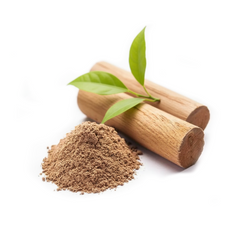
A balanced benzoin accord typically comprises Benzoin (25-30%) for its warm, vanilla-soft balsamic sweetness that anchors the blend. Vanilla (20-25%) complements benzoin by enhancing creamy, gourmand facets through vanillin molecules. Sandalwood (25-30%) adds creamy, woody depth via santalol compounds that harmonize with benzoin’s resinous character. Amber (20-25%) provides a rich, warm, and slightly powdery base, often constructed from labdanum and other resins, creating a complex, long-lasting foundation. This blend totals approximately 90-100%, each ingredient chosen for molecular synergy and olfactive harmony.

30%

Benzoin

25–30% of blend

Provides warm, balsamic vanilla-like sweetness and acts as a natural fixative, slowing evaporation of volatile notes.

25%

Vanilla

20–25% of blend

Enhances creamy gourmand facets through vanillin, softening benzoin’s resinous edge via olfactory masking.

30%

Sandalwood

25–30% of blend

Adds creamy, woody depth with santalol compounds that complement benzoin’s warm resinous character.

25%

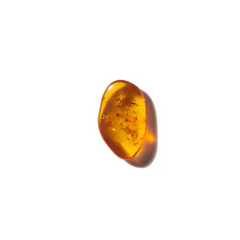
Amber

20–25% of blend

Provides rich, warm, and powdery resinous base notes, enhancing longevity and complexity.

The Olfactory Layers

How Benzoin Evolves on Skin

Benzoin’s olfactory evolution begins with its initial warm, sweet balsamic impression, sustained by low-volatility vanillin and benzoic acid esters. Over 20-60 minutes, spicy and powdery nuances emerge, while base notes provide a long-lasting creamy warmth that can persist for hours due to benzoin's fixative properties.

I
Top notes
0–15 min
Warm Vanilla Sweetness

Initial scent is warm, sweet, and balsamic with a soft vanilla-like sweetness primarily from vanillin and benzoic acid esters. These moderately volatile compounds evaporate slowly, creating a smooth opening without sharpness.

WarmSweetBalsamic
II
Heart notes
20–60 min
Spicy and Powdery Nuances

The heart reveals mild spicy and powdery facets, including subtle cinnamon-like notes from cinnamic acid derivatives. These compounds add complexity and soften the initial sweetness, blending seamlessly with floral or woody heart notes.

SpicyPowderyCreamy
III
Base notes
Several hours
Resinous Warmth and Fixation

The base is dominated by long-lasting resinous warmth and creamy vanilla softness. Benzoin acts as a natural fixative, binding volatile molecules and extending the fragrance’s longevity with a smooth, enveloping drydown.

ResinousVanillaLong-lasting
TOP NOTES Warm Vanilla Sweetness 0–15 minutes HEART NOTES Spicy and Powdery Nuances 20–60 minutes BASE NOTES Resinous Warmth and Fixation Several hours
Through the Ages

The Story of Benzoin in Perfumery

Benzoin’s history spans millennia, from ancient incense use in China to its foundational role in modern amber accords. Key milestones highlight its evolving significance in perfumery and culture.

7th century BCE

Early Use in China

Benzoin, known as An-si-xiang, was used in China for incense and medicinal purposes, traded via the Parthian Empire. Chinese texts praised its fragrance and therapeutic benefits, particularly for respiratory ailments.

1853

Scientific Discovery

Garcia de Orta scientifically documented benzoin resin, enhancing Western understanding and facilitating its incorporation into perfumery and medicine.

19th century

Amber Accord Emergence

Benzoin became a key component in the classic amber accord, used by French houses like Guerlain, Houbigant, and Lubin to create warm, sweet bases defining the era’s perfumes.

1874

Synthetic Vanillin Developed

The invention of synthetic vanillin provided an alternative to natural benzoin’s vanilla facets, influencing perfumery formulations while natural resin remained valued for complexity.

2007

Spiritueuse Double Vanille Launch

Guerlain’s fragrance prominently featured benzoin, showcasing its role in modern gourmand compositions with creamy, warm vanilla richness.

The Art of Layering

How to Layer Benzoin

Understanding how to layer benzoin involves recognizing molecular compatibilities and olfactory masking effects to enhance or balance its warm, resinous character.

01

Enhance Sweetness

Layer benzoin with vanilla to amplify creamy, gourmand facets. Vanillin molecules in both create a seamless olfactory bridge, softening benzoin’s resinous edge. Guerlain’s Spiritueuse Double Vanille exemplifies this pairing.

02

Add Depth

Combine benzoin with woody notes like sandalwood or agarwood. Santalol and benzoin’s resin alcohols synergize to deepen warmth and longevity, as seen in Butterfly Thai Perfume’s Agarwood & Benzoin.

03

Lighten the Glow

Pair benzoin with fresh citrus such as bergamot. The high volatility of limonene contrasts benzoin’s heaviness, creating a balanced scent with bright top notes and a warm base, demonstrated in Prada’s Paradigme.

Wear It Right

How to Wear Benzoin Like a Pro

Seasonal Guide

Fall & Winter

Cooler temperatures slow benzoin’s evaporation, enhancing its warm, comforting balsamic notes. Apply more liberally for richer sillage and lasting warmth.

Spring

Moderate temperatures allow benzoin’s vanilla and spicy nuances to bloom softly. Layer with fresh florals or citrus for balanced freshness.

Summer

Heat increases volatility, which can intensify benzoin’s sweetness but may reduce longevity. Use sparingly or blend with lighter notes to avoid heaviness.

Year-Round Tip

Layer benzoin with woody or citrus notes to modulate warmth and enhance complexity regardless of season.

Application Points

Strategic application of benzoin enhances its warm, balsamic presence and longevity.

1

Neck

Pulse points like the neck provide warmth that activates benzoin’s resinous and vanilla facets, enhancing projection.

2

Behind the Ears

This area’s subtle heat helps benzoin evolve gently, creating an intimate scent trail.

3

Inner Wrists

Applying benzoin here allows for easy scent diffusion and personal enjoyment throughout the day.

4

Hair

Hair holds benzoin’s resinous aroma well, releasing it slowly with movement for a lingering effect.

Pro Tip

Layer benzoin-based fragrances with complementary notes on clothing for extended longevity without overwhelming the skin.

Mood Architecture™

Top Benzoin Fragrances by Mood Score

These Benzoin-based fragrances scored highest on the MEI™ Mood Architecture Framework — measuring how a scent may influence your emotional state.

Highest MEI Score
Cacao Noir — Coco Noir Alternative Perfume
8.54
MEI™
Primary Romantic
Secondary Confident
Confidence
8.35
Presence
9.29
Mood Lift
8.75
Identity
9.26
Warmth
9.5
Social Ease
8.03
Energy
3.7
" I am beautiful.
View full mood profile →
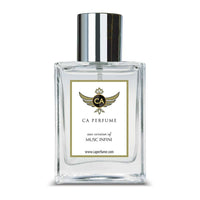
Musc Infini — Ex Nihilo Musc Infini Alternative Perfume
8.4
MEI™
Primary Romantic
Secondary Confident
Confidence
7.34
Presence
6.84
Mood Lift
9.5
Identity
7.67
Warmth
9.5
Social Ease
9.5
Energy
4.2
" I am beautiful.
View full mood profile →
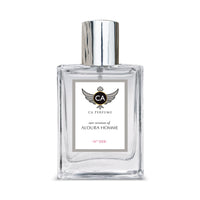
Aloura Homme — Chanel Allure Alternative Cologne
8.46
MEI™
Primary Romantic
Secondary Confident
Confidence
7.54
Presence
7.47
Mood Lift
9.5
Identity
7.67
Warmth
9.5
Social Ease
9.0
Energy
5.3
" I am beautiful.
View full mood profile →
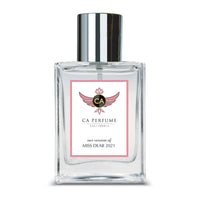
Miss Dear 2021 — Miss 2021 Alternative Perfume
8.3
MEI™
Primary Romantic
Secondary Confident
Confidence
7.45
Presence
7.64
Mood Lift
9.11
Identity
7.9
Warmth
9.5
Social Ease
8.9
Energy
3.5
" I am beautiful.
View full mood profile →
HumanSafe™

Top Benzoin Fragrances by HumanSafe™ Score

These Benzoin-based fragrances have the highest product-level HumanSafe™ scores in this ingredient collection.

Highest HumanSafe™ Score
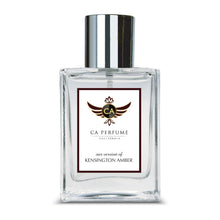
Kensington Amber — Penhaligon's Kensington Amber Alternative Perfume
A
HumanSafe™ Score Very Safe
Safest Evaluated Ingredients EDP
AQUA Solvent / Carrier ISS 10.0
1,4-DIOXACYCLOHEPTADECANE-5,17-DIONE Evaluated ingredient ISS 10.0
2H-1-BENZOPYRAN-2-ONE Evaluated ingredient ISS 8.0
LINALYL ACETATE Evaluated ingredient ISS 7.0
LINALOOL Evaluated ingredient ISS 7.0
ALPHA-CEDRENE Evaluated ingredient ISS 7.0
View full safety profile →
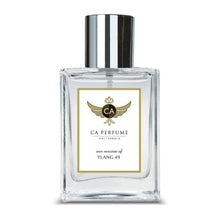
Ylang 49 — Le Labo Ylang 49 Impression Alternative Perfume
A-
HumanSafe™ Score Generally Safe
Safest Evaluated Ingredients EDP
AQUA Solvent / Carrier ISS 10.0
BENZYL SALICYLATE Evaluated ingredient ISS 9.0
LINALOOL Evaluated ingredient ISS 7.0
ALCOHOL DENAT. Solvent / Carrier ISS 7.0
1-[(2-TERT-BUTYL)CYCLOHEXYLOXY]-2-BUTANOL Evaluated ingredient ISS 7.0
View full safety profile →
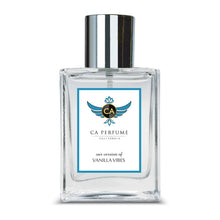
Vanilla Vibes — Juliette Has A Gun Vanilla Vibes Alternative Perfume
A-
HumanSafe™ Score Generally Safe
Safest Evaluated Ingredients EDP
AQUA Solvent / Carrier ISS 10.0
1,4-DIOXACYCLOHEPTADECANE-5,17-DIONE Evaluated ingredient ISS 10.0
BENZYL SALICYLATE Evaluated ingredient ISS 9.0
BENZENEPROPANAL, 4-METHOXY-.ALPHA.-METHYL- Evaluated ingredient ISS 9.0
3-CYCLOPENTENE-1-ACETALDEHYDE, 2,2,3-TRIMETHYL-, Evaluated ingredient ISS 9.0
View full safety profile →
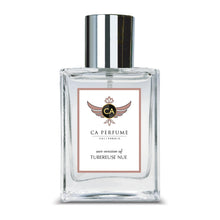
Tubereuse Nue — Tubéreuse Nue Alternative Perfume
A-
HumanSafe™ Score Generally Safe
Safest Evaluated Ingredients EDP
AQUA Solvent / Carrier ISS 10.0
ACETIC ACID, PHENYLMETHYL ESTER Evaluated ingredient ISS 10.0
1,4-DIOXACYCLOHEPTADECANE-5,17-DIONE Evaluated ingredient ISS 10.0
BENZYL SALICYLATE Evaluated ingredient ISS 9.0
BENZOIC ACID, 2-AMINO-, METHYL ESTER Evaluated ingredient ISS 9.0
View full safety profile →
Expert Voices

What Masters Say About Benzoin

Benzoin is such a good friend to other essences, enhancing rather than dominating compositions.
Mandy Aftel, Natural Perfumer
Benzoin’s warm, vanilla-like character and fixative properties make it indispensable in amber accords.
CA Perfume Editorial
Common Questions

Frequently Asked Questions

Answers to common questions about benzoin in perfumery.

Benzoin smells warm, sweet, and balsamic with a prominent vanilla-like softness. It combines resinous, powdery, and mild spicy notes, creating a comforting and long-lasting base in fragrances. Its scent is often described as creamy vanilla with hints of caramel and cinnamon, contributing depth and smoothness to many perfume compositions.

Benzoin is primarily used as a base note in perfumery. Due to its low volatility and fixative properties, it provides a long-lasting warm and sweet foundation that anchors the fragrance and extends the longevity of more volatile top and heart notes.

Benzoin is favored in niche perfumery for its complex, multifaceted aroma that adds depth and warmth. Its natural fixative ability enhances fragrance longevity and smooths transitions between notes, making it ideal for sophisticated amber, oriental, and gourmand compositions.

Benzoin fragrance uses often include pairing with vanilla, sandalwood, amber, labdanum, and spices like cinnamon. These combinations create harmonious accords by blending shared molecular components such as vanillin, enhancing warmth and complexity.

Benzoin can be worn in summer, but its warm, resinous character is more pronounced in cooler weather. Heat increases volatility, which may intensify sweetness but reduce longevity. Light layering with fresh or citrus notes can make benzoin-based perfumes more suitable for hot climates.

Benzoin’s fixative properties contribute to fragrance longevity of 5 to 7 hours or more, depending on formulation and concentration. It slows evaporation of volatile notes, ensuring a sustained warm, sweet drydown.

Yes, layering benzoin with complementary notes like vanilla, sandalwood, or citrus can enhance or balance its warmth. Understanding how to layer benzoin involves recognizing molecular compatibilities and olfactory masking to create harmonious blends.

Beginner-friendly benzoin perfumes include Guerlain Spiritueuse Double Vanille, Prada Paradigme, and Serge Lutens Ambre Sultan. These fragrances showcase benzoin’s warm, sweet character in accessible and well-balanced compositions.

Choosing a benzoin fragrance involves considering concentration, complementary notes, and personal scent preferences. CA Perfume offers detailed descriptions and layering advice to help select fragrances that highlight benzoin’s warm, balsamic qualities suited to your style.

Benzoin smells predominantly sweet with warm vanilla and caramel notes, but it also carries mild spicy undertones from cinnamic acid derivatives, adding subtle complexity without overwhelming spiciness.

Amber Collection

Explore Our Top Benzoin Fragrances

Discover a curated selection of fragrances highlighting benzoin’s warm, balsamic character across amber, oriental, and gourmand families.

Shop all benzoin fragrances at CA Perfume →

Where Benzoin Comes From — Origin & Extraction

Benzoin resin is harvested from trees of the genus Styrax, primarily Styrax tonkinensis and Styrax benzoin, native to Southeast Asia, including Laos, Thailand, Vietnam, Indonesia, and Sumatra. Laos produces approximately 50 metric tons annually, mainly from the Phongsaly province, accounting for a significant share of global supply. The resin is collected by making incisions in the bark, causing the tree to exude a sticky sap that hardens into resin tears. These are scraped off and sun-dried. Extraction for perfumery typically involves solvent extraction using ethanol or hexane, yielding benzoin resinoid or absolute with extraction rates around 98%. The essential oil contains key compounds such as benzoic acid (approx. 60%), vanillin (approx. 8%), and benzyl benzoate (approx. 3.5%). Natural benzoin resin prices vary widely depending on grade and origin, with Siam benzoin commanding higher prices due to its richer vanillin content. Synthetic benzoin derivatives, primarily vanillin (CAS 121-33-5), offer cost-effective alternatives, priced at $10-50/kg compared to $3000-6000/kg for high-grade natural resin. Sustainability concerns include deforestation and overharvesting; however, many producers now implement controlled tapping and reforestation programs to ensure long-term supply.

Famous Fragrances That Define Benzoin in Perfumery

Benzoin has been a cornerstone in perfumery since the 19th century, integral to the classic amber accord. Guerlain’s Spiritueuse Double Vanille (2007), crafted by Thierry Wasser and Delphine Jelk, uses benzoin as a dominant base note to create a creamy, warm vanilla-rich gourmand. Prada’s Paradigme (2025), by Marie Salamagne, Bruno Jovanovic, and Nicolas Bonneville, features benzoin as a smooth balsamic base, blending with bergamot and geranium for a contemporary oriental fougère. Givenchy Pi (1998) and Pi Extreme (2017) employ benzoin as a supporting note to deepen their amber-vanilla bases. Serge Lutens’ Ambre Sultan (2000) uses benzoin to enrich its resinous amber heart, paired with labdanum and spices. Butterfly Thai Perfume’s Agarwood & Benzoin (2020s) highlights benzoin in a floral-woody composition, blending it with agarwood and frankincense for a rich, resinous drydown. These fragrances demonstrate benzoin’s versatility across amber, oriental, gourmand, and woody families. CA Perfume’s collection reflects this lineage by offering fragrances that showcase benzoin’s warm, balsamic character in both traditional and modern contexts.

Natural vs Synthetic Benzoin in Perfumery

Natural benzoin resin is a complex mixture of aromatic compounds including benzoic and cinnamic acids, vanillin, and various resin alcohols, providing a multifaceted warm, sweet, and balsamic scent with subtle spicy and powdery nuances. Synthetic benzoin aroma chemicals primarily include vanillin (CAS 121-33-5), ethyl vanillin (CAS 121-32-4), and benzyl benzoate (CAS 120-51-4), which replicate the vanilla and balsamic facets with greater consistency and lower cost. In terms of performance, natural benzoin offers a richer, more complex olfactive profile and acts as a natural fixative enhancing longevity and diffusion. Synthetic molecules provide stability, batch-to-batch consistency, and reduced allergenic potential but may lack the depth of natural resin. Famous fragrances like Guerlain's Spiritueuse Double Vanille use natural benzoin for its nuanced warmth, while synthetics are common in mass-market formulations for cost and stability reasons. Sustainability and supply chain transparency are critical; the HumanSafe™ platform verifies natural benzoin sources for ethical harvesting. CA Perfume prioritizes transparency and quality by sourcing both natural and synthetic benzoin with full traceability.