Ingredient Guide · Woody
Woody Family · Perfumery Note

Sandalwood

A timeless base note with creamy, woody, and milky facets.

Sandalwood is a cornerstone base note in perfumery, renowned for its creamy, woody, and soft character. Its scent profile is defined by high concentrations of α-santalol and β-santalol, which impart a persistent, milky richness prized in both classic and modern fragrances.

Sandalwood
Ingredient Profile

Sandalwood

Woody Family
Family Woody
Note Position Heart Note
Usage Level 2–5%
Key Origins India, Australia, New Caledonia
Iconic In Chanel Bois des Iles, Guerlain Samsara
The Ingredient

What does Sandalwood smell like and why is it so significant in perfumery?

Sandalwood, botanically classified as Santalum album, is renowned in perfumery for its creamy, woody, and slightly sweet scent profile. The primary odorants, α-santalol and β-santalol (together comprising 65–90% of the essential oil), are sesquiterpene alcohols responsible for its milky, soft, and persistent aroma. What does sandalwood smell like? It is often described as smooth, velvety, and subtly balsamic, with undertones of warm milk, gentle spice, and faint green facets. This unique molecular composition gives sandalwood a round, enveloping character that is neither sharp nor overwhelming, making it highly adaptable in fragrance design. The best quality, historically Mysore sandalwood, is prized for its balance of lactonic, woody, and creamy notes, while Australian and New Caledonian sandalwoods offer sharper or more powdery variations. In perfumery, sandalwood is almost exclusively used as a base note due to its low volatility and excellent fixative properties. Typical concentrations in fine fragrance range from 1–5% of the total formula, though even trace amounts can impart significant longevity and structure. Sandalwood’s molecular weight and slow evaporation rate allow it to anchor lighter top and heart notes, extending the evolution of a fragrance on skin. Its interaction with skin chemistry is notable: the lactonic, fatty alcohols in sandalwood oil can be subtly amplified or muted depending on skin pH and moisture, leading to variations in perceived creaminess or dryness. This adaptability is a key reason for sandalwood’s enduring popularity in both traditional and contemporary perfumery. Sandalwood in perfumery is exemplified in iconic fragrances such as Guerlain Samsara (1989, Jean-Paul Guerlain), where natural Mysore sandalwood forms the creamy, enveloping base beneath jasmine and ylang-ylang, and Le Labo Santal 33 (2011, Frank Voelkl), which showcases a modern, dry, and smoky sandalwood accord paired with iris and leather. These examples highlight both the versatility and the signature presence of sandalwood, whether as a dominant note or as a subtle, structural backbone in complex compositions.

2–5%
Typical concentration of sandalwood oil in fine fragrance formulas. This range provides optimal longevity and olfactory impact without overwhelming the composition.
5–10 Hours
Average longevity of sandalwood as a base note on skin, due to the slow evaporation of α-santalol and β-santalol. Persistence is further enhanced in higher-concentration formats.
$2,000–$5,000/kg
Market price for high-quality natural Mysore sandalwood oil. Plantation and synthetic alternatives are available at significantly lower cost, supporting sustainable sourcing.
Origin & Extraction

Where Sandalwood Comes From — Origin & Extraction

Sandalwood’s scent character is shaped by its geographic origin, with soil composition, climate, and harvesting practices influencing oil quality and olfactory nuances.

Sandalwood used in perfumery is primarily derived from Santalum album, a slow-growing hemiparasitic tree native to southern India, particularly the Mysore and Karnataka regions. Historically, India supplied over 90% of the world’s sandalwood, with annual yields once exceeding 1,000 metric tons. Overharvesting and illegal logging led to severe depletion, and Santalum album is now protected under CITES, with wild harvesting in India heavily restricted. Modern supply has shifted to sustainable plantations in Western Australia, which now produces a significant share of global Santalum album oil, as well as to Indonesia, Sri Lanka, and New Caledonia (Santalum austrocaledonicum). Australian plantations alone produced over 200 metric tons of sandalwood oil in 2023, with ongoing expansion. Extraction of sandalwood oil is performed via steam distillation of the heartwood, typically harvested from trees aged 20–30 years or older. The heartwood is chipped, dried to reduce moisture, and then subjected to high-pressure steam at 100–120°C for 24–48 hours. This process yields an essential oil rich in α-santalol and β-santalol, with a typical yield of 3–6% by weight. Supercritical CO2 extraction is also used for higher purity, though it is less common due to cost. The price of natural sandalwood oil varies by origin and quality: Mysore sandalwood oil can command $2,000–$5,000 per kg, while Australian plantation oil ranges from $1,200–$2,500 per kg. Synthetic sandalwood aroma chemicals, such as Polysantol and Ebanol, are significantly less expensive, often $50–$200 per kg. Sustainability is a critical concern. Overexploitation led to the near-extinction of wild Santalum album in India, prompting strict regulations and the rise of plantation-based cultivation in Australia and New Caledonia. These plantations use host plants (e.g., Cajanus cajan) to support sandalwood’s hemiparasitic growth, with traceability and certification increasingly required by major fragrance houses. Synthetic alternatives are also used to reduce environmental impact and ensure supply chain transparency.

IN

India

Karnataka (Mysore) is historically the premier source of Santalum album, producing oil with the highest α-santalol content (up to 90%). Red laterite soils, monsoonal rainfall, and traditional heartwood harvesting yield a creamy, rich aroma. Wild harvesting is now heavily restricted, and annual legal output is under 50 metric tons.

AU

Australia

Western Australia’s plantations produce both Santalum album and Santalum spicatum. Sandy soils and arid climate yield oil with a slightly drier, less creamy profile. Australia now supplies over 200 metric tons annually, with strict sustainability and traceability standards.

NC

New Caledonia

The Isle of Pines region cultivates Santalum austrocaledonicum, yielding oil with powdery, woody, and slightly floral nuances. Annual production is under 20 metric tons, with a focus on artisanal, small-batch distillation.

ID

Indonesia

Timor and Sumba islands produce Santalum album with a spicier, slightly earthier scent. Volcanic soils and tropical climate influence the oil’s complexity. Production is limited and subject to local conservation policies.

Chemistry

Natural vs Synthetic Sandalwood in Perfumery

Natural sandalwood oil is primarily composed of α-santalol (CAS 115-71-9) and β-santalol (CAS 1460-02-4), which together account for up to 90% of the oil’s mass and are responsible for its creamy, woody, and persistent scent. Due to the endangered status of Santalum album and the high cost of natural oil, perfumers frequently employ synthetic substitutes to replicate or accentuate sandalwood’s olfactory profile. Key synthetic aroma chemicals include Polysantol (Firmenich, CAS 68912-13-0), Ebanol (Givaudan, CAS 67801-20-1), and Sandalore (Givaudan, CAS 65113-99-7). These molecules are engineered to mimic the creamy, woody, and lactonic facets of natural sandalwood, with Polysantol noted for its intense diffusion and Ebanol for its long-lasting, musky-woody character. Performance-wise, synthetic sandalwood notes often offer greater stability, batch consistency, and enhanced projection compared to natural oil, though some perfumers argue that the complexity and subtlety of natural sandalwood cannot be fully replicated. Synthetic sandalwood is widely used in modern fragrances such as Le Labo Santal 33 (Frank Voelkl, 2011) and Diptyque Tam Dao (2003), where it provides a reliable, sustainable alternative to natural Mysore oil. Cost is a major differentiator: natural sandalwood oil can exceed $2,000/kg, while synthetics like Polysantol and Ebanol are available at $50–$200/kg. Sustainability and ethical sourcing are central to the industry’s approach. The HumanSafe™ platform is used to verify the traceability and safety of both natural and synthetic sandalwood ingredients, ensuring compliance with environmental and labor standards. Major fragrance houses now blend sustainable plantation sandalwood with high-purity synthetics to balance olfactory authenticity, cost, and ecological impact. Synthetic sandalwood molecules are also less likely to trigger IFRA restrictions, as they can be engineered to exclude potential allergens present in natural oil.

Natural
Sandalwood Absolute
Cost $3,000–6,000/kg
Method Solvent / CO₂
Character Complex, variable
vs
Synthetic
Safranal & Analogues
Cost $50–200/kg
Method Lab synthesis
Character Consistent, stable
Hall of Fame

Famous Fragrances That Define Sandalwood in Perfumery

1926
dominant note

Chanel Bois des Iles

Chanel
by Ernest Beaux
aldehydesylang-ylangirisvetiver
1989
dominant note

Guerlain Samsara

Guerlain
by Jean-Paul Guerlain
jasmineylang-ylangiristonka bean
2011
dominant note

Le Labo Santal 33

Le Labo
by Frank Voelkl
irisleathervioletcardamom
2012
dominant note

Serge Lutens Santal Majuscule

Serge Lutens
by Christopher Sheldrake
rosecocoatonka bean
2003
dominant note

Diptyque Tam Dao

Diptyque
by Daniel Molière
cypressrosewoodmyrtle
2011
dominant note

Tom Ford Santal Blush

Tom Ford
by Yann Vasnier
cinnamonylang-ylangjasmine
2014
dominant note

Guerlain Santal Royal

Guerlain
by Thierry Wasser
oudrosespices

Sandalwood has been a defining note in perfumery for centuries, serving as both a dominant base and a subtle structural element. In Guerlain Samsara (1989, Jean-Paul Guerlain), natural Mysore sandalwood forms the creamy, enveloping foundation beneath jasmine and ylang-ylang, exemplifying the classic use of sandalwood as a luxurious base. Chanel Bois des Iles (1926, Ernest Beaux) is another landmark, pairing sandalwood with aldehydes and florals to create one of the earliest woody-floral compositions. Serge Lutens Santal Majuscule (2012, Christopher Sheldrake) explores the interplay of sandalwood with cocoa and rose, highlighting its versatility in modern niche perfumery. Le Labo Santal 33 (2011, Frank Voelkl) brought sandalwood to a new generation, using a blend of synthetic and natural sandalwood notes alongside iris, leather, and cardamom to create a dry, smoky, and highly diffusive signature. Diptyque Tam Dao (2003, Daniel Molière) is celebrated for its transparent, milky sandalwood accord, achieved through a combination of Australian and synthetic sandalwood, cypress, and rosewood. Guerlain Santal Royal (2014, Thierry Wasser) showcases the opulence of sandalwood with spices and oud, while Tom Ford Santal Blush (2011, Yann Vasnier) pairs sandalwood with cinnamon and florals for a spicy, sensual effect. These fragrances illustrate sandalwood’s adaptability as both a dominant note and a supporting structure, whether in classic French perfumery or contemporary niche compositions. CA Perfume’s sandalwood collection draws inspiration from this lineage, offering both traditional and modern interpretations rooted in traceable, sustainable sourcing.

The Accord

How is a captivating Sandalwood accord crafted?

A classic sandalwood accord balances creamy, woody, and milky facets with supporting notes that enhance its structure and longevity. Typical proportions: Sandalwood 35–40%, Cedarwood 20–25%, Vanilla 20–25%, Iris 15–20%. Cedarwood provides a dry, linear backbone through its sesquiterpenes; vanilla introduces vanillin for sweetness and olfactory masking; iris (irone-rich) adds powdery, buttery smoothness, amplifying sandalwood’s lactonic character.

40%

Sandalwood

35–40% of blend

Provides the creamy, woody, and persistent core through α-santalol and β-santalol. Essential for the accord’s longevity and milky texture.

25%

Cedarwood

20–25% of blend

Adds dry, linear woody facets via cedrol and thujopsene, reinforcing sandalwood’s structure and enhancing projection.

25%

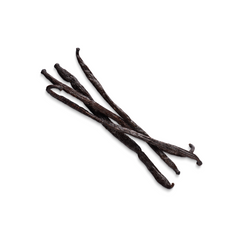
Vanilla

20–25% of blend

Vanillin softens sandalwood’s woody edge and introduces sweetness, creating olfactory masking that rounds the accord.

20%

Iris

15–20% of blend

Irone-rich iris adds powdery, buttery smoothness, amplifying the lactonic, creamy aspects of sandalwood and extending the drydown.

The Olfactory Layers

How Sandalwood Evolves on Skin

Sandalwood’s olfactory evolution is gradual, with high-molecular-weight sesquiterpenes evaporating slowly. The top is subtle, giving way to a creamy, persistent heart and a long-lasting, woody base.

I
Top notes
0–15 min
Green-Spicy Prelude

Initial impression is mild, with faint green and slightly spicy facets from minor terpenoids and aldehydes. Volatile components evaporate quickly, giving a fleeting freshness before the creamy core emerges.

greenspicysubtle
II
Heart notes
20–60 min
Creamy Milky Core

The creamy, milky character dominates, driven by α-santalol and β-santalol. These molecules have moderate volatility, unfolding as a soft, enveloping warmth with subtle lactonic and powdery undertones.

creamymilkyvelvety
III
Base notes
Several hours
Woody-Balsamic Drydown

Persistent woody and balsamic facets linger, anchored by high-molecular-weight sesquiterpenes. The drydown is smooth, musky, and subtly sweet, with excellent tenacity on skin and textiles.

woodybalsamicpersistent
TOP NOTES Green-Spicy Prelude 0–15 minutes HEART NOTES Creamy Milky Core 20–60 minutes BASE NOTES Woody-Balsamic Drydown Several hours
Through the Ages

The Story of Sandalwood in Perfumery

Sandalwood’s history in perfumery spans millennia, from sacred rituals in India to its status as a pillar of modern fragrance composition.

Antiquity

Sacred Use in India

Sandalwood oil and wood are used in Vedic rituals, Ayurvedic medicine, and temple incense across South Asia. References date back over 3,000 years, with Mysore as a spiritual and commercial center.

1917

Mysore Sandalwood Oil Factory Founded

The Mysore Sandalwood Oil Factory is established in Karnataka, India, standardizing the distillation and export of high-quality sandalwood oil for global perfumery.

1926

Chanel Bois des Iles Launches

Ernest Beaux creates Bois des Iles, one of the first major Western perfumes to feature sandalwood as a dominant note, blending it with aldehydes and florals.

1980s

Overharvesting and Regulation

Wild Santalum album faces near-extinction due to overharvesting. India imposes strict export bans and CITES protection, prompting the rise of synthetic sandalwood molecules.

2011

Le Labo Santal 33 Defines Modern Sandalwood

Frank Voelkl’s Santal 33 blends synthetic and natural sandalwood notes, sparking a global trend for creamy, woody fragrances in niche and mainstream perfumery.

2014

Australian Plantations Mature

Western Australian Santalum album plantations reach commercial maturity, providing a sustainable, traceable source of sandalwood oil for the fragrance industry.

The Art of Layering

How to Layer Sandalwood

Understanding how to layer sandalwood is key to unlocking its full olfactory potential. At a molecular level, sandalwood’s lactonic and woody facets pair synergistically with florals, spices, and gourmands, creating harmonious or contrasting effects.

01

Enhance Sweetness

Layering sandalwood with vanilla or tonka bean leverages olfactory masking, as vanillin and coumarin soften sandalwood’s woody edge and amplify its milky, sweet facets. This combination is exemplified in Guerlain Samsara, where sandalwood and vanilla create a creamy, enveloping base.

02

Add Depth

Pairing sandalwood with patchouli or amber introduces earthy and resinous molecules (patchoulol, labdanum diterpenes), which reinforce sandalwood’s woody core and extend its longevity. Le Labo Santal 33 demonstrates this synergy with a blend of sandalwood, amber, and leather.

03

Lighten the Glow

Combining sandalwood with citrus (bergamot, grapefruit) or floral notes (rose, jasmine) creates a molecular bridge via shared terpenoids and ionones, resulting in a brighter, more radiant accord. Diptyque Tam Dao uses rosewood and cypress to lift sandalwood’s creamy base.

Wear It Right

How to Wear Sandalwood Like a Pro

Seasonal Guide

Fall & Winter

In cooler temperatures, sandalwood’s creamy, woody facets are more subdued, with slower evaporation of sesquiterpenes. Apply to pulse points and under clothing for a persistent, enveloping warmth that lasts all day.

Spring

Moderate temperatures allow sandalwood’s milky and powdery notes to emerge. Layer with florals or citrus for a balanced, uplifting effect. Apply lightly to wrists and neck for a soft, radiant sillage.

Summer

Heat increases volatility, intensifying sandalwood’s projection and revealing its green, spicy top notes. Use sparingly on cooler skin areas (behind knees, ankles) to avoid overwhelming diffusion.

Year-Round Tip

Adjust application based on climate and humidity. Higher humidity enhances sandalwood’s creamy, musky facets, while dry air emphasizes its woody, powdery character. Experiment with layering to suit seasonal shifts.

Application Points

Strategic application of sandalwood maximizes its longevity and olfactory evolution.

1

Neck

Pulse points on the neck generate gentle heat, accelerating the release of sandalwood’s creamy, milky notes and enhancing projection.

2

Behind the Ears

This area is slightly cooler and less exposed, allowing sandalwood’s base notes to evolve slowly and persist throughout the day.

3

Inner Wrists

Frequent movement and warmth from the wrists help diffuse sandalwood’s lactonic and woody facets, creating a subtle, personal sillage.

4

Hair

Hair fibers trap sandalwood molecules, providing a sustained, gentle release of creamy, woody scent with every movement.

Pro Tip

Apply a small amount to fabric (scarf, collar) for extended longevity, as sandalwood’s high-molecular-weight compounds adhere well to textiles.

Mood Architecture™

Top Sandalwood Fragrances by Mood Score

These Sandalwood-based fragrances scored highest on the MEI™ Mood Architecture Framework — measuring how a scent may influence your emotional state.

Highest MEI Score
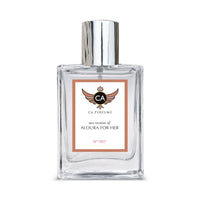
Aloura For Her — Chanel Allure For Her Alternative Perfume
8.68
MEI™
Primary Romantic
Secondary Confident
Confidence
7.83
Presence
8.15
Mood Lift
9.5
Identity
7.83
Warmth
9.5
Social Ease
9.5
Energy
4.6
" I am beautiful.
View full mood profile →
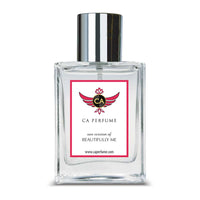
Beautifully Me — Estee Lauder Beautiful Alternative Perfume
8.56
MEI™
Primary Romantic
Secondary Confident
Confidence
7.87
Presence
8.75
Mood Lift
9.5
Identity
8.27
Warmth
9.49
Social Ease
8.35
Energy
4.5
" I am beautiful.
View full mood profile →
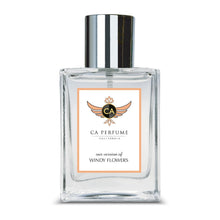
Windy Flowers — Wind Flowers Alternative Perfume
8.36
MEI™
Primary Fresh
Secondary Romantic
Confidence
7.7
Presence
8.16
Mood Lift
9.5
Identity
7.86
Warmth
8.96
Social Ease
8.59
Energy
3.0
" I am radiant.
View full mood profile →
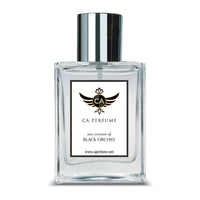
Black Orchid — Tom Ford Black Orchid Alternative Perfume
8.33
MEI™
Primary Romantic
Secondary Confident
Confidence
7.84
Presence
8.66
Mood Lift
8.87
Identity
8.98
Warmth
9.5
Social Ease
7.93
Energy
3.7
" I am beautiful.
View full mood profile →
HumanSafe™

Top Sandalwood Fragrances by HumanSafe™ Score

These Sandalwood-based fragrances have the highest product-level HumanSafe™ scores in this ingredient collection.

Highest HumanSafe™ Score
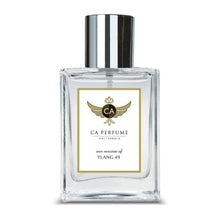
Ylang 49 — Le Labo Ylang 49 Impression Alternative Perfume
A-
HumanSafe™ Score Generally Safe
Safest Evaluated Ingredients EDP
AQUA Solvent / Carrier ISS 10.0
BENZYL SALICYLATE Evaluated ingredient ISS 9.0
LINALOOL Evaluated ingredient ISS 7.0
ALCOHOL DENAT. Solvent / Carrier ISS 7.0
1-[(2-TERT-BUTYL)CYCLOHEXYLOXY]-2-BUTANOL Evaluated ingredient ISS 7.0
View full safety profile →
Windy Flowers — Wind Flowers Alternative Perfume
A-
HumanSafe™ Score Generally Safe
Safest Evaluated Ingredients EDP
AQUA Solvent / Carrier ISS 10.0
AMBROXID Evaluated ingredient ISS 10.0
1,4-DIOXACYCLOHEPTADECANE-5,17-DIONE Evaluated ingredient ISS 10.0
BENZENEPROPANAL, 4-ETHYL-.ALPHA.,.ALPHA.-DIMETHYL- Evaluated ingredient ISS 8.0
LINALOOL Evaluated ingredient ISS 7.0
AMBREIN Evaluated ingredient ISS 7.0
View full safety profile →
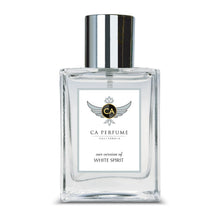
White Spirit — Juliette Has A Gun White Spirit Alternative Perfume
A-
HumanSafe™ Score Generally Safe
Safest Evaluated Ingredients EDP
AQUA Solvent / Carrier ISS 10.0
BENZYL SALICYLATE Evaluated ingredient ISS 9.0
3-CYCLOPENTENE-1-ACETALDEHYDE, 2,2,3-TRIMETHYL-, Evaluated ingredient ISS 9.0
AMBREIN Evaluated ingredient ISS 7.0
View full safety profile →
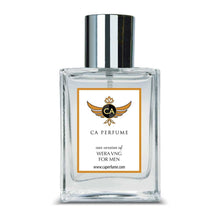
Wera Vng. For Men — Vera Wang For Men Alternative Cologne
A-
HumanSafe™ Score Generally Safe
Safest Evaluated Ingredients EDP
AQUA Solvent / Carrier ISS 10.0
BENZYL SALICYLATE Evaluated ingredient ISS 9.0
7-OCTEN-2-OL, 2,6-DIMETHYL- Evaluated ingredient ISS 9.0
LINALYL ACETATE Evaluated ingredient ISS 7.0
LINALOOL Evaluated ingredient ISS 7.0
View full safety profile →
Expert Voices

What Masters Say About Sandalwood

Sandalwood is unique for its projection, depth, and evolution. It is not a pungent or loud woody note, in fact it’s more like a long-distance runner, very tenacious and long lasting. If I need to describe it visually, its shape will be rounded waves.
Aitana López de Carrión, Global Fine Fragrance Development Manager, CPL Aromas
Sandalwood’s molecular structure is unique amongst perfumery’s woody notes. Sesquiterpenes α-santalol and β-santalol are largely responsible for sandalwood’s fragrance, which is extracted from the tree’s heartwood via steam distillation.
CA Perfume Editorial
Common Questions

Frequently Asked Questions

Answers to common questions about sandalwood in perfumery.

Sandalwood in perfume is characterized by a creamy, woody, and slightly sweet scent profile, dominated by the sesquiterpene alcohols α-santalol and β-santalol. The aroma is smooth, milky, and persistent, with subtle balsamic and powdery undertones. It is neither sharp nor overwhelming, making it a versatile base note in both classic and modern fragrances such as Guerlain Samsara and Le Labo Santal 33.

Sandalwood is classified as a base note in perfumery due to its high molecular weight and low volatility. It provides longevity and fixative properties, anchoring lighter top and heart notes and ensuring a smooth, gradual evolution of the fragrance on skin.

Sandalwood’s creamy, woody, and persistent character, combined with its ability to harmonize with a wide range of notes, makes it a favorite among niche perfumers. Its molecular complexity allows for both dominant and supporting roles, and sustainable plantation and synthetic options have expanded its accessibility in modern perfumery.

Sandalwood fragrance uses include pairing with vanilla, rose, patchouli, iris, amber, and jasmine. These combinations leverage molecular bridges (e.g., shared lactones or ionones) to enhance sandalwood’s creamy, woody, or powdery facets, as seen in fragrances like Chanel Bois des Iles and Serge Lutens Santal Majuscule.

Sandalwood can be worn year-round, but its creamy, woody notes are intensified by heat, increasing projection and revealing green, spicy facets. In hot weather, apply sparingly to cooler skin areas to avoid overwhelming diffusion, or layer with citrus or florals for a lighter effect.

Sandalwood’s base note character ensures longevity of 5–10 hours on skin, with persistence further enhanced in higher-concentration formats (Parfum, Extrait). The slow evaporation of α-santalol and β-santalol underpins its long-lasting presence.

Yes, sandalwood is highly compatible for layering due to its creamy, woody, and lactonic profile. It pairs well with vanilla, amber, florals, and citrus, creating harmonious or contrasting effects. Layering techniques can be tailored to highlight sweetness, depth, or brightness.

Recommended entry points include Diptyque Tam Dao (transparent, milky sandalwood), Le Labo Santal 33 (modern, smoky), and Chanel Bois des Iles (classic, floral-woody). These fragrances showcase sandalwood’s versatility and are widely appreciated for their balanced compositions.

Explore the CA Perfume sandalwood collection by considering your preferred scent profile—creamy, woody, sweet, or spicy. Review fragrance pyramids and note pairings to find a composition that matches your style and seasonal preferences. The HumanSafe™ platform ensures all ingredients are traceable and ethically sourced.

Sandalwood’s scent is primarily woody and creamy, with a subtle, natural sweetness from its lactonic and balsamic undertones. The balance of sweet versus woody depends on the oil’s origin, concentration, and pairing notes. Mysore sandalwood is noted for its rich, creamy sweetness, while Australian sandalwood is drier and more linear.

Woody Collection

Explore Our Top Sandalwood Fragrances

Discover CA Perfume’s curated selection of sandalwood-based fragrances, featuring both classic and modern interpretations for every style and season.

Shop all sandalwood fragrances at CA Perfume →

Where Sandalwood Comes From — Origin & Extraction

Sandalwood used in perfumery is primarily derived from Santalum album, a slow-growing hemiparasitic tree native to southern India, particularly the Mysore and Karnataka regions. Historically, India supplied over 90% of the world’s sandalwood, with annual yields once exceeding 1,000 metric tons. Overharvesting and illegal logging led to severe depletion, and Santalum album is now protected under CITES, with wild harvesting in India heavily restricted. Modern supply has shifted to sustainable plantations in Western Australia, which now produces a significant share of global Santalum album oil, as well as to Indonesia, Sri Lanka, and New Caledonia (Santalum austrocaledonicum). Australian plantations alone produced over 200 metric tons of sandalwood oil in 2023, with ongoing expansion. Extraction of sandalwood oil is performed via steam distillation of the heartwood, typically harvested from trees aged 20–30 years or older. The heartwood is chipped, dried to reduce moisture, and then subjected to high-pressure steam at 100–120°C for 24–48 hours. This process yields an essential oil rich in α-santalol and β-santalol, with a typical yield of 3–6% by weight. Supercritical CO2 extraction is also used for higher purity, though it is less common due to cost. The price of natural sandalwood oil varies by origin and quality: Mysore sandalwood oil can command $2,000–$5,000 per kg, while Australian plantation oil ranges from $1,200–$2,500 per kg. Synthetic sandalwood aroma chemicals, such as Polysantol and Ebanol, are significantly less expensive, often $50–$200 per kg. Sustainability is a critical concern. Overexploitation led to the near-extinction of wild Santalum album in India, prompting strict regulations and the rise of plantation-based cultivation in Australia and New Caledonia. These plantations use host plants (e.g., Cajanus cajan) to support sandalwood’s hemiparasitic growth, with traceability and certification increasingly required by major fragrance houses. Synthetic alternatives are also used to reduce environmental impact and ensure supply chain transparency.

Famous Fragrances That Define Sandalwood in Perfumery

Sandalwood has been a defining note in perfumery for centuries, serving as both a dominant base and a subtle structural element. In Guerlain Samsara (1989, Jean-Paul Guerlain), natural Mysore sandalwood forms the creamy, enveloping foundation beneath jasmine and ylang-ylang, exemplifying the classic use of sandalwood as a luxurious base. Chanel Bois des Iles (1926, Ernest Beaux) is another landmark, pairing sandalwood with aldehydes and florals to create one of the earliest woody-floral compositions. Serge Lutens Santal Majuscule (2012, Christopher Sheldrake) explores the interplay of sandalwood with cocoa and rose, highlighting its versatility in modern niche perfumery. Le Labo Santal 33 (2011, Frank Voelkl) brought sandalwood to a new generation, using a blend of synthetic and natural sandalwood notes alongside iris, leather, and cardamom to create a dry, smoky, and highly diffusive signature. Diptyque Tam Dao (2003, Daniel Molière) is celebrated for its transparent, milky sandalwood accord, achieved through a combination of Australian and synthetic sandalwood, cypress, and rosewood. Guerlain Santal Royal (2014, Thierry Wasser) showcases the opulence of sandalwood with spices and oud, while Tom Ford Santal Blush (2011, Yann Vasnier) pairs sandalwood with cinnamon and florals for a spicy, sensual effect. These fragrances illustrate sandalwood’s adaptability as both a dominant note and a supporting structure, whether in classic French perfumery or contemporary niche compositions. CA Perfume’s sandalwood collection draws inspiration from this lineage, offering both traditional and modern interpretations rooted in traceable, sustainable sourcing.

Natural vs Synthetic Sandalwood in Perfumery

Natural sandalwood oil is primarily composed of α-santalol (CAS 115-71-9) and β-santalol (CAS 1460-02-4), which together account for up to 90% of the oil’s mass and are responsible for its creamy, woody, and persistent scent. Due to the endangered status of Santalum album and the high cost of natural oil, perfumers frequently employ synthetic substitutes to replicate or accentuate sandalwood’s olfactory profile. Key synthetic aroma chemicals include Polysantol (Firmenich, CAS 68912-13-0), Ebanol (Givaudan, CAS 67801-20-1), and Sandalore (Givaudan, CAS 65113-99-7). These molecules are engineered to mimic the creamy, woody, and lactonic facets of natural sandalwood, with Polysantol noted for its intense diffusion and Ebanol for its long-lasting, musky-woody character. Performance-wise, synthetic sandalwood notes often offer greater stability, batch consistency, and enhanced projection compared to natural oil, though some perfumers argue that the complexity and subtlety of natural sandalwood cannot be fully replicated. Synthetic sandalwood is widely used in modern fragrances such as Le Labo Santal 33 (Frank Voelkl, 2011) and Diptyque Tam Dao (2003), where it provides a reliable, sustainable alternative to natural Mysore oil. Cost is a major differentiator: natural sandalwood oil can exceed $2,000/kg, while synthetics like Polysantol and Ebanol are available at $50–$200/kg. Sustainability and ethical sourcing are central to the industry’s approach. The HumanSafe™ platform is used to verify the traceability and safety of both natural and synthetic sandalwood ingredients, ensuring compliance with environmental and labor standards. Major fragrance houses now blend sustainable plantation sandalwood with high-purity synthetics to balance olfactory authenticity, cost, and ecological impact. Synthetic sandalwood molecules are also less likely to trigger IFRA restrictions, as they can be engineered to exclude potential allergens present in natural oil.