


Ingredient Guide · Floral Fruity
Floral Fruity Family · Perfumery Note

Rose Hip

Fresh, tangy, and subtly floral aroma

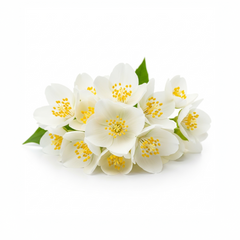
Rose Hip is a heart note in perfumery, derived from the fruit of Rosa canina. It features a fresh, fruity scent with subtle floral undertones, typically used below 5% concentration.

Rose Hip
Ingredient Profile

Rose Hip

Floral Fruity Family
Family Floral Fruity
Note Position Heart Note
Usage Level <5%
Key Origins France, Russia, United States
Iconic In Polo 67, Versace Pour Femme Dylan Blue
The Ingredient

What does Rose Hip smell like and why is it significant in perfumery?

Rose Hip is the fruit of the wild rose plant (Rosa canina), emitting a fresh, fruity aroma intertwined with subtle floral undertones. Its scent profile is characterized by a bright, tangy quality primarily due to complex natural esters and aldehydes, which invigorate and uplift fragrance compositions. This note is classified as a heart note in perfumery and is typically used at concentrations below 5%, allowing it to impart vibrancy without overpowering. Rose Hip interacts with skin chemistry by blending its fruity facets with floral and woody base notes, enhancing longevity and warmth. Notable fragrances featuring rose hip include Ralph Lauren's Polo 67 (2024), where it adds a fresh, natural fruitiness, and Versace Pour Femme Dylan Blue (2017), which uses rose hip to brighten the floral heart. These examples demonstrate rose hip's versatility and its role in creating lively, emotionally resonant scents.

2–3 Sprays
Recommended application amount to achieve a noticeable yet balanced rose hip presence without overwhelming the composition.
3–5 Hours
Typical longevity range for rose hip-based fragrances, supported by complementary base notes to sustain vibrancy.
<5%
Maximum usage concentration advised by IFRA guidelines to avoid sensitization while maintaining aromatic impact.
Origin & Extraction

Where Rose Hip Comes From — Origin & Extraction

Rose Hip’s aromatic qualities are influenced by its geographic origin, with soil composition, climate, and cultivation methods shaping scent nuances. Key producing countries include France, Russia, and the United States, each offering distinctive profiles based on regional terroir.

Rose Hip is primarily sourced from the fruit of wild rose species, notably Rosa canina, Rosa moschata, and Rosa rubiginosa. These species grow in temperate climates across France, Russia, and the United States, each region imparting unique aromatic nuances due to soil composition and climate. France is renowned for diverse rose varieties contributing to harmonious, aromatic rose hips, while Russian rose hips are noted for their intense, robust scent profiles. American rose hips tend to be more delicate and subtle. Extraction of rose hip absolute for perfumery typically employs solvent extraction or supercritical CO₂ extraction to preserve the complex aromatic compounds without heat degradation. The process involves harvesting fully ripened fruit in late summer or early autumn, seed separation, and careful extraction to yield a complex, variable aromatic absolute. Natural rose hip absolute costs approximately $3,000 to $6,000 per kilogram, reflecting the labor-intensive extraction and limited yields. Synthetic analogues, primarily based on safranal and related molecules, cost between $50 and $200 per kilogram and offer consistent character. Sustainability considerations focus on responsible wild harvesting and cultivation to prevent overexploitation.

FR

France

France’s temperate climate and diverse rose varieties contribute to rose hips with harmonious, balanced fruity and floral notes. Production is concentrated in regions with rich, loamy soils supporting aromatic complexity. French rose hips are prized for their smooth, polished scent profile.

RU

Russia

Russian rose hips are cultivated in colder climates with harsher winters, resulting in more intense, robust, and vibrant aromatic profiles. The soil’s mineral content and altitude enhance the fruit’s tangy and fresh character, making it favored for bold fragrance compositions.

US

United States

In the U.S., rose hips grow in varied climates from temperate to continental, producing a spectrum of aromas from delicate and subtle to bright and fresh. American rose hips often exhibit lighter, refreshing qualities suited for modern, airy fragrance blends.

Chemistry

Natural vs Synthetic Rose Hip in Perfumery

Natural rose hip absolute is extracted from the fruit of Rosa canina and related species using solvent or supercritical CO₂ extraction, yielding a complex and variable aromatic profile rich in fruity and floral esters. It is valued for its authentic, nuanced scent but is costly and subject to batch variability. Synthetic substitutes primarily utilize safranal (CAS 116-26-7) and related analogues, which replicate the bright, tangy facets of natural rose hip with greater consistency, stability, and lower cost ($50–200/kg). Synthetic molecules offer improved longevity and diffusion in fragrance compositions. Famous fragrances such as Ralph Lauren Polo 67 employ natural rose hip, while synthetic versions are favored in formulations requiring cost efficiency and stability. The HumanSafe™ platform supports transparency in ingredient sourcing and safety, ensuring that both natural and synthetic rose hip materials meet rigorous standards. CA Perfume embraces both forms to balance authenticity with innovation.

Natural
Rose Hip Absolute
Cost $3,000–6,000/kg
Method Solvent / CO₂
Character Complex, variable
vs
Synthetic
Safranal & Analogues
Cost $50–200/kg
Method Lab synthesis
Character Consistent, stable
Hall of Fame

Famous Fragrances That Define Rose Hip in Perfumery

2024
heart note

Polo 67

Ralph Lauren
woody notescitrus
2017
heart note

Versace Pour Femme Dylan Blue

Versace
bergamotjasmine
2014
accent

Mademoiselle Ricci

Nina Ricci
floral notes
2012
supporting note

Eau Rose

Diptyque
wild rosefruity notes
1997
accent

Weekend for Women

Burberry
fresh notes

Rose Hip has been featured prominently in several notable fragrances over the past two decades, showcasing its fresh and fruity character. Ralph Lauren's Polo 67 (2024) uses rose hip as a heart note to impart a bright, natural fruitiness that complements woody and citrus accords. Versace Pour Femme Dylan Blue (2017) incorporates rose hip to enhance the floral heart with a vibrant tang, paired with bergamot and jasmine. Nina Ricci Mademoiselle Ricci (2014) employs rose hip as an accent to add freshness to its floral composition. Diptyque Eau Rose (2012) subtly integrates rose hip to underscore the wild rose facets within a delicate bouquet. Lastly, Burberry Weekend for Women (1997) uses rose hip to brighten its fresh, casual scent profile. These examples illustrate rose hip's versatility across fragrance families and its ability to bridge fresh and warm notes. CA Perfume's collection reflects this lineage by offering rose hip fragrances that balance vibrancy and depth.

The Accord

How is a captivating Rose Hip accord crafted?

A Rose Hip accord is constructed by balancing the bright, fruity facets of rose hip with complementary floral and herbal ingredients to create a lively and uplifting scent. Rose Hip constitutes approximately 25% of the blend, providing the core tangy fruitiness. Rose absolute or essence at 20–25% offers a floral bridge through shared aromatic compounds like phenylethyl alcohol. Lavender at 20–25% adds herbal freshness and enhances volatility, while sandalwood at 25–30% contributes creamy, woody depth that stabilizes the accord and extends longevity.

25%

Rose Hip

25% of blend

Provides the bright, tangy fruity character essential to the accord’s vibrancy and freshness.

25%

Rose

20–25% of blend

Adds floral complexity and bridges the fruity and floral facets through shared aromatic molecules.

25%

Lavender

20–25% of blend

Contributes herbal freshness and enhances the accord’s volatility and brightness.

30%

Sandalwood

25–30% of blend

Provides creamy, woody depth that stabilizes the accord and prolongs its longevity.

The Olfactory Layers

How Rose Hip Evolves on Skin

Rose Hip’s olfactory evolution unfolds over several hours, beginning with high-volatility fruity esters that evaporate quickly within the first 15 minutes, delivering a fresh and tangy top impression. The heart phase (20–60 minutes) reveals the fuller fruity and subtle floral nuances as mid-volatility compounds dominate. Base notes emerge after several hours, where woody and creamy molecules provide lasting warmth and depth, anchoring the fragrance.

I
Top notes
0–15 min
Bright and Tangy

The initial impression is bright and tangy, driven by volatile esters and aldehydes that evaporate rapidly. This stage delivers the fresh, invigorating burst characteristic of rose hip’s fruity facets.

FreshFruityTangy
II
Heart notes
20–60 min
Fruity Floral Blend

Mid-volatility molecules reveal the lush, fruity-floral blend of rose hip combined with rose and herbal notes. This phase balances vibrancy with softness, creating a harmonious and emotionally resonant scent.

FruityFloralLush
III
Base notes
Several hours
Warm and Woody

Woody and creamy molecules such as sandalwood and musk provide depth and longevity. These low-volatility compounds anchor the fragrance, smoothing the transition from bright fruitiness to warm, comforting dry-down.

WoodyCreamyWarm
TOP NOTES Bright and Tangy 0–15 minutes HEART NOTES Fruity Floral Blend 20–60 minutes BASE NOTES Warm and Woody Several hours
Through the Ages

The Story of Rose Hip in Perfumery

Rose Hip’s use in perfumery has evolved from traditional medicinal and aromatic applications to a valued fragrance note in contemporary compositions, with key milestones marking its integration into modern perfumery.

Antiquity

Medicinal and Aromatic Use

Rose hips were historically valued for medicinal properties and aromatic uses across Europe and Asia, laying the groundwork for later perfumery applications.

19th Century

Early Extraction Techniques Developed

Advances in solvent extraction and distillation allowed for the isolation of rose hip aromatic compounds, enabling their use in fragrance formulations.

1970s

Introduction in Modern Perfumery

Rose hip began appearing as a distinct note in niche and designer fragrances, appreciated for its fresh, fruity character.

2010s

Synthetic Analogues Developed

Synthetic molecules replicating rose hip’s key aroma compounds were introduced, improving consistency and sustainability in perfumery.

2020s

Widespread Use in Contemporary Fragrances

Rose hip became a popular heart note in fresh and floral compositions, featured in major launches such as Ralph Lauren Polo 67 (2024).

The Art of Layering

How to Layer Rose Hip

Understanding how to layer rose hip involves molecular compatibility and olfactory synergy. Rose hip’s fruity esters share common aromatic compounds with citrus notes like bergamot, creating a seamless bright top layer. Floral notes such as rose and jasmine contain overlapping molecules like phenylethyl alcohol, which blend smoothly with rose hip’s floral facets. Vanilla’s vanillin masks sharp edges by lowering olfactory thresholds, adding sweetness without overpowering. Woodsy notes like sandalwood provide creamy lactones that stabilize the accord and extend longevity. Mastering how to layer rose hip enhances its vibrancy and depth in complex compositions.

01

Enhance Freshness with Citrus

Layering rose hip with bergamot or grapefruit leverages shared ester compounds, amplifying brightness and creating a lively, sparkling effect. This combination is evident in Versace Pour Femme Dylan Blue, where citrus lifts the fruity heart.

02

Add Floral Depth

Combining rose hip with rose or jasmine exploits common aromatic alcohols like phenylethyl alcohol, producing a harmonious floral-fruity heart. This molecular bridge enriches the scent’s emotional resonance, as seen in Diptyque Eau Rose.

03

Soften with Vanilla and Woods

Vanilla’s vanillin softens rose hip’s tangy facets through olfactory masking, while sandalwood’s creamy lactones provide a warm, lasting base. This layering balances vibrancy with comfort, enhancing longevity and complexity.

Wear It Right

How to Wear Rose Hip Like a Pro

Seasonal Guide

Fall & Winter

Cooler temperatures slow evaporation, enhancing rose hip’s warm woody base notes and extending longevity. Layer with cozy accords like amber or vanilla for depth.

Spring

Mild weather highlights rose hip’s fresh, fruity heart, blending beautifully with floral and green notes. Ideal for daytime wear with light layering.

Summer

Heat increases volatility, emphasizing bright, tangy top notes. Apply sparingly to avoid overwhelming freshness; pair with citrus or aquatic notes for balance.

Year-Round Tip

Adjust application amount and layering based on temperature and humidity to maintain optimal scent balance and projection.

Application Points

Strategic application enhances rose hip’s scent projection and longevity.

1

Neck

Pulse points here provide warmth that activates rose hip’s fruity and floral molecules, enhancing diffusion.

2

Behind the Ears

This area’s subtle heat helps release the fragrance gradually, creating a soft scent trail.

3

Inner Wrists

Ideal for layering and reapplication, allowing the fresh top notes to be experienced closely.

4

Hair

Hair fibers hold fragrance longer, releasing rose hip’s bright facets with movement and air circulation.

★

Pro Tip

Apply rose hip fragrances after moisturizing to lock in scent and prevent rapid evaporation.

Mood Architecture™

Top Rose Hip Fragrances by Mood Score

These Rose Hip-based fragrances scored highest on the MEI™ Mood Architecture Framework — measuring how a scent may influence your emotional state.

Highest MEI Score
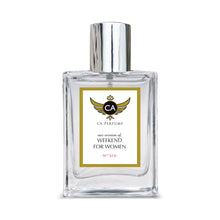
Weekend For Women — Weekend Alternative Perfume
6.9
MEI™
Primary Romantic
Secondary Confident
Confidence
6.65
Presence
6.88
Mood Lift
7.2
Identity
6.97
Warmth
7.6
Social Ease
6.8
Energy
3.9
" I am beautiful.
View full mood profile →
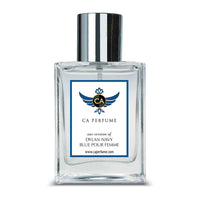
Dylan Navy Blue Pour Femme — Dylan Blue Pour Femme Alternative Perfume
6.7
MEI™
Primary Fresh
Secondary Romantic
Confidence
6.27
Presence
6.97
Mood Lift
7.4
Identity
6.7
Warmth
7.0
Social Ease
6.78
Energy
3.73
" I am radiant.
View full mood profile →
HumanSafe™

Top Rose Hip Fragrances by HumanSafe™ Score

These Rose Hip-based fragrances have the highest product-level HumanSafe™ scores in this ingredient collection.

Highest HumanSafe™ Score
Weekend For Women — Weekend Alternative Perfume
A-
HumanSafe™ Score Generally Safe
Safest Evaluated Ingredients EDP
AQUA Solvent / Carrier ISS 10.0
2(3H)-FURANONE, 5-HEPTYLDIHYDRO- Evaluated ingredient ISS 10.0
BENZYL SALICYLATE EYE IRRITATION - CAT.2B [H320] Evaluated ingredient ISS 9.0
1H-3A,7-METHANOAZULENE, OCTAHYDRO-6-METHOXY- Evaluated ingredient ISS 9.0
(2,5-DIMETHYL-2,3-DIHYDRO-1H-INDEN-2-YL)METHANOL CAT. 3 Evaluated ingredient ISS 9.0
3-BUTEN-2-ONE, 3-METHYL-4-(2,6,6-TRIMETHYL-2- Evaluated ingredient ISS 8.0
View full safety profile →
Dylan Navy Blue Pour Femme — Dylan Blue Pour Femme Alternative Perfume
A-
HumanSafe™ Score Generally Safe
Safest Evaluated Ingredients EDP
OXACYCLOHEPTADEC-10-EN-2-ONE Evaluated ingredient ISS 10.0
AQUA Solvent / Carrier ISS 10.0
ACETIC ACID, PHENYLMETHYL ESTER Evaluated ingredient ISS 10.0
BENZYL SALICYLATE Evaluated ingredient ISS 9.0
3-BUTEN-2-ONE, 3-METHYL-4-(2,6,6-TRIMETHYL-2- Evaluated ingredient ISS 8.0
2-HEXENE, 6,6-DIMETHOXY-2,5,5-TRIMETHYL- Evaluated ingredient ISS 8.0
View full safety profile →
Expert Voices

What Masters Say About Rose Hip

“
Rose Hip’s fresh, fruity character provides a unique vibrancy that complements floral notes and enhances fragrance complexity without overpowering.
CA Perfume Editorial
“
The use of rose hip in modern perfumery bridges the gap between natural fruitiness and floral elegance, offering perfumers a versatile heart note with emotional resonance.
CA Perfume Editorial
Common Questions

Frequently Asked Questions

Frequently asked questions about rose hip in perfumery, addressing scent, usage, and pairing.

Rose Hip in perfume smells fresh, fruity, and subtly floral with a bright, tangy quality. It evokes the essence of ripe wild rose fruit, providing an invigorating and uplifting heart note. Its scent complements floral and citrus notes, making it a versatile ingredient in many compositions.

Rose Hip is primarily used as a heart note in fragrance compositions. It provides a fresh, fruity core that bridges the bright top notes and the warm, woody base notes, contributing to the fragrance’s overall vibrancy and depth.

Rose Hip is favored in niche perfumes for its unique fresh and fruity scent that adds complexity and emotional resonance. Its ability to blend harmoniously with floral, citrus, and woody notes allows perfumers to create distinctive, layered compositions that stand out.

Rose Hip fragrance uses include pairing with rose and jasmine for floral depth, bergamot and citrus for brightness, vanilla for sweetness, and sandalwood or amber for warmth and longevity. These combinations enhance rose hip’s vibrant and refreshing character.

Yes, Rose Hip perfumes excel in summer and hot weather due to their fresh, fruity, and uplifting qualities. The bright, tangy facets provide a refreshing scent that feels light and invigorating in warm conditions.

Rose Hip fragrances typically last between 3 to 5 hours, depending on formulation and supporting base notes. The presence of woody or amber bases can extend longevity by anchoring the vibrant heart note.

Yes, layering Rose Hip with complementary notes such as citrus, floral, vanilla, or woodsy accords enhances its vibrancy and depth. Understanding how to layer rose hip at a molecular level ensures harmonious blends without overpowering.

Beginners should seek lighter rose hip fragrances that blend with floral or fruity notes, allowing the fresh tangy quality to shine without overwhelming intensity. Discovery sets featuring rose hip are recommended for exploring its diverse expressions.

Choosing the right rose hip fragrance involves considering your preference for freshness, floral depth, and longevity. CA Perfume offers a curated selection verified through the HumanSafe™ platform, ensuring quality and transparency for informed choices.

Rose Hip primarily smells fresh and fruity with subtle floral sweetness, but it is not spicy. Its bright, tangy character provides a natural sweetness that enhances fragrance vibrancy without spicy undertones.

Floral Fruity Collection

Explore Our Top Rose Hip Fragrances

Discover a curated selection of rose hip perfumes showcasing its fresh, fruity, and floral nuances.

Shop all rose hip fragrances at CA Perfume →

Where Rose Hip Comes From — Origin & Extraction

Rose Hip is primarily sourced from the fruit of wild rose species, notably Rosa canina, Rosa moschata, and Rosa rubiginosa. These species grow in temperate climates across France, Russia, and the United States, each region imparting unique aromatic nuances due to soil composition and climate. France is renowned for diverse rose varieties contributing to harmonious, aromatic rose hips, while Russian rose hips are noted for their intense, robust scent profiles. American rose hips tend to be more delicate and subtle. Extraction of rose hip absolute for perfumery typically employs solvent extraction or supercritical CO₂ extraction to preserve the complex aromatic compounds without heat degradation. The process involves harvesting fully ripened fruit in late summer or early autumn, seed separation, and careful extraction to yield a complex, variable aromatic absolute. Natural rose hip absolute costs approximately $3,000 to $6,000 per kilogram, reflecting the labor-intensive extraction and limited yields. Synthetic analogues, primarily based on safranal and related molecules, cost between $50 and $200 per kilogram and offer consistent character. Sustainability considerations focus on responsible wild harvesting and cultivation to prevent overexploitation.

Famous Fragrances That Define Rose Hip in Perfumery

Rose Hip has been featured prominently in several notable fragrances over the past two decades, showcasing its fresh and fruity character. Ralph Lauren's Polo 67 (2024) uses rose hip as a heart note to impart a bright, natural fruitiness that complements woody and citrus accords. Versace Pour Femme Dylan Blue (2017) incorporates rose hip to enhance the floral heart with a vibrant tang, paired with bergamot and jasmine. Nina Ricci Mademoiselle Ricci (2014) employs rose hip as an accent to add freshness to its floral composition. Diptyque Eau Rose (2012) subtly integrates rose hip to underscore the wild rose facets within a delicate bouquet. Lastly, Burberry Weekend for Women (1997) uses rose hip to brighten its fresh, casual scent profile. These examples illustrate rose hip's versatility across fragrance families and its ability to bridge fresh and warm notes. CA Perfume's collection reflects this lineage by offering rose hip fragrances that balance vibrancy and depth.

Natural vs Synthetic Rose Hip in Perfumery

Natural rose hip absolute is extracted from the fruit of Rosa canina and related species using solvent or supercritical CO₂ extraction, yielding a complex and variable aromatic profile rich in fruity and floral esters. It is valued for its authentic, nuanced scent but is costly and subject to batch variability. Synthetic substitutes primarily utilize safranal (CAS 116-26-7) and related analogues, which replicate the bright, tangy facets of natural rose hip with greater consistency, stability, and lower cost ($50–200/kg). Synthetic molecules offer improved longevity and diffusion in fragrance compositions. Famous fragrances such as Ralph Lauren Polo 67 employ natural rose hip, while synthetic versions are favored in formulations requiring cost efficiency and stability. The HumanSafe™ platform supports transparency in ingredient sourcing and safety, ensuring that both natural and synthetic rose hip materials meet rigorous standards. CA Perfume embraces both forms to balance authenticity with innovation.