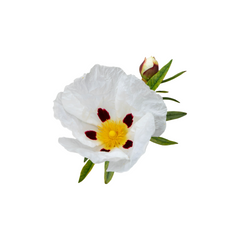
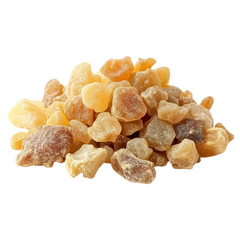
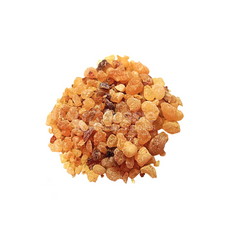
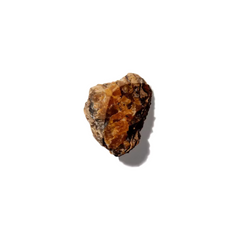
Resin in perfumery refers to a diverse group of aromatic exudates from trees and shrubs, including labdanum, frankincense (olibanum), myrrh, benzoin, and styrax. Chemically, resins are complex mixtures of terpenoids, resin acids (such as boswellic acids in frankincense), and aromatic esters. The core scent profile of resin is balsamic, warm, and sweet, often with woody, smoky, or slightly medicinal undertones. Labdanum, for example, is rich in labdane diterpenes, giving it a leathery, amber nuance, while frankincense contains α-pinene and incensole acetate, imparting citrusy, peppery, and pine-like facets. Myrrh is characterized by furanoeudesma-1,3-diene and curzerene, lending a bitter, earthy, and licorice-like aroma. What does resin smell like? The answer varies by type, but the unifying thread is a deep, lingering, and enveloping balsamic sweetness that forms the backbone of many classic and modern compositions.
In perfumery, resin is almost exclusively used as a base note due to its low volatility and high molecular weight. Typical concentrations range from 1–5% of the total formula, depending on the specific resin and desired effect. Resins act as fixatives, anchoring more volatile notes and extending the longevity of a fragrance. Their interaction with skin chemistry is notable: the warmth and moisture of skin can amplify the sweet, smoky, or leathery nuances, while skin pH may shift the balance between balsamic and medicinal facets. Resin in perfumery is essential for creating amber, oriental, and incense accords, and is often blended with vanilla, spices, and woods for added complexity.
Notable fragrances that exemplify resin’s role include Serge Lutens Ambre Sultan (1993, perfumer Christopher Sheldrake), where labdanum and benzoin create a rich, ambery base, and Maison Francis Kurkdjian Grand Soir (2016, Francis Kurkdjian), which showcases labdanum and benzoin for a warm, enveloping aura. In Tom Ford Ébène Fumé (2021), resins such as olibanum and cistus are paired with woods and spices to evoke smoky incense. Resin in perfumery remains indispensable for its ability to impart depth, longevity, and a sense of ancient ritual to modern scents.