Ingredient Guide · Amber Spicy
Amber Spicy Family · Perfumery Note

Red Wine

A deep, fruity, and tannic olfactory experience

Red wine is a heart note in perfumery characterized by rich fruity, tannic, and woody nuances. Key molecules include ethyl octanoate and oak lactones, used below 5% concentration.

Red Wine
Ingredient Profile

Red Wine

Amber Spicy Family
Family Amber Spicy
Note Position Heart Note
Usage Level <5%
Key Origins France, Italy, Spain
Iconic In Bloody Wood, Red Wine Brown Sugar
The Ingredient

What does Red Wine smell like and why is it significant in perfumery?

Red wine in perfumery captures the aromatic complexity of fermented dark grapes (Vitis vinifera), presenting a rich scent profile dominated by dark fruits such as blackberry and plum, combined with woody cedar and earthy undertones. This multifaceted aroma owes much to key molecules like ethyl octanoate, which imparts fruity-vinous notes, and oak lactones that contribute woody-vanilla nuances. The tannic astringency characteristic of red wine is translated into scent as a mouth-drying, slightly acidic facet, adding depth and texture. Typically classified as a heart note, red wine is used in concentrations below 5% in fragrance formulations. It interacts dynamically with skin chemistry, where body heat and pH influence the projection and evolution of its complex facets. Its medium odor strength ensures it provides a warm, boozy, and structured presence without overpowering. Red wine accords are often paired with tobacco, leather, and spice notes to enhance their boozy and woody character. Notable examples include Les Liquides Imaginaires' Bloody Wood (2016), where red wine forms a rich, vinous heart alongside woody and spicy accords, and Bohoboco's Red Wine Brown Sugar (2016), which balances the wine's fruitiness with sweet brown sugar and caramel. These fragrances exemplify red wine's role in creating warm, inviting, and sophisticated compositions.

<5%
Typical concentration of red wine accords in fragrance formulations to balance potency and wearability.
1–2 Sprays
Recommended application amount to experience full red wine complexity without overwhelming the senses.
4–5 Hours
Average longevity of red wine fragrances on skin, influenced by formulation and skin chemistry.
Origin & Extraction

Where Red Wine Comes From — Origin & Extraction

Red wine's scent profile is deeply influenced by its geographic origin, where soil composition, climate, and winemaking traditions shape the aromatic complexity. Terroir factors such as soil mineral content and barrel aging techniques impart distinctive woody and tannic nuances that translate into perfumery notes.

Red wine fragrance notes derive from the botanical source Vitis vinifera, the common grapevine species used globally for winemaking. The primary producing countries influencing red wine's aromatic profile in perfumery include France, Italy, Spain, Argentina, Chile, and Australia. France, with its diverse terroirs, produces classic red wines known for their depth and complexity, while Italy offers vibrant, warm red wines reflecting its varied climates. Spain contributes robust reds like Tempranillo, noted for bold flavors and earthy undertones. Extraction of natural red wine absolute is niche and involves solvent or supercritical CO2 extraction from grape pomace or lees, the solid remains after pressing. This process yields a pale to dark amber liquid capturing the complex aroma of fermented grapes, oak barrel influence, and tannic astringency. Extraction temperatures are carefully controlled to preserve volatile esters and oak lactones, key to the scent profile. Yields are low, making natural red wine absolute costly, approximately $3,000–6,000 per kilogram. Due to the complexity and cost, most red wine notes in perfumery are synthetic reconstructions. These combine aroma chemicals such as ethyl octanoate (fruity-vinous), oak lactones (woody-vanilla), and tannin-mimicking accords to replicate the full-bodied, aged wine character. Synthetic versions cost significantly less, around $50–200 per kilogram, and offer consistent quality and stability. Sustainability considerations favor synthetic production to reduce pressure on viticultural resources and ensure supply chain reliability. Natural extraction remains limited to artisanal or niche perfumery applications.

FR

France

France's diverse terroirs, including Bordeaux and Burgundy, produce red wines with complex tannins and oak barrel aging that yield classic vinous and woody aromas. French red wine notes are prized for their balance and depth, with France holding a significant market share in premium wine production.

IT

Italy

Italy's red wines, from regions like Tuscany and Piedmont, offer vibrant, warm fruity notes with earthy undertones. The Mediterranean climate and traditional winemaking contribute to rich, spicy, and slightly rustic red wine aromas favored in perfumery.

ES

Spain

Spain, especially Rioja and Ribera del Duero, produces robust red wines with bold flavors and pronounced tannins. The use of American oak barrels imparts vanilla and coconut-like lactones, enriching the red wine scent with woody-vanilla facets.

AR

Argentina

Argentina's Mendoza region yields Malbec wines characterized by dark berry fruit and smoky, earthy notes. High altitude vineyards contribute to intense aromatic profiles with pronounced fruit and tannic structure.

Chemistry

Natural vs Synthetic Red Wine in Perfumery

Natural red wine absolute is extracted from grape pomace or lees via solvent or supercritical CO2 extraction, capturing the complex, variable aroma of fermented grapes, oak barrel aging, and tannic astringency. It is a medium-strength odorant with a pale to dark amber appearance and commands a high price of $3,000–6,000 per kilogram due to low yields and labor-intensive processes. Synthetic red wine accords are formulated using key aroma chemicals such as ethyl octanoate (CAS 106-32-1), which imparts fruity-vinous notes; oak lactones (CAS 6540-58-1), providing woody-vanilla nuances; and tannin analogues that simulate the astringent mouth-drying sensation. These synthetics offer consistent quality, greater stability, and cost-effectiveness at approximately $50–200 per kilogram. Performance-wise, synthetic red wine accords provide longer-lasting and more stable scent profiles, with predictable diffusion and fewer batch-to-batch variations. Natural extracts may vary due to terroir and vintage effects, offering unique but less consistent olfactory experiences. Famous fragrances like Les Liquides Imaginaires' Bloody Wood and Bohoboco's Red Wine Brown Sugar utilize natural or semi-natural extracts, while many contemporary compositions rely on synthetic accords for reliability and sustainability. CA Perfume employs the HumanSafe™ platform to ensure transparency and safety in ingredient sourcing, favoring synthetic red wine accords for their environmental benefits and consistent olfactory performance.

Natural
Red Wine Absolute
Cost $3,000–6,000/kg
Method Solvent / CO₂
Character Complex, variable
vs
Synthetic
Safranal & Analogues
Cost $50–200/kg
Method Lab synthesis
Character Consistent, stable
Hall of Fame

Famous Fragrances That Define Red Wine in Perfumery

2016
dominant note

Bloody Wood

Les Liquides Imaginaires
by Chris Carbonnel
woody notesspicesamber
2016
dominant note

Red Wine Brown Sugar

Bohoboco
brown sugarcaramelleather
supporting note

Cherry Ink

Lorenzo Pazzaglia
cherryplumfruity notes
supporting note

Sacred Scarab

Zoologist Perfumes
tobaccovanillawarm spices
accent

La Danza delle Libellule

Nobile 1942
floral notesfruity notes

Red wine as a fragrance note has been masterfully employed in several notable perfumes, showcasing its ability to impart rich, boozy, and complex heart accords. Les Liquides Imaginaires' Bloody Wood (2016), crafted by perfumer Chris Carbonnel, features red wine as a dominant note, blending it with woody and spicy elements to evoke the mythic allure of wine and wood. Bohoboco's Red Wine Brown Sugar (2016) uses red wine as a central accord, paired with brown sugar, caramel, and leather to create a gourmand yet sophisticated scent. Lorenzo Pazzaglia's Cherry Ink (year unknown) incorporates red wine as a supporting note, enhancing the fruity and slightly tart character alongside cherry and plum. Zoologist Perfumes' Sacred Scarab (year unknown) uses red wine to add depth and warmth within a composition rich in tobacco and vanilla. Nobile 1942's La Danza delle Libellule (year unknown) employs red wine as an accent, complementing floral and fruity notes with its vinous complexity. These examples illustrate red wine's versatility in perfumery, from dominant to supporting roles, often paired with woody, spicy, leathery, and sweet accords. CA Perfume's collection honors this lineage by curating fragrances that explore red wine's multifaceted character, emphasizing authentic, rich, and nuanced compositions.

The Accord

How is a captivating Red Wine accord crafted?

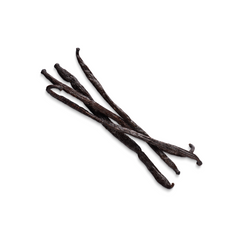
A red wine accord blends fruity esters, tannic astringency, woody nuances, and sweet balsamic elements to recreate the complexity of aged wine. The relative proportions balance to evoke richness and depth: Red Wine 30–35% provides the core vinous character; Benzoin 15–20% adds sweet, warm resinous facets; Cedarwood 25–30% contributes woody structure and dryness; and Vanilla 20–25% softens the astringency with creamy sweetness.

35%

Red Wine

30–35% of blend

Provides the core fruity, tannic, and vinous character with ethyl octanoate and tannin-like accords.

20%

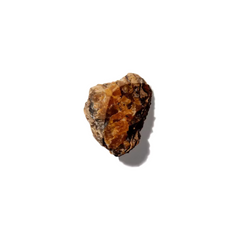
Benzoin

15–20% of blend

Adds sweet, warm, balsamic resinous notes that complement the wine's astringency and enhance longevity.

30%

Cedarwood

25–30% of blend

Contributes dry, woody structure and balances the fruity facets with a crisp, resinous dryness.

25%

Vanilla

20–25% of blend

Softens tannic sharpness through vanillin’s olfactory masking, adding creamy warmth and smoothness.

The Olfactory Layers

How Red Wine Evolves on Skin

Red wine in perfumery unfolds over several hours, starting with volatile fruity esters that provide an initial burst of dark berries and vinous brightness. As these evaporate, woody lactones and tannic astringency emerge, creating a warm, structured heart. The base reveals deeper resinous and leathery facets, sustained by slow-evaporating molecules that anchor the composition.

I
Top notes
0–15 min
Bright Fruity Burst

The opening features high-volatility esters such as ethyl octanoate, delivering bright, fruity aromas reminiscent of blackberry and plum. These molecules evaporate quickly, providing an immediate vinous freshness with subtle acidity.

FruityBrightVinous
II
Heart notes
20–60 min
Woody Tannic Warmth

Mid-volatility compounds like oak lactones and tannin-like accords develop, imparting woody-vanilla warmth and astringent, mouth-drying sensations. This stage reveals the wine's complexity and depth, with a balanced blend of fruity and woody elements.

WoodyTannicWarm
III
Base notes
Several hours
Resinous and Leathery Dry-Down

Low-volatility resinous and leathery molecules provide lasting warmth and richness. Benzoin and vanilla derivatives soften the astringency, while subtle smoky and balsamic nuances linger, ensuring a sustained, elegant dry-down.

ResinousLeatheryLong-lasting
TOP NOTES Bright Fruity Burst 0–15 minutes HEART NOTES Woody Tannic Warmth 20–60 minutes BASE NOTES Resinous and Leathery Dry-Down Several hours
Through the Ages

The Story of Red Wine in Perfumery

Red wine's aromatic influence in perfumery has evolved from early symbolic uses to sophisticated synthetic accords, reflecting advances in extraction and chemistry over centuries.

Antiquity

Ancient Use of Wine Aromas

Wine and fermented grape aromas were appreciated in ancient Middle Eastern and Mediterranean cultures, often used in ritual and medicinal contexts, laying early sensory foundations for later perfumery.

17th Century

Early Distillations of Wine Spirits

The distillation of wine into spirits like brandy began, capturing concentrated aromatic compounds that influenced later fragrance extraction techniques.

Late 19th Century

Development of Synthetic Aroma Chemicals

Advances in organic chemistry enabled the synthesis of key wine aroma molecules such as ethyl esters and lactones, facilitating the creation of wine accords in perfumery.

2010s

Emergence of Red Wine Notes in Niche Perfumery

Fragrances like Les Liquides Imaginaires' Bloody Wood (2016) popularized red wine accords, combining natural and synthetic elements to evoke complex vinous scents.

2020s

Refinement of Synthetic Red Wine Accords

Perfumers increasingly use sophisticated synthetic blends to replicate red wine's multifaceted aroma, balancing sustainability with olfactory authenticity.

The Art of Layering

How to Layer Red Wine

Understanding how to layer red wine involves molecular compatibility, balancing its tannic astringency and fruity esters with complementary notes to create harmonious blends.

01

Enhance Sweetness

Pair red wine with vanilla or caramel to soften tannic sharpness via olfactory masking, where vanillin's sweet threshold tempers astringency. Bohoboco's Red Wine Brown Sugar exemplifies this synergy.

02

Add Depth

Combine red wine with leather and tobacco notes to amplify its woody and boozy facets, creating a rich, structured accord as seen in Les Liquides Imaginaires' Bloody Wood.

03

Lighten the Glow

Layer red wine with fresh florals like rose or citrus such as bergamot to brighten the composition, leveraging shared esters for seamless blending and enhanced freshness.

Wear It Right

How to Wear Red Wine Like a Pro

Seasonal Guide

Fall & Winter

Cooler temperatures slow evaporation, allowing red wine's woody and resinous facets to linger longer. Apply moderately to pulse points for a warm, enveloping scent ideal for colder months.

Spring

Moderate temperatures balance fruity brightness and woody warmth. Layer with fresh florals or citrus to lighten the composition and enhance freshness.

Summer

Heat increases volatility, emphasizing the top fruity esters but potentially shortening longevity. Use lighter concentrations or pair with cooling notes like mint or citrus to maintain balance.

Year-Round Tip

Adjust application amount and layering partners seasonally to optimize red wine's rich complexity and ensure comfortable wear throughout the year.

Application Points

Strategic application enhances red wine's olfactory impact by leveraging body heat and diffusion.

1

Neck

Pulse points on the neck emit warmth that activates red wine's complex esters and tannins, enhancing projection and scent evolution.

2

Behind the Ears

This discreet area allows subtle diffusion of woody and resinous base notes, creating an intimate scent trail.

3

Inner Wrists

Frequent movement and warmth here intensify the fruity top notes, refreshing the scent throughout the day.

4

Hair

Hair fibers hold fragrance molecules longer, releasing red wine's nuanced aroma gradually with natural movement.

Pro Tip

Layer red wine fragrance with complementary unscented moisturizers to enhance longevity and prevent scent fading.

Mood Architecture™

Top Red Wine Fragrances by Mood Score

These Red Wine-based fragrances scored highest on the MEI™ Mood Architecture Framework — measuring how a scent may influence your emotional state.

Highest MEI Score
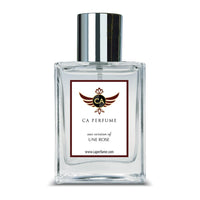
Une Rose — Frederic Malle Une Rose Alternative Perfume
7.29
MEI™
Primary Fresh
Secondary Romantic
Confidence
6.76
Presence
6.76
Mood Lift
8.24
Identity
6.95
Warmth
7.4
Social Ease
7.74
Energy
4.0
" I am radiant.
View full mood profile →
HumanSafe™

Top Red Wine Fragrances by HumanSafe™ Score

These Red Wine-based fragrances have the highest product-level HumanSafe™ scores in this ingredient collection.

Highest HumanSafe™ Score
Une Rose — Frederic Malle Une Rose Alternative Perfume
A-
HumanSafe™ Score Generally Safe
Safest Evaluated Ingredients EDP
AQUA Solvent / Carrier ISS 10.0
ACETIC ACID, PHENYLMETHYL ESTER Evaluated ingredient ISS 10.0
3-BUTEN-2-ONE, 4-(2,6,6-TRIMETHYL-2-CYCLOHEXEN-1- Evaluated ingredient ISS 9.0
1H-3A,7-METHANOAZULEN-6-OL, OCTAHYDRO-3,6,8,8- Evaluated ingredient ISS 9.0
CITRONELLOL Evaluated ingredient ISS 7.0
View full safety profile →
Expert Voices

What Masters Say About Red Wine

Red wine as a perfumery note captures the aromatic complexity of Vitis vinifera: fermented dark grape, oak barrel influence, tannin astringency, and the volatile esters that develop during aging.
Première Peau Editorial
The red wine fragrance note is characterized by rich fruity aromas and earthy undertones that capture the essence of a full-bodied vintage. It delivers a sensual richness that feels warm and inviting.
CA Perfume Editorial
Common Questions

Frequently Asked Questions

Frequently asked questions about red wine in perfumery, addressing scent, usage, and pairing.

Red wine in perfume smells rich and complex, combining dark fruity notes like blackberry and plum with woody cedar and earthy tannins. Key aroma compounds include ethyl octanoate and oak lactones, which provide a vinous, slightly astringent character. It is often used as a heart note in concentrations below 5%, contributing warmth and depth to compositions such as Les Liquides Imaginaires' Bloody Wood and Bohoboco's Red Wine Brown Sugar.

Red wine is primarily used as a heart note in perfumery. Its scent profile develops after the initial top notes evaporate, revealing complex fruity, woody, and tannic facets. It provides a warm, structured middle phase that bridges the bright opening and the resinous base notes.

Red wine is favored in niche perfumery for its rich, multifaceted aroma that evokes sophistication and depth. Its complex blend of fruity esters, tannic astringency, and woody warmth allows perfumers to create unique, evocative compositions that stand out from conventional fruity or gourmand notes.

Red wine fragrance uses commonly pair with vanilla and caramel to soften tannic edges, leather and tobacco to enhance woody and boozy facets, and florals like rose or citrus such as bergamot to add brightness. These combinations balance red wine's complexity and create harmonious accords.

Red wine perfumes can be worn in summer if formulated with lighter concentrations and balanced with fresh florals or citrus to mitigate heat-induced volatility. However, their rich, warm character is traditionally better suited for cooler seasons where longevity and depth are enhanced.

Red wine fragrances typically last 4 to 5 hours on skin, depending on concentration, formulation, and individual skin chemistry. Parfum concentrations and oil formats can extend longevity by anchoring the tannic and resinous base notes.

Yes, layering red wine with complementary notes like vanilla, leather, or fresh florals can enhance its complexity and tailor the scent profile. Understanding how to layer red wine at a molecular level helps create balanced and harmonious blends.

For beginners, fragrances like Bohoboco's Red Wine Brown Sugar offer an approachable introduction with a balanced sweetness and rich wine character. Les Liquides Imaginaires' Bloody Wood provides a more complex, boozy experience suitable for those seeking depth.

Selecting a red wine fragrance at CA Perfume involves considering your preference for sweetness, woodiness, and spice. Explore fragrance descriptions and samples to find compositions that highlight the facets you enjoy, supported by the HumanSafe™ platform's ingredient transparency.

Red wine in fragrance can exhibit both sweet and spicy facets depending on the composition. Sweetness often arises from caramel and vanilla accords that soften tannins, while spices like cinnamon or clove add warmth and complexity, creating a balanced olfactory experience.

Amber Spicy Collection

Explore Our Top Red Wine Fragrances

Discover curated selections featuring rich, vinous accords that showcase red wine's multifaceted olfactory appeal.

Shop all red wine fragrances at CA Perfume →

Where Red Wine Comes From — Origin & Extraction

Red wine fragrance notes derive from the botanical source Vitis vinifera, the common grapevine species used globally for winemaking. The primary producing countries influencing red wine's aromatic profile in perfumery include France, Italy, Spain, Argentina, Chile, and Australia. France, with its diverse terroirs, produces classic red wines known for their depth and complexity, while Italy offers vibrant, warm red wines reflecting its varied climates. Spain contributes robust reds like Tempranillo, noted for bold flavors and earthy undertones. Extraction of natural red wine absolute is niche and involves solvent or supercritical CO2 extraction from grape pomace or lees, the solid remains after pressing. This process yields a pale to dark amber liquid capturing the complex aroma of fermented grapes, oak barrel influence, and tannic astringency. Extraction temperatures are carefully controlled to preserve volatile esters and oak lactones, key to the scent profile. Yields are low, making natural red wine absolute costly, approximately $3,000–6,000 per kilogram. Due to the complexity and cost, most red wine notes in perfumery are synthetic reconstructions. These combine aroma chemicals such as ethyl octanoate (fruity-vinous), oak lactones (woody-vanilla), and tannin-mimicking accords to replicate the full-bodied, aged wine character. Synthetic versions cost significantly less, around $50–200 per kilogram, and offer consistent quality and stability. Sustainability considerations favor synthetic production to reduce pressure on viticultural resources and ensure supply chain reliability. Natural extraction remains limited to artisanal or niche perfumery applications.

Famous Fragrances That Define Red Wine in Perfumery

Red wine as a fragrance note has been masterfully employed in several notable perfumes, showcasing its ability to impart rich, boozy, and complex heart accords. Les Liquides Imaginaires' Bloody Wood (2016), crafted by perfumer Chris Carbonnel, features red wine as a dominant note, blending it with woody and spicy elements to evoke the mythic allure of wine and wood. Bohoboco's Red Wine Brown Sugar (2016) uses red wine as a central accord, paired with brown sugar, caramel, and leather to create a gourmand yet sophisticated scent. Lorenzo Pazzaglia's Cherry Ink (year unknown) incorporates red wine as a supporting note, enhancing the fruity and slightly tart character alongside cherry and plum. Zoologist Perfumes' Sacred Scarab (year unknown) uses red wine to add depth and warmth within a composition rich in tobacco and vanilla. Nobile 1942's La Danza delle Libellule (year unknown) employs red wine as an accent, complementing floral and fruity notes with its vinous complexity. These examples illustrate red wine's versatility in perfumery, from dominant to supporting roles, often paired with woody, spicy, leathery, and sweet accords. CA Perfume's collection honors this lineage by curating fragrances that explore red wine's multifaceted character, emphasizing authentic, rich, and nuanced compositions.

Natural vs Synthetic Red Wine in Perfumery

Natural red wine absolute is extracted from grape pomace or lees via solvent or supercritical CO2 extraction, capturing the complex, variable aroma of fermented grapes, oak barrel aging, and tannic astringency. It is a medium-strength odorant with a pale to dark amber appearance and commands a high price of $3,000–6,000 per kilogram due to low yields and labor-intensive processes. Synthetic red wine accords are formulated using key aroma chemicals such as ethyl octanoate (CAS 106-32-1), which imparts fruity-vinous notes; oak lactones (CAS 6540-58-1), providing woody-vanilla nuances; and tannin analogues that simulate the astringent mouth-drying sensation. These synthetics offer consistent quality, greater stability, and cost-effectiveness at approximately $50–200 per kilogram. Performance-wise, synthetic red wine accords provide longer-lasting and more stable scent profiles, with predictable diffusion and fewer batch-to-batch variations. Natural extracts may vary due to terroir and vintage effects, offering unique but less consistent olfactory experiences. Famous fragrances like Les Liquides Imaginaires' Bloody Wood and Bohoboco's Red Wine Brown Sugar utilize natural or semi-natural extracts, while many contemporary compositions rely on synthetic accords for reliability and sustainability. CA Perfume employs the HumanSafe™ platform to ensure transparency and safety in ingredient sourcing, favoring synthetic red wine accords for their environmental benefits and consistent olfactory performance.