Ingredient Guide · Floral
Floral Family · Perfumery Note

Red Cyclamen

Delicate blooms with dewy, radiant freshness

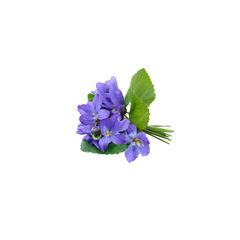
Red Cyclamen is a heart note in perfumery known for its light floral aroma with green, slightly earthy undertones. It is used at concentrations below 5%, prized for its crisp, dewy scent that enhances freshness in compositions.

Red Cyclamen
Ingredient Profile

Red Cyclamen

Floral Family
Family Floral
Note Position Heart Note
Usage Level <5%
Key Origins Italy, France, Greece
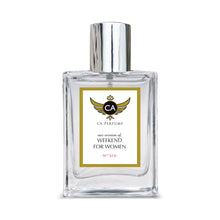
Iconic In Weekend for Women, Fresco
The Ingredient

What does Red Cyclamen smell like and why is it cherished?

Red Cyclamen, botanically known for its delicate and vibrant blooms, offers a light floral aroma balanced by green and slightly earthy undertones. Its scent profile is often described as fresh, dewy, and radiant, contributing a crisp and uplifting floral note in perfumery. The key synthetic molecule defining the cyclamen accord is cyclamen aldehyde (2-methyl-3-(para-isopropylphenyl)propionaldehyde, CAS 103-95-7), which imparts a bright, green-floral freshness reminiscent of lily-of-the-valley and lilac. In perfumery, red cyclamen is classified as a heart note, typically used at concentrations below 5%. It interacts with skin chemistry by providing a vibrant floral essence that evolves subtly over 6 to 8 hours, offering a refreshing yet calming presence. The note's moderate volatility and diffusion make it ideal for compositions requiring a clean, airy floral character. Notable fragrances showcasing red cyclamen include Burberry's Weekend for Women (2007), where it functions as a foundational floral note paired with rose and violet accords, and Victor's Fresco (year unknown), which highlights cyclamen's crispness alongside citrus and soft florals. These examples demonstrate red cyclamen's versatility and enduring appeal in modern perfumery.

2–3 Sprays
Optimal application amount to achieve a noticeable yet balanced presence of red cyclamen without overpowering the composition.
6–8 Hours
Typical longevity range for cyclamen-based fragrances, providing a sustained fresh floral experience throughout the day.
<5%
Common usage concentration of red cyclamen aldehyde in perfume formulations, balancing impact and blend harmony.
Origin & Extraction

Where Red Cyclamen Comes From — Origin & Extraction

Red Cyclamen's scent profile is influenced by its geographic origins, where soil composition, climate, and altitude shape the flower's aromatic expression. Mediterranean countries with temperate climates produce cyclamen with vibrant floral intensity and fresh green nuances.

Red Cyclamen flourishes in temperate regions, with key botanical sources including Cyclamen persicum species native to the Mediterranean basin. Principal producing countries are Italy, France, and Greece, where wild and cultivated cyclamen plants benefit from rich, well-drained soils and moderate climates. Italy is noted for its horticultural heritage, producing cyclamen with vibrant colors and distinctive aromatic profiles reflecting Mediterranean terroir. France's gardens and parks also contribute to cyclamen cultivation, while Greece's mountainous regions yield wild cyclamen with unique scent variations influenced by local flora and terrain. Extraction of natural cyclamen absolute is challenging due to the flower's faint scent and delicate nature. Solvent extraction using hexane or ethanol, and increasingly supercritical CO₂ extraction, are employed to obtain the absolute, which is complex and variable in character. Yields are low, contributing to high costs ranging from $3,000 to $6,000 per kilogram. Due to the rarity and expense of natural cyclamen absolute, perfumers predominantly use synthetic cyclamen aldehyde and related analogues, synthesized via condensation of 4-isopropylbenzaldehyde with acetaldehyde followed by hydrogenation. These synthetics offer consistent quality and stability at $50 to $200 per kilogram. Sustainability considerations favor synthetic production to reduce pressure on wild cyclamen populations and ensure supply chain reliability.

IT

Italy

Italy's rich horticultural tradition and Mediterranean climate foster cyclamen with vibrant colors and a unique floral profile. Production is significant in wild and cultivated settings, reflecting the region's soil richness and moderate rainfall.

FR

France

French cyclamen thrive in gardens and parks, contributing to local aromatic landscapes. The temperate climate and well-drained soils support blooms with a balanced floral and green scent, enhancing the note's freshness.

GR

Greece

Greece's mountainous regions produce wild cyclamen with distinctive scent variations due to diverse flora and terrain. These factors add authenticity and complexity to the cyclamen's aromatic character.

Chemistry

Natural vs Synthetic Red Cyclamen in Perfumery

Natural red cyclamen absolute is extracted through solvent or CO₂ methods, yielding a complex and variable aroma that reflects the botanical source's nuances. However, its extraction is costly and limited by low yield and the flower's faint scent. Natural absolute costs range from $3,000 to $6,000 per kilogram. The natural form offers a subtle, evolving scent with a rich aromatic profile but can vary batch to batch. Synthetic cyclamen aldehyde (CAS 103-95-7) and analogues such as methyl cyclamen aldehyde and cyclamen alcohol are laboratory-produced molecules designed to replicate and amplify the cyclamen scent profile. These synthetics provide consistent, stable aroma with excellent longevity and diffusion, making them preferred in commercial perfumery. Synthetic forms cost approximately $50 to $200 per kilogram, significantly more affordable than natural absolute. Famous fragrances like Burberry Weekend for Women and Victor Fresco utilize synthetic cyclamen aldehyde for its bright, fresh floral character. The HumanSafe™ platform ensures transparency regarding synthetic ingredient safety and environmental impact. CA Perfume values both natural complexity and synthetic reliability, employing each form judiciously to balance artistry, sustainability, and consumer expectations.

Natural
Red Cyclamen Absolute
Cost $3,000–6,000/kg
Method Solvent / CO₂
Character Complex, variable
vs
Synthetic
Safranal & Analogues
Cost $50–200/kg
Method Lab synthesis
Character Consistent, stable
Hall of Fame

Famous Fragrances That Define Red Cyclamen in Perfumery

2007
heart note

Weekend for Women

Burberry
by Antoine Maisondieu
rosevioletcitrus
—
dominant note

Fresco

Victor
citrussoft florals
—
supporting note

Alianse

Dzintars
floralsweet
—
supporting note

Bukhara

Edgardio Chilini
floralviolet

Red Cyclamen has been embraced by perfumers for its fresh, floral, and slightly green character, appearing in numerous notable fragrances over recent decades. Burberry's Weekend for Women (2007), crafted by perfumer Antoine Maisondieu, features red cyclamen as a heart note, where it bridges crisp citrus top notes with soft rose and violet accords, creating a vibrant yet comforting floral bouquet. Victor's Fresco (year unknown) uses red cyclamen as a dominant floral note, paired with citrus and soft florals to evoke a fresh, uplifting aura. Dzintars' Alianse and Edgardio Chilini's Bukhara also incorporate red cyclamen as a supporting floral element, enhancing their compositions' complexity and freshness. These fragrances demonstrate cyclamen's versatility across floral, sweet, and violet accords. CA Perfume's collection honors this lineage by offering fragrances that reflect red cyclamen's radiant floral essence, emphasizing natural freshness and elegant heart notes without overwhelming intensity.

The Accord

How is a captivating Red Cyclamen accord crafted?

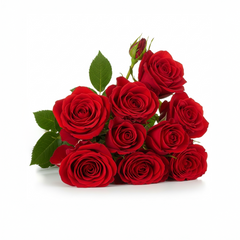
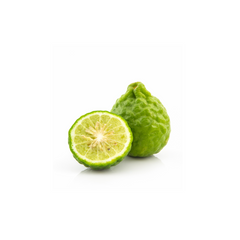
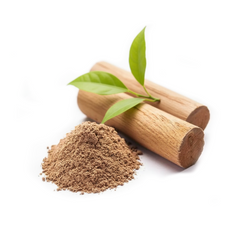
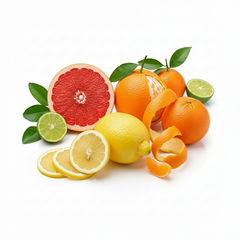
A refined Red Cyclamen accord typically comprises 25-30% Red Cyclamen aldehyde to provide the signature fresh, green-floral heart. Complementary rose (20-25%) shares damascenone compounds, creating a seamless floral bridge. Citrus notes (15-20%) such as bergamot or lemon enhance the accord's brightness through shared aldehydic molecules. Woody notes like sandalwood (20-25%) ground the composition with vanillin and sesquiterpenes, balancing the floral crispness. This blend totals approximately 90-100%, harmonizing molecular interactions for a radiant, fresh floral accord.

30%

Red Cyclamen Aldehyde

25–30% of blend

Provides the fresh, green-floral character with strong diffusion and brightness.

25%

Rose

20–25% of blend

Shares damascenone compounds with cyclamen, creating a molecular floral bridge.

20%

Bergamot

15–20% of blend

Adds citrus brightness and aldehydic freshness, enhancing the accord's radiance.

25%

Sandalwood

20–25% of blend

Grounds the floral notes with warm, creamy vanillin and sesquiterpene richness.

The Olfactory Layers

How Red Cyclamen Evolves on Skin

Red Cyclamen's olfactory journey begins with bright, fresh floral and green aldehydes that evaporate within the first 15 minutes, followed by a radiant heart of crisp floral aldehydes and subtle earthy undertones lasting up to an hour. The base reveals soft woody and musky facets that provide lasting warmth and depth over several hours.

I
Top notes
0–15 min
Bright Freshness

Initial impression features high-volatility aldehydes and green notes, delivering a fresh, dewy floral brightness primarily from cyclamen aldehyde and citrus components.

FreshAldehydicGreen
II
Heart notes
20–60 min
Radiant Floral Bouquet

The heart unfolds with cyclamen's signature crisp floral aldehydes, supported by rose and violet nuances, creating a radiant and slightly earthy floral bouquet.

FloralCrispRadiant
III
Base notes
Several hours
Warm Woody Foundation

Base notes consist of sandalwood, musk, and subtle amber, providing a warm, creamy foundation that balances the floral brightness and extends longevity.

WoodyMuskyWarm
TOP NOTES Bright Freshness 0–15 minutes HEART NOTES Radiant Floral Bouquet 20–60 minutes BASE NOTES Warm Woody Foundation Several hours
Through the Ages

The Story of Red Cyclamen in Perfumery

Red Cyclamen's journey in perfumery spans from its botanical origins in the Mediterranean to its synthetic adaptation in modern fragrance creation, marking key milestones in scent development and popularization.

Antiquity

Cyclamen in Mediterranean Culture

Cyclamen flowers were cultivated and revered in Mediterranean regions, symbolizing love and devotion in ancient societies, influencing early aromatic uses.

1980s

Introduction of Cyclamen in Modern Perfumery

Synthetic cyclamen aldehyde was developed to replicate the faint natural scent, enabling widespread use in fragrance compositions.

2007

Burberry Weekend for Women Launch

This fragrance prominently featured red cyclamen as a heart note, showcasing its fresh floral character in a mainstream perfume.

2010s

Expansion in Floral and Fresh Fragrances

Red cyclamen became a staple in floral accords, paired with rose, violet, and citrus in various niche and designer perfumes.

2020s

Sustainability and Synthetic Innovation

Focus on sustainable sourcing and synthetic alternatives increased, with cyclamen aldehyde production optimized for environmental impact and consistency.

The Art of Layering

How to Layer Red Cyclamen

Understanding how to layer red cyclamen involves molecular compatibility to enhance or balance its floral freshness. Layering can modulate perception through shared compounds and olfactory masking.

01

Enhance Sweetness

Pair red cyclamen with vanilla or honey, whose vanillin and sugar molecules mask cyclamen’s sharp edges, creating a warm, inviting floral gourmand accord. This technique is exemplified in fragrances like Dolce&Gabbana's L'Imperatrice.

02

Add Depth

Combine cyclamen with woody notes such as sandalwood or resins like benzoin. The sesquiterpenes and aromatic resins ground cyclamen’s ethereal qualities, producing a sophisticated, layered fragrance as seen in Burberry Weekend for Women.

03

Lighten the Glow

Blend cyclamen with fresh citrus or light florals like jasmine. Shared aldehydic and floral molecules create a radiant, energizing scent ideal for spring and summer, demonstrated in Victor's Fresco.

Wear It Right

How to Wear Red Cyclamen Like a Pro

Seasonal Guide

Fall & Winter

Cooler temperatures reduce volatility, allowing red cyclamen's floral heart to linger softly. Layer with warm woods or resins to enhance depth and longevity during colder months.

Spring

Spring's moderate warmth enhances cyclamen's fresh, dewy facets. Pair with light florals and citrus for a vibrant, uplifting scent reflective of blooming gardens.

Summer

Higher heat increases volatility, intensifying cyclamen's brightness but potentially shortening wear time. Apply lightly and consider layering with aquatic or green notes for freshness.

Year-Round Tip

Apply red cyclamen fragrances to pulse points and hair to maximize diffusion and enjoy its radiant floral character throughout the year.

Application Points

Strategic application enhances red cyclamen's radiant floral presence and longevity.

1

Neck

Pulse points at the neck emit warmth, helping cyclamen aldehyde to diffuse effectively and reveal its fresh floral heart.

2

Behind the Ears

This area’s subtle heat supports gradual scent release, maintaining cyclamen’s crispness throughout the day.

3

Inner Wrists

Wrists provide warmth and movement, enhancing the note’s radiant and dewy qualities with each gesture.

4

Hair

Hair fibers hold fragrance molecules, allowing cyclamen’s fresh floral scent to trail gently with natural motion.

★

Pro Tip

Layer cyclamen with complementary notes on skin and clothing for a balanced, long-lasting floral experience.

Mood Architecture™

Top Red Cyclamen Fragrances by Mood Score

These Red Cyclamen-based fragrances scored highest on the MEI™ Mood Architecture Framework — measuring how a scent may influence your emotional state.

Highest MEI Score
Weekend For Women — Weekend Alternative Perfume
6.9
MEI™
Primary Romantic
Secondary Confident
Confidence
6.65
Presence
6.88
Mood Lift
7.2
Identity
6.97
Warmth
7.6
Social Ease
6.8
Energy
3.9
" I am beautiful.
View full mood profile →
HumanSafe™

Top Red Cyclamen Fragrances by HumanSafe™ Score

These Red Cyclamen-based fragrances have the highest product-level HumanSafe™ scores in this ingredient collection.

Highest HumanSafe™ Score
Weekend For Women — Weekend Alternative Perfume
A-
HumanSafe™ Score Generally Safe
Safest Evaluated Ingredients EDP
AQUA Solvent / Carrier ISS 10.0
2(3H)-FURANONE, 5-HEPTYLDIHYDRO- Evaluated ingredient ISS 10.0
BENZYL SALICYLATE EYE IRRITATION - CAT.2B [H320] Evaluated ingredient ISS 9.0
1H-3A,7-METHANOAZULENE, OCTAHYDRO-6-METHOXY- Evaluated ingredient ISS 9.0
(2,5-DIMETHYL-2,3-DIHYDRO-1H-INDEN-2-YL)METHANOL CAT. 3 Evaluated ingredient ISS 9.0
3-BUTEN-2-ONE, 3-METHYL-4-(2,6,6-TRIMETHYL-2- Evaluated ingredient ISS 8.0
View full safety profile →
Expert Voices

What Masters Say About Red Cyclamen

“
Incorporating red cyclamen into a blend can transform the entire fragrance, evoking memories of blooming gardens and vibrant landscapes.
Oliver Grant, Aromatic Specialist
“
Red cyclamen provides a crisp, radiant floral heart that enhances freshness and adds a unique dewy character to compositions.
CA Perfume Editorial
Common Questions

Frequently Asked Questions

Common questions about red cyclamen in perfumery answered with technical detail.

Red Cyclamen in perfume smells fresh, floral, and slightly green with dewy, radiant qualities. It is often described as crisp and uplifting, reminiscent of lily-of-the-valley and soft rose with subtle peppery nuances. This scent profile is primarily created by synthetic cyclamen aldehyde (CAS 103-95-7), which mimics the natural flower's delicate aroma. It functions as a heart note in many fragrances, contributing to a clean, airy floral bouquet.

Red Cyclamen is primarily used as a heart note in perfumery. It bridges the bright, volatile top notes and the deeper, longer-lasting base notes. Its moderate volatility and diffusion allow it to provide a sustained fresh floral character that lasts several hours, typically between 6 to 8 hours on skin.

Red Cyclamen is favored in niche perfumery for its unique ability to add a fresh, dewy floral character that is both delicate and radiant. It enhances complexity without overpowering other notes, making it ideal for sophisticated floral accords. Its synthetic form offers consistency and versatility, allowing perfumers to craft nuanced compositions that appeal to discerning consumers.

Red Cyclamen fragrance uses include pairing with rose and violet for a harmonious floral bouquet, citrus notes like bergamot to enhance brightness, and woody notes such as sandalwood to ground the composition. Gourmand elements like vanilla or honey can soften its edges, while musk adds warmth and longevity.

Yes, Red Cyclamen is well-suited for summer and hot weather due to its fresh, crisp, and radiant scent profile. However, higher temperatures increase volatility, so lighter application and layering with aquatic or green notes can help maintain freshness and longevity in warm climates.

Red Cyclamen fragrances typically last between 6 to 8 hours on skin. Its moderate volatility ensures a sustained floral presence without overwhelming intensity, making it suitable for all-day wear in various formats such as Eau de Parfum and Eau de Toilette.

Yes, layering Red Cyclamen with other fragrances is effective for enhancing complexity. It pairs well with gourmand notes like vanilla to add warmth, woods or resins for depth, and fresh citrus or light florals to brighten the scent. Understanding molecular compatibility helps achieve a balanced and harmonious blend.

Beginner-friendly Red Cyclamen perfumes include Burberry Weekend for Women, which offers a balanced floral bouquet, and Victor Fresco, known for its fresh and uplifting cyclamen note. These fragrances showcase cyclamen’s radiant floral character in accessible compositions.

Choosing the right Red Cyclamen fragrance at CA Perfume involves considering desired scent intensity, complementary notes, and occasion. Our collection offers options emphasizing natural freshness or sophisticated floral accords, all verified through the HumanSafe™ platform for ingredient transparency and safety.

Red Cyclamen primarily smells fresh and floral with subtle green and slightly earthy undertones. It can exhibit faint peppery or spicy nuances depending on the synthetic variations used, such as methyl cyclamen aldehyde, which imparts a sweeter and spicier facet to the scent profile.

Floral Collection

Explore Our Top Red Cyclamen Fragrances

Discover fragrances featuring red cyclamen's fresh and radiant floral character, curated for diverse preferences and occasions.

Shop all red cyclamen fragrances at CA Perfume →

Where Red Cyclamen Comes From — Origin & Extraction

Red Cyclamen flourishes in temperate regions, with key botanical sources including Cyclamen persicum species native to the Mediterranean basin. Principal producing countries are Italy, France, and Greece, where wild and cultivated cyclamen plants benefit from rich, well-drained soils and moderate climates. Italy is noted for its horticultural heritage, producing cyclamen with vibrant colors and distinctive aromatic profiles reflecting Mediterranean terroir. France's gardens and parks also contribute to cyclamen cultivation, while Greece's mountainous regions yield wild cyclamen with unique scent variations influenced by local flora and terrain. Extraction of natural cyclamen absolute is challenging due to the flower's faint scent and delicate nature. Solvent extraction using hexane or ethanol, and increasingly supercritical CO₂ extraction, are employed to obtain the absolute, which is complex and variable in character. Yields are low, contributing to high costs ranging from $3,000 to $6,000 per kilogram. Due to the rarity and expense of natural cyclamen absolute, perfumers predominantly use synthetic cyclamen aldehyde and related analogues, synthesized via condensation of 4-isopropylbenzaldehyde with acetaldehyde followed by hydrogenation. These synthetics offer consistent quality and stability at $50 to $200 per kilogram. Sustainability considerations favor synthetic production to reduce pressure on wild cyclamen populations and ensure supply chain reliability.

Famous Fragrances That Define Red Cyclamen in Perfumery

Red Cyclamen has been embraced by perfumers for its fresh, floral, and slightly green character, appearing in numerous notable fragrances over recent decades. Burberry's Weekend for Women (2007), crafted by perfumer Antoine Maisondieu, features red cyclamen as a heart note, where it bridges crisp citrus top notes with soft rose and violet accords, creating a vibrant yet comforting floral bouquet. Victor's Fresco (year unknown) uses red cyclamen as a dominant floral note, paired with citrus and soft florals to evoke a fresh, uplifting aura. Dzintars' Alianse and Edgardio Chilini's Bukhara also incorporate red cyclamen as a supporting floral element, enhancing their compositions' complexity and freshness. These fragrances demonstrate cyclamen's versatility across floral, sweet, and violet accords. CA Perfume's collection honors this lineage by offering fragrances that reflect red cyclamen's radiant floral essence, emphasizing natural freshness and elegant heart notes without overwhelming intensity.

Natural vs Synthetic Red Cyclamen in Perfumery

Natural red cyclamen absolute is extracted through solvent or CO₂ methods, yielding a complex and variable aroma that reflects the botanical source's nuances. However, its extraction is costly and limited by low yield and the flower's faint scent. Natural absolute costs range from $3,000 to $6,000 per kilogram. The natural form offers a subtle, evolving scent with a rich aromatic profile but can vary batch to batch. Synthetic cyclamen aldehyde (CAS 103-95-7) and analogues such as methyl cyclamen aldehyde and cyclamen alcohol are laboratory-produced molecules designed to replicate and amplify the cyclamen scent profile. These synthetics provide consistent, stable aroma with excellent longevity and diffusion, making them preferred in commercial perfumery. Synthetic forms cost approximately $50 to $200 per kilogram, significantly more affordable than natural absolute. Famous fragrances like Burberry Weekend for Women and Victor Fresco utilize synthetic cyclamen aldehyde for its bright, fresh floral character. The HumanSafe™ platform ensures transparency regarding synthetic ingredient safety and environmental impact. CA Perfume values both natural complexity and synthetic reliability, employing each form judiciously to balance artistry, sustainability, and consumer expectations.