Where Red Apple Comes From — Origin & Extraction
Red apple as a perfumery note is not extracted from the fruit itself, as apples (Malus domestica) do not yield essential oil or absolute through conventional extraction methods. The volatile aroma compounds in real apples are dominated by esters such as hexyl acetate, butyl acetate, and 2-methylbutyl acetate, but these are present in trace amounts and are not economically viable to isolate from the fruit. Instead, the red apple note is constructed synthetically in the laboratory using a combination of esters (hexyl acetate CAS 142-92-7, ethyl-2-methylbutyrate CAS 7452-79-1), damascones (alpha-damascone CAS 23726-93-4, beta-damascenone CAS 23696-85-7), Verdox (CAS 88-41-5), and Fructone (CAS 6413-10-1). These molecules are blended to recreate the sweet, juicy, and slightly tart facets of red apple.
The primary manufacturers of apple aroma chemicals are global fragrance houses such as Givaudan, Firmenich, and IFF, with production centered in Europe, the United States, and China. The cost of synthetic apple accords is relatively low, typically $50–$200 per kilogram, compared to natural fruit extracts, which are not feasible for apple. Sustainability is enhanced by the use of renewable feedstocks for some esters, and the synthetic route avoids the agricultural and land use impacts associated with natural extraction. There are no IFRA restrictions specific to apple aroma chemicals, though individual components are subject to standard safety assessments.
Historically, early attempts to capture apple aroma involved maceration of the fruit in fats or oils, but these yielded unstable and short-lived results. The modern synthetic apple accord was developed in the mid-20th century, with key molecules such as hexyl acetate and damascones identified and commercialized between the 1950s and 1970s. Today, red apple is a staple of the perfumer’s palette, offering consistency, safety, and creative flexibility.
Famous Fragrances That Define Red Apple in Perfumery
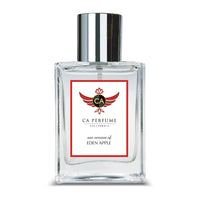
Red apple has become a defining note in contemporary perfumery, particularly in fruity-floral and gourmand compositions. One of the most prominent examples is Kayali Eden Juicy Apple | 01 Eau De Parfum (2021, perfumer unknown), where red apple is the dominant top note, paired with berries and lychee for a vibrant, playful effect. Jo Malone Peony & Blush Suede (2013, Christine Nagel) features red apple as a sparkling opening, transitioning into peony and suede for a nuanced, feminine scent. Valentino Uomo Born In Roma Coral Fantasy (2022, Jean-Christophe Hérault and Nicolas Beaulieu) uses red apple in combination with cardamom and lavender, creating a modern, energetic introduction.
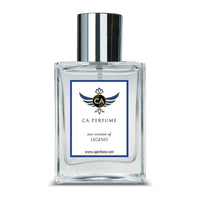
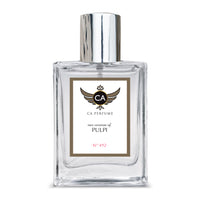
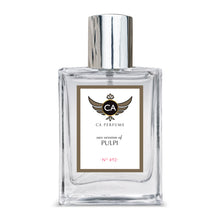
Montblanc Legend (2011, Olivier Pescheux) incorporates red apple as a bridge note, linking fresh citrus with aromatic lavender and woody base notes. Byredo Pulp (2008, Jérôme Epinette) employs red apple alongside blackcurrant and fig for a bold, fruit-forward composition. These fragrances demonstrate the versatility of red apple, functioning as a dominant note in some, an accent in others, and often paired with floral, woody, or gourmand elements. CA Perfume’s collection draws inspiration from this lineage, offering red apple-centric scents that explore both playful and sophisticated interpretations.
Natural vs Synthetic Red Apple in Perfumery
There is no viable natural extraction of red apple for perfumery; all apple notes are constructed synthetically. Key synthetic molecules include hexyl acetate (CAS 142-92-7), ethyl-2-methylbutyrate (CAS 7452-79-1), and alpha-damascone (CAS 23726-93-4). These compounds provide the fruity, juicy, and cider-like facets of apple, with Verdox (CAS 88-41-5) and Fructone (CAS 6413-10-1) adding green and ethereal nuances. Synthetic apple accords offer superior stability, longevity, and batch-to-batch consistency compared to any natural attempt. The cost of these aroma chemicals is typically $50–$200/kg, making them accessible for both niche and mass-market perfumery.
Famous fragrances such as Kayali Eden Juicy Apple | 01, Jo Malone Peony & Blush Suede, and Hugo Boss Boss Orange all rely on synthetic apple accords for their signature openings. The use of synthetics also enhances sustainability by reducing agricultural land use and avoiding the waste associated with fruit processing. CA Perfume utilizes HumanSafe™ platform transparency to ensure all apple aroma chemicals are IFRA-compliant and free from phthalates and other restricted substances. The synthetic approach allows for creative control and reproducibility, making red apple a reliable and safe choice for modern fragrance design.