Ingredient Guide · Sweets and Gourmand Smells
Sweets and Gourmand Smells Family · Perfumery Note

Praline

A modern synthetic note evoking caramelized nuts and creamy confections.

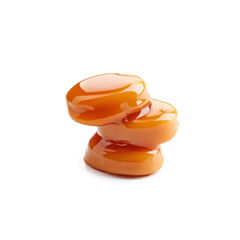
In perfumery, praline is a heart-to-base note accord that mimics the aroma of caramelized sugar and roasted nuts. Its defining quality comes from ethyl maltol and lactones, used at 0.1–1% for a pronounced gourmand effect.

Praline
Ingredient Profile

Praline

Sweets and Gourmand Smells Family
Family Sweets and Gourmand Smells
Note Position Heart Note
Usage Level 0.1–1% in formula
Key Origins France, United States, China
Iconic In Angel, La Vie Est Belle
The Ingredient

What does Praline smell like and why is it a modern gourmand icon?

Praline in perfumery is a synthetic accord designed to evoke the aroma of caramelized sugar and roasted nuts, most commonly almonds or hazelnuts. The scent profile is dominated by ethyl maltol (CAS 4940-11-8), which imparts an intense, sweet, caramelic note with jammy, fruity undertones. Additional molecules such as maltol, furaneol, lactones, and aldehydes contribute nuances of toasted sugar, creamy milk, and subtle nutty facets. The result is a soft yet powerful fragrance note that bridges the gap between edible confections and abstract sweetness, often described as lactonic, balsamic, and candy-like. This makes praline a cornerstone of the gourmand fragrance family, where it delivers both comfort and olfactory impact. In perfumery, praline is typically classified as a heart or base note due to its moderate volatility and fixative properties. It is most often used at concentrations ranging from 0.1% to 1% of the total formula, depending on the desired intensity and the presence of other sweet or creamy notes. Praline interacts with skin chemistry through its lactonic and aldehydic components, which can be amplified by body heat and moisture, resulting in a more pronounced sweetness or a creamy, nutty warmth. The note is highly diffusive and can dominate a composition if overdosed, but when balanced, it provides a luscious, lingering trail. The modern use of praline in perfumery began with Thierry Mugler's Angel (1992), composed by Olivier Cresp and Yves de Chirin, which introduced the first prominent praline accord built around ethyl maltol and patchouli. Since then, praline has defined numerous bestsellers, including Lancôme La Vie Est Belle (2012, Anne Flipo, Dominique Ropion, Olivier Polge) and Yves Saint Laurent Black Opium (2014, Nathalie Lorson, Marie Salamagne, Olivier Cresp, Honorine Blanc). These fragrances showcase praline’s versatility, pairing it with patchouli, vanilla, florals, and coffee for a signature gourmand effect. Thus, praline in perfumery is both a technical achievement in aroma chemistry and a cultural icon of contemporary fragrance design.

0.1–1% in formula
Typical concentration of praline accord in modern fragrances. Higher levels risk overpowering the composition due to ethyl maltol’s intense sweetness.
8–24 hours
Average longevity of praline-forward fragrances, depending on concentration and skin chemistry. Persistence is driven by lactones and vanillin.
$35–$100/kg
Industrial price range for ethyl maltol, the main praline aroma chemical. This enables widespread use in both niche and mass-market perfumery.
Origin & Extraction

Where Praline Comes From — Origin & Extraction

Praline’s scent character is shaped by the quality and origin of its synthetic components, with European and US manufacturers leading in purity and consistency. Soil and climate factors are less relevant than chemical process control.

Praline as a perfumery note does not exist in nature; it is a synthetic accord inspired by the confection of caramelized nuts, historically originating in 17th-century France. The original edible praline combined almonds with boiled sugar, later evolving to include hazelnuts and chocolate in Belgian and American variations. In fragrance, the note is constructed entirely from synthetic molecules, as no direct natural extract can replicate the complex aroma of praline. The primary molecules used to create the praline accord are ethyl maltol (CAS 4940-11-8), maltol (CAS 118-71-8), furaneol (CAS 3658-77-3), and various lactones and aldehydes. Ethyl maltol is produced via chemical synthesis from toluene, with a typical yield of over 90% in industrial processes. Furfural and 5-methyl furfural, derived from agricultural byproducts like bran and corncobs, contribute caramel and roasted facets. Lactones such as γ-nonalactone (peach-like) and δ-decalactone (creamy, milky) are synthesized from fatty acids. These molecules are blended in precise ratios to achieve the desired nutty, caramelic, and milky nuances. Major producers of these aroma chemicals include Givaudan, Firmenich, IFF, and Symrise, with global production centered in Western Europe, the US, and China. Ethyl maltol is widely available at $35–$100 per kg, while specialty lactones and furaneol can range from $150–$500 per kg. In contrast, natural nut extracts (e.g., hazelnut CO2 extract) are rarely used due to cost, instability, and allergenicity. The synthetic approach ensures batch-to-batch consistency, scalability, and IFRA compliance. Sustainability is addressed by sourcing renewable feedstocks for furfural and minimizing solvent use in lactone synthesis. No direct agricultural land is required for praline’s production, making it a lower-impact gourmand note compared to natural vanilla or tonka bean.

FR

France

Grasse and Lyon are key sites for aroma chemical production, with Givaudan and Firmenich synthesizing ethyl maltol and lactones. French praline accords are prized for their balance and subtlety, reflecting rigorous quality standards.

US

United States

New Jersey and Texas house major IFF and Symrise facilities, producing high-purity maltol and furaneol. US-made praline notes are known for their intensity and consistency, with robust supply chains.

CN

China

Jiangsu and Zhejiang provinces supply bulk ethyl maltol and lactones for global markets. Chinese production emphasizes scale and cost-efficiency, with increasing investments in environmental controls.

Chemistry

Natural vs Synthetic Praline in Perfumery

There is no natural praline extract available for perfumery; all praline notes are constructed from synthetic aroma chemicals. The primary molecules include ethyl maltol (CAS 4940-11-8), maltol (CAS 118-71-8), and furaneol (CAS 3658-77-3). Ethyl maltol provides the intense caramelized sugar and jammy fruitiness, while maltol adds a softer, toasty-sweet facet. Furaneol contributes a strawberry-caramel nuance. Lactones (e.g., γ-nonalactone, CAS 104-61-0) impart creamy, milky undertones. These synthetics offer superior stability, longevity, and batch consistency compared to any natural nut or caramel extracts, which are unstable and prone to oxidation. Performance-wise, synthetic praline accords exhibit strong diffusion and persistence, often lasting 8–24 hours on skin, depending on formula concentration. The cost of synthetic praline accords is significantly lower than natural gourmand materials: ethyl maltol is $35–$100/kg, while natural vanilla absolute exceeds $4,000/kg. Iconic fragrances such as Mugler Angel (1992), Lancôme La Vie Est Belle (2012), and YSL Black Opium (2014) all rely on synthetic praline accords for their signature sweetness. Sustainability is enhanced by the use of renewable feedstocks for furfural and maltol, and by avoiding allergenic nut extracts. CA Perfume’s HumanSafe™ platform ensures full traceability and IFRA compliance for all praline-related synthetics, with transparent sourcing and allergen disclosure.

Natural
Praline Absolute
Cost $3,000–6,000/kg
Method Solvent / CO₂
Character Complex, variable
vs
Synthetic
Safranal & Analogues
Cost $50–200/kg
Method Lab synthesis
Character Consistent, stable
Hall of Fame

Famous Fragrances That Define Praline in Perfumery

1992
dominant note

Angel

Mugler
by Olivier Cresp, Yves de Chirin
patchoulivanillared berrieschocolate
2012
dominant note

La Vie Est Belle

Lancôme
by Anne Flipo, Dominique Ropion, Olivier Polge
irisvanillapatchoulipear
2014
bridge note

Black Opium

Yves Saint Laurent
by Nathalie Lorson, Marie Salamagne, Olivier Cresp, Honorine Blanc
coffeevanillawhite flowerscedar
2020
accent

Angels’ Share

By Kilian
by Benoist Lapouza
cognaccinnamonoaktonka bean
2018
supporting note

Cloud

Ariana Grande
by Clement Gavarry
coconutwhipped creammusklavender

Praline has become a defining note in modern perfumery, particularly within the gourmand and sweet oriental families. Its breakthrough came with Mugler Angel (1992), composed by Olivier Cresp and Yves de Chirin, which featured an overdose of ethyl maltol and patchouli to create an edible, candy-like effect. This innovation paved the way for a new generation of fragrances built around synthetic sweetness. Lancôme La Vie Est Belle (2012), crafted by Anne Flipo, Dominique Ropion, and Olivier Polge, elevated praline to bestseller status by pairing it with iris, vanilla, and patchouli, resulting in a creamy, luminous gourmand. Yves Saint Laurent Black Opium (2014), by Nathalie Lorson, Marie Salamagne, Olivier Cresp, and Honorine Blanc, introduced a coffee-praline accord that balanced bitterness and sweetness, appealing to a younger audience. By Kilian Angels’ Share (2020), composed by Benoist Lapouza, uses praline alongside cognac, cinnamon, and oak to evoke boozy, dessert-like richness. Ariana Grande Cloud (2018), by Clement Gavarry, demonstrates praline’s versatility in mass-market perfumery, blending it with coconut, whipped cream, and musk for a soft, airy sweetness. Each of these fragrances showcases praline’s ability to act as a dominant note, bridge, or accent, depending on the composition. CA Perfume’s collection draws inspiration from this lineage, offering praline-forward scents that explore both classic and innovative gourmand pairings.

The Accord

How is a captivating Praline accord crafted?

A praline accord balances caramelic sweetness, nutty warmth, and creamy lactonic facets. Typical proportions: Ethyl Maltol 20–25%, γ-Nonalactone 20–25%, Hazelnut Accord 25–30%, Vanilla 25–30%. Each component is selected for its molecular contribution to the overall gourmand effect.

25%

Ethyl Maltol

20–25% of blend

Provides the core caramelized sugar and jammy fruitiness. Its high odor threshold ensures a pronounced, lasting sweetness.

25%

γ-Nonalactone

20–25% of blend

Imparts creamy, milky, and coconut-like notes, rounding out sharp edges and enhancing the lactonic character.

30%

Hazelnut Accord

25–30% of blend

Built from furaneol and nutty aldehydes, it introduces roasted, nutty warmth and a subtle bitterness for realism.

30%

Vanilla

25–30% of blend

Vanillin or ethyl vanillin softens the accord and provides a creamy, sweet base, enhancing longevity and smoothness.

The Olfactory Layers

How Praline Evolves on Skin

Praline’s olfactory evolution is marked by a rapid burst of caramelized sugar and nutty facets in the top, mellowing into creamy lactonic warmth in the heart, and settling into a persistent, sweet base. High-volatility aldehydes and esters evaporate first, while lactones and vanillin anchor the drydown.

I
Top notes
0–15 min
Caramel Burst

The opening is dominated by ethyl maltol and caramelic aldehydes, delivering an immediate hit of toasted sugar and jammy fruitiness. These high-volatility molecules evaporate quickly, creating a bright, sweet first impression.

caramelizedfruitytoasted
II
Heart notes
20–60 min
Nutty Cream

Lactones and nutty accords emerge, imparting creamy, milky, and roasted hazelnut nuances. The sweetness becomes rounder and more textured as mid-weight molecules like γ-nonalactone and furaneol persist.

creamynuttylactonic
III
Base notes
Several hours
Milky Balsam

The drydown is anchored by vanillin, ethyl vanillin, and residual lactones, providing a long-lasting, soft, and balsamic sweetness. The praline accord lingers with a subtle nutty warmth and milky undertone.

sweetbalsamicmilky
TOP NOTES Caramel Burst 0–15 minutes HEART NOTES Nutty Cream 20–60 minutes BASE NOTES Milky Balsam Several hours
Through the Ages

The Story of Praline in Perfumery

Praline’s history in perfumery spans from 17th-century confectionery to its modern role as a synthetic gourmand note.

17th century

Praline Confection Invented in France

Chef Clement Lassagne creates the first praline by coating almonds in caramelized sugar for French diplomat César duc de Choiseul, Comte du Plessis-Praslin. This confection inspires the later perfumery accord.

1894

Maltol Identified as a Sweet Aroma Compound

Munich chemists isolate maltol from larch bark, recognizing its caramel-bread aroma. This discovery lays the groundwork for synthetic sweet notes in fragrance.

1970s

Ethyl Maltol Commercialized

Ethyl maltol, a more intense and stable variant of maltol, is synthesized and becomes widely available for food and fragrance use, enabling modern praline accords.

1992

Mugler Angel Launches the Gourmand Era

Olivier Cresp and Yves de Chirin use an overdose of ethyl maltol and patchouli to create Angel, the first fragrance to feature a pronounced praline accord.

2012–present

Praline Becomes a Mainstream Perfume Note

Fragrances like Lancôme La Vie Est Belle and YSL Black Opium bring praline to global bestseller status, cementing its role in contemporary perfumery.

The Art of Layering

How to Layer Praline

Understanding how to layer praline involves molecular compatibility: praline’s sweet, lactonic, and nutty molecules interact with florals, woods, and spices to create balanced, multidimensional scents. Here’s how to layer praline for optimal effect.

01

Enhance Sweetness

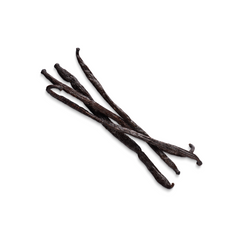
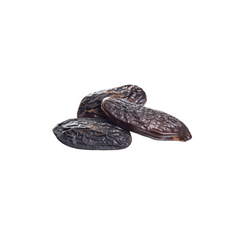
Layer praline with vanilla or tonka bean fragrances. Both share vanillin and coumarin, which reinforce the creamy, sweet facets through molecular resonance. Example: Mugler Angel layered with Guerlain Tonka Impériale amplifies the dessert-like effect.

02

Add Depth

Pair praline with patchouli or woody notes. Patchouli’s earthy, camphoraceous molecules (patchoulol, norpatchoulenol) contrast and ground praline’s sweetness, as seen in Lancôme La Vie Est Belle. This synergy creates a balanced, long-lasting trail.

03

Lighten the Glow

Combine praline with citrus or green notes. Limonene and hexenal in citrus/green accords provide olfactory masking, reducing perceived sweetness and adding freshness. Example: Praline layered with bergamot or neroli for a springtime twist.

Wear It Right

How to Wear Praline Like a Pro

Seasonal Guide

Fall & Winter

Cooler temperatures suppress praline’s volatility, allowing its creamy, nutty sweetness to linger and project more subtly. Apply to pulse points and clothing for a cozy, enveloping effect that complements heavier fabrics and layered outfits.

Spring

Moderate warmth enhances the diffusion of praline’s caramelic and lactonic notes. Lighter application is recommended to avoid overwhelming the senses. Pair with floral or citrus fragrances for a balanced, uplifting profile.

Summer

High heat increases the volatility of praline’s top notes, intensifying the initial sweetness but potentially shortening longevity. Apply sparingly to cooler areas (e.g., behind the knees) and layer with fresh, green notes to prevent cloying effects.

Year-Round Tip

Adjust application based on climate and personal preference. In humid conditions, praline’s lactones may become more prominent, while dry air emphasizes the caramelic facets. Experiment with layering to tailor the scent to the season.

Application Points

Strategic application enhances praline’s projection and longevity, leveraging body heat and skin texture.

1

Neck

Applying praline-based fragrances to the neck maximizes projection, as body heat accelerates the diffusion of caramelic and nutty molecules.

2

Behind the Ears

This area retains warmth and moisture, allowing praline’s lactonic and vanillic notes to develop gradually and linger close to the skin.

3

Inner Wrists

Pulse points on the wrists enhance the evolution of praline’s top and heart notes, providing a dynamic scent experience with each movement.

4

Hair

Spraying on hair or a hairbrush offers a subtle, long-lasting trail, as hair fibers slowly release praline’s sweet, creamy aroma throughout the day.

Pro Tip

Layer praline fragrances over unscented moisturizer to lock in volatile molecules and extend the creamy, gourmand drydown.

Mood Architecture™

Top Praline Fragrances by Mood Score

These Praline-based fragrances scored highest on the MEI™ Mood Architecture Framework — measuring how a scent may influence your emotional state.

Highest MEI Score
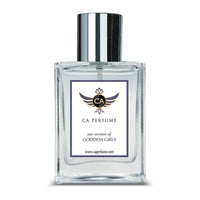
Goddess Girls — Good Girl Alternative Perfume
8.59
MEI™
Primary Romantic
Secondary Confident
Confidence
7.76
Presence
7.74
Mood Lift
9.5
Identity
8.17
Warmth
9.5
Social Ease
9.34
Energy
4.0
" I am beautiful.
View full mood profile →
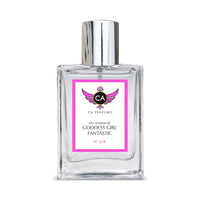
Goddess Girl Fantastic — Good Girl Fantastic Pink Alternative Perfume
8.51
MEI™
Primary Romantic
Secondary Confident
Confidence
7.42
Presence
7.52
Mood Lift
9.5
Identity
8.14
Warmth
9.5
Social Ease
9.41
Energy
4.7
" I am beautiful.
View full mood profile →
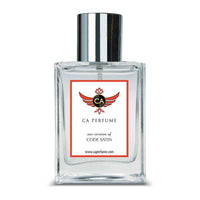
Code Satin — Giorgio Armani Code Satin Alternative Perfume
8.4
MEI™
Primary Romantic
Secondary Confident
Confidence
7.22
Presence
7.52
Mood Lift
9.5
Identity
7.71
Warmth
9.5
Social Ease
9.31
Energy
4.2
" I am beautiful.
View full mood profile →
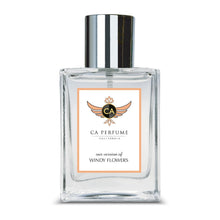
Windy Flowers — Wind Flowers Alternative Perfume
8.36
MEI™
Primary Fresh
Secondary Romantic
Confidence
7.7
Presence
8.16
Mood Lift
9.5
Identity
7.86
Warmth
8.96
Social Ease
8.59
Energy
3.0
" I am radiant.
View full mood profile →
HumanSafe™

Top Praline Fragrances by HumanSafe™ Score

These Praline-based fragrances have the highest product-level HumanSafe™ scores in this ingredient collection.

Highest HumanSafe™ Score
Windy Flowers — Wind Flowers Alternative Perfume
A-
HumanSafe™ Score Generally Safe
Safest Evaluated Ingredients EDP
AQUA Solvent / Carrier ISS 10.0
AMBROXID Evaluated ingredient ISS 10.0
1,4-DIOXACYCLOHEPTADECANE-5,17-DIONE Evaluated ingredient ISS 10.0
BENZENEPROPANAL, 4-ETHYL-.ALPHA.,.ALPHA.-DIMETHYL- Evaluated ingredient ISS 8.0
LINALOOL Evaluated ingredient ISS 7.0
AMBREIN Evaluated ingredient ISS 7.0
View full safety profile →
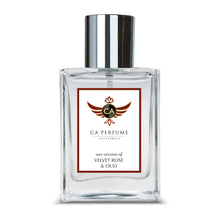
Velvet Rose & Oud — Jo Malone Alternative Cologne
A-
HumanSafe™ Score Generally Safe
Safest Evaluated Ingredients EDP
AQUA Solvent / Carrier ISS 10.0
BENZYL SALICYLATE Evaluated ingredient ISS 9.0
3-BUTEN-2-ONE, 3-METHYL-4-(2,6,6-TRIMETHYL-2- Evaluated ingredient ISS 8.0
LINALYL ACETATE Evaluated ingredient ISS 7.0
LINALOOL Evaluated ingredient ISS 7.0
View full safety profile →
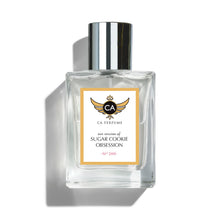
Sugar Cookie Obsession — Ylang-Ylang Floral Perfume
A-
HumanSafe™ Score Generally Safe
Safest Evaluated Ingredients EDP
AQUA Solvent / Carrier ISS 10.0
ALCOHOL DENAT. Solvent / Carrier ISS 7.0
ETHYL VANILLIN Evaluated ingredient ISS 6.0
View full safety profile →
Sensual Instinct — Montale Sensual Instinct Alternative Perfume
A-
HumanSafe™ Score Generally Safe
Safest Evaluated Ingredients EDP
AQUA Solvent / Carrier ISS 10.0
HEXYL SALICYLATE Evaluated ingredient ISS 9.0
AMBROXIDE Evaluated ingredient ISS 9.0
BENZOIC ACID, 2,4-DIHYDROXY-3,6-DIMETHYL-, METHYL Evaluated ingredient ISS 7.0
View full safety profile →
Expert Voices

What Masters Say About Praline

The original formulation of Angel contained approximately 0.5% of ethyl maltol and it was a really big amount. Ethyl maltol has an extremely intense smell, and perfumers had to add an enormous amount of patchouli in order to balance it.
Fragrantica Editorial
Praline’s sweet, nutty, and caramelic character is entirely the result of synthetic aroma chemicals—most notably ethyl maltol, lactones, and furaneol—which together create a modern gourmand signature.
CA Perfume Editorial
Common Questions

Frequently Asked Questions

Answers to the most common questions about praline in perfumery.

Praline in perfume smells intensely sweet, caramelic, and nutty, with creamy lactonic undertones. The scent is built from synthetic molecules like ethyl maltol, which delivers a candy-like, jammy aroma, and lactones that add a milky, soft texture. Depending on the composition, praline can evoke roasted hazelnuts, toasted sugar, and even hints of chocolate or vanilla. It is a signature note in many gourmand and sweet oriental fragrances.

Praline is most commonly used as a heart or base note in fragrance compositions. Its main aroma chemicals, such as ethyl maltol and lactones, have moderate to low volatility, allowing the sweet, nutty, and creamy facets to persist for hours. In some formulas, praline may appear in the top for an initial caramel burst, but its true impact is felt in the heart and base, where it anchors the gourmand character.

Praline is favored in niche perfumery for its ability to create a distinctive, memorable gourmand effect. Its synthetic construction allows for precise control over sweetness, nutty warmth, and creamy texture. Niche brands often use praline to craft unique, dessert-inspired scents that stand out from mainstream florals or woods. The note’s versatility also enables creative pairings with spices, woods, and florals, expanding the olfactory palette.

Praline fragrance uses often involve pairing with vanilla, tonka bean, patchouli, amber, and florals like rose or jasmine. Vanilla and tonka bean reinforce the creamy, sweet facets through shared vanillin and coumarin molecules. Patchouli and amber add depth and contrast, preventing the sweetness from becoming cloying. Florals introduce freshness and complexity, while spices like cinnamon or cardamom can add warmth and intrigue.

Praline perfumes can be worn in summer, but their intense sweetness and creamy lactones may become overwhelming in high heat. In hot weather, the volatility of caramelic and nutty molecules increases, leading to stronger projection but potentially shorter longevity. For summer, lighter application and layering with citrus or green notes can help balance the gourmand effect and maintain freshness.

Praline-forward fragrances generally last 8–24 hours, depending on concentration and skin chemistry. The persistence is due to the low volatility of lactones, vanillin, and ethyl maltol, which anchor the base. Longevity is maximized in Eau de Parfum or Parfum formats, while Eau de Toilette versions may have a lighter, shorter-lived sweetness.

Yes, praline can be layered with a wide range of notes. For enhanced sweetness, combine with vanilla or tonka bean scents. To add depth, layer with patchouli or woody fragrances. For a fresher effect, pair with citrus or green notes. The key is to balance praline’s intensity with complementary or contrasting accords, using molecular compatibility to achieve a harmonious blend.

For beginners, recommended praline perfumes include Mugler Angel (1992), Lancôme La Vie Est Belle (2012), and Ariana Grande Cloud (2018). These fragrances showcase praline’s signature sweetness in accessible, well-balanced compositions. Each offers a different take: Angel is bold and patchouli-rich, La Vie Est Belle is creamy and floral, and Cloud is airy and soft.

To select the right praline fragrance at CA Perfume, consider your preferred balance of sweetness, creaminess, and nutty warmth. If you enjoy intense, dessert-like scents, look for praline-dominant compositions with vanilla and patchouli. For a lighter effect, choose blends with citrus or florals. Sampling different praline-forward fragrances can help you find your ideal gourmand profile.

Praline can be very sweet, especially at higher concentrations, but its versatility allows for everyday wear when balanced with woods, florals, or spices. Many modern praline fragrances are designed to be wearable and not overly cloying. Adjusting application amount and pairing with fresher notes can make praline suitable for daily use, even in professional settings.

Sweets and Gourmand Smells Collection

Explore Our Top Praline Fragrances

Discover praline-forward scents that showcase the note’s addictive sweetness, creamy texture, and modern gourmand appeal.

Shop all praline fragrances at CA Perfume →

Where Praline Comes From — Origin & Extraction

Praline as a perfumery note does not exist in nature; it is a synthetic accord inspired by the confection of caramelized nuts, historically originating in 17th-century France. The original edible praline combined almonds with boiled sugar, later evolving to include hazelnuts and chocolate in Belgian and American variations. In fragrance, the note is constructed entirely from synthetic molecules, as no direct natural extract can replicate the complex aroma of praline. The primary molecules used to create the praline accord are ethyl maltol (CAS 4940-11-8), maltol (CAS 118-71-8), furaneol (CAS 3658-77-3), and various lactones and aldehydes. Ethyl maltol is produced via chemical synthesis from toluene, with a typical yield of over 90% in industrial processes. Furfural and 5-methyl furfural, derived from agricultural byproducts like bran and corncobs, contribute caramel and roasted facets. Lactones such as γ-nonalactone (peach-like) and δ-decalactone (creamy, milky) are synthesized from fatty acids. These molecules are blended in precise ratios to achieve the desired nutty, caramelic, and milky nuances. Major producers of these aroma chemicals include Givaudan, Firmenich, IFF, and Symrise, with global production centered in Western Europe, the US, and China. Ethyl maltol is widely available at $35–$100 per kg, while specialty lactones and furaneol can range from $150–$500 per kg. In contrast, natural nut extracts (e.g., hazelnut CO2 extract) are rarely used due to cost, instability, and allergenicity. The synthetic approach ensures batch-to-batch consistency, scalability, and IFRA compliance. Sustainability is addressed by sourcing renewable feedstocks for furfural and minimizing solvent use in lactone synthesis. No direct agricultural land is required for praline’s production, making it a lower-impact gourmand note compared to natural vanilla or tonka bean.

Famous Fragrances That Define Praline in Perfumery

Praline has become a defining note in modern perfumery, particularly within the gourmand and sweet oriental families. Its breakthrough came with Mugler Angel (1992), composed by Olivier Cresp and Yves de Chirin, which featured an overdose of ethyl maltol and patchouli to create an edible, candy-like effect. This innovation paved the way for a new generation of fragrances built around synthetic sweetness. Lancôme La Vie Est Belle (2012), crafted by Anne Flipo, Dominique Ropion, and Olivier Polge, elevated praline to bestseller status by pairing it with iris, vanilla, and patchouli, resulting in a creamy, luminous gourmand. Yves Saint Laurent Black Opium (2014), by Nathalie Lorson, Marie Salamagne, Olivier Cresp, and Honorine Blanc, introduced a coffee-praline accord that balanced bitterness and sweetness, appealing to a younger audience. By Kilian Angels’ Share (2020), composed by Benoist Lapouza, uses praline alongside cognac, cinnamon, and oak to evoke boozy, dessert-like richness. Ariana Grande Cloud (2018), by Clement Gavarry, demonstrates praline’s versatility in mass-market perfumery, blending it with coconut, whipped cream, and musk for a soft, airy sweetness. Each of these fragrances showcases praline’s ability to act as a dominant note, bridge, or accent, depending on the composition. CA Perfume’s collection draws inspiration from this lineage, offering praline-forward scents that explore both classic and innovative gourmand pairings.

Natural vs Synthetic Praline in Perfumery

There is no natural praline extract available for perfumery; all praline notes are constructed from synthetic aroma chemicals. The primary molecules include ethyl maltol (CAS 4940-11-8), maltol (CAS 118-71-8), and furaneol (CAS 3658-77-3). Ethyl maltol provides the intense caramelized sugar and jammy fruitiness, while maltol adds a softer, toasty-sweet facet. Furaneol contributes a strawberry-caramel nuance. Lactones (e.g., γ-nonalactone, CAS 104-61-0) impart creamy, milky undertones. These synthetics offer superior stability, longevity, and batch consistency compared to any natural nut or caramel extracts, which are unstable and prone to oxidation. Performance-wise, synthetic praline accords exhibit strong diffusion and persistence, often lasting 8–24 hours on skin, depending on formula concentration. The cost of synthetic praline accords is significantly lower than natural gourmand materials: ethyl maltol is $35–$100/kg, while natural vanilla absolute exceeds $4,000/kg. Iconic fragrances such as Mugler Angel (1992), Lancôme La Vie Est Belle (2012), and YSL Black Opium (2014) all rely on synthetic praline accords for their signature sweetness. Sustainability is enhanced by the use of renewable feedstocks for furfural and maltol, and by avoiding allergenic nut extracts. CA Perfume’s HumanSafe™ platform ensures full traceability and IFRA compliance for all praline-related synthetics, with transparent sourcing and allergen disclosure.