Where Praline Comes From — Origin & Extraction
Praline as a perfumery note does not exist in nature; it is a synthetic accord inspired by the confection of caramelized nuts, historically originating in 17th-century France. The original edible praline combined almonds with boiled sugar, later evolving to include hazelnuts and chocolate in Belgian and American variations. In fragrance, the note is constructed entirely from synthetic molecules, as no direct natural extract can replicate the complex aroma of praline.
The primary molecules used to create the praline accord are ethyl maltol (CAS 4940-11-8), maltol (CAS 118-71-8), furaneol (CAS 3658-77-3), and various lactones and aldehydes. Ethyl maltol is produced via chemical synthesis from toluene, with a typical yield of over 90% in industrial processes. Furfural and 5-methyl furfural, derived from agricultural byproducts like bran and corncobs, contribute caramel and roasted facets. Lactones such as γ-nonalactone (peach-like) and δ-decalactone (creamy, milky) are synthesized from fatty acids. These molecules are blended in precise ratios to achieve the desired nutty, caramelic, and milky nuances.
Major producers of these aroma chemicals include Givaudan, Firmenich, IFF, and Symrise, with global production centered in Western Europe, the US, and China. Ethyl maltol is widely available at $35–$100 per kg, while specialty lactones and furaneol can range from $150–$500 per kg. In contrast, natural nut extracts (e.g., hazelnut CO2 extract) are rarely used due to cost, instability, and allergenicity. The synthetic approach ensures batch-to-batch consistency, scalability, and IFRA compliance. Sustainability is addressed by sourcing renewable feedstocks for furfural and minimizing solvent use in lactone synthesis. No direct agricultural land is required for praline’s production, making it a lower-impact gourmand note compared to natural vanilla or tonka bean.
Famous Fragrances That Define Praline in Perfumery
Praline has become a defining note in modern perfumery, particularly within the gourmand and sweet oriental families. Its breakthrough came with Mugler Angel (1992), composed by Olivier Cresp and Yves de Chirin, which featured an overdose of ethyl maltol and patchouli to create an edible, candy-like effect. This innovation paved the way for a new generation of fragrances built around synthetic sweetness.
Lancôme La Vie Est Belle (2012), crafted by Anne Flipo, Dominique Ropion, and Olivier Polge, elevated praline to bestseller status by pairing it with iris, vanilla, and patchouli, resulting in a creamy, luminous gourmand. Yves Saint Laurent Black Opium (2014), by Nathalie Lorson, Marie Salamagne, Olivier Cresp, and Honorine Blanc, introduced a coffee-praline accord that balanced bitterness and sweetness, appealing to a younger audience. By Kilian Angels’ Share (2020), composed by Benoist Lapouza, uses praline alongside cognac, cinnamon, and oak to evoke boozy, dessert-like richness. Ariana Grande Cloud (2018), by Clement Gavarry, demonstrates praline’s versatility in mass-market perfumery, blending it with coconut, whipped cream, and musk for a soft, airy sweetness. Each of these fragrances showcases praline’s ability to act as a dominant note, bridge, or accent, depending on the composition.
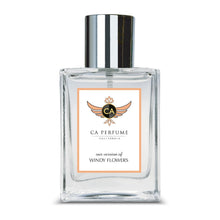
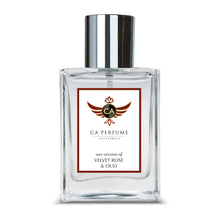
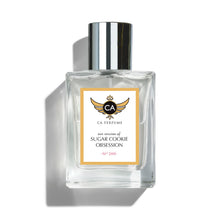
CA Perfume’s collection draws inspiration from this lineage, offering praline-forward scents that explore both classic and innovative gourmand pairings.
Natural vs Synthetic Praline in Perfumery
There is no natural praline extract available for perfumery; all praline notes are constructed from synthetic aroma chemicals. The primary molecules include ethyl maltol (CAS 4940-11-8), maltol (CAS 118-71-8), and furaneol (CAS 3658-77-3). Ethyl maltol provides the intense caramelized sugar and jammy fruitiness, while maltol adds a softer, toasty-sweet facet. Furaneol contributes a strawberry-caramel nuance. Lactones (e.g., γ-nonalactone, CAS 104-61-0) impart creamy, milky undertones. These synthetics offer superior stability, longevity, and batch consistency compared to any natural nut or caramel extracts, which are unstable and prone to oxidation.
Performance-wise, synthetic praline accords exhibit strong diffusion and persistence, often lasting 8–24 hours on skin, depending on formula concentration. The cost of synthetic praline accords is significantly lower than natural gourmand materials: ethyl maltol is $35–$100/kg, while natural vanilla absolute exceeds $4,000/kg. Iconic fragrances such as Mugler Angel (1992), Lancôme La Vie Est Belle (2012), and YSL Black Opium (2014) all rely on synthetic praline accords for their signature sweetness. Sustainability is enhanced by the use of renewable feedstocks for furfural and maltol, and by avoiding allergenic nut extracts. CA Perfume’s HumanSafe™ platform ensures full traceability and IFRA compliance for all praline-related synthetics, with transparent sourcing and allergen disclosure.