Ingredient Guide · Floral
Floral Family · Perfumery Note

Plum Blossom

Fresh, airy, and subtly fruity floral essence

Plum Blossom is a heart note in perfumery known for its fresh, floral, and slightly fruity character with almond-like nuances from benzaldehyde. Typically used below 5% concentration.

Plum Blossom
Ingredient Profile

Plum Blossom

Floral Family
Family Floral
Note Position Heart Note
Usage Level <5%
Key Origins Japan, China, South Korea
Iconic In Plum Blossom, Ume
The Ingredient

What does Plum Blossom smell like and why is it significant in perfumery?

Plum Blossom, the fragrant bloom of the Prunus mume tree, is prized in perfumery for its fresh, light, and slightly fruity scent profile. Its aroma is characterized by delicate floral nuances and a gentle sweetness, largely attributed to benzaldehyde (C7H6O), which imparts an almond-like facet. Additional trace compounds include eugenol and benzyl alcohol, contributing subtle spicy and floral undertones. This note is classified as a heart note, typically used at concentrations below 5% in fragrance formulations. In perfumery, Plum Blossom functions as a clean, restrained floral with a cool, almond-like freshness reminiscent of East Asian winter-floral accords. It interacts with skin chemistry by providing a soft, uplifting aura that balances well with both fruity and woody notes, enhancing the overall composition without overpowering. The note’s volatility places it in the heart phase, contributing to moderate longevity of 4-6 hours on skin. Notable fragrances featuring Plum Blossom include Jo Malone London's Plum Blossom (2017), where it is paired with yellow plum, jasmine, and ylang-ylang to create a fresh floral-fruity bouquet, and Keiko Mecheri's Ume, which highlights a jammy plum blossom accord combined with osmanthus and patchouli. These exemplify Plum Blossom's versatility and its role in imparting a refined, ethereal floral character.

<5%
Typical usage concentration of Plum Blossom absolute in fragrance formulations to maintain balance and avoid overpowering.
4–6 Hours
Average longevity of Plum Blossom on skin, reflecting its moderate volatility and heart note classification.
$3,000–6,000/kg
Approximate cost range for natural Plum Blossom absolute, reflecting extraction complexity and limited yield.
Origin & Extraction

Where Plum Blossom Comes From — Origin & Extraction

Plum Blossom’s scent character is deeply influenced by its East Asian origins, where the climate and soil conditions favor the growth of Prunus mume trees. The cold winters and early spring blooming contribute to the flower’s fresh, clean, and almond-like aroma.

Plum Blossom is derived from the flowers of the Prunus mume tree, also known as Japanese apricot or Chinese plum. This species is native to East Asia, with key producing countries including Japan, China, and South Korea. In these regions, Plum Blossom holds significant cultural symbolism, representing resilience and the arrival of spring. Commercially, Plum Blossom does not yield a viable essential oil through traditional steam distillation due to the fragility and low oil content of the flowers. Instead, perfumers rely on solvent extraction or supercritical CO2 extraction to produce Plum Blossom absolute. These methods preserve the delicate aromatic compounds such as benzaldehyde, eugenol, and benzyl alcohol, resulting in a pale yellow to amber liquid with medium odor strength. Natural Plum Blossom absolute is complex and variable in character, with extraction yields typically low, contributing to its high cost, approximately $3,000 to $6,000 per kilogram. Sustainability concerns arise from the labor-intensive harvesting of flowers and limited extraction efficiency. Synthetic alternatives, primarily based on safranal analogues, offer consistent and stable aroma profiles at significantly lower costs ($50 to $200 per kilogram), produced via laboratory synthesis. Due to the absence of a direct natural essential oil, Plum Blossom in perfumery is often represented by fantasy accords combining natural absolutes with synthetic molecules to replicate its unique scent.

JP

Japan

In Japan, particularly in regions like Kyoto, Plum Blossom is celebrated for its resilience, blooming in late winter. The local soil’s volcanic composition and temperate climate produce blossoms with a subtle, clean almond-floral scent. Japan holds cultural festivals honoring the flower, which influences its symbolic and aromatic significance.

CN

China

China, especially in provinces such as Zhejiang and Jiangsu, is a major producer of Plum Blossom. The flowers bloom in cold months, yielding a fragrance with pronounced bitter almond notes due to higher benzaldehyde content. The flower is a national symbol, often depicted in art and poetry, enriching its cultural and olfactory profile.

KR

South Korea

South Korea’s Plum Blossom grows in regions like Gyeonggi-do, where the combination of cold winters and spring rains produces blossoms with a fresh, slightly sweet floral aroma. The flower is associated with themes of beauty and transience, influencing its use in perfumery and cultural narratives.

Chemistry

Natural vs Synthetic Plum Blossom in Perfumery

Natural Plum Blossom absolute is obtained through solvent or CO2 extraction from Prunus mume flowers, yielding a complex and variable aroma profile rich in benzaldehyde, eugenol, and benzyl alcohol. This natural form is prized for its nuanced, authentic floral-almond character but is costly ($3,000–6,000/kg) and limited in supply due to low extraction yields and labor-intensive harvesting. Synthetic Plum Blossom accords primarily utilize safranal (CAS 116-26-7) and related analogues to recreate the note's signature fresh, almond-like facets with greater consistency and stability. These synthetic molecules cost approximately $50–200/kg and provide enhanced longevity and diffusion in fragrance compositions. Famous fragrances such as Jo Malone London's Plum Blossom blend natural absolutes with synthetic molecules to achieve a balanced, reproducible scent. The synthetic approach also supports sustainability by reducing reliance on scarce natural resources. CA Perfume employs the HumanSafe™ platform to ensure transparency and safety in sourcing both natural and synthetic Plum Blossom ingredients, balancing authenticity with performance and environmental responsibility.

Natural
Plum Blossom Absolute
Cost $3,000–6,000/kg
Method Solvent / CO₂
Character Complex, variable
vs
Synthetic
Safranal & Analogues
Cost $50–200/kg
Method Lab synthesis
Character Consistent, stable
Hall of Fame

Famous Fragrances That Define Plum Blossom in Perfumery

2017
heart note

Plum Blossom

Jo Malone London
by Christine Nagel
Yellow PlumJasmineYlang-Ylang
dominant note

Ume

Keiko Mecheri
OsmanthusPatchouliMahogany Wood
1992
heart note

Feminité du Bois

Serge Lutens
by Christopher Sheldrake
PeachWhite FlowersSandalwood
heart note

Be My Plum

Montale
TuberoseCoconut TiareGreen Plum
heart note

Velvet Plum Tea

Elysian
Blooming PlumSyrupy Nuances

Plum Blossom has been featured prominently in several notable fragrances, showcasing its delicate floral and fruity character. Jo Malone London's Plum Blossom (2017), crafted by perfumers Christine Nagel and others, uses Plum Blossom as a heart note paired with yellow plum, jasmine, and ylang-ylang, creating a fresh, airy floral-fruity bouquet. Keiko Mecheri's Ume (year unknown) emphasizes a jammy plum blossom accord with osmanthus and patchouli, balancing sweetness with subtle spice. Serge Lutens' Feminité du Bois (1992) is celebrated for its second-skin effect, where Plum Blossom blends with peach, white flowers, and sandalwood to form an elegant, soft veil. Montale's Be My Plum (year unknown) presents a powdery green plum wrapped in white florals, capturing the fresh, slightly sour nuances of Japanese ume. Elysian Velvet Plum Tea (year unknown) offers a realistic blooming plum scent, highlighting the floral and syrupy facets of Plum Blossom. These fragrances illustrate Plum Blossom's versatility across fresh, floral, fruity, and woody accords. CA Perfume's collection respects this lineage by offering nuanced Plum Blossom interpretations that balance tradition with modern sensibilities.

The Accord

How is a captivating Plum Blossom accord crafted?

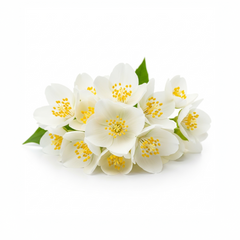
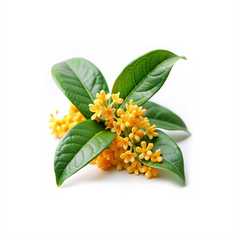
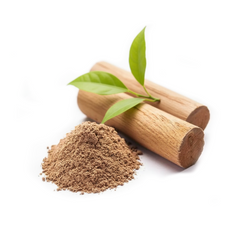
A harmonious Plum Blossom accord typically consists of Plum Blossom absolute or accord (30-35%), benzaldehyde (10-15%) to enhance almond-like facets, osmanthus or jasmine (15-20%) for floral sweetness, and sandalwood or mahogany wood (30-35%) to provide a smooth, woody base that balances the accord. Each ingredient is selected for its molecular compatibility: benzaldehyde shares the almond note characteristic of Plum Blossom, floral components add complexity and lift, while woody notes provide tenacity and depth.

35%

Plum Blossom Absolute

30–35% of blend

Provides the core delicate floral and fruity facets with complex, variable aroma compounds.

15%

Benzaldehyde

10–15% of blend

Adds almond-like bitterness and freshness, a key molecular signature of the note.

20%

Jasmine Absolute

15–20% of blend

Contributes floral sweetness and complexity, enhancing the accord’s brightness.

35%

Sandalwood

30–35% of blend

Provides a creamy, woody base that stabilizes and extends the accord’s longevity.

The Olfactory Layers

How Plum Blossom Evolves on Skin

Plum Blossom’s olfactory evolution starts with a fresh, light floral impression dominated by volatile benzaldehyde and green aldehydes. As the fragrance develops into the heart phase, floral and fruity nuances emerge, supported by jasmine and osmanthus molecules. The base phase features woody and musky compounds that provide warmth and longevity, balancing the delicate top and heart notes.

I
Top notes
0–15 min
Fresh Almond Crispness

The initial impression is fresh and airy, dominated by benzaldehyde which evaporates quickly, imparting a crisp almond-like freshness. Light green aldehydes contribute a cool, clean sensation reminiscent of early spring air.

FreshAlmond-likeGreen
II
Heart notes
20–60 min
Delicate Floral Sweetness

Floral and fruity molecules such as jasmine absolute and osmanthus unfold, adding sweetness and complexity. The heart is soft and slightly fruity with subtle syrupy nuances, reflecting the delicate nature of plum blossoms.

FloralFruitySweet
III
Base notes
Several hours
Creamy Woody Warmth

Woody notes like sandalwood and mahogany provide a creamy, warm foundation. These molecules evaporate slowly, extending the fragrance’s longevity and balancing the lightness of the earlier phases.

WoodyCreamyWarm
TOP NOTES Fresh Almond Crispness 0–15 minutes HEART NOTES Delicate Floral Sweetness 20–60 minutes BASE NOTES Creamy Woody Warmth Several hours
Through the Ages

The Story of Plum Blossom in Perfumery

Plum Blossom has a rich history in perfumery and culture, from ancient East Asian symbolism to modern fragrance innovation.

Antiquity

Cultural Symbolism in East Asia

Plum Blossom (Prunus mume) has been revered in Chinese and Japanese culture for millennia, symbolizing perseverance and purity. It features prominently in classical poetry, painting, and seasonal festivals.

Early 20th Century

Introduction to Western Perfumery

Plum Blossom notes began appearing in Western perfumery as exotic floral inspirations, often recreated through synthetic accords due to extraction challenges.

1992

Feminité du Bois by Serge Lutens

One of the earliest modern fragrances to feature Plum Blossom prominently, blending it with woody and fruity notes to create a delicate, second-skin effect.

2011

Demeter Fragrance Plum Blossom Launch

Demeter released a dedicated Plum Blossom fragrance capturing the fresh, tangy floral aroma, popularizing the note in mass-market perfumery.

2017

Jo Malone London Plum Blossom

Jo Malone’s Plum Blossom fragrance brought the note to niche and luxury markets, combining natural and synthetic elements for a refined floral-fruity heart.

The Art of Layering

How to Layer Plum Blossom

Understanding how to layer Plum Blossom at a molecular level enhances its presence and complexity in fragrance blends.

01

Enhance Sweetness

Layering Plum Blossom with vanilla’s vanillin softens its almond bitterness through olfactory masking, creating a smooth, sweet floral gourmand effect. This pairing is exemplified in Keiko Mecheri’s Ume.

02

Add Depth

Combining Plum Blossom with woody notes like sandalwood introduces creamy lactones that complement its floral facets and extend longevity, as seen in Serge Lutens’ Feminité du Bois.

03

Lighten the Glow

Pairing Plum Blossom with citrus or green aldehydes increases volatility and brightness, enhancing freshness and creating a sparkling top-to-heart transition, useful in springtime compositions.

Wear It Right

How to Wear Plum Blossom Like a Pro

Seasonal Guide

Fall & Winter

In cooler months, Plum Blossom’s woody base notes and almond facets are more pronounced, providing warmth and depth. Apply moderately to avoid heaviness in dry air.

Spring

Spring’s mild temperatures enhance Plum Blossom’s fresh floral and fruity heart notes. Layer with light citrus or green notes for a vibrant, uplifting effect.

Summer

In hot weather, Plum Blossom’s volatile top notes evaporate quickly, reducing longevity. Use lighter formulations and apply to cooler pulse points to maintain freshness.

Year-Round Tip

Layer Plum Blossom with complementary woody or musky notes to extend wear and adapt the scent to varying climates and occasions.

Application Points

Strategic application enhances Plum Blossom’s delicate scent and longevity.

1

Neck

Pulse points on the neck emit warmth that helps release Plum Blossom’s floral and almond notes gradually throughout the day.

2

Behind the Ears

This area’s warmth and proximity to the nose allow for intimate scent diffusion, ideal for subtle floral notes like Plum Blossom.

3

Inner Wrists

Applying here allows for easy scent refresh and benefits from natural skin heat to enhance projection.

4

Hair

Hair holds fragrance molecules longer, releasing Plum Blossom’s airy floral facets softly with movement.

Pro Tip

Layer Plum Blossom with a matching scented lotion or oil on damp skin to lock in moisture and extend scent longevity.

HumanSafe™

Plum Blossom Safety Profile in Our Fragrances

No ingredient collection was found for plum-blossom.

Create or connect a collection with the same handle as this ingredient, then add products that contain this ingredient.

Expert Voices

What Masters Say About Plum Blossom

Plum Blossom’s scent is a delicate balance of fresh floral and almond-like notes, evoking the cool air of early spring. Its presence in perfumery offers a restrained, elegant heart note that complements both fruity and woody accords.
CA Perfume Editorial
The essence of Plum Blossom cannot be distilled traditionally; its fragrance is best captured through a blend of natural absolutes and synthetic molecules, reflecting its complex and variable nature.
CA Perfume Editorial
Common Questions

Frequently Asked Questions

Answers to common questions about Plum Blossom in perfumery.

Plum Blossom in perfume smells fresh, floral, and slightly fruity with a distinctive almond-like nuance due to benzaldehyde. It evokes a clean, soft, and uplifting floral character often associated with early spring blossoms. This note is used primarily as a heart note in concentrations below 5%, providing moderate longevity of 4-6 hours. Examples include Jo Malone London’s Plum Blossom and Keiko Mecheri’s Ume.

Plum Blossom is primarily used as a heart note in perfumery. Its volatility and scent profile position it in the mid-phase of fragrance evolution, where it provides floral and fruity nuances that bridge the fresh top notes and the woody or musky base notes.

Plum Blossom’s subtle, fresh, and slightly fruity floral character offers a unique olfactory signature that resonates with themes of purity and renewal. Its cultural significance and delicate aroma make it a favored ingredient for niche perfumers seeking refined, elegant compositions that evoke springtime and natural beauty.

Plum Blossom fragrance uses include pairing with benzaldehyde for almond facets, jasmine and osmanthus for floral sweetness, sandalwood and mahogany for woody depth, and fruits like peach or cherry for added juiciness. These combinations enhance Plum Blossom’s complexity and longevity.

Plum Blossom’s fresh and airy qualities make it suitable for summer; however, its volatile top notes may dissipate quickly in heat. Lighter formulations and application to cooler pulse points can help maintain its freshness and presence during warm weather.

Plum Blossom fragrances typically last 4-6 hours on skin, reflecting the moderate volatility of its key aroma compounds. Longevity can be extended by blending with woody or musky base notes.

Yes, layering Plum Blossom with complementary notes such as vanilla, amber, musk, or light fruits like peach enhances its sweetness, depth, and longevity. Layering also allows customization of the scent profile to suit personal preferences.

Jo Malone London’s Plum Blossom (2017) is a well-balanced, accessible fragrance featuring Plum Blossom as a heart note. Keiko Mecheri’s Ume offers a sweeter, jammy interpretation. These provide a good introduction to the note’s character.

Consider your preference for fresh versus sweet floral profiles and the accompanying notes. CA Perfume offers Plum Blossom fragrances that range from airy and crisp to warm and woody, allowing you to select based on season, occasion, and scent intensity.

Plum Blossom primarily smells fresh and floral with a gentle sweetness from benzaldehyde and floral molecules. It may carry faint spicy undertones from eugenol, but it is generally perceived as a soft, sweet floral rather than spicy.

Floral Collection

Explore Our Top Plum Blossom Fragrances

Discover refined Plum Blossom scents that highlight fresh floral and almond nuances, perfect for spring and elegant occasions.

Shop all plum blossom fragrances at CA Perfume →

Where Plum Blossom Comes From — Origin & Extraction

Plum Blossom is derived from the flowers of the Prunus mume tree, also known as Japanese apricot or Chinese plum. This species is native to East Asia, with key producing countries including Japan, China, and South Korea. In these regions, Plum Blossom holds significant cultural symbolism, representing resilience and the arrival of spring. Commercially, Plum Blossom does not yield a viable essential oil through traditional steam distillation due to the fragility and low oil content of the flowers. Instead, perfumers rely on solvent extraction or supercritical CO2 extraction to produce Plum Blossom absolute. These methods preserve the delicate aromatic compounds such as benzaldehyde, eugenol, and benzyl alcohol, resulting in a pale yellow to amber liquid with medium odor strength. Natural Plum Blossom absolute is complex and variable in character, with extraction yields typically low, contributing to its high cost, approximately $3,000 to $6,000 per kilogram. Sustainability concerns arise from the labor-intensive harvesting of flowers and limited extraction efficiency. Synthetic alternatives, primarily based on safranal analogues, offer consistent and stable aroma profiles at significantly lower costs ($50 to $200 per kilogram), produced via laboratory synthesis. Due to the absence of a direct natural essential oil, Plum Blossom in perfumery is often represented by fantasy accords combining natural absolutes with synthetic molecules to replicate its unique scent.

Famous Fragrances That Define Plum Blossom in Perfumery

Plum Blossom has been featured prominently in several notable fragrances, showcasing its delicate floral and fruity character. Jo Malone London's Plum Blossom (2017), crafted by perfumers Christine Nagel and others, uses Plum Blossom as a heart note paired with yellow plum, jasmine, and ylang-ylang, creating a fresh, airy floral-fruity bouquet. Keiko Mecheri's Ume (year unknown) emphasizes a jammy plum blossom accord with osmanthus and patchouli, balancing sweetness with subtle spice. Serge Lutens' Feminité du Bois (1992) is celebrated for its second-skin effect, where Plum Blossom blends with peach, white flowers, and sandalwood to form an elegant, soft veil. Montale's Be My Plum (year unknown) presents a powdery green plum wrapped in white florals, capturing the fresh, slightly sour nuances of Japanese ume. Elysian Velvet Plum Tea (year unknown) offers a realistic blooming plum scent, highlighting the floral and syrupy facets of Plum Blossom. These fragrances illustrate Plum Blossom's versatility across fresh, floral, fruity, and woody accords. CA Perfume's collection respects this lineage by offering nuanced Plum Blossom interpretations that balance tradition with modern sensibilities.

Natural vs Synthetic Plum Blossom in Perfumery

Natural Plum Blossom absolute is obtained through solvent or CO2 extraction from Prunus mume flowers, yielding a complex and variable aroma profile rich in benzaldehyde, eugenol, and benzyl alcohol. This natural form is prized for its nuanced, authentic floral-almond character but is costly ($3,000–6,000/kg) and limited in supply due to low extraction yields and labor-intensive harvesting. Synthetic Plum Blossom accords primarily utilize safranal (CAS 116-26-7) and related analogues to recreate the note's signature fresh, almond-like facets with greater consistency and stability. These synthetic molecules cost approximately $50–200/kg and provide enhanced longevity and diffusion in fragrance compositions. Famous fragrances such as Jo Malone London's Plum Blossom blend natural absolutes with synthetic molecules to achieve a balanced, reproducible scent. The synthetic approach also supports sustainability by reducing reliance on scarce natural resources. CA Perfume employs the HumanSafe™ platform to ensure transparency and safety in sourcing both natural and synthetic Plum Blossom ingredients, balancing authenticity with performance and environmental responsibility.