Where Pink Peony Comes From — Origin & Extraction
Pink peony (Paeonia lactiflora and hybrids) is native to East Asia, especially China, where it has been cultivated for over two millennia. Despite its prominence in gardens and cultural symbolism, the peony flower does not yield an extractable essential oil or absolute suitable for perfumery. The scent is too delicate and volatile to survive conventional extraction methods such as steam distillation or solvent extraction. As a result, all pink peony notes in fine fragrance are constructed as accords—a blend of aroma chemicals and natural isolates designed to mimic the flower’s olfactory impression.
The main producing countries for ornamental peonies are China, the Netherlands, and the United States, with the Netherlands exporting over 80 million peony stems annually for the floral industry. However, none of these are used for direct fragrance extraction. Instead, perfumers rely on molecules such as phenylethyl alcohol (CAS 60-12-8), beta-damascenone (CAS 23726-93-4), and linalool (CAS 78-70-6) to replicate the pink peony scent. The creation of a peony accord typically involves blending rose and lily-of-the-valley materials, subtle fruity notes (e.g., pear, lychee), and soft musks.
Cost-wise, synthetic peony accords are far more affordable and sustainable than natural floral extracts, with prices for key aroma chemicals ranging from $20–$200 per kg, compared to $5,000–$10,000 per kg for true rose absolute. Sustainability is high, as no wild harvesting or intensive agriculture is required. The first modern peony accord appeared in the late 20th century, with Firmenich and Givaudan developing proprietary blends for designer fragrances. Today, nearly all peony notes are HumanSafe™ verified for transparency and safety.
Famous Fragrances That Define Pink Peony in Perfumery
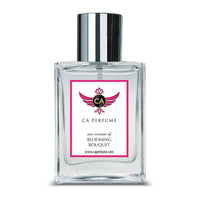
Pink peony has become a signature note in modern floral perfumery, especially since the early 2000s. One of the most influential examples is Chloé Eau de Parfum (2008, perfumer Amandine Clerc-Marie), where peony is paired with lychee, rose, and freesia to create a fresh, powdery floral heart. Miss Dior Blooming Bouquet (2014, François Demachy) features a peony-rose accord brightened by Sicilian mandarin and softened by white musks, epitomizing the airy, romantic character of pink peony.
Jo Malone Peony & Blush Suede (2013, Christine Nagel) combines peony with red apple, jasmine, and suede for a sophisticated, luminous floral. Armani Privé Pivoine Suzhou (2015, perfumer Cecile Matton) interprets peony with mandarin, rose, and patchouli, creating a modern, oriental-floral composition. Versace Bright Crystal (2006, Alberto Morillas) uses peony alongside yuzu, pomegranate, and lotus for a sparkling, crystalline effect. These fragrances demonstrate the versatility of pink peony as a dominant note, bridge, or accent, often paired with rose, citrus, musks, and soft woods. CA Perfume’s collection draws inspiration from this lineage, offering peony-forward scents with contemporary balance.
Natural vs Synthetic Pink Peony in Perfumery
There is no natural pink peony essential oil or absolute available for perfumery; all peony notes are synthetic or constructed accords. The key synthetic molecules used to create pink peony’s scent profile include phenylethyl alcohol (CAS 60-12-8), which provides a rosy, fresh floralcy; beta-damascenone (CAS 23726-93-4), which imparts fruity-rose nuances; and hedione (CAS 24851-98-7), which adds a transparent, jasmine-like lift. Other supporting molecules may include linalool and alpha-ionone.
Synthetic peony accords offer superior performance in terms of longevity, diffusion, and batch consistency compared to what a hypothetical natural extract could provide. These accords are stable, hypoallergenic, and IFRA-compliant, with typical usage rates of 5–20% in the heart of a fragrance. Cost is significantly lower than natural floral absolutes, with synthetic peony accord components costing $20–$200/kg. Notable fragrances using synthetic peony accords include Chloé Eau de Parfum, Dior Miss Dior Blooming Bouquet, and Jo Malone Peony & Blush Suede. Sustainability is high, as no agricultural resources are required for extraction, and supply chains are transparent. CA Perfume’s HumanSafe™ platform ensures all peony accords are fully traceable and allergen-screened.