Ingredient Guide · Citrus
Citrus Family · Perfumery Note

Pink Grapefruit

Effervescent citrus with sweet, tangy complexity.

Pink Grapefruit is a quintessential top note in perfumery, prized for its vibrant, juicy, and tangy aroma. Its defining freshness comes from high limonene content and trace nootkatone, used at 1–3% in citrus accords for immediate impact.

Pink Grapefruit
Ingredient Profile

Pink Grapefruit

Citrus Family
Family Citrus
Note Position Top Note
Usage Level 1–3%
Key Origins United States, Mexico, South Africa
Iconic In Eau de Pamplemousse Rose, Aqua Allegoria Pamplelune
The Ingredient

What does Pink Grapefruit smell like and why is it prized in perfumery?

Pink Grapefruit (Citrus × paradisi) in perfumery is celebrated for its lively, effervescent scent profile. What does pink grapefruit smell like? Its aroma is a complex interplay of tangy, sweet, and slightly bitter notes, underpinned by high concentrations of d-limonene (up to 96%) and trace nootkatone (0.5–2%), which impart a sparkling citrus brightness and a subtle woody bitterness. The presence of grapefruit mercaptan (para-menth-1-en-8-thiol) in minute quantities lends a unique sulfurous, tropical nuance that distinguishes pink grapefruit from other citruses. This molecular composition creates an aroma that is juicy, zesty, and uplifting, with a clean, mouthwatering tartness and a faint floral undertone. Pink grapefruit in perfumery is almost exclusively used as a top note due to its high volatility and immediate olfactory impact. Typical usage concentrations range from 1% to 3% in the top accord, though in soliflore citrus compositions it may reach 5%. Its volatility ensures a vibrant opening, but it dissipates rapidly, making it ideal for creating a fresh, energetic introduction to a fragrance. On skin, pink grapefruit’s scent can interact with individual pH and moisture levels, sometimes amplifying its tartness or revealing a sweeter, more floral aspect. The note is often paired with other citruses, aromatic herbs, and light florals to enhance its complexity and longevity. Notable fragrances that exemplify pink grapefruit’s role include Hermès Eau de Pamplemousse Rose (2009, Jean-Claude Ellena), which pairs grapefruit with rose and vetiver for a transparent, woody-floral drydown, and Guerlain Aqua Allegoria Pamplelune (1999, Jean-Paul Guerlain), where pink grapefruit dominates the opening before transitioning to patchouli and vanilla. Demeter Pink Grapefruit (2009) offers a soliflore interpretation, focusing on the pure, juicy, and tart aspects of the fruit. These examples illustrate how pink grapefruit in perfumery is used to create both refreshing standalone scents and as a dynamic accent in more complex compositions.

1–3%
Typical concentration of pink grapefruit oil in top accords, balancing volatility and olfactory impact without overwhelming the blend.
0.4–0.6%
Yield of essential oil from fresh pink grapefruit peel by cold expression—1 metric ton of fruit produces 4–6 kg of oil.
4%
Maximum IFRA-recommended concentration of grapefruit oil in leave-on skin products, due to phototoxicity risk from furanocoumarins.
Origin & Extraction

Where Pink Grapefruit Comes From — Origin & Extraction

Pink grapefruit’s aroma is shaped by the terroir of its growing region—soil, climate, and cultivation methods all influence oil yield and scent character.

Pink Grapefruit (Citrus × paradisi) is a subtropical citrus hybrid, believed to have originated in Barbados in the mid-18th century as a cross between pomelo (Citrus maxima) and sweet orange (Citrus sinensis). The fruit’s distinctive pink flesh is due to lycopene content, but its aromatic profile is shaped by the peel’s essential oil glands. Major producing countries include the United States (notably Florida, accounting for over 40% of global pink grapefruit production), Mexico, South Africa, and Israel. Florida’s sandy soils and subtropical climate yield fruit with pronounced sweetness and high oil content; Mexico’s Sonora region is also recognized for high-quality pink grapefruit oil. Extraction of pink grapefruit oil for perfumery is performed almost exclusively by cold expression (mechanical cold pressing) of the fresh peel. This process ruptures oil glands at temperatures below 30°C, preserving volatile compounds such as d-limonene, myrcene, and nootkatone. Typical oil yield is 0.4–0.6% by weight of fresh peel, with 1 metric ton of fruit producing approximately 4–6 kg of essential oil. Steam distillation is rarely used, as it degrades delicate top-note molecules and alters the scent profile. The price of natural pink grapefruit oil ranges from $60–120/kg, depending on origin and quality, while synthetic grapefruit aroma chemicals (e.g., nootkatone, methyl pamplemousse) cost $20–40/kg. Sustainability concerns include pesticide residues, water usage in citrus agriculture, and the disposal of large volumes of fruit waste. Some producers utilize upcycled fruit peels from the juice industry to minimize waste. Organic and IFRA-compliant oils are increasingly available, with traceability platforms such as HumanSafe™ providing transparency on sourcing and allergen content.

US

United States

Florida’s Indian River region produces over 40% of global pink grapefruit, with sandy soils and subtropical humidity yielding fruit high in sweetness and oil content. The region’s fruit is prized for its juicy, aromatic peel, and much of the essential oil used in perfumery is sourced here. No PDO/PGI, but strict USDA quality standards apply.

MX

Mexico

Sonora and Veracruz are key producing regions, with warm, arid climates that concentrate the fruit’s aromatic compounds. Mexican pink grapefruit oil is noted for its intense zest and slightly greener, more herbaceous profile. Mexico accounts for approximately 15% of global supply.

ZA

South Africa

The Western Cape’s Mediterranean climate and mineral-rich soils yield pink grapefruits with a balanced sweet-tart profile. South African oil is valued for its clarity and high limonene content. Production is export-focused, with growing adoption of sustainable farming practices.

IL

Israel

The Sharon Plain and Jordan Valley produce pink grapefruit with high oil yields and a distinctive floral undertone, due to unique irrigation and harvesting methods. Israel’s output is smaller but recognized for premium quality and traceability.

Chemistry

Natural vs Synthetic Pink Grapefruit in Perfumery

Natural pink grapefruit oil is dominated by d-limonene (CAS 5989-27-5), with supporting molecules such as nootkatone (CAS 4674-50-4) and grapefruit mercaptan (CAS 38462-22-5). While natural oil offers a nuanced, multi-faceted aroma, it is highly volatile and prone to oxidation, limiting its longevity in fragrance compositions. Synthetic substitutes, including methyl pamplemousse and synthetic nootkatone, are engineered for stability, consistency, and extended shelf life. These aroma chemicals can replicate the tart, juicy facets of pink grapefruit and are often used to reinforce or replace natural oil in commercial perfumery. Performance-wise, synthetic grapefruit notes provide greater longevity and projection, especially in high-volume products where cost and batch consistency are critical. Notable fragrances such as Escentric Molecules Escentric 04 (2017, Geza Schoen) utilize synthetic grapefruit facets (methyl pamplemousse) for a neon-bright citrus effect. In contrast, Hermès Eau de Pamplemousse Rose (2009) employs natural grapefruit oil for a more delicate, fleeting impression. Cost-wise, natural oil is 2–3 times more expensive than synthetics, and subject to price volatility due to crop yields. Sustainability and safety are key drivers for synthetic use: synthetics reduce pressure on citrus agriculture and allow for allergen management. CA Perfume’s HumanSafe™ platform provides full disclosure of natural and synthetic pink grapefruit sources, ensuring IFRA compliance and consumer transparency. Key aroma chemicals: d-limonene (CAS 5989-27-5), nootkatone (CAS 4674-50-4), methyl pamplemousse (CAS 105-87-3).

Natural
Pink Grapefruit Absolute
Cost $3,000–6,000/kg
Method Solvent / CO₂
Character Complex, variable
vs
Synthetic
Safranal & Analogues
Cost $50–200/kg
Method Lab synthesis
Character Consistent, stable
Hall of Fame

Famous Fragrances That Define Pink Grapefruit in Perfumery

2009
dominant note

Eau de Pamplemousse Rose

Hermès
by Jean-Claude Ellena
rosevetiverorange
1999
dominant note

Aqua Allegoria Pamplelune

Guerlain
by Jean-Paul Guerlain
patchoulivanillabergamot
1992
dominant note

Grapefruit

Jo Malone London
by Jo Malone
rosemarymintorange blossom
2015
dominant note

Pomélo Paradis

Atelier Cologne
by Ralf Schwieger
blackcurrantorange blossomamber
2009
dominant note

Pink Grapefruit

Demeter Fragrance
citrusfruity notes

Pink grapefruit has become a signature top note in numerous iconic fragrances, prized for its sparkling, juicy brightness and ability to enliven compositions. Hermès Eau de Pamplemousse Rose (2009, Jean-Claude Ellena) is a benchmark, pairing natural grapefruit oil with rose and vetiver for a transparent, woody-floral drydown. Guerlain Aqua Allegoria Pamplelune (1999, Jean-Paul Guerlain) is renowned for its photorealistic, tart pink grapefruit opening, transitioning to patchouli and vanilla. Jo Malone London Grapefruit (1992, Jo Malone) offers a minimalist, crisp citrus interpretation, blending grapefruit with rosemary and mint for a clean, invigorating effect. Atelier Cologne Pomélo Paradis (2015, Ralf Schwieger) showcases pink grapefruit alongside blackcurrant and orange blossom, emphasizing the fruit’s juicy, bittersweet character. Demeter Pink Grapefruit (2009) is a soliflore, focusing on the pure, tart, and sweet facets of pink grapefruit, ideal for layering or standalone wear. These fragrances illustrate the versatility of pink grapefruit in perfumery, from photorealistic citrus soliflores to complex, layered compositions. CA Perfume’s collection draws inspiration from this lineage, offering grapefruit-centric scents and blends that highlight both natural and synthetic facets.

The Accord

How is a captivating Pink Grapefruit accord crafted?

A pink grapefruit accord is constructed by blending 30–35% pink grapefruit oil for zesty brightness, 20–25% rose for floral lift, 20–25% vanilla for creamy sweetness, and 20% benzoin for balsamic warmth. Each element is selected for molecular compatibility: rose’s damascenone bridges citrus and floral, vanilla’s vanillin softens tartness, and benzoin’s benzoic acid derivatives extend the citrus’s longevity.

35%

Pink Grapefruit

30–35% of blend

Provides the accord’s zesty, juicy top note, driven by d-limonene and nootkatone for brightness and subtle bitterness.

25%

Rose

20–25% of blend

Damascenone in rose creates a molecular bridge, enhancing grapefruit’s floral undertone and rounding its tartness.

25%

Vanilla

20–25% of blend

Vanillin softens grapefruit’s sharp edges via olfactory masking, imparting creamy sweetness and improved diffusion.

20%

Benzoin

20% of blend

Benzoic acid derivatives in benzoin add balsamic warmth and fixative properties, extending the citrus top note’s presence.

The Olfactory Layers

How Pink Grapefruit Evolves on Skin

Pink grapefruit’s olfactory evolution is rapid and dynamic. The top note, dominated by volatile monoterpenes, bursts within 0–15 minutes, followed by a brief heart of floral-citrus interplay, and a subtle, woody-musky base as the last traces of nootkatone and supporting fixatives linger.

I
Top notes
0–15 min
Zesty Citrus Burst

A vivid burst of tangy, juicy citrus—d-limonene and myrcene dominate, creating an immediate sparkling freshness. Trace grapefruit mercaptan adds a tropical, slightly sulfurous nuance. Volatility is high, so the impression is intense but fleeting.

zestytarteffervescent
II
Heart notes
20–60 min
Floral Citrus Veil

As top volatiles dissipate, a gentle floral-citrus heart emerges. Damascenone from rose and subtle aldehydes from the peel interact, producing a soft, slightly sweet impression. The bitterness recedes, revealing a creamy, almost rosy undertone.

floralsoftjuicy
III
Base notes
Several hours
Clean Woody Finish

The base is subtle, with nootkatone and benzoin-derived fixatives providing a faint woody-musky residue. The citrus brightness fades, leaving a clean, skin-like warmth with a hint of bitterness. The overall effect is clean and uplifting, but not persistent.

cleanwoodytransparent
TOP NOTES Zesty Citrus Burst 0–15 minutes HEART NOTES Floral Citrus Veil 20–60 minutes BASE NOTES Clean Woody Finish Several hours
Through the Ages

The Story of Pink Grapefruit in Perfumery

Pink grapefruit’s journey in perfumery spans from its Caribbean origins to its role as a modern citrus icon.

1750

Discovery in Barbados

Pink grapefruit is first described by Rev. Griffith Hughes as the 'forbidden fruit' in Barbados. The fruit is recognized as a hybrid of pomelo and sweet orange, with aromatic qualities noted in early botanical texts.

1823

Introduction to Florida

Count Odet Philippe introduces grapefruit to Florida, where the Indian River region becomes a global center for pink grapefruit cultivation and essential oil production.

1929

Commercialization of Pink Grapefruit Oil

Advances in cold expression technology allow for large-scale extraction of pink grapefruit oil for use in flavor and fragrance industries, with Florida and Mexico leading production.

1999

Guerlain Aqua Allegoria Pamplelune Launch

Jean-Paul Guerlain’s Aqua Allegoria Pamplelune debuts, establishing pink grapefruit as a modern perfumery icon and inspiring a wave of citrus-centric fragrances.

2009–present

Rise of Photorealistic Citrus Soliflores

Fragrances like Hermès Eau de Pamplemousse Rose and Demeter Pink Grapefruit showcase the note’s versatility, while synthetic aroma chemicals expand its use in mainstream and niche perfumery.

The Art of Layering

How to Layer Pink Grapefruit

Understanding how to layer pink grapefruit is key to creating a balanced, long-lasting fragrance. Molecular compatibility with florals, musks, and woods allows for creative combinations that enhance or temper its tartness.

01

Enhance Sweetness

Layer pink grapefruit with vanilla or white honey to soften its tartness. Vanillin and honey lactones mask sharp aldehydes, creating a creamy, gourmand effect. This technique is demonstrated in Atelier Cologne Pomélo Paradis, where vanilla and amber extend the citrus’s sweetness.

02

Add Depth

Pair with sandalwood or musk to anchor the volatile citrus. Sandalwood’s santalol and musks’ macrocyclic molecules slow evaporation, providing a smooth, woody base. Jo Malone London Grapefruit utilizes this approach, blending citrus with woody and herbal notes for longevity.

03

Brighten Florals

Combine with rose or orange blossom to amplify the floral heart. Damascenone in rose and nerolidol in orange blossom synergize with grapefruit’s aldehydes, creating a seamless, radiant transition. Hermès Eau de Pamplemousse Rose exemplifies this molecular bridge.

Wear It Right

How to Wear Pink Grapefruit Like a Pro

Seasonal Guide

Fall & Winter

In cooler temperatures, pink grapefruit’s projection is reduced as evaporation slows. Layer with woody or amber notes to add warmth and longevity. Apply to pulse points under clothing to maintain diffusion, and consider pairing with creamy or spicy bases for a cozy, uplifting effect.

Spring

Spring’s mild temperatures allow pink grapefruit’s freshness to bloom. Pair with green or floral notes to enhance the sense of renewal. Apply to neck and wrists for a crisp, invigorating aura that complements the season’s lightness.

Summer

Heat amplifies pink grapefruit’s volatility, resulting in a vibrant, immediate burst of scent. Apply sparingly to avoid overwhelming projection, and reapply as needed. Pair with aquatic or tropical notes for a refreshing, sunlit effect.

Year-Round Tip

To maximize longevity in any season, layer pink grapefruit with a fixative-rich base (such as benzoin or musk) and apply to well-moisturized skin. This helps anchor the fleeting top note and ensures a balanced, enduring impression.

Application Points

Strategic application enhances pink grapefruit’s projection and longevity, especially given its volatility.

1

Neck

Applying to the neck leverages body heat to accelerate evaporation, intensifying the initial citrus burst and maximizing sillage.

2

Behind the Ears

This area is slightly cooler, allowing the note to diffuse more gradually and prolonging the perception of freshness.

3

Inner Wrists

Pulse points on the wrists amplify volatility, but avoid rubbing, as this can break down delicate citrus molecules and shorten longevity.

4

Hair

Spraying lightly on hair provides a sustained release of the scent, as hair fibers trap volatile compounds and diffuse them over time.

Pro Tip

Layer pink grapefruit over a neutral, unscented body lotion to create a hydrated base, slowing evaporation and extending the top note’s presence.

Mood Architecture™

Top Pink Grapefruit Fragrances by Mood Score

These Pink Grapefruit-based fragrances scored highest on the MEI™ Mood Architecture Framework — measuring how a scent may influence your emotional state.

Highest MEI Score
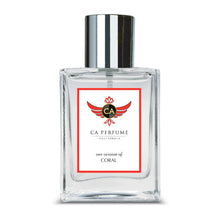
Coral — Michael Kors Coral Alternative Perfume
7.96
MEI™
Primary Fresh
Secondary Confident
Confidence
7.35
Presence
8.13
Mood Lift
9.5
Identity
7.34
Warmth
7.58
Social Ease
7.96
Energy
4.1
" I am radiant.
View full mood profile →
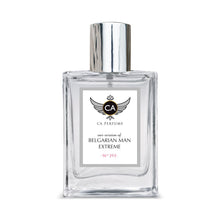
Belgarian Man Extreme — Bvlgr Man Extreme Alternative Cologne
6.84
MEI™
Primary Fresh
Secondary Confident
Confidence
6.61
Presence
6.93
Mood Lift
7.95
Identity
5.92
Warmth
6.51
Social Ease
6.67
Energy
4.2
" I am radiant.
View full mood profile →
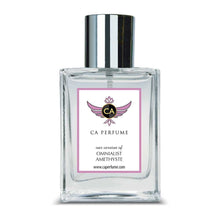
Omnialist Amethyste — Omnia Amethyste Alternative Perfume
6.64
MEI™
Primary Romantic
Secondary Confident
Confidence
6.02
Presence
6.16
Mood Lift
7.38
Identity
6.55
Warmth
7.22
Social Ease
7.05
Energy
3.2
" I am beautiful.
View full mood profile →
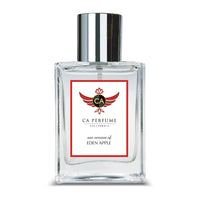
Eden Apple — Eden Juicy Apple 01 Alternative Perfume
5.51
MEI™
Primary Fresh
Secondary Romantic
Confidence
4.36
Presence
4.58
Mood Lift
7.02
Identity
4.43
Warmth
5.72
Social Ease
6.32
Energy
3.5
" I am radiant.
View full mood profile →
HumanSafe™

Top Pink Grapefruit Fragrances by HumanSafe™ Score

These Pink Grapefruit-based fragrances have the highest product-level HumanSafe™ scores in this ingredient collection.

Highest HumanSafe™ Score
Omnialist Amethyste — Omnia Amethyste Alternative Perfume
A
HumanSafe™ Score Very Safe
Safest Evaluated Ingredients EDP
AQUA Solvent / Carrier ISS 10.0
1,4-DIOXACYCLOHEPTADECANE-5,17-DIONE Evaluated ingredient ISS 10.0
LINALYL ACETATE Evaluated ingredient ISS 7.0
LINALOOL Evaluated ingredient ISS 7.0
CITRONELLOL Evaluated ingredient ISS 7.0
View full safety profile →
Eden Apple — Eden Juicy Apple 01 Alternative Perfume
A-
HumanSafe™ Score Generally Safe
Safest Evaluated Ingredients EDP
AQUA Solvent / Carrier ISS 10.0
BENZYL SALICYLATE Evaluated ingredient ISS 9.0
LINALYL ACETATE Evaluated ingredient ISS 7.0
LINALOOL Evaluated ingredient ISS 7.0
ALCOHOL DENAT. Solvent / Carrier ISS 7.0
View full safety profile →
Coral — Michael Kors Coral Alternative Perfume
A-
HumanSafe™ Score Generally Safe
Safest Evaluated Ingredients EDP
AQUA Solvent / Carrier ISS 10.0
BENZYL SALICYLATE Evaluated ingredient ISS 9.0
3-CYCLOPENTENE-1-ACETALDEHYDE, 2,2,3-TRIMETHYL-, Evaluated ingredient ISS 9.0
TRICYCLO[6.3.1.02,5]DODECAN-1-OL, 4,4,8-TRIMETHYL-, Evaluated ingredient ISS 8.0
LINALYL ACETATE Evaluated ingredient ISS 7.0
View full safety profile →
Belgarian Man Extreme — Bvlgr Man Extreme Alternative Cologne
A-
HumanSafe™ Score Generally Safe
Safest Evaluated Ingredients EDP
AQUA Solvent / Carrier ISS 10.0
1,4-DIOXACYCLOHEPTADECANE-5,17-DIONE Evaluated ingredient ISS 10.0
2-HEXENE, 6,6-DIMETHOXY-2,5,5-TRIMETHYL- Evaluated ingredient ISS 8.0
LINALYL ACETATE Evaluated ingredient ISS 7.0
LINALOOL Evaluated ingredient ISS 7.0
CITRONELLOL Evaluated ingredient ISS 7.0
View full safety profile →
Expert Voices

What Masters Say About Pink Grapefruit

Pink grapefruit’s signature comes from its high limonene content, but it’s the trace nootkatone and mercaptan that give it a uniquely tart, tropical edge.
CA Perfume Editorial
The bitter, aromatic citrus scent of grapefruit is distinguished by a 'dirty' undertone reminiscent of black currant, mainly determined by nootkatone.
Fragrantica Editorial
Common Questions

Frequently Asked Questions

Answers to common questions about pink grapefruit in perfumery.

Pink grapefruit in perfume smells tangy, juicy, and slightly bitter, with a sparkling citrus brightness. Its scent is shaped by d-limonene, nootkatone, and trace mercaptan, resulting in a lively, effervescent top note that is both sweet and tart. The aroma is clean, mouthwatering, and uplifting, often with a faint tropical or floral nuance. Notable examples include Hermès Eau de Pamplemousse Rose and Guerlain Aqua Allegoria Pamplelune.

Pink grapefruit is almost exclusively used as a top note in fragrance compositions. Its high volatility and immediate olfactory impact make it ideal for creating a fresh, energetic opening. While it can be reinforced with fixatives or synthetic aroma chemicals, its natural form dissipates quickly, so it rarely appears as a heart or base note.

Pink grapefruit is favored in niche perfumery for its photorealistic, vibrant scent and its ability to enliven complex blends. Its unique balance of tartness, sweetness, and subtle bitterness provides a dynamic opening that appeals to modern tastes. Niche perfumers often use both natural and synthetic grapefruit notes to create innovative, long-lasting citrus accords.

Pink grapefruit fragrance uses often involve pairing with other citruses (bergamot, lemon), florals (rose, orange blossom), and soft woods (sandalwood, cedar). Vanilla and white honey can add creamy sweetness, while patchouli or musk provide depth. These combinations balance grapefruit’s tartness and extend its longevity.

Yes, pink grapefruit’s volatility and refreshing character make it ideal for summer and hot weather. Its immediate projection is amplified by heat, providing a vibrant, uplifting effect. However, due to rapid evaporation, reapplication may be needed for all-day wear in high temperatures.

Pink grapefruit fragrances typically last 1–2 hours as a top note, depending on concentration and formulation. Synthetic grapefruit aroma chemicals can extend longevity, but the natural oil is inherently fleeting. Layering with fixatives or applying to moisturized skin can help prolong the scent.

Yes, pink grapefruit is highly versatile for layering. It pairs well with florals, musks, and woods, allowing for creative combinations that enhance or temper its tartness. Layering with vanilla or sandalwood can soften the citrus, while pairing with rose or orange blossom brightens the floral heart.

For beginners, Demeter Pink Grapefruit offers a straightforward, photorealistic citrus experience. Hermès Eau de Pamplemousse Rose and Jo Malone London Grapefruit provide more complex, balanced interpretations. These fragrances highlight pink grapefruit’s versatility and are accessible entry points for exploring citrus notes.

When choosing a pink grapefruit fragrance at CA Perfume, consider the composition—whether you prefer a pure citrus soliflore or a blend with florals, woods, or gourmand notes. Sampling different concentrations (EDT, EDP) and consulting HumanSafe™ transparency data can help you select a scent that matches your preferences and skin chemistry.

Pink grapefruit in fragrance balances both sweet and tart facets. The initial impression is tangy and zesty due to limonene and aldehydes, while underlying sweetness emerges from trace floral and fruity compounds. The overall effect is lively and mouthwatering, with a clean, slightly bitter finish.

Citrus Collection

Explore Our Top Pink Grapefruit Fragrances

Discover CA Perfume’s most popular pink grapefruit scents, featuring vibrant citrus blends and innovative layering options.

Shop all pink grapefruit fragrances at CA Perfume →

Where Pink Grapefruit Comes From — Origin & Extraction

Pink Grapefruit (Citrus × paradisi) is a subtropical citrus hybrid, believed to have originated in Barbados in the mid-18th century as a cross between pomelo (Citrus maxima) and sweet orange (Citrus sinensis). The fruit’s distinctive pink flesh is due to lycopene content, but its aromatic profile is shaped by the peel’s essential oil glands. Major producing countries include the United States (notably Florida, accounting for over 40% of global pink grapefruit production), Mexico, South Africa, and Israel. Florida’s sandy soils and subtropical climate yield fruit with pronounced sweetness and high oil content; Mexico’s Sonora region is also recognized for high-quality pink grapefruit oil. Extraction of pink grapefruit oil for perfumery is performed almost exclusively by cold expression (mechanical cold pressing) of the fresh peel. This process ruptures oil glands at temperatures below 30°C, preserving volatile compounds such as d-limonene, myrcene, and nootkatone. Typical oil yield is 0.4–0.6% by weight of fresh peel, with 1 metric ton of fruit producing approximately 4–6 kg of essential oil. Steam distillation is rarely used, as it degrades delicate top-note molecules and alters the scent profile. The price of natural pink grapefruit oil ranges from $60–120/kg, depending on origin and quality, while synthetic grapefruit aroma chemicals (e.g., nootkatone, methyl pamplemousse) cost $20–40/kg. Sustainability concerns include pesticide residues, water usage in citrus agriculture, and the disposal of large volumes of fruit waste. Some producers utilize upcycled fruit peels from the juice industry to minimize waste. Organic and IFRA-compliant oils are increasingly available, with traceability platforms such as HumanSafe™ providing transparency on sourcing and allergen content.

Famous Fragrances That Define Pink Grapefruit in Perfumery

Pink grapefruit has become a signature top note in numerous iconic fragrances, prized for its sparkling, juicy brightness and ability to enliven compositions. Hermès Eau de Pamplemousse Rose (2009, Jean-Claude Ellena) is a benchmark, pairing natural grapefruit oil with rose and vetiver for a transparent, woody-floral drydown. Guerlain Aqua Allegoria Pamplelune (1999, Jean-Paul Guerlain) is renowned for its photorealistic, tart pink grapefruit opening, transitioning to patchouli and vanilla. Jo Malone London Grapefruit (1992, Jo Malone) offers a minimalist, crisp citrus interpretation, blending grapefruit with rosemary and mint for a clean, invigorating effect. Atelier Cologne Pomélo Paradis (2015, Ralf Schwieger) showcases pink grapefruit alongside blackcurrant and orange blossom, emphasizing the fruit’s juicy, bittersweet character. Demeter Pink Grapefruit (2009) is a soliflore, focusing on the pure, tart, and sweet facets of pink grapefruit, ideal for layering or standalone wear. These fragrances illustrate the versatility of pink grapefruit in perfumery, from photorealistic citrus soliflores to complex, layered compositions. CA Perfume’s collection draws inspiration from this lineage, offering grapefruit-centric scents and blends that highlight both natural and synthetic facets.

Natural vs Synthetic Pink Grapefruit in Perfumery

Natural pink grapefruit oil is dominated by d-limonene (CAS 5989-27-5), with supporting molecules such as nootkatone (CAS 4674-50-4) and grapefruit mercaptan (CAS 38462-22-5). While natural oil offers a nuanced, multi-faceted aroma, it is highly volatile and prone to oxidation, limiting its longevity in fragrance compositions. Synthetic substitutes, including methyl pamplemousse and synthetic nootkatone, are engineered for stability, consistency, and extended shelf life. These aroma chemicals can replicate the tart, juicy facets of pink grapefruit and are often used to reinforce or replace natural oil in commercial perfumery. Performance-wise, synthetic grapefruit notes provide greater longevity and projection, especially in high-volume products where cost and batch consistency are critical. Notable fragrances such as Escentric Molecules Escentric 04 (2017, Geza Schoen) utilize synthetic grapefruit facets (methyl pamplemousse) for a neon-bright citrus effect. In contrast, Hermès Eau de Pamplemousse Rose (2009) employs natural grapefruit oil for a more delicate, fleeting impression. Cost-wise, natural oil is 2–3 times more expensive than synthetics, and subject to price volatility due to crop yields. Sustainability and safety are key drivers for synthetic use: synthetics reduce pressure on citrus agriculture and allow for allergen management. CA Perfume’s HumanSafe™ platform provides full disclosure of natural and synthetic pink grapefruit sources, ensuring IFRA compliance and consumer transparency. Key aroma chemicals: d-limonene (CAS 5989-27-5), nootkatone (CAS 4674-50-4), methyl pamplemousse (CAS 105-87-3).