Ingredient Guide · Floral
Floral Family · Perfumery Note

Pink Freesia

Delicate, bright, and peppery floral freshness

Pink Freesia is a synthetic floral top note in perfumery, characterized by a fresh, slightly peppery scent built primarily on linalool and green aldehydes. It is used at concentrations typically around 1-3%.

Pink Freesia
Ingredient Profile

Pink Freesia

Floral Family
Family Floral
Note Position Heart Note
Usage Level 1-3%
Key Origins South Africa, France, United States
Iconic In English Pear & Freesia, Versace Pour Femme Dylan Purple
The Ingredient

What does Pink Freesia smell like and why is it significant in perfumery?

Pink Freesia is a synthetic floral note inspired by the natural flower Freesia refracta, a member of the Iridaceae family native to South Africa. The scent is characterized by a fresh, bright, and slightly peppery floral aroma, primarily due to the high concentration of linalool (30-90%) and green aldehydes such as cis-3-hexenol. Ionone derivatives contribute subtle violet and powdery undertones, creating a complex and airy floral profile. In perfumery, pink freesia is classified as a top to heart note, used typically at concentrations between 1-3% in fragrance compositions. It provides an immediate burst of freshness and floral brightness, often evoking springtime and renewal. The synthetic nature of pink freesia accords allows perfumers to achieve consistency and stability, as natural extraction yields are negligible and do not capture the true scent profile. Pink freesia interacts with skin chemistry by offering a clean, slightly green floral scent that can vary subtly depending on individual skin pH and temperature. Notable fragrances featuring pink freesia include Jo Malone London's English Pear & Freesia (2010), where it is paired with pear and patchouli to create a fresh floral-fruity accord, and Versace Pour Femme Dylan Purple (2022), which uses pink freesia as a bright floral heart note alongside fruity and musky elements. These examples demonstrate pink freesia's versatility and appeal in modern perfumery.

1-3%
Typical concentration range of pink freesia in fragrance formulas, balancing scent impact with safety and longevity.
30-90%
Range of linalool content in natural freesia flowers, the dominant molecule defining the scent's fresh floral character.
50-200 USD/kg
Approximate cost range for synthetic aroma chemicals used in pink freesia accords, significantly lower than natural extracts.
Origin & Extraction

Where Pink Freesia Comes From — Origin & Extraction

Pink Freesia's botanical origin is South Africa, where the species Freesia refracta thrives in the Cape region's Mediterranean climate. The flower's scent profile reflects the region's soil composition and sun exposure, contributing to its bright and fresh character. Synthetic production hubs are primarily in Europe and the US, where aroma chemicals are manufactured for perfumery.

Pink Freesia is derived from the species Freesia refracta, a flowering plant native to the Cape region of South Africa. This genus belongs to the Iridaceae family and includes about 16 species, with pink freesia noted for its delicate, trumpet-shaped blooms and captivating floral scent. The flower's natural fragrance is dominated by linalool, green aldehydes, and ionone derivatives, but natural extraction of essential oil or absolute is not commercially viable due to negligible yield and poor scent fidelity. Consequently, pink freesia in perfumery is produced synthetically through aroma molecule reconstruction. Techniques such as headspace analysis, developed in the 1980s, have identified the volatile compounds in the flower's scent, enabling perfumers to replicate the aroma using synthetic molecules like linalool (CAS 78-70-6), cis-3-hexenol (CAS 928-96-1), and dihydro-beta-ionone (CAS 14901-07-6). Extraction methods for freesia essence in general include solvent extraction and CO2 extraction for related floral materials, but these are not applied to pink freesia due to the flower's fragility and low oil content. Synthetic production offers cost-effective, stable, and sustainable alternatives, with natural freesia absolute costing several thousand dollars per kilogram, whereas synthetic aroma chemicals range from $50 to $200 per kilogram. Sustainability considerations favor synthetic pink freesia due to the avoidance of large-scale harvesting and the ability to produce molecules via bio-based or upcycled feedstocks. The synthetic nature also ensures consistent quality and supply for perfumers worldwide.

ZA

South Africa

The Cape region of South Africa is the native habitat of Freesia refracta. The Mediterranean climate with dry summers and wet winters, combined with nutrient-rich soils, produces flowers with a vibrant and fresh scent. South Africa supplies freesia corms globally for horticulture, but natural oil extraction is negligible.

FR

France

France hosts major synthetic aroma chemical manufacturers who produce key molecules like linalool and ionones used in pink freesia accords. The country is a global hub for fragrance creation and synthesis.

US

United States

The US is a significant center for fragrance ingredient synthesis and innovation, producing synthetic aroma chemicals essential for pink freesia accords. Companies here focus on sustainable and bio-based production methods.

Chemistry

Natural vs Synthetic Pink Freesia in Perfumery

Pink freesia is a quintessential example of a note that exists almost exclusively as a synthetic reconstruction in perfumery. Natural extraction of freesia essential oil or absolute is not commercially feasible due to the flower's low oil yield and the fragility of its aromatic compounds, which degrade quickly. Synthetic pink freesia accords are primarily built around linalool (CAS 78-70-6), cis-3-hexenol (CAS 928-96-1), and dihydro-beta-ionone (CAS 14901-07-6). These molecules replicate the fresh, floral, and slightly green facets of the flower. Synthetic versions offer superior longevity, diffusion, and stability compared to any natural extract attempts. They also allow perfumers precise control over the scent profile and batch consistency. Cost-wise, synthetic aroma chemicals are significantly more affordable, costing approximately $50–200/kg, compared to the prohibitive costs and scarcity of natural freesia extracts. Famous fragrances like Jo Malone London's English Pear & Freesia and Versace Pour Femme Dylan Purple utilize synthetic pink freesia accords for their reliable performance. Sustainability and supply chain transparency are enhanced with synthetic pink freesia, as it reduces pressure on natural resources and avoids the environmental impact of large-scale flower harvesting. CA Perfume employs the HumanSafe™ platform to ensure ingredient safety and transparency, favoring synthetic pink freesia accords for these reasons.

Natural
Pink Freesia Absolute
Cost $3,000–6,000/kg
Method Solvent / CO₂
Character Complex, variable
vs
Synthetic
Safranal & Analogues
Cost $50–200/kg
Method Lab synthesis
Character Consistent, stable
Hall of Fame

Famous Fragrances That Define Pink Freesia in Perfumery

2010
heart note

English Pear & Freesia

Jo Malone London
by Christine Nagel
PearPatchouliRose
2022
heart note

Versace Pour Femme Dylan Purple

Versace
by Alberto Morillas
Fruity notesMuskFloral accords
2010
heart note

La Tulipe

Byredo
TulipCyclamenGreen notes
2000
accent note

Miracle

Lancôme
by Dominique Ropion
LycheeJasmineAmber
—
accent note

Freesia Fields

Bath & Body Works
Green notesCloveMusk

Pink freesia has become a signature floral note in contemporary perfumery, prized for its fresh, bright, and slightly peppery character. Among the landmark fragrances showcasing pink freesia are Jo Malone London's English Pear & Freesia (2010), crafted by perfumer Christine Nagel. Here, pink freesia functions as a heart note, bridging the juicy pear top with a patchouli base, creating a crisp and elegant floral-fruity accord. Versace Pour Femme Dylan Purple (2022) by perfumer Alberto Morillas features pink freesia as a prominent floral heart note, paired with fruity and musky elements to produce a youthful and vibrant scent. Byredo's La Tulipe (2010) incorporates freesia in a fresh floral bouquet alongside tulip and cyclamen, emphasizing the airy and delicate facets of the note. Lancôme Miracle (2000), created by perfumer Dominique Ropion, uses freesia to add a sparkling floral brightness to its composition, complementing lychee and jasmine. Bath & Body Works Freesia Fields (2000s) is a popular mass-market fragrance where freesia is blended with green notes, clove, and musk, highlighting its versatility. These examples illustrate pink freesia's adaptability across fragrance styles, from niche to designer, and its role as a fresh floral accent or heart note. CA Perfume's collection honors this lineage by offering fragrances that celebrate pink freesia's clean and uplifting character.

The Accord

How is a captivating Pink Freesia accord crafted?

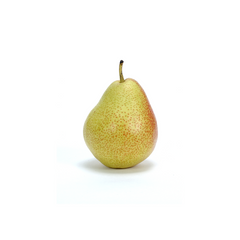
A balanced pink freesia accord typically combines Pink Freesia 30-35%, Pear 20-25%, Jasmine 20-25%, and Musk 20-25%. Pink Freesia provides the fresh, slightly peppery floral heart, anchored by pear's juicy sweetness which shares aldehydic and fruity molecules enhancing brightness. Jasmine adds a creamy floral depth through compounds like jasmone, complementing freesia's linalool base. Musk, often synthetic musks such as galaxolide, offers longevity and a soft skin-like warmth, rounding out the accord for lasting impact.

35%

Pink Freesia

30–35% of blend

Provides the fresh, slightly peppery floral character primarily through linalool and green aldehydes.

25%

Pear

20–25% of blend

Adds juicy sweetness and aldehydic brightness that molecularly complements freesia's fresh facets.

25%

Jasmine

20–25% of blend

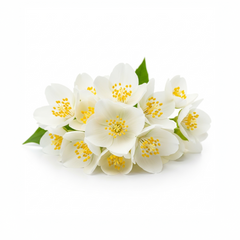
Contributes creamy floral depth via jasmone and other aromatic molecules, enhancing accord complexity.

25%

Musk

20–25% of blend

Synthetic musks provide longevity and a soft skin-like warmth, balancing the fresh floral top.

The Olfactory Layers

How Pink Freesia Evolves on Skin

Pink Freesia's olfactory evolution begins with a bright, fresh floral burst dominated by high-volatility linalool and green aldehydes evaporating within the first 15 minutes. The heart phase reveals softer floral and violet powdery notes from ionone derivatives lasting up to an hour. The base phase, several hours later, is characterized by subtle musky warmth and skin-like softness, providing a lingering gentle floral trail.

I
Top notes
0–15 min
Bright Floral Freshness

The initial impression is a fresh, bright floral burst dominated by linalool and green aldehydes like cis-3-hexenol. These highly volatile molecules evaporate quickly, creating a crisp, slightly peppery freshness reminiscent of spring air.

FreshPepperyGreen
II
Heart notes
20–60 min
Soft Floral Elegance

The heart reveals softer floral nuances with violet-powdery undertones from ionone derivatives and jasmine synthetics. These molecules have moderate volatility, providing a smooth, elegant floral bouquet that balances freshness with warmth.

FloralPowderyElegant
III
Base notes
Several hours
Warm Musky Softness

The base phase is marked by synthetic musks and subtle woody undertones that offer longevity and a skin-like warmth. These low-volatility molecules evaporate slowly, leaving a gentle, comforting floral trail.

MuskyWarmSoft
TOP NOTES Bright Floral Freshness 0–15 minutes HEART NOTES Soft Floral Elegance 20–60 minutes BASE NOTES Warm Musky Softness Several hours
Through the Ages

The Story of Pink Freesia in Perfumery

Pink Freesia's journey in perfumery spans from its botanical discovery in the 19th century to its modern synthetic reconstruction, reflecting advances in fragrance technology and synthetic chemistry.

1860s

Botanical Naming of Freesia

Danish botanist Christian Friedrich Ecklon named the genus Freesia after his friend Friedrich Freese, a German physician. This marked the formal scientific recognition of the flower native to South Africa.

1980s

Development of Headspace Technology

Headspace analysis was developed, allowing perfumers to identify and replicate the volatile compounds of freesia flowers, leading to synthetic reconstructions of the scent.

2010

Launch of Jo Malone English Pear & Freesia

Christine Nagel created this iconic fragrance featuring pink freesia as a heart note, popularizing the synthetic freesia accord in modern perfumery.

2020s

Advances in Sustainable Synthetic Production

Synthetic aroma chemicals for pink freesia are increasingly produced via bio-based and upcycled feedstocks, enhancing sustainability and supply chain transparency.

2025

Pink Freesia's Continued Popularity

Pink freesia remains a favored note in contemporary fragrance design, used widely in both niche and designer perfumes for its fresh, bright floral character.

The Art of Layering

How to Layer Pink Freesia

Understanding how to layer pink freesia involves molecular compatibility and olfactory synergy. The note's linalool base harmonizes with fruity aldehydes and musks, allowing for versatile combinations that enhance freshness or add depth.

01

Enhance Sweetness

Layer pink freesia with pear or apple notes, which share aldehydic compounds that amplify fruity brightness. This molecular overlap creates a seamless, juicy floral accord, exemplified in Jo Malone's English Pear & Freesia.

02

Add Depth

Combine pink freesia with soft musks like galaxolide to add longevity and a skin-like warmth. The musk's low volatility balances freesia's bright top notes, producing a rounded, enduring scent.

03

Lighten the Glow

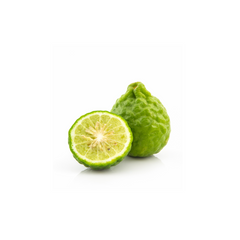
Pair pink freesia with citrus notes such as bergamot or lemon, whose limonene content complements freesia's green aldehydes. This blend enhances freshness and creates an uplifting, airy fragrance profile.

Wear It Right

How to Wear Pink Freesia Like a Pro

Seasonal Guide

Fall & Winter

In cooler temperatures, pink freesia's fresh floral notes project softly but last longer on skin. Layering with warm musks or woods can enhance depth and comfort.

Spring

Spring's mild warmth highlights pink freesia's bright and airy qualities, making it ideal for standalone wear or paired with light citrus and green notes.

Summer

Heat increases volatility, intensifying the fresh and peppery facets but shortening longevity. Apply lightly and consider layering with aquatic or citrus notes for balance.

Year-Round Tip

Use pink freesia as a versatile top or heart note, adjusting concentration and layering to suit temperature and occasion for optimal effect.

Application Points

Strategic application enhances pink freesia's fresh floral impact and longevity.

1

Neck

Pulse points like the neck emit heat that activates pink freesia's volatile top notes, enhancing projection and freshness.

2

Behind the Ears

Warmth behind the ears helps release the floral nuances gradually, creating a subtle yet noticeable scent trail.

3

Inner Wrists

Wrists provide a warm, moist surface that intensifies the floral brightness and allows for easy scent refresh throughout the day.

4

Hair

Hair holds fragrance molecules longer, releasing pink freesia's airy floral scent with movement and creating an enveloping aura.

★

Pro Tip

Layer pink freesia with complementary notes on moisturized skin to extend longevity and enhance the floral bouquet.

Mood Architecture™

Top Pink Freesia Fragrances by Mood Score

These Pink Freesia-based fragrances scored highest on the MEI™ Mood Architecture Framework — measuring how a scent may influence your emotional state.

Highest MEI Score
Inflorescence — Byredo Inflorescence Alternative Perfume
5.8
MEI™
Primary Fresh
Secondary Romantic
Confidence
5.02
Presence
5.27
Mood Lift
7.4
Identity
5.45
Warmth
5.3
Social Ease
6.6
Energy
2.23
" I am free.
View full mood profile →
Bombself In Bloom — Bombshells In Bloom Alternative Perfume
3.7
MEI™
Primary Fresh
Secondary Romantic
Confidence
2.7
Presence
2.8
Mood Lift
5.0
Identity
3.1
Warmth
3.3
Social Ease
4.7
Energy
1.9
" I am free.
View full mood profile →
HumanSafe™

Top Pink Freesia Fragrances by HumanSafe™ Score

These Pink Freesia-based fragrances have the highest product-level HumanSafe™ scores in this ingredient collection.

Highest HumanSafe™ Score
Inflorescence — Byredo Inflorescence Alternative Perfume
A-
HumanSafe™ Score Generally Safe
Safest Evaluated Ingredients EDP
AQUA Solvent / Carrier ISS 10.0
BENZENEPROPANAL, 4-ETHYL-.ALPHA.,.ALPHA.-DIMETHYL- Evaluated ingredient ISS 8.0
CITRONELLOL Evaluated ingredient ISS 7.0
ALCOHOL DENAT. Solvent / Carrier ISS 7.0
2,6-DI-TERT-BUTYL-P-CRESOL Evaluated ingredient ISS 7.0
TETRAHYDRO-2-ISOBUTYL-4-METHYLPYRAN-4-OL, MIXED Evaluated ingredient ISS 6.6
View full safety profile →
Bombself In Bloom — Bombshells In Bloom Alternative Perfume
A-
HumanSafe™ Score Generally Safe
Safest Evaluated Ingredients EDP
AQUA Solvent / Carrier ISS 10.0
1,4-DIOXACYCLOHEPTADECANE-5,17-DIONE Evaluated ingredient ISS 10.0
HEXYL SALICYLATE Evaluated ingredient ISS 9.0
LINALYL ACETATE Evaluated ingredient ISS 7.0
LINALOOL Evaluated ingredient ISS 7.0
ALCOHOL DENAT. Solvent / Carrier ISS 7.0
View full safety profile →
Expert Voices

What Masters Say About Pink Freesia

“
Freesia in perfumery is an imaginary reconstitution – but the smell is gorgeous. It’s produced synthetically, adding a hint of green sweetness and airiness to fragrance creations. It smells like tea, actually.
Alienor Massenet, perfumer
“
Pink freesia accords lean heavily on linalool blended with green, citrus, and light floral modifiers, creating an imaginary flower closer to the idea of freesia than to any botanical reality.
CA Perfume Editorial
Common Questions

Frequently Asked Questions

Answers to common questions about pink freesia in perfumery.

Pink freesia in perfume smells fresh, floral, and slightly peppery with green and citrus undertones. It is primarily a synthetic accord built around linalool, green aldehydes, and ionone derivatives, creating a bright, airy floral scent reminiscent of spring blooms. Notable perfumes featuring pink freesia include Jo Malone English Pear & Freesia and Versace Pour Femme Dylan Purple.

Pink freesia is typically used as a top to heart note in fragrance compositions. It provides an immediate fresh and floral burst that gradually softens into powdery and musky undertones as the perfume develops.

Pink freesia's fresh, clean, and slightly peppery floral character makes it a versatile and appealing note in niche perfumery. Its synthetic nature allows perfumers precise control over scent profile and consistency, enabling creative blends that evoke springtime freshness and delicate femininity.

Pink freesia fragrance uses best with pear, jasmine, musk, bergamot, and patchouli. These notes complement its fresh floral profile by adding fruity brightness, creamy depth, warmth, citrus lift, and earthy grounding, respectively.

Yes, pink freesia's bright and airy floral scent is well-suited for summer and hot weather. However, heat increases volatility, so lighter application or layering with aquatic or citrus notes can help maintain balance and longevity.

Pink freesia's top notes are highly volatile and typically last 1-2 hours, with heart and base notes extending overall fragrance longevity to 4-6 hours depending on formulation and concentration.

Yes, pink freesia blends well with fruity, musky, woody, and citrus notes. Layering enhances complexity and can tailor the scent to different moods and occasions.

Jo Malone English Pear & Freesia (2010) and Versace Pour Femme Dylan Purple (2022) are excellent entry points, offering fresh, approachable floral-fruity compositions featuring pink freesia.

Consider your preference for floral intensity, complementary notes, and occasion. CA Perfume offers a curated selection of pink freesia fragrances with detailed scent profiles and layering advice to help you find your ideal match.

Pink freesia smells primarily fresh and floral with a subtle peppery (spicy) edge rather than overt sweetness. The slight spiciness comes from green aldehydes and linalool's nuanced facets.

Floral Collection

Explore Our Top Pink Freesia Fragrances

Discover the most popular and acclaimed pink freesia perfumes, featuring fresh floral accords and versatile blends.

Shop all pink freesia fragrances at CA Perfume →

Where Pink Freesia Comes From — Origin & Extraction

Pink Freesia is derived from the species Freesia refracta, a flowering plant native to the Cape region of South Africa. This genus belongs to the Iridaceae family and includes about 16 species, with pink freesia noted for its delicate, trumpet-shaped blooms and captivating floral scent. The flower's natural fragrance is dominated by linalool, green aldehydes, and ionone derivatives, but natural extraction of essential oil or absolute is not commercially viable due to negligible yield and poor scent fidelity. Consequently, pink freesia in perfumery is produced synthetically through aroma molecule reconstruction. Techniques such as headspace analysis, developed in the 1980s, have identified the volatile compounds in the flower's scent, enabling perfumers to replicate the aroma using synthetic molecules like linalool (CAS 78-70-6), cis-3-hexenol (CAS 928-96-1), and dihydro-beta-ionone (CAS 14901-07-6). Extraction methods for freesia essence in general include solvent extraction and CO2 extraction for related floral materials, but these are not applied to pink freesia due to the flower's fragility and low oil content. Synthetic production offers cost-effective, stable, and sustainable alternatives, with natural freesia absolute costing several thousand dollars per kilogram, whereas synthetic aroma chemicals range from $50 to $200 per kilogram. Sustainability considerations favor synthetic pink freesia due to the avoidance of large-scale harvesting and the ability to produce molecules via bio-based or upcycled feedstocks. The synthetic nature also ensures consistent quality and supply for perfumers worldwide.

Famous Fragrances That Define Pink Freesia in Perfumery

Pink freesia has become a signature floral note in contemporary perfumery, prized for its fresh, bright, and slightly peppery character. Among the landmark fragrances showcasing pink freesia are Jo Malone London's English Pear & Freesia (2010), crafted by perfumer Christine Nagel. Here, pink freesia functions as a heart note, bridging the juicy pear top with a patchouli base, creating a crisp and elegant floral-fruity accord. Versace Pour Femme Dylan Purple (2022) by perfumer Alberto Morillas features pink freesia as a prominent floral heart note, paired with fruity and musky elements to produce a youthful and vibrant scent. Byredo's La Tulipe (2010) incorporates freesia in a fresh floral bouquet alongside tulip and cyclamen, emphasizing the airy and delicate facets of the note. Lancôme Miracle (2000), created by perfumer Dominique Ropion, uses freesia to add a sparkling floral brightness to its composition, complementing lychee and jasmine. Bath & Body Works Freesia Fields (2000s) is a popular mass-market fragrance where freesia is blended with green notes, clove, and musk, highlighting its versatility. These examples illustrate pink freesia's adaptability across fragrance styles, from niche to designer, and its role as a fresh floral accent or heart note. CA Perfume's collection honors this lineage by offering fragrances that celebrate pink freesia's clean and uplifting character.

Natural vs Synthetic Pink Freesia in Perfumery

Pink freesia is a quintessential example of a note that exists almost exclusively as a synthetic reconstruction in perfumery. Natural extraction of freesia essential oil or absolute is not commercially feasible due to the flower's low oil yield and the fragility of its aromatic compounds, which degrade quickly. Synthetic pink freesia accords are primarily built around linalool (CAS 78-70-6), cis-3-hexenol (CAS 928-96-1), and dihydro-beta-ionone (CAS 14901-07-6). These molecules replicate the fresh, floral, and slightly green facets of the flower. Synthetic versions offer superior longevity, diffusion, and stability compared to any natural extract attempts. They also allow perfumers precise control over the scent profile and batch consistency. Cost-wise, synthetic aroma chemicals are significantly more affordable, costing approximately $50–200/kg, compared to the prohibitive costs and scarcity of natural freesia extracts. Famous fragrances like Jo Malone London's English Pear & Freesia and Versace Pour Femme Dylan Purple utilize synthetic pink freesia accords for their reliable performance. Sustainability and supply chain transparency are enhanced with synthetic pink freesia, as it reduces pressure on natural resources and avoids the environmental impact of large-scale flower harvesting. CA Perfume employs the HumanSafe™ platform to ensure ingredient safety and transparency, favoring synthetic pink freesia accords for these reasons.