Ingredient Guide · Amber Spicy
Amber Spicy Family · Perfumery Note

Pimento

A warm, spicy note with aromatic complexity

Pimento is a warm, spicy fragrance note derived from the dried berries of the Pimenta dioica tree, classified as a heart note in perfumery. Its key molecules include eugenol (61-75%) and beta-caryophyllene, contributing to its spicy, clove-like scent.

Pimento
Ingredient Profile

Pimento

Amber Spicy Family
Family Amber Spicy
Note Position Heart Note
Usage Level 1.4–6.8%
Key Origins Jamaica, Guatemala, Mexico
Iconic In Spicebomb, Noir
The Ingredient

What does Pimento smell like and why is it so unique?

Pimento, also known as allspice, is derived from the dried berries of the Pimenta dioica tree, a member of the Myrtaceae family. Its scent profile is a complex fusion of warm, spicy, and slightly sweet notes reminiscent of clove, cinnamon, and nutmeg. This complexity arises primarily from its high eugenol content (61-75%), methyl eugenol, and beta-caryophyllene, which together create a multi-dimensional aroma that balances spicy richness with a subtle sweetness. In perfumery, pimento is typically used as a heart or middle note, with typical concentrations ranging from 0.1% to 0.3% in fine fragrances due to IFRA restrictions on methyl eugenol content. It interacts with skin chemistry by evolving from a bright, piquant opening to a warm, lasting spicy foundation, often bridging accords of clove, cinnamon, and nutmeg. Pimento's volatility and molecular composition allow it to provide both freshness and depth in compositions. Notable fragrances featuring pimento include Viktor&Rolf's Spicebomb (2005), where it adds a spicy warmth to the aromatic profile, and Tom Ford Noir (2007), which uses pimento to contribute to its spicy, oriental character. These examples demonstrate pimento's versatility and its role in enriching both masculine and unisex fragrances.

1.4–6.8%
Range of essential oil yield percentages from pimento berries depending on extraction method (hydrodistillation to solvent extraction).
0.011%
Maximum allowed concentration of methyl eugenol in finished fragrance products per IFRA 51st Amendment, limiting pimento usage.
70%
Approximate global market share of Jamaica in pimento production, reflecting its dominance in quality and volume.
Origin & Extraction

Where Pimento Comes From — Origin & Extraction

Pimento’s aromatic character is influenced by its geographical origin, with soil composition and climate playing key roles. Jamaican pimento, grown on limestone-rich soils, is noted for its higher oil content and pronounced clove-like aroma. Central American sources such as Guatemala and Mexico produce berries with earthier, rum-like nuances, reflecting local terroir.

Pimento is sourced from the dried, unripe berries of the Pimenta dioica tree, native to the Greater Antilles and Central America. The tree belongs to the Myrtaceae family, which includes eucalyptus and clove. The primary producing country is Jamaica, accounting for approximately 70% of the global market, with Honduras, Guatemala, Mexico, and Belize supplying the remainder. Jamaican pimento is prized for its higher oil content and aromatic potency, attributed to limestone-derived soils. Extraction of pimento essential oil is primarily conducted via steam distillation of dried berries at controlled temperatures to preserve key aromatic compounds such as eugenol and methyl eugenol. Alternative methods include solvent extraction and supercritical CO2 extraction, with supercritical fluid extraction (SFE) preferred for higher yields (up to 6.8% w/w) and reduced solvent residues. Typical essential oil yields range from 1.4% (hydrodistillation) to 6.8% (solvent extraction). The oil is a colorless to pale yellow liquid with a strong spicy aroma. Natural pimento oil commands prices between $3000 to $6000 per kilogram, while synthetic aroma chemicals used as substitutes are significantly cheaper. Sustainability concerns focus on responsible harvesting to prevent overexploitation, with Jamaica implementing quality standards and promoting sustainable agricultural practices. Synthetic pimento aroma chemicals, including eugenol (CAS 97-53-0), methyl eugenol (CAS 93-15-2), and beta-caryophyllene (CAS 87-44-5), were first isolated and synthesized in the early 20th century, providing cost-effective and stable alternatives for perfumery.

JM

Jamaica

Jamaica produces approximately 70% of the world’s pimento, with limestone-derived soils enhancing oil yield and aromatic potency. The tropical climate and traditional harvesting of unripe berries contribute to its distinctive spicy, clove-like scent.

GT

Guatemala

Guatemala’s pimento features a more earthy and rum-like aroma, influenced by volcanic soils and higher altitudes. Production is smaller but valued for its unique aromatic profile.

MX

Mexico

Mexican pimento is known for its warm, versatile scent with subtle sweetness. The tropical climate and varied soil types contribute to a balanced aromatic character.

HN

Honduras

Honduras produces pimento with a distinct bay leaf character and spicy nuances, grown in humid tropical conditions with rich soils.

Chemistry

Natural vs Synthetic Pimento in Perfumery

Natural pimento essential oil is a complex mixture dominated by eugenol (61-75%), methyl eugenol (4-10%), and beta-caryophyllene (3-9%), which provide its characteristic warm, spicy, and slightly sweet aroma. The natural oil offers a rich, multi-dimensional scent with evolving nuances influenced by terroir and extraction method. Synthetic pimento aroma chemicals include eugenol (CAS 97-53-0), methyl eugenol (CAS 93-15-2), and beta-caryophyllene (CAS 87-44-5). These synthetics provide consistent quality, enhanced stability, and longer longevity in fragrance formulations. However, synthetic molecules lack some of the subtle complexity and natural variation found in the essential oil. Cost differentials are significant: natural pimento oil ranges from $3000 to $6000 per kilogram, while synthetic aroma chemicals cost between $50 and $200 per kilogram. IFRA regulations limit methyl eugenol content in finished products to 0.011%, necessitating careful dosing of natural oil. Famous fragrances using natural pimento include Tom Ford Noir and Viktor&Rolf Spicebomb, while synthetic pimento molecules are often used in mass-market and niche fragrances for their stability and cost-effectiveness. CA Perfume employs the HumanSafe™ platform to ensure transparency and safety in sourcing both natural and synthetic pimento ingredients, balancing authenticity with regulatory compliance and sustainability.

Natural
Pimento Absolute
Cost $3,000–6,000/kg
Method Solvent / CO₂
Character Complex, variable
vs
Synthetic
Safranal & Analogues
Cost $50–200/kg
Method Lab synthesis
Character Consistent, stable
Hall of Fame

Famous Fragrances That Define Pimento in Perfumery

2005
heart note

Spicebomb

Viktor&Rolf
by Olivier Polge, Carlos Benaim
cinnamonleathertobacco
2007
accent note

Noir

Tom Ford
by Jacques Cavallier
ambervanillapatchouli
2019
accent note

Purpose 50

Amouage
by Christopher Chong
oudamberspices
2008
supporting note

1 Million

Paco Rabanne
by Christophe Raynaud, Olivier Pescheux, Michel Girard
cinnamonamberleather
2002
dominant note

Piment Brulant

L'Artisan Parfumeur
by Bertrand Duchaufour
cocoaamberclove

Pimento has been featured prominently in several landmark fragrances, showcasing its versatility as a warm, spicy note. Viktor&Rolf's Spicebomb (2005), crafted by perfumers Olivier Polge and Carlos Benaim, uses pimento as a key heart note, paired with cinnamon and leather to create a bold, masculine scent. Tom Ford Noir (2007), by Jacques Cavallier, incorporates pimento to add spicy depth alongside amber and vanilla. Amouage Purpose 50 (2019), by Christopher Chong, employs pimento as an accent note within a complex oriental woody composition. Paco Rabanne 1 Million (2008), designed by Christophe Raynaud, Olivier Pescheux, and Michel Girard, features pimento to enhance its spicy, sweet character. L'Artisan Parfumeur's Piment Brulant (2002), by Bertrand Duchaufour, highlights pimento's fiery and green qualities, blending it with cocoa and amber for a unique spicy gourmand effect. These fragrances illustrate pimento's role as a bridge between spicy, woody, and sweet accords, enriching compositions with its warm and slightly pungent nuances. CA Perfume's collection respects this lineage by offering fragrances that explore pimento's aromatic complexity without overwhelming the composition.

The Accord

How is a captivating Pimento accord crafted?

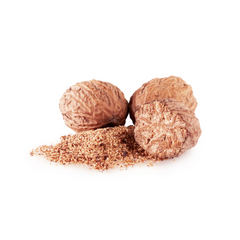
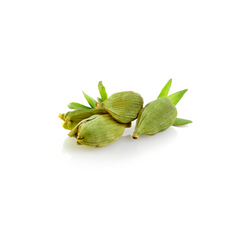
A balanced pimento accord typically blends 25-30% pimento with complementary spices and softeners to create a warm, complex aroma. Cinnamon (20-25%) adds sweet spiciness that enhances pimento’s warmth. Nutmeg (15-20%) contributes woody, slightly nutty depth, grounding the blend. Cardamom (15-20%) introduces a fresh, aromatic brightness that balances the warmth. Vanilla (20-25%) provides a creamy, sweet undertone that softens the spiciness and adds richness. Together, these ingredients form a harmonious accord with spicy warmth, aromatic complexity, and smooth sweetness.

30%

Pimento

25–30% of blend

Provides the core warm, spicy, and slightly sweet character driven by eugenol and beta-caryophyllene.

25%

Cinnamon

20–25% of blend

Adds sweet, warm spiciness that complements and amplifies pimento’s aromatic profile.

20%

Nutmeg

15–20% of blend

Contributes woody, slightly nutty warmth that deepens and grounds the accord.

20%

Cardamom

15–20% of blend

Introduces fresh, aromatic brightness that balances the warm spices.

25%

Vanilla

20–25% of blend

Softens the spiciness with a creamy, sweet undertone, adding richness and balance.

The Olfactory Layers

How Pimento Evolves on Skin

Pimento’s olfactory evolution begins with a bright, spicy burst dominated by volatile eugenol and methyl eugenol molecules. Over 20-60 minutes, the scent transitions into a warm, rich heart where beta-caryophyllene and sesquiterpenes provide depth. Finally, the base notes linger for hours with woody and slightly sweet undertones, creating a lasting spicy warmth.

I
Top notes
0–15 min
Bright Spicy Burst

The initial impression is a sharp, piquant spiciness driven by high-volatility eugenol and methyl eugenol compounds. This stage is characterized by a fresh, clove-like warmth with subtle cinnamon nuances.

SpicyBrightPiquant
II
Heart notes
20–60 min
Warm Woody Spice

As the top notes fade, the heart reveals a richer, warmer spiciness with woody and nutty facets from beta-caryophyllene and alpha-humulene. The aroma becomes more rounded and complex, balancing warmth with aromatic depth.

WarmWoodyComplex
III
Base notes
Several hours
Lingering Spicy Warmth

The base is marked by lingering spicy warmth with subtle sweetness and woody undertones. Sesquiterpenes and minor components provide a smooth, enduring finish that anchors the fragrance.

Long-lastingSmoothWoody
TOP NOTES Bright Spicy Burst 0–15 minutes HEART NOTES Warm Woody Spice 20–60 minutes BASE NOTES Lingering Spicy Warmth Several hours
Through the Ages

The Story of Pimento in Perfumery

Pimento’s journey in perfumery spans from its discovery in the Caribbean in the late 15th century to its modern use as a versatile spice note in contemporary fragrances.

1494

Discovery by Christopher Columbus

Columbus encountered pimento berries in Jamaica during his second voyage and named them 'pimienta' due to their pepper-like aroma.

17th Century

Introduction to Europe

Pimento began to be imported to Europe, gaining popularity as a culinary and aromatic spice.

19th Century

Rise in Perfumery Use

Perfumers started incorporating pimento for its exotic warmth and spicy complexity in fragrance compositions.

Early 20th Century

Chemical Analysis and Synthesis

Key aromatic compounds such as eugenol and methyl eugenol were isolated and synthesized, expanding perfumers’ options.

2000s

Modern Fragrance Highlights

Pimento featured in landmark fragrances like Viktor&Rolf Spicebomb (2005) and Tom Ford Noir (2007), cementing its role in contemporary perfumery.

The Art of Layering

How to Layer Pimento

Understanding how to layer pimento enhances its aromatic impact by exploiting molecular compatibility and olfactory masking. How to layer pimento involves pairing it with ingredients that share or complement its spicy and sweet facets to create harmonious blends.

01

Enhance Sweetness

Pairing pimento with vanilla leverages vanillin’s sweet masking effect to soften pimento’s sharp edges, creating a creamy, balanced warmth. This combination is evident in fragrances like Tom Ford Noir.

02

Add Depth

Combining pimento with nutmeg and cinnamon enriches the spicy accord through shared phenolic and terpenoid compounds, deepening complexity and warmth, as seen in Viktor&Rolf Spicebomb.

03

Lighten the Glow

Layering pimento with fresh citrus notes like bergamot introduces limonene, which brightens the composition and balances the heavier spices, providing a vibrant and refreshing contrast.

Wear It Right

How to Wear Pimento Like a Pro

Seasonal Guide

Fall & Winter

Cooler temperatures slow evaporation, allowing pimento’s warm, spicy facets to linger longer. Apply moderately to pulse points for cozy, enveloping warmth.

Spring

Mild temperatures balance freshness and warmth. Layer with floral or green notes to brighten pimento’s spicy character for daytime wear.

Summer

Heat increases volatility, intensifying the spicy top notes but reducing longevity. Use lighter applications or blend with citrus to maintain freshness.

Year-Round Tip

Adjust application based on temperature and humidity, layering pimento with complementary notes to suit mood and occasion.

Application Points

Strategic application enhances pimento’s spicy warmth and longevity.

1

Neck

Pulse points here emit heat, amplifying pimento’s spicy top and heart notes for noticeable projection.

2

Behind the Ears

Warmth from behind the ears helps sustain the spicy aroma subtly throughout the day.

3

Inner Wrists

Movement and warmth at the wrists enhance diffusion and scent evolution.

4

Hair

Hair holds fragrance molecules longer, releasing pimento’s spicy nuances with each movement.

Pro Tip

Layer pimento with vanilla or woody notes on clothing for extended scent longevity and balanced warmth.

Mood Architecture™

Top Pimento Fragrances by Mood Score

These Pimento-based fragrances scored highest on the MEI™ Mood Architecture Framework — measuring how a scent may influence your emotional state.

Highest MEI Score
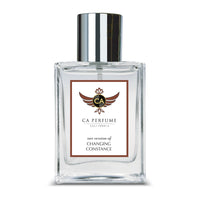
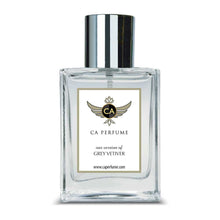
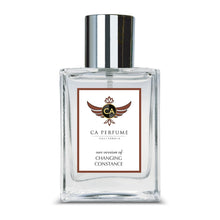
Changing Constance — Penhaligon's Changing Constance Alternative Perfume
6.93
MEI™
Primary Romantic
Secondary Grounding
Confidence
5.78
Presence
6.05
Mood Lift
7.75
Identity
6.04
Warmth
8.89
Social Ease
7.34
Energy
3.9
" I am beautiful.
View full mood profile →
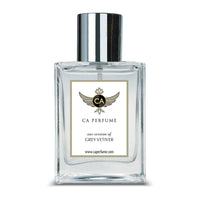
Grey Vetiver — Tom Ford Grey Vetiver Alternative Cologne
6.28
MEI™
Primary Magnetic
Secondary Confident
Confidence
6.55
Presence
7.03
Mood Lift
6.68
Identity
6.35
Warmth
6.29
Social Ease
5.48
Energy
3.1
" I am bold.
View full mood profile →
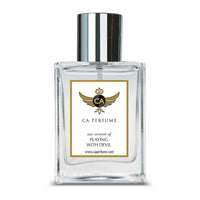
Playing With Devil — Playing With The Devil Alternative Perfume
5.99
MEI™
Primary Serene
Secondary Romantic
Confidence
5.07
Presence
5.54
Mood Lift
6.65
Identity
5.63
Warmth
7.31
Social Ease
6.3
Energy
3.5
" I am enough.
View full mood profile →
HumanSafe™

Top Pimento Fragrances by HumanSafe™ Score

These Pimento-based fragrances have the highest product-level HumanSafe™ scores in this ingredient collection.

Highest HumanSafe™ Score
Playing With Devil — Playing With The Devil Alternative Perfume
A-
HumanSafe™ Score Generally Safe
Safest Evaluated Ingredients EDP
AQUA Solvent / Carrier ISS 10.0
1,4-DIOXACYCLOHEPTADECANE-5,17-DIONE Evaluated ingredient ISS 10.0
3-CYCLOPENTENE-1-ACETALDEHYDE, 2,2,3-TRIMETHYL-, Evaluated ingredient ISS 9.0
ALCOHOL DENAT. Solvent / Carrier ISS 7.0
2-BUTEN-1-OL, 2-ETHYL-4-(2,2,3-TRIMETHYL-3- Evaluated ingredient ISS 7.0
1-[(2-TERT-BUTYL)CYCLOHEXYLOXY]-2-BUTANOL Evaluated ingredient ISS 7.0
View full safety profile →
Grey Vetiver — Tom Ford Grey Vetiver Alternative Cologne
A-
HumanSafe™ Score Generally Safe
Safest Evaluated Ingredients EDP
AQUA Solvent / Carrier ISS 10.0
1H-3A,7-METHANOAZULENE, OCTAHYDRO-6-METHOXY- Evaluated ingredient ISS 9.0
OCTANAL, 2-(PHENYLMETHYLENE)- Evaluated ingredient ISS 8.0
3-BUTEN-2-ONE, 3-METHYL-4-(2,6,6-TRIMETHYL-2- Evaluated ingredient ISS 8.0
PHENOL, 2-METHOXY-4-PROPYL- Evaluated ingredient ISS 7.0
LINALYL ACETATE Evaluated ingredient ISS 7.0
View full safety profile →
Changing Constance — Penhaligon's Changing Constance Alternative Perfume
A-
HumanSafe™ Score Generally Safe
Safest Evaluated Ingredients EDP
AQUA Solvent / Carrier ISS 10.0
AMBROXID Evaluated ingredient ISS 10.0
5-CYCLOHEXADECEN-1-ONE Evaluated ingredient ISS 10.0
1,4-DIOXACYCLOHEPTADECANE-5,17-DIONE Evaluated ingredient ISS 10.0
AMBROXIDE Evaluated ingredient ISS 9.0
View full safety profile →
Expert Voices

What Masters Say About Pimento

Pimento berry oil’s high eugenol content makes it a natural bridge between clove, cinnamon, and nutmeg accords without requiring all three separately.
CA Perfume Editorial
Jamaican pimento commands a premium due to its higher oil content and aromatic potency derived from limestone soils.
Toni-Moy A Stewart, University of the West Indies
Common Questions

Frequently Asked Questions

Answers to common questions about pimento in perfumery.

Pimento in perfume smells warm, spicy, and slightly sweet, reminiscent of clove, cinnamon, and nutmeg. Its scent profile is driven by eugenol and beta-caryophyllene, providing a complex, multi-dimensional aroma that evolves from a bright, piquant opening to a warm, woody finish. It is used as a heart note in many fragrances such as Viktor&Rolf Spicebomb and Tom Ford Noir.

Pimento is primarily used as a heart (middle) note in fragrance compositions. Its moderate volatility allows it to bridge the bright top notes and the deeper base notes, contributing warmth and spice without overwhelming the composition.

Pimento’s unique warm, spicy, and slightly sweet character offers complexity and depth that appeals to niche perfumers seeking distinctive, multi-layered aromas. Its ability to bridge other spices like clove and cinnamon makes it versatile for creating rich, sophisticated compositions.

Pimento fragrance uses often pair it with cinnamon, nutmeg, cardamom, vanilla, and amber. These notes share complementary molecular compounds such as eugenol and vanillin, which harmonize to create balanced spicy, sweet, and warm accords.

Pimento can be worn in summer but its spicy warmth is more pronounced and long-lasting in cooler weather. In hot climates, it may evaporate quickly, so lighter applications or blending with fresh citrus notes can maintain freshness.

Pimento fragrances typically last 5-7 hours depending on concentration and formulation. The base notes provide lingering warmth, while the heart notes evolve over time, maintaining a spicy presence.

Yes, layering pimento with vanilla, woody notes, or fresh citrus can enhance its warmth or brightness. Understanding how to layer pimento allows for personalized scent profiles that highlight its spicy complexity.

Beginner-friendly pimento perfumes include Viktor&Rolf Spicebomb and Tom Ford Noir, which balance pimento’s spice with familiar sweet and woody notes, making them approachable yet distinctive.

Consider your preference for spice intensity and complementary notes. CA Perfume offers a curated selection featuring pimento in various accords, allowing you to explore its warm, spicy character in balanced compositions.

Pimento smells predominantly spicy with a warm, slightly sweet undertone. Its eugenol content provides a clove-like sharpness softened by methyl eugenol and vanillin-related compounds, resulting in a balanced spicy-sweet aroma.

Amber Spicy Collection

Explore Our Top Pimento Fragrances

Discover a curated selection of fragrances featuring pimento’s warm and spicy character, perfect for those seeking aromatic complexity.

Shop all pimento fragrances at CA Perfume →

Where Pimento Comes From — Origin & Extraction

Pimento is sourced from the dried, unripe berries of the Pimenta dioica tree, native to the Greater Antilles and Central America. The tree belongs to the Myrtaceae family, which includes eucalyptus and clove. The primary producing country is Jamaica, accounting for approximately 70% of the global market, with Honduras, Guatemala, Mexico, and Belize supplying the remainder. Jamaican pimento is prized for its higher oil content and aromatic potency, attributed to limestone-derived soils. Extraction of pimento essential oil is primarily conducted via steam distillation of dried berries at controlled temperatures to preserve key aromatic compounds such as eugenol and methyl eugenol. Alternative methods include solvent extraction and supercritical CO2 extraction, with supercritical fluid extraction (SFE) preferred for higher yields (up to 6.8% w/w) and reduced solvent residues. Typical essential oil yields range from 1.4% (hydrodistillation) to 6.8% (solvent extraction). The oil is a colorless to pale yellow liquid with a strong spicy aroma. Natural pimento oil commands prices between $3000 to $6000 per kilogram, while synthetic aroma chemicals used as substitutes are significantly cheaper. Sustainability concerns focus on responsible harvesting to prevent overexploitation, with Jamaica implementing quality standards and promoting sustainable agricultural practices. Synthetic pimento aroma chemicals, including eugenol (CAS 97-53-0), methyl eugenol (CAS 93-15-2), and beta-caryophyllene (CAS 87-44-5), were first isolated and synthesized in the early 20th century, providing cost-effective and stable alternatives for perfumery.

Famous Fragrances That Define Pimento in Perfumery

Pimento has been featured prominently in several landmark fragrances, showcasing its versatility as a warm, spicy note. Viktor&Rolf's Spicebomb (2005), crafted by perfumers Olivier Polge and Carlos Benaim, uses pimento as a key heart note, paired with cinnamon and leather to create a bold, masculine scent. Tom Ford Noir (2007), by Jacques Cavallier, incorporates pimento to add spicy depth alongside amber and vanilla. Amouage Purpose 50 (2019), by Christopher Chong, employs pimento as an accent note within a complex oriental woody composition. Paco Rabanne 1 Million (2008), designed by Christophe Raynaud, Olivier Pescheux, and Michel Girard, features pimento to enhance its spicy, sweet character. L'Artisan Parfumeur's Piment Brulant (2002), by Bertrand Duchaufour, highlights pimento's fiery and green qualities, blending it with cocoa and amber for a unique spicy gourmand effect. These fragrances illustrate pimento's role as a bridge between spicy, woody, and sweet accords, enriching compositions with its warm and slightly pungent nuances. CA Perfume's collection respects this lineage by offering fragrances that explore pimento's aromatic complexity without overwhelming the composition.

Natural vs Synthetic Pimento in Perfumery

Natural pimento essential oil is a complex mixture dominated by eugenol (61-75%), methyl eugenol (4-10%), and beta-caryophyllene (3-9%), which provide its characteristic warm, spicy, and slightly sweet aroma. The natural oil offers a rich, multi-dimensional scent with evolving nuances influenced by terroir and extraction method. Synthetic pimento aroma chemicals include eugenol (CAS 97-53-0), methyl eugenol (CAS 93-15-2), and beta-caryophyllene (CAS 87-44-5). These synthetics provide consistent quality, enhanced stability, and longer longevity in fragrance formulations. However, synthetic molecules lack some of the subtle complexity and natural variation found in the essential oil. Cost differentials are significant: natural pimento oil ranges from $3000 to $6000 per kilogram, while synthetic aroma chemicals cost between $50 and $200 per kilogram. IFRA regulations limit methyl eugenol content in finished products to 0.011%, necessitating careful dosing of natural oil. Famous fragrances using natural pimento include Tom Ford Noir and Viktor&Rolf Spicebomb, while synthetic pimento molecules are often used in mass-market and niche fragrances for their stability and cost-effectiveness. CA Perfume employs the HumanSafe™ platform to ensure transparency and safety in sourcing both natural and synthetic pimento ingredients, balancing authenticity with regulatory compliance and sustainability.