Ingredient Guide · Citrus Aromatic
Citrus Aromatic Family · Perfumery Note

Petitgrain

A crisp, leafy citrus note with woody-green depth.

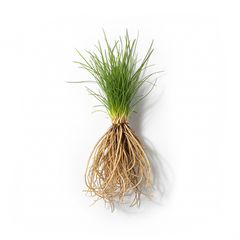
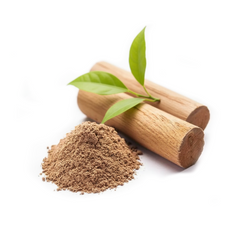
Petitgrain is a heart note in perfumery, prized for its green, woody-citrus character. Its distinctive scent comes from high concentrations of linalyl acetate and linalool, providing a fresh, herbaceous profile with notable tenacity.

Petitgrain
Ingredient Profile

Petitgrain

Citrus Aromatic Family
Family Citrus Aromatic
Note Position Heart Note
Usage Level 0.2–0.3% Yield
Key Origins Paraguay, France, Italy
Iconic In Original Eau de Cologne, 4711 Echt Kölnisch Wasser
The Ingredient

What does Petitgrain smell like and why is it essential in perfumery?

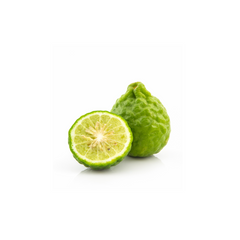
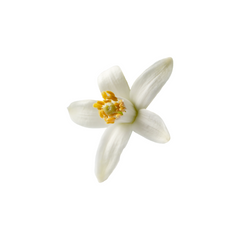
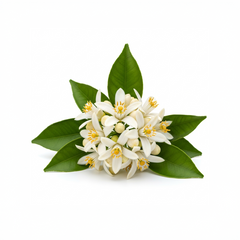
Petitgrain, derived from the leaves and young twigs of the bitter orange tree (Citrus aurantium ssp. amara), is chemically dominated by linalyl acetate (47–58%) and linalool (21–25%), with supporting roles from alpha-terpineol, geranyl acetate, and neryl acetate. This molecular composition yields a scent profile that is distinctly green, woody, and citrusy, with a bitter undertone and a subtle floral nuance reminiscent of orange blossom but less sweet. The presence of monoterpene hydrocarbons such as myrcene and ocimene imparts an herbaceous, slightly sharp edge, differentiating petitgrain from other citrus notes that are typically fruit-derived. In perfumery, petitgrain occupies a unique position as a citrus-family material that behaves as a heart note due to its high ester content, which grants it greater substantivity (20–28 hours at 100% concentration) compared to cold-pressed citrus peel oils. It is typically used at concentrations of 0.5–3% in fragrance compositions, where it bridges volatile citrus openings with woody or floral hearts, preventing abrupt transitions and lending structural freshness to eaux de cologne, fougères, chypres, and aromatic blends. Petitgrain’s interaction with skin chemistry is notable: its linalool and linalyl acetate backbone can be softened or accentuated depending on the wearer’s skin pH, with acidic skin amplifying its green facets and alkaline skin emphasizing woody undertones. Notable fragrances that exemplify petitgrain’s role include Mugler Cologne (2001, Alberto Morillas), where it forms the backbone of a modern cologne structure, and Le Labo Bergamote 22 (2006, Daphne Bugey), where petitgrain’s green bitterness tempers the sweetness of bergamot and orange blossom. In both, petitgrain’s scent profile is integral to the overall composition, demonstrating its versatility and technical importance in perfumery.

0.2–0.3% Yield
Steam distillation of 500–600 kg of bitter orange leaves and twigs produces 1 kg of petitgrain oil, reflecting its relatively low extraction yield.
20–28 Hours
At 100% concentration, petitgrain oil exhibits substantivity of 20–28 hours on a scent strip, far exceeding most citrus peel oils (2–4 hours).
<3% in Formula
IFRA restricts petitgrain oil to under 3% in finished fragrances due to sensitizing components such as linalool and geraniol.
Origin & Extraction

Where Petitgrain Comes From — Origin & Extraction

Petitgrain’s scent character is shaped by the terroir of its origin. Soil composition, rainfall, and harvest timing in Paraguay, France, Italy, and Tunisia yield subtle variations in bitterness, floralcy, and woody undertones.

Petitgrain essential oil is extracted from the leaves and young twigs of the bitter orange tree, Citrus aurantium ssp. amara. The name 'petitgrain' (French for 'little grain') originally referred to oil distilled from the small, unripe green fruits, but modern production relies almost exclusively on vegetative material. The primary producing countries are Paraguay (accounting for approximately 70% of global supply), France (notably the Grasse region), Italy (Sicily and Calabria), and Tunisia. Annual global production is estimated at 250–300 metric tons, with Paraguay alone exporting over 150 metric tons per year. The extraction process is steam distillation: freshly harvested leaves and twigs are loaded into a still, where steam passes through the plant material at controlled temperatures (typically 100–110°C) for 2–3 hours. The resulting condensate separates into an aqueous phase (hydrosol) and an essential oil layer, which is decanted and filtered. Yield averages 0.2–0.3% by weight (500–600 kg of leaves and twigs produce 1 kg of oil). The oil is pale yellow to amber and is chemically characterized by high linalyl acetate and linalool content, with minor components like alpha-terpineol and geraniol. Natural petitgrain oil (CAS 8014-17-3) commands a price of $50–120/kg, depending on origin and quality. Synthetic substitutes, primarily linalyl acetate (CAS 115-95-7) and linalool (CAS 78-70-6), are significantly less expensive ($10–25/kg) but lack the full complexity of the natural oil. Sustainability concerns focus on land use and the need for manual harvesting, but the bitter orange tree is a robust crop, often grown in mixed agroforestry systems. Some producers are certified organic, and efforts are underway to valorize by-products (e.g., hydrosols, composted biomass) to minimize waste.

PY

Paraguay

Eastern Paraguay (Itapúa, Alto Paraná) produces over 70% of global petitgrain oil. The region’s red clay soils and subtropical climate yield oil with pronounced green bitterness and high linalyl acetate content. Artisanal and industrial distillers operate from October to March, exporting over 150 metric tons annually.

FR

France

The Grasse region in Provence is renowned for high-grade petitgrain oil, harvested in June–July. Calcareous soils and Mediterranean climate produce oil with a softer, more floral profile and elevated geraniol content. French petitgrain is prized for niche perfumery, though production is limited (<10% of global supply).

IT

Italy

Sicily and Calabria yield petitgrain oil with a bright, citrus-forward profile and subtle woody undertones. Volcanic soils and high summer temperatures enhance monoterpene content. Italian oil is favored for colognes and aromatherapy, with annual output under 5% of global supply.

TN

Tunisia

Cap Bon and Nabeul regions produce petitgrain oil with the most pronounced floral character, due to sandy soils and coastal humidity. Tunisian oil is highly sought after for its delicate balance of green and floral notes, though total production remains modest.

Chemistry

Natural vs Synthetic Petitgrain in Perfumery

Natural petitgrain oil is a complex mixture dominated by linalyl acetate (CAS 115-95-7), linalool (CAS 78-70-6), and alpha-terpineol (CAS 98-55-5), with minor constituents such as geraniol and neryl acetate. Synthetic petitgrain accords are typically constructed from purified linalyl acetate and linalool, sometimes supplemented with cis-3-hexenol (CAS 928-96-1) for green facets and methyl anthranilate (CAS 134-20-3) for floral nuance. While synthetics offer greater batch-to-batch consistency, increased stability, and lower cost (often $10–25/kg versus $50–120/kg for natural), they lack the subtle bitterness and woody undertones contributed by trace terpenoids and aldehydes in the natural oil. Performance-wise, synthetic petitgrain is more stable to light and heat, with less risk of oxidation, but may have slightly reduced tenacity compared to high-quality natural oil. Many modern fragrances use a blend of both forms for optimal performance and cost efficiency. Iconic colognes such as Mugler Cologne (2001) and Le Labo Bergamote 22 (2006) use natural petitgrain, while large-scale commercial fragrances may rely on synthetics for consistency. Sustainability is a key consideration: synthetic linalool and linalyl acetate can be produced from renewable feedstocks (e.g., sugarcane-derived terpenes), reducing land pressure. The HumanSafe™ platform at CA Perfume ensures full transparency of petitgrain sourcing, with batch-level traceability and allergen disclosure.

Natural
Petitgrain Absolute
Cost $3,000–6,000/kg
Method Solvent / CO₂
Character Complex, variable
vs
Synthetic
Safranal & Analogues
Cost $50–200/kg
Method Lab synthesis
Character Consistent, stable
Hall of Fame

Famous Fragrances That Define Petitgrain in Perfumery

1709
dominant note

Original Eau de Cologne

Farina
by Johann Maria Farina
bergamotlemonnerolirosemary
1792
bridge note

4711 Echt Kölnisch Wasser

Mülhens
by Wilhelm Mülhens
lemonorangelavenderrosemary
2001
dominant note

Mugler Cologne

Mugler
by Alberto Morillas
nerolibergamotwhite musk
2006
accent

Bergamote 22

Le Labo
by Daphne Bugey
bergamotorange blossomambervetiver
2018
supporting note

Under The Lemon Tree

Maison Martin Margiela
by Violaine Collas
lemongreen teacedarwoodmusk

Petitgrain has played a defining role in both classic and contemporary perfumery. In the 18th century, it was a core ingredient in the original Eau de Cologne (Farina, 1709), where it provided 20% of the formula’s structure. The iconic 4711 Echt Kölnisch Wasser (Mülhens, 1792) features 11.3% petitgrain oil, giving the cologne its bitter-green backbone. In the modern era, Mugler Cologne (2001, Alberto Morillas) reimagined the genre with a high dose of petitgrain, creating a clean, soapy freshness that has become a reference point for contemporary citrus fragrances. Le Labo Bergamote 22 (2006, Daphne Bugey) uses petitgrain to bridge the gap between bright bergamot and creamy woods, while Acqua di Parma Colonia (1916) relies on petitgrain for its green, aromatic heart. More recently, Diptyque L’Ombre dans l’Eau (1983, Serge Kalouguine) and Maison Martin Margiela Under The Lemon Tree (2018, Violaine Collas) have showcased petitgrain’s versatility in green-floral and aromatic compositions. CA Perfume’s collection draws inspiration from this lineage, emphasizing petitgrain’s structural and aromatic importance in both traditional and modern fragrance architecture.

The Accord

How is a captivating Petitgrain accord crafted?

A classic petitgrain accord balances green, citrus, and woody elements for freshness and structure. Petitgrain (25–30%) provides the green-citrus backbone via linalyl acetate and linalool. Bergamot (20–25%) adds brightness and a sweet-citrus lift through limonene and bergapten. Lavender (20–25%) introduces a floral-herbaceous bridge via linalool and coumarin, while Vetiver (25–30%) anchors the accord with earthy, woody depth from vetiverol and vetivone. This structure mimics the complexity of classic eaux de cologne and modern aromatic compositions.

30%

Petitgrain

25–30% of blend

Supplies the green, woody-citrus core through high linalyl acetate and linalool content, imparting both freshness and tenacity.

25%

Bergamot

20–25% of blend

Limonene and bergapten provide a sweet, sparkling citrus top, enhancing petitgrain’s brightness and masking bitterness.

25%

Lavender

20–25% of blend

Linalool and coumarin bridge citrus and woody notes, softening sharpness and adding a floral-herbaceous nuance.

30%

Vetiver

25–30% of blend

Vetiverol and vetivone introduce earthy, woody depth, stabilizing the accord and extending longevity on skin.

The Olfactory Layers

How Petitgrain Evolves on Skin

Petitgrain’s olfactory evolution begins with a burst of green-citrus freshness, transitions to a woody-floral heart, and settles into a subtly sweet, herbaceous base. High-volatility esters evaporate quickly, while heavier terpenoids and alcohols persist, shaping the scent’s longevity and character.

I
Top notes
0–15 min
Green Citrus Burst

The initial impression is intensely green and citrusy, dominated by linalyl acetate and limonene. These high-volatility esters and monoterpenes evaporate rapidly, delivering a crisp, bitter freshness reminiscent of crushed leaves and unripe orange peels.

Green CitrusBitter FreshLeafy
II
Heart notes
20–60 min
Woody-Floral Transition

As the top fades, linalool and alpha-terpineol emerge, imparting a soft, floral-herbaceous quality. The bitterness mellows, and a woody-green character develops, bridging citrus and floral elements. This stage is shaped by the slower evaporation of alcohols and minor esters.

Woody GreenFloral HerbaceousSoft Bitterness
III
Base notes
Several hours
Earthy Woody Drydown

The drydown is subtly sweet and earthy, with lingering woody and musky undertones from trace terpenoids and geraniol. These heavier molecules anchor the scent, providing gentle warmth and a persistent green-woody trail.

EarthyWoodySoft Musk
TOP NOTES Green Citrus Burst 0–15 minutes HEART NOTES Woody-Floral Transition 20–60 minutes BASE NOTES Earthy Woody Drydown Several hours
Through the Ages

The Story of Petitgrain in Perfumery

Petitgrain’s history in perfumery spans from 18th-century European colognes to modern niche compositions, reflecting both technical innovation and enduring appeal.

1709

Eau de Cologne Debuts

Johann Maria Farina introduces Original Eau de Cologne in Cologne, Germany, using petitgrain as a dominant note. The formula sets the template for citrus-based colognes for centuries.

1792

4711 Echt Kölnisch Wasser Launches

Wilhelm Mülhens creates 4711, featuring 11.3% petitgrain oil. The fragrance becomes a global icon, cementing petitgrain’s role in the cologne genre.

1876

Paraguayan Petitgrain Industry Begins

French botanist Benjamin Balansa pioneers petitgrain oil production in Paraguay, introducing mobile stills and establishing the country as the world’s leading supplier.

2001

Mugler Cologne Modernizes Petitgrain

Alberto Morillas formulates Mugler Cologne, using a high dose of petitgrain to create a contemporary, clean, and soapy citrus fragrance.

2006

Le Labo Bergamote 22 Showcases Petitgrain

Daphne Bugey crafts Bergamote 22, where petitgrain bridges the gap between sparkling citrus and creamy woods, exemplifying its versatility in modern perfumery.

The Art of Layering

How to Layer Petitgrain

Understanding how to layer petitgrain involves molecular compatibility. 'How to layer petitgrain' effectively means pairing it with notes that share or complement its key compounds—such as linalool, limonene, or coumarin—for synergistic effects.

01

Enhance Green Freshness

Layer petitgrain with bergamot or green tea notes. Both share high levels of monoterpenes, creating a seamless, vibrant green-citrus accord. Maison Martin Margiela Under The Lemon Tree demonstrates this pairing, amplifying freshness and clarity.

02

Add Woody Depth

Combine petitgrain with vetiver or cedarwood. Vetiver’s vetiverol and cedarwood’s sesquiterpenes interact with petitgrain’s linalool, producing a balanced, earthy-woody drydown. Le Labo Bergamote 22 illustrates this synergy, where woody notes stabilize the citrus-green opening.

03

Soften Bitterness

Pair petitgrain with lavender or orange blossom. Both contain linalool, which masks sharpness and enhances floralcy. Mugler Cologne uses this technique, blending petitgrain with neroli and white musk for a clean, soapy effect.

Wear It Right

How to Wear Petitgrain Like a Pro

Seasonal Guide

Fall & Winter

In cooler months, petitgrain’s woody-green heart and subtle floralcy are more pronounced, as lower temperatures slow evaporation and extend longevity. Apply to pulse points under clothing for sustained diffusion. Layer with woods or spices for added warmth.

Spring

Spring’s moderate temperatures highlight petitgrain’s fresh, leafy-citrus facets. Increased humidity enhances projection, making it ideal for daytime wear. Pair with florals or green notes to accentuate its uplifting character.

Summer

Heat accelerates the release of volatile esters, amplifying petitgrain’s citrus brightness but shortening its lifespan. Apply lightly to exposed skin for a refreshing, clean effect. Combine with light musks or aquatic notes to maintain freshness.

Year-Round Tip

Adjust application based on climate: use more in cold, less in heat. Layer with complementary notes (e.g., lavender, bergamot) to tailor petitgrain’s projection and longevity to seasonal needs.

Application Points

Strategic application enhances petitgrain’s freshness and longevity, with each area offering unique diffusion dynamics.

1

Neck

Pulse points on the neck generate heat, accelerating the evaporation of petitgrain’s top notes and maximizing its initial green-citrus freshness.

2

Behind the Ears

This area is slightly cooler, allowing petitgrain’s woody-green heart to develop gradually and prolonging the scent’s evolution.

3

Inner Wrists

Frequent movement and warmth enhance projection, while skin chemistry here can accentuate petitgrain’s bitter-green facets.

4

Hair

Hair fibers trap volatile esters, providing a sustained release of petitgrain’s leafy-citrus aroma throughout the day.

Pro Tip

Layer petitgrain with a moisturizing base (e.g., unscented lotion) to slow evaporation and extend longevity, especially in dry climates.

Mood Architecture™

Top Petitgrain Fragrances by Mood Score

These Petitgrain-based fragrances scored highest on the MEI™ Mood Architecture Framework — measuring how a scent may influence your emotional state.

Highest MEI Score
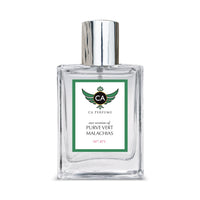
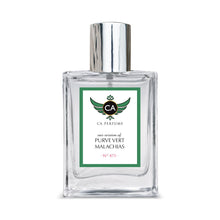
Purve Vert Malachias — Prive Vert Malachite Alternative Perfume
8.62
MEI™
Primary Romantic
Secondary Confident
Confidence
7.56
Presence
8.39
Mood Lift
9.5
Identity
8.03
Warmth
9.5
Social Ease
9.5
Energy
3.9
" I am beautiful.
View full mood profile →
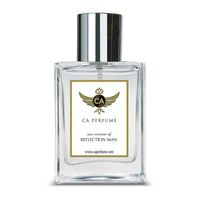
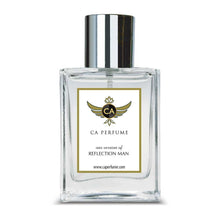
Reflection Man — Amouage Reflection Man Alternative Cologne
8.53
MEI™
Primary Fresh
Secondary Romantic
Confidence
8.12
Presence
8.71
Mood Lift
9.5
Identity
8.37
Warmth
8.3
Social Ease
8.78
Energy
4.1
" I am radiant.
View full mood profile →
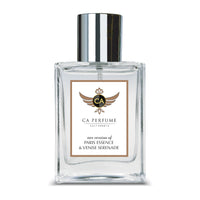
Paris Essence & Venise Serenade — Paris Venise Alternative Perfume
8.16
MEI™
Primary Fresh
Secondary Romantic
Confidence
6.94
Presence
6.93
Mood Lift
9.3
Identity
7.75
Warmth
9.01
Social Ease
9.3
Energy
4.4
" I am radiant.
View full mood profile →
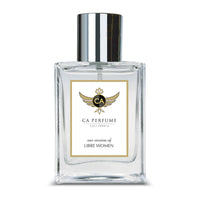
Libre Women — Libre Alternative Perfume
7.77
MEI™
Primary Fresh
Secondary Romantic
Confidence
6.41
Presence
6.48
Mood Lift
9.37
Identity
6.53
Warmth
8.38
Social Ease
8.85
Energy
4.7
" I am radiant.
View full mood profile →
HumanSafe™

Top Petitgrain Fragrances by HumanSafe™ Score

These Petitgrain-based fragrances have the highest product-level HumanSafe™ scores in this ingredient collection.

Highest HumanSafe™ Score
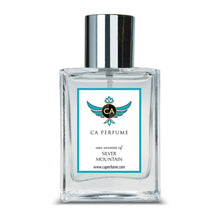
Silver Mountain — Silver Mountain Water Alternative Perfume
A-
HumanSafe™ Score Generally Safe
Safest Evaluated Ingredients EDP
AQUA Solvent / Carrier ISS 10.0
4H-INDEN-4-ONE, 1,2,3,5,6,7-HEXAHYDRO-1,1,2,3,3- Evaluated ingredient ISS 9.0
2-BUTEN-1-ONE, 1-(2,6,6-TRIMETHYL-2-CYCLOHEXEN-1- Evaluated ingredient ISS 9.0
LINALYL ACETATE Evaluated ingredient ISS 7.0
LINALOOL Evaluated ingredient ISS 7.0
ALCOHOL DENAT. Solvent / Carrier ISS 7.0
View full safety profile →
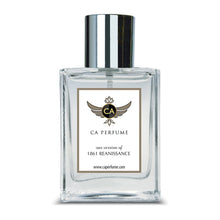
1861 Renaissance — Xerjoff Impression 1861 Renaissance Alternative Perfume
A-
HumanSafe™ Score Generally Safe
Safest Evaluated Ingredients EDP
AQUA Solvent / Carrier ISS 10.0
1H-3A,7-METHANOAZULEN-6-OL, OCTAHYDRO-3,6,8,8- Evaluated ingredient ISS 9.0
CITRAL Evaluated ingredient ISS 8.0
3-BUTEN-2-ONE, 3-METHYL-4-(2,6,6-TRIMETHYL-2- Evaluated ingredient ISS 8.0
LINALYL ACETATE Evaluated ingredient ISS 7.0
LINALOOL Evaluated ingredient ISS 7.0
View full safety profile →
Reflection Man — Amouage Reflection Man Alternative Cologne
A-
HumanSafe™ Score Generally Safe
Safest Evaluated Ingredients EDP
AQUA Solvent / Carrier ISS 10.0
BENZYL SALICYLATE Evaluated ingredient ISS 9.0
7-OCTEN-2-OL, 2,6-DIMETHYL- Evaluated ingredient ISS 9.0
3-BUTEN-2-ONE, 3-METHYL-4-(2,6,6-TRIMETHYL-2- Evaluated ingredient ISS 8.0
2H-1-BENZOPYRAN-2-ONE Evaluated ingredient ISS 8.0
View full safety profile →
Purve Vert Malachias — Prive Vert Malachite Alternative Perfume
A-
HumanSafe™ Score Generally Safe
Safest Evaluated Ingredients EDP
AQUA Solvent / Carrier ISS 10.0
2(3H)-FURANONE, 5-HEPTYLDIHYDRO- Evaluated ingredient ISS 10.0
1,4-DIOXACYCLOHEPTADECANE-5,17-DIONE Evaluated ingredient ISS 10.0
BENZYL SALICYLATE Evaluated ingredient ISS 9.0
AMBROXIDE Evaluated ingredient ISS 9.0
View full safety profile →
Expert Voices

What Masters Say About Petitgrain

Petitgrain’s high ester content—higher even than clary sage—accounts for the distinctive fresh-woody dryness that separates it from all other citrus materials.
CA Perfume Editorial
Petitgrain offers a greener, sharper, and more herbaceous version of the orange tree’s floral scent. Its bitterness is not a flaw but an important functional quality, adding dryness and tempering cloying sweetness.
CA Perfume Editorial
Common Questions

Frequently Asked Questions

Answers to common questions about petitgrain in perfumery, from scent character to layering and seasonal use.

Petitgrain in perfume smells green, woody, and citrusy, with a distinct bitterness and subtle floral undertones. Its scent profile is shaped by high concentrations of linalyl acetate and linalool, producing a leafy freshness reminiscent of crushed orange leaves and twigs. The bitterness is balanced by a soft, woody drydown, making petitgrain both invigorating and grounding. Notable fragrances such as Mugler Cologne and Le Labo Bergamote 22 exemplify its unique olfactory character.

Petitgrain is classified as a heart note in perfumery, despite being derived from a citrus source. Its high ester content grants it greater tenacity than most citrus peel oils, allowing it to bridge the transition from volatile top notes to more persistent heart and base notes. In classic colognes, petitgrain often appears in both the opening and heart, providing structural freshness and aromatic depth.

Petitgrain is favored in niche perfumery for its ability to impart green, woody-citrus freshness without the fleeting volatility of peel oils. Its complex molecular profile—rich in linalyl acetate, linalool, and minor terpenoids—enables perfumers to create nuanced, long-lasting compositions. Additionally, petitgrain’s bitterness tempers sweetness and adds sophistication to both traditional and modern fragrances.

Petitgrain fragrance uses often involve pairing it with bergamot, lavender, vetiver, neroli, and sandalwood. These notes share key molecular components (e.g., linalool, coumarin, vetiverol), enabling harmonious blending and enhancing petitgrain’s green, woody, or floral facets. For example, lavender softens bitterness, while vetiver adds earthy depth.

Petitgrain is well-suited for summer and hot weather due to its fresh, green-citrus profile and moderate volatility. Heat amplifies its brightness and projection, making it ideal for daytime wear in warm climates. However, its tenacity ensures that the scent remains present even as lighter citrus notes fade. Apply lightly to avoid overwhelming the senses in high heat.

Petitgrain’s longevity exceeds most citrus notes, with substantivity of 20–28 hours at 100% concentration on a scent strip. In finished fragrances, petitgrain’s presence can be detected for 4–6 hours, depending on concentration and skin chemistry. Its heart note character ensures a gradual, nuanced evolution rather than a rapid fade.

Yes, petitgrain is highly versatile for layering. Its green-citrus bitterness pairs well with florals (e.g., orange blossom, jasmine), woods (e.g., vetiver, cedarwood), and other citruses (e.g., bergamot, lemon). Layering enhances complexity and can tailor projection and longevity to personal preference. Always test combinations on skin, as molecular interactions may vary.

For those new to petitgrain, classic colognes such as Mugler Cologne (2001, Alberto Morillas), Le Labo Bergamote 22 (2006, Daphne Bugey), and Acqua di Parma Colonia (1916) offer accessible introductions. These fragrances showcase petitgrain’s green, woody-citrus character in balanced, versatile compositions suitable for daily wear.

Selecting the right petitgrain fragrance at CA Perfume involves considering your preferred scent profile (e.g., green-citrus, woody, floral) and desired longevity. Explore the collection by filtering for aromatic, citrus, or fougère families, and sample different concentrations (EDT, EDP) to find the best fit for your skin chemistry and lifestyle.

Petitgrain is best described as clean, green, and woody rather than smoky. Its scent profile emphasizes leafy freshness and subtle bitterness, with only minor earthy undertones in the drydown. If paired with smoky notes (e.g., vetiver, incense), petitgrain can contribute a crisp, balancing effect, but on its own, it remains distinctly clean and aromatic.

Citrus Aromatic Collection

Explore Our Top Petitgrain Fragrances

Discover CA Perfume’s most popular petitgrain-based scents, each highlighting the ingredient’s green, woody-citrus character in both classic and modern compositions.

Shop all petitgrain fragrances at CA Perfume →

Where Petitgrain Comes From — Origin & Extraction

Petitgrain essential oil is extracted from the leaves and young twigs of the bitter orange tree, Citrus aurantium ssp. amara. The name 'petitgrain' (French for 'little grain') originally referred to oil distilled from the small, unripe green fruits, but modern production relies almost exclusively on vegetative material. The primary producing countries are Paraguay (accounting for approximately 70% of global supply), France (notably the Grasse region), Italy (Sicily and Calabria), and Tunisia. Annual global production is estimated at 250–300 metric tons, with Paraguay alone exporting over 150 metric tons per year. The extraction process is steam distillation: freshly harvested leaves and twigs are loaded into a still, where steam passes through the plant material at controlled temperatures (typically 100–110°C) for 2–3 hours. The resulting condensate separates into an aqueous phase (hydrosol) and an essential oil layer, which is decanted and filtered. Yield averages 0.2–0.3% by weight (500–600 kg of leaves and twigs produce 1 kg of oil). The oil is pale yellow to amber and is chemically characterized by high linalyl acetate and linalool content, with minor components like alpha-terpineol and geraniol. Natural petitgrain oil (CAS 8014-17-3) commands a price of $50–120/kg, depending on origin and quality. Synthetic substitutes, primarily linalyl acetate (CAS 115-95-7) and linalool (CAS 78-70-6), are significantly less expensive ($10–25/kg) but lack the full complexity of the natural oil. Sustainability concerns focus on land use and the need for manual harvesting, but the bitter orange tree is a robust crop, often grown in mixed agroforestry systems. Some producers are certified organic, and efforts are underway to valorize by-products (e.g., hydrosols, composted biomass) to minimize waste.

Famous Fragrances That Define Petitgrain in Perfumery

Petitgrain has played a defining role in both classic and contemporary perfumery. In the 18th century, it was a core ingredient in the original Eau de Cologne (Farina, 1709), where it provided 20% of the formula’s structure. The iconic 4711 Echt Kölnisch Wasser (Mülhens, 1792) features 11.3% petitgrain oil, giving the cologne its bitter-green backbone. In the modern era, Mugler Cologne (2001, Alberto Morillas) reimagined the genre with a high dose of petitgrain, creating a clean, soapy freshness that has become a reference point for contemporary citrus fragrances. Le Labo Bergamote 22 (2006, Daphne Bugey) uses petitgrain to bridge the gap between bright bergamot and creamy woods, while Acqua di Parma Colonia (1916) relies on petitgrain for its green, aromatic heart. More recently, Diptyque L’Ombre dans l’Eau (1983, Serge Kalouguine) and Maison Martin Margiela Under The Lemon Tree (2018, Violaine Collas) have showcased petitgrain’s versatility in green-floral and aromatic compositions. CA Perfume’s collection draws inspiration from this lineage, emphasizing petitgrain’s structural and aromatic importance in both traditional and modern fragrance architecture.

Natural vs Synthetic Petitgrain in Perfumery

Natural petitgrain oil is a complex mixture dominated by linalyl acetate (CAS 115-95-7), linalool (CAS 78-70-6), and alpha-terpineol (CAS 98-55-5), with minor constituents such as geraniol and neryl acetate. Synthetic petitgrain accords are typically constructed from purified linalyl acetate and linalool, sometimes supplemented with cis-3-hexenol (CAS 928-96-1) for green facets and methyl anthranilate (CAS 134-20-3) for floral nuance. While synthetics offer greater batch-to-batch consistency, increased stability, and lower cost (often $10–25/kg versus $50–120/kg for natural), they lack the subtle bitterness and woody undertones contributed by trace terpenoids and aldehydes in the natural oil. Performance-wise, synthetic petitgrain is more stable to light and heat, with less risk of oxidation, but may have slightly reduced tenacity compared to high-quality natural oil. Many modern fragrances use a blend of both forms for optimal performance and cost efficiency. Iconic colognes such as Mugler Cologne (2001) and Le Labo Bergamote 22 (2006) use natural petitgrain, while large-scale commercial fragrances may rely on synthetics for consistency. Sustainability is a key consideration: synthetic linalool and linalyl acetate can be produced from renewable feedstocks (e.g., sugarcane-derived terpenes), reducing land pressure. The HumanSafe™ platform at CA Perfume ensures full transparency of petitgrain sourcing, with batch-level traceability and allergen disclosure.