Where Persimmon Comes From — Origin & Extraction
Persimmon is derived from the fruit of Diospyros kaki, commonly known as Japanese or Asian persimmon, and to a lesser extent from Diospyros virginiana (American persimmon). The fruit is native to China, where it has been cultivated for over 2,000 years, and was introduced to Japan in the 7th century. Today, China accounts for more than 70% of global production, with annual yields exceeding 3 million metric tons. Japan and South Korea are also major producers, focusing on high-quality cultivars such as Fuyu and Hachiya, which are prized for their sweetness and aromatic complexity.
In perfumery, persimmon does not yield an essential oil via steam distillation due to the absence of volatile oil glands in the fruit. Instead, natural persimmon absolute is obtained through solvent extraction (using hexane or ethanol) or supercritical CO₂ extraction. These processes operate at low temperatures (below 40°C) to preserve the delicate esters and β-ionone derivatives responsible for the fruit’s aroma. The extraction yield is low—typically less than 0.1% by weight—making natural persimmon absolute rare and expensive, with prices ranging from $3,000 to $6,000 per kilogram. Synthetic persimmon accords, built from molecules such as safranal (CAS 116-26-7) and β-ionone (CAS 14901-07-6), offer a more consistent and affordable alternative at $50–200/kg.
Sustainability considerations include the low environmental impact of persimmon cultivation, as the trees are long-lived, require minimal pesticide input, and are often grown in mixed orchards. However, the solvent extraction process for natural absolute raises concerns over solvent recovery and waste. Synthetic alternatives, produced in controlled laboratory settings, offer greater supply chain stability and reduce pressure on agricultural resources.
Famous Fragrances That Define Persimmon in Perfumery
Persimmon, though a niche ingredient, has been featured in several landmark fragrances, often as a heart note that bridges fruity and floral elements or adds a unique, honeyed freshness to the composition. Its use is typically subtle, supporting the overall structure rather than dominating the scent.
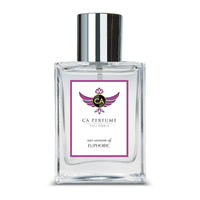
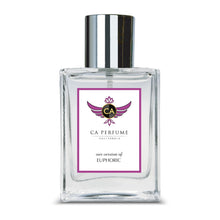
1. Calvin Klein Euphoria (2005, Dominique Ropion, Carlos Benaïm, Loc Dong): Persimmon acts as a bridge note, linking pomegranate and lotus with a soft, juicy sweetness. It is paired with mahogany and amber, providing a warm, inviting heart.
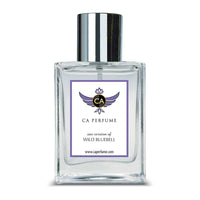
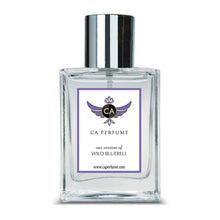
2. Jo Malone London Wild Bluebell (2011, Christine Nagel): Here, persimmon’s gentle fruitiness softens the dewy green opening, supporting bluebell and lily of the valley, and adding a subtle, pulpy freshness.
3. Keiko Mecheri Ume (2003, Keiko Mecheri): Persimmon is used as an accent, paired with Japanese plum, blackcurrant, and sandalwood to evoke a delicate, orchard-like atmosphere.
4. Kenzo Amour (2006, Daphné Bugey, Olivier Cresp): Persimmon is introduced early, adding warmth and a honeyed nuance to rice, vanilla, and musk, creating a comforting, gourmand heart.
5. Comme des Garçons Rouge (2020, Nathalie Gracia-Cetto): Persimmon is blended with beetroot and woods, creating an earthy, fruity impression that supports the fragrance’s avant-garde character.
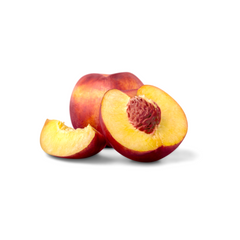
6. Demeter Fragrance Library Persimmon (2012): A solinote interpretation, highlighting persimmon’s sweet, floral, and slightly peachy facets, supported by peony, rose, and white musk.
CA Perfume’s collection draws inspiration from these uses, focusing on persimmon’s ability to add vibrancy and subtle sweetness to both modern and classic compositions.
Natural vs Synthetic Persimmon in Perfumery
Natural persimmon absolute is produced via solvent or CO₂ extraction from ripe Diospyros kaki fruit, yielding a complex and variable aroma profile. The absolute contains a mixture of esters, β-ionone, and trace aldehydes, but due to the fruit’s low oil content, extraction is costly and yields are minimal. As a result, natural persimmon is rarely used in commercial perfumery.
Synthetic persimmon notes are constructed using a combination of aroma chemicals, primarily safranal (CAS 116-26-7), β-ionone (CAS 14901-07-6), and damascone isomers (such as β-damascone, CAS 23726-93-4). These molecules replicate the honeyed, fruity, and slightly spicy facets of persimmon with high consistency, stability, and batch-to-batch reproducibility. Synthetic accords are more stable under light and heat, and offer improved longevity and diffusion compared to natural extracts. The cost differential is significant: synthetics range from $50–200/kg, while natural absolute exceeds $3,000/kg.
Famous fragrances such as Calvin Klein Euphoria and Jo Malone London Wild Bluebell utilize synthetic persimmon accords for their reliability and performance. Sustainability is enhanced with synthetics, as they reduce agricultural land use and solvent waste. CA Perfume’s HumanSafe™ platform ensures full transparency in sourcing and formulation, prioritizing both safety and environmental responsibility when selecting natural or synthetic persimmon materials.