
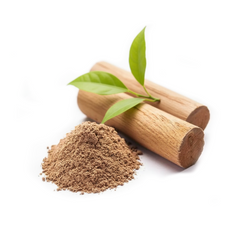
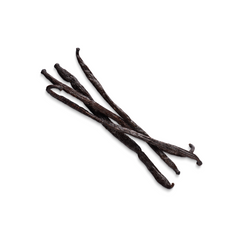
Best customer service, the scent is great but only lasted 2 hrs on me.
Everything is as advertised and the packaging and presentation was awesome
Juicy, sweet, and subtly spicy—persimmon’s olfactory signature.
Persimmon is a heart note in perfumery, prized for its juicy, honeyed sweetness and subtle spicy undertones. Its defining quality comes from a blend of fruity esters and tannin-derived nuances, used at 5–10% concentration to impart freshness and warmth.

Persimmon (Diospyros kaki) in perfumery is celebrated for its luscious, sweet, and juicy scent profile, often described as a blend of honeyed fruit, subtle spice, and gentle earthiness. The aroma is shaped by volatile esters, β-ionone, and tannin-derived molecules, which together create a pulpy, aromatic fruit impression reminiscent of mango and peach, but with a slightly earthy undertone. The presence of soluble tannins in unripe fruit imparts a mild astringency, while ripening develops the signature honeyed sweetness and soft, inviting warmth. What does persimmon smell like? It is a fantasy note, reconstructed through accords, as the fruit itself does not yield essential oil. Instead, perfumers use a combination of natural isolates and synthetics to evoke its unique character. In perfumery, persimmon is typically classified as a heart note, contributing vibrancy and a sense of sunlit orchard freshness to the fragrance’s core. It is used at concentrations of 5–10% within an accord to enhance juiciness without dominating the composition. Persimmon in perfumery interacts with skin chemistry by modulating its sweetness and freshness—on warmer, more acidic skin, the fruity facets become brighter, while on drier or more alkaline skin, the earthy and pulpy undertones are more pronounced. The note’s moderate volatility ensures it bridges the transition from sparkling top notes to deeper base notes, providing a seamless evolution. Notable fragrances that exemplify persimmon’s use include Calvin Klein Euphoria (2005, perfumers Dominique Ropion, Carlos Benaïm, and Loc Dong), where it acts as a bridge between pomegranate and floral notes, and Jo Malone London Wild Bluebell (2011, Christine Nagel), where persimmon’s gentle fruitiness softens the green, dewy opening. In both, persimmon enriches the fragrance experience with a vibrant, juicy character that is both comforting and distinctive.
Persimmon’s scent character is shaped by the terroir—soil, climate, and cultivation practices—of its origin. Warm, sunlit regions with well-drained soils yield fruit with higher sugar and ester content, resulting in a sweeter, more aromatic profile.
Persimmon is derived from the fruit of Diospyros kaki, commonly known as Japanese or Asian persimmon, and to a lesser extent from Diospyros virginiana (American persimmon). The fruit is native to China, where it has been cultivated for over 2,000 years, and was introduced to Japan in the 7th century. Today, China accounts for more than 70% of global production, with annual yields exceeding 3 million metric tons. Japan and South Korea are also major producers, focusing on high-quality cultivars such as Fuyu and Hachiya, which are prized for their sweetness and aromatic complexity. In perfumery, persimmon does not yield an essential oil via steam distillation due to the absence of volatile oil glands in the fruit. Instead, natural persimmon absolute is obtained through solvent extraction (using hexane or ethanol) or supercritical CO₂ extraction. These processes operate at low temperatures (below 40°C) to preserve the delicate esters and β-ionone derivatives responsible for the fruit’s aroma. The extraction yield is low—typically less than 0.1% by weight—making natural persimmon absolute rare and expensive, with prices ranging from $3,000 to $6,000 per kilogram. Synthetic persimmon accords, built from molecules such as safranal (CAS 116-26-7) and β-ionone (CAS 14901-07-6), offer a more consistent and affordable alternative at $50–200/kg. Sustainability considerations include the low environmental impact of persimmon cultivation, as the trees are long-lived, require minimal pesticide input, and are often grown in mixed orchards. However, the solvent extraction process for natural absolute raises concerns over solvent recovery and waste. Synthetic alternatives, produced in controlled laboratory settings, offer greater supply chain stability and reduce pressure on agricultural resources.
The Shaanxi and Hebei regions dominate production, producing over 2 million metric tons annually. Loess soils and continental climate yield persimmons with high sugar and ester content, resulting in a pronounced honeyed aroma. China’s fruit is often used for both fresh consumption and extraction.
Nara and Wakayama prefectures are renowned for Fuyu and Hachiya varieties. Volcanic soils and moderate rainfall produce fruit with balanced sweetness and subtle floral notes. Japan’s persimmons are prized for their texture and aromatic complexity.
Gyeongsangbuk-do province specializes in sweet, seedless varieties. The region’s well-drained soils and cool autumns yield persimmons with a clean, bright aroma and reduced astringency. South Korean cultivation emphasizes traditional, low-input methods.
California’s Central Valley produces American and Asian persimmons on a smaller scale. Sandy loam soils and long, dry summers result in fruit with a lighter, more delicate aroma, often used in artisanal perfumery and culinary applications.
Natural persimmon absolute is produced via solvent or CO₂ extraction from ripe Diospyros kaki fruit, yielding a complex and variable aroma profile. The absolute contains a mixture of esters, β-ionone, and trace aldehydes, but due to the fruit’s low oil content, extraction is costly and yields are minimal. As a result, natural persimmon is rarely used in commercial perfumery. Synthetic persimmon notes are constructed using a combination of aroma chemicals, primarily safranal (CAS 116-26-7), β-ionone (CAS 14901-07-6), and damascone isomers (such as β-damascone, CAS 23726-93-4). These molecules replicate the honeyed, fruity, and slightly spicy facets of persimmon with high consistency, stability, and batch-to-batch reproducibility. Synthetic accords are more stable under light and heat, and offer improved longevity and diffusion compared to natural extracts. The cost differential is significant: synthetics range from $50–200/kg, while natural absolute exceeds $3,000/kg. Famous fragrances such as Calvin Klein Euphoria and Jo Malone London Wild Bluebell utilize synthetic persimmon accords for their reliability and performance. Sustainability is enhanced with synthetics, as they reduce agricultural land use and solvent waste. CA Perfume’s HumanSafe™ platform ensures full transparency in sourcing and formulation, prioritizing both safety and environmental responsibility when selecting natural or synthetic persimmon materials.
Persimmon, though a niche ingredient, has been featured in several landmark fragrances, often as a heart note that bridges fruity and floral elements or adds a unique, honeyed freshness to the composition. Its use is typically subtle, supporting the overall structure rather than dominating the scent. 1. Calvin Klein Euphoria (2005, Dominique Ropion, Carlos Benaïm, Loc Dong): Persimmon acts as a bridge note, linking pomegranate and lotus with a soft, juicy sweetness. It is paired with mahogany and amber, providing a warm, inviting heart. 2. Jo Malone London Wild Bluebell (2011, Christine Nagel): Here, persimmon’s gentle fruitiness softens the dewy green opening, supporting bluebell and lily of the valley, and adding a subtle, pulpy freshness. 3. Keiko Mecheri Ume (2003, Keiko Mecheri): Persimmon is used as an accent, paired with Japanese plum, blackcurrant, and sandalwood to evoke a delicate, orchard-like atmosphere. 4. Kenzo Amour (2006, Daphné Bugey, Olivier Cresp): Persimmon is introduced early, adding warmth and a honeyed nuance to rice, vanilla, and musk, creating a comforting, gourmand heart. 5. Comme des Garçons Rouge (2020, Nathalie Gracia-Cetto): Persimmon is blended with beetroot and woods, creating an earthy, fruity impression that supports the fragrance’s avant-garde character. 6. Demeter Fragrance Library Persimmon (2012): A solinote interpretation, highlighting persimmon’s sweet, floral, and slightly peachy facets, supported by peony, rose, and white musk. CA Perfume’s collection draws inspiration from these uses, focusing on persimmon’s ability to add vibrancy and subtle sweetness to both modern and classic compositions.
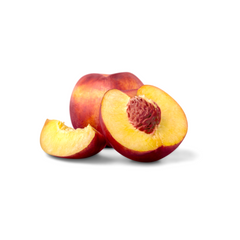
A persimmon accord is built by balancing juicy fruitiness, resinous warmth, and creamy sweetness. Typical proportions: Persimmon 25–30%, Peach 20–25%, Myrrh 15–20%, Benzoin 15–20%. Peach amplifies the juicy, pulpy aspect through shared lactones; myrrh introduces resinous depth via furanosesquiterpenes; benzoin provides creamy, vanillic smoothness through benzyl benzoate, rounding the accord.
Persimmon forms the core of the accord, contributing juicy, honeyed sweetness and subtle earthy undertones, driven by esters and β-ionone.
Peach enhances the pulpy, fruity character via γ-decalactone, creating a seamless, juicy bridge with persimmon’s esters.
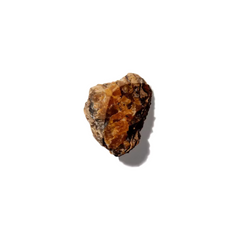
Myrrh adds resinous warmth and depth through furanosesquiterpenes, balancing the lightness of the fruit with a subtle balsamic undertone.
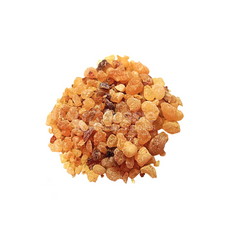
Benzoin delivers creamy, vanillic smoothness via benzyl benzoate, rounding the accord and extending its longevity.
Persimmon’s olfactory evolution unfolds from juicy, fresh top notes to a honeyed, pulpy heart, and finally to a soft, creamy base. High-volatility esters evaporate first, followed by β-ionone and lactones, with benzoin and myrrh providing lasting depth.
The opening is marked by a burst of juicy, fresh fruitiness—driven by volatile esters such as ethyl butyrate and methyl hexanoate—evoking the sensation of biting into ripe persimmon. These molecules evaporate quickly, creating an immediate impression of brightness and sweetness.
As the top notes dissipate, the heart reveals a honeyed, pulpy character, shaped by β-ionone and lactones. The sweetness is balanced by subtle spicy and earthy undertones, providing warmth and depth. This stage is the signature of persimmon’s scent profile.
The drydown is soft and creamy, with benzoin and myrrh extending the longevity of the accord. Benzyl benzoate and furanosesquiterpenes anchor the scent, leaving a gentle, vanillic trail that lingers close to the skin.
Persimmon’s journey in perfumery spans from ancient cultivation in East Asia to its modern role as a unique, nuanced note in contemporary fragrance compositions.
Diospyros kaki is cultivated in China for both food and medicinal uses. The fruit’s aromatic qualities are noted in classical texts, though not yet used in perfumery.
Persimmon is introduced to Japan, where it becomes a staple fruit and symbol of autumn. Japanese poetry and art celebrate its fragrance and color.
Persimmon trees are brought to Europe and the United States, with cultivation expanding in California and Mediterranean regions. The fruit’s aroma is explored in culinary and botanical studies.
Calvin Klein Euphoria (2005) marks one of the first major uses of a persimmon accord in a mainstream fragrance, introducing the note to a global audience.
Persimmon appears in niche fragrances such as Jo Malone London Wild Bluebell (2011) and Comme des Garçons Rouge (2020), valued for its ability to add subtle, honeyed freshness to complex compositions.
Understanding how to layer persimmon is key to creating a personalized scent signature. Molecular compatibility—shared esters, lactones, and masking effects—determines harmonious pairings.
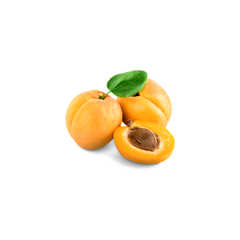
Layer persimmon with peach or apricot accords to amplify lactone-driven juiciness. Both notes share γ-decalactone, which creates a seamless, pulpy fruit effect. Jo Malone London Wild Bluebell demonstrates this synergy by pairing persimmon with peach and floral notes.
Combine persimmon with woody or resinous notes such as myrrh or sandalwood. The furanosesquiterpenes in myrrh and creamy sandalwood lactones provide a rich, grounding base, as seen in Kenzo Amour, where persimmon’s sweetness is deepened by vanilla and musk.
Pair persimmon with citrus or green notes to accentuate its fresh, airy qualities. Citrus aldehydes and green galbanum esters mask heavier facets, resulting in a bright, uplifting composition—exemplified by Elizabeth Arden Green Tea Yuzu, where persimmon softens the citrus opening.
In cooler months, persimmon’s honeyed, pulpy warmth is accentuated, providing comfort and subtle sweetness. Lower temperatures slow molecular diffusion, resulting in a closer-to-skin scent. Apply to pulse points and layer with woods or resins for added depth.
Spring’s moderate warmth enhances persimmon’s juicy, fresh facets. Increased humidity amplifies projection, making the note feel brighter and more vibrant. Pair with florals or green notes for a lively, orchard-inspired effect.
High temperatures increase volatility, intensifying persimmon’s top notes but shortening their lifespan. To maintain balance, apply lightly and consider layering with citrus or aquatic notes for a refreshing, airy impression.
Persimmon’s versatility allows it to transition across seasons. Adjust application and layering partners to suit climate—deeper bases in winter, lighter florals or citruses in summer—for optimal performance.
Strategic application enhances persimmon’s evolution and projection—pulse points and hair offer unique diffusion profiles.
Application to the neck maximizes warmth-driven diffusion, intensifying persimmon’s juicy top notes and creating an inviting sillage.
This area maintains moderate warmth and is less exposed to air, allowing persimmon’s heart notes to linger and evolve gradually.
Pulse points on the wrists accelerate evaporation of esters, highlighting the bright, fresh facets of persimmon in the opening.
Spraying on hair provides a slow, sustained release of persimmon’s creamy base notes, as hair fibers trap and gradually diffuse aroma molecules.
Layer persimmon-based fragrances over unscented moisturizer to extend longevity and enhance the heart note’s honeyed warmth.
These Persimmon-based fragrances scored highest on the MEI™ Mood Architecture Framework — measuring how a scent may influence your emotional state.
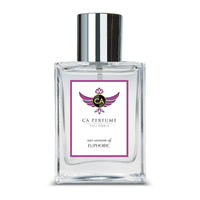
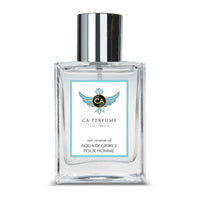
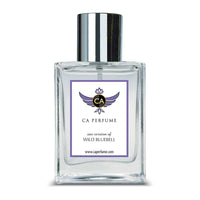
These Persimmon-based fragrances have the highest product-level HumanSafe™ scores in this ingredient collection.
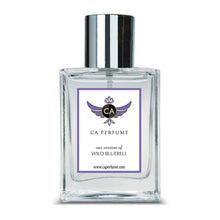
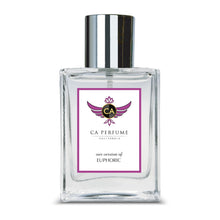
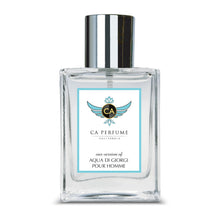
Persimmon is a fantasy note reminiscent of sweet, pulpy aromatic fruit.
Persimmon in perfume not only enriches the fragrance experience but also captivates the senses with its vibrant, fruity characteristics.
Persimmon pairs well with a range of complementary ingredients, each enhancing a specific facet of its scent profile.
Answers to the most common questions about persimmon in perfumery.
Persimmon in perfume is characterized by a juicy, honeyed sweetness with subtle spicy and earthy undertones. The scent profile is shaped by esters, β-ionone, and lactones, creating an impression reminiscent of mango, peach, and soft pulpy fruit. It is not overly sugary or loud, but rather offers a gentle, inviting warmth that supports and enhances the heart of a fragrance. Notable examples include Calvin Klein Euphoria and Jo Malone London Wild Bluebell.
Persimmon is typically used as a heart note in perfumery. Its moderate volatility allows it to bridge the transition from sparkling top notes to deeper base notes, providing a juicy, honeyed character that lasts through the heart of the fragrance. It is rarely used as a top or base note due to its specific molecular composition and olfactory evolution.
Persimmon is valued in niche perfumery for its ability to add a unique, honeyed freshness and subtle complexity to compositions. Its rarity and nuanced scent profile—juicy, pulpy, and slightly spicy—make it an appealing choice for perfumers seeking to create distinctive, memorable fragrances. It is often used to bridge fruity and floral notes or to add a soft, comforting warmth to the heart of a fragrance.
Persimmon fragrance uses often involve pairing with peach, apricot, or other lactone-rich fruits to amplify juiciness; with myrrh or sandalwood for depth; or with citrus and green notes for brightness. Jasmine and orange blossom also complement persimmon’s floral facets, while vanilla and benzoin add creamy smoothness.
Yes, persimmon’s juicy, fresh character makes it ideal for summer and warm climates. Its high volatility ensures a bright, uplifting opening, while its honeyed heart provides comfort without heaviness. For best results, apply lightly and pair with citrus or aquatic notes to maintain freshness and prevent cloying sweetness in heat.
Fragrances featuring persimmon as a heart note generally last 4–6 hours. The note’s moderate volatility means it bridges the top and base notes, providing a lasting, pleasant presence without overwhelming the composition. Longevity can be extended by layering with fixative-rich bases such as benzoin or sandalwood.
Yes, persimmon is highly versatile for layering. It can be combined with fruity, floral, woody, or resinous notes to create a personalized scent signature. Molecular compatibility—shared esters and lactones—ensures harmonious blends. Notable pairings include peach, apricot, myrrh, and citrus notes.
Beginner-friendly options include Calvin Klein Euphoria, Jo Malone London Wild Bluebell, and Demeter Fragrance Library Persimmon. These fragrances highlight persimmon’s juicy, sweet facets in approachable, balanced compositions, often paired with florals or soft woods.
Explore CA Perfume’s collection by sampling discovery sets that feature persimmon in various combinations—fruity, floral, or woody. Consider your preferred scent profile and layering preferences. The HumanSafe™ platform provides full transparency on sourcing and formulation, ensuring both safety and authenticity.
Persimmon is not overly sweet; its juiciness is balanced by subtle spicy and earthy undertones. When used at 5–10% in an accord, it provides a gentle, inviting warmth suitable for daily wear. Layering with green, woody, or citrus notes can further moderate sweetness and enhance versatility.
Discover CA Perfume’s most popular persimmon-inspired scents—each highlighting the note’s juicy, honeyed character in unique blends.
Shop all persimmon fragrances at CA Perfume →Persimmon is derived from the fruit of Diospyros kaki, commonly known as Japanese or Asian persimmon, and to a lesser extent from Diospyros virginiana (American persimmon). The fruit is native to China, where it has been cultivated for over 2,000 years, and was introduced to Japan in the 7th century. Today, China accounts for more than 70% of global production, with annual yields exceeding 3 million metric tons. Japan and South Korea are also major producers, focusing on high-quality cultivars such as Fuyu and Hachiya, which are prized for their sweetness and aromatic complexity. In perfumery, persimmon does not yield an essential oil via steam distillation due to the absence of volatile oil glands in the fruit. Instead, natural persimmon absolute is obtained through solvent extraction (using hexane or ethanol) or supercritical CO₂ extraction. These processes operate at low temperatures (below 40°C) to preserve the delicate esters and β-ionone derivatives responsible for the fruit’s aroma. The extraction yield is low—typically less than 0.1% by weight—making natural persimmon absolute rare and expensive, with prices ranging from $3,000 to $6,000 per kilogram. Synthetic persimmon accords, built from molecules such as safranal (CAS 116-26-7) and β-ionone (CAS 14901-07-6), offer a more consistent and affordable alternative at $50–200/kg. Sustainability considerations include the low environmental impact of persimmon cultivation, as the trees are long-lived, require minimal pesticide input, and are often grown in mixed orchards. However, the solvent extraction process for natural absolute raises concerns over solvent recovery and waste. Synthetic alternatives, produced in controlled laboratory settings, offer greater supply chain stability and reduce pressure on agricultural resources.
Persimmon, though a niche ingredient, has been featured in several landmark fragrances, often as a heart note that bridges fruity and floral elements or adds a unique, honeyed freshness to the composition. Its use is typically subtle, supporting the overall structure rather than dominating the scent. 1. Calvin Klein Euphoria (2005, Dominique Ropion, Carlos Benaïm, Loc Dong): Persimmon acts as a bridge note, linking pomegranate and lotus with a soft, juicy sweetness. It is paired with mahogany and amber, providing a warm, inviting heart. 2. Jo Malone London Wild Bluebell (2011, Christine Nagel): Here, persimmon’s gentle fruitiness softens the dewy green opening, supporting bluebell and lily of the valley, and adding a subtle, pulpy freshness. 3. Keiko Mecheri Ume (2003, Keiko Mecheri): Persimmon is used as an accent, paired with Japanese plum, blackcurrant, and sandalwood to evoke a delicate, orchard-like atmosphere. 4. Kenzo Amour (2006, Daphné Bugey, Olivier Cresp): Persimmon is introduced early, adding warmth and a honeyed nuance to rice, vanilla, and musk, creating a comforting, gourmand heart. 5. Comme des Garçons Rouge (2020, Nathalie Gracia-Cetto): Persimmon is blended with beetroot and woods, creating an earthy, fruity impression that supports the fragrance’s avant-garde character. 6. Demeter Fragrance Library Persimmon (2012): A solinote interpretation, highlighting persimmon’s sweet, floral, and slightly peachy facets, supported by peony, rose, and white musk. CA Perfume’s collection draws inspiration from these uses, focusing on persimmon’s ability to add vibrancy and subtle sweetness to both modern and classic compositions.
Natural persimmon absolute is produced via solvent or CO₂ extraction from ripe Diospyros kaki fruit, yielding a complex and variable aroma profile. The absolute contains a mixture of esters, β-ionone, and trace aldehydes, but due to the fruit’s low oil content, extraction is costly and yields are minimal. As a result, natural persimmon is rarely used in commercial perfumery. Synthetic persimmon notes are constructed using a combination of aroma chemicals, primarily safranal (CAS 116-26-7), β-ionone (CAS 14901-07-6), and damascone isomers (such as β-damascone, CAS 23726-93-4). These molecules replicate the honeyed, fruity, and slightly spicy facets of persimmon with high consistency, stability, and batch-to-batch reproducibility. Synthetic accords are more stable under light and heat, and offer improved longevity and diffusion compared to natural extracts. The cost differential is significant: synthetics range from $50–200/kg, while natural absolute exceeds $3,000/kg. Famous fragrances such as Calvin Klein Euphoria and Jo Malone London Wild Bluebell utilize synthetic persimmon accords for their reliability and performance. Sustainability is enhanced with synthetics, as they reduce agricultural land use and solvent waste. CA Perfume’s HumanSafe™ platform ensures full transparency in sourcing and formulation, prioritizing both safety and environmental responsibility when selecting natural or synthetic persimmon materials.