Ingredient Guide · Floral Green
Floral Green Family · Perfumery Note

Pelargonium

Rosy, minty, and green—Pelargonium’s signature in perfumery.

Pelargonium, known as ‘rose geranium’ in perfumery, is a heart note prized for its rosy-green, minty-herbal character. Its essential oil, dominated by citronellol and geraniol, is used at 0.2–1% concentration for a vibrant, cost-effective rose nuance.

Pelargonium
Ingredient Profile

Pelargonium

Floral Green Family
Family Floral Green
Note Position Heart Note
Usage Level 0.1–0.2% Yield
Key Origins Egypt, Reunion (Bourbon), Morocco
Iconic In Pelargonium, Egoïste Platinum
The Ingredient

What does Pelargonium smell like and why is it vital in perfumery?

Pelargonium, often referred to as ‘rose geranium’ in perfumery, is botanically Pelargonium graveolens and related hybrids. Its essential oil is steam-distilled from the leaves and stems, not the flowers, and is dominated by citronellol (approx. 30%), geraniol (7–8%), and their esters (citronellyl and geranyl formate). This molecular composition produces a scent profile that is distinctly rosy-green, minty-herbal, and slightly metallic, with subtle citrus and wet-stone nuances from rose oxides and menthone. The initial impression is a bright, green-rose aroma, evolving to reveal minty freshness and a faintly balsamic undertone. In perfumery, pelargonium functions primarily as a heart note, used at concentrations of 0.2–1% in the finished fragrance. Its medium odor strength and volatility allow it to bridge top and base notes, providing a cost-effective alternative to rose absolute while introducing a green, herbal lift. The presence of citronellol and geraniol enables pelargonium to interact dynamically with skin chemistry—on acidic skin, the rosy facets are accentuated, while alkaline skin may amplify the green and minty aspects. This adaptability makes pelargonium a versatile modifier across floral, chypre, fougère, and aromatic compositions. Notable examples of pelargonium in perfumery include Aedes de Venustas Pelargonium (2017, perfumer Nathalie Feisthauer), where it forms the central motif, paired with orris, cedar, and vetiver for a complex, incense-like heart. Another is Chanel Egoïste Platinum (1993, Jacques Polge), which uses pelargonium to create a crisp, green backbone in a woody-floral-musk structure. These fragrances demonstrate the ingredient’s ability to impart both freshness and depth, making it indispensable in both masculine and unisex scent architectures.

0.1–0.2% Yield
Steam distillation of pelargonium leaves and stems yields only 0.1–0.2% essential oil by weight, reflecting its high value and labor-intensive production.
30% Citronellol
Citronellol constitutes approximately 30% of pelargonium oil, providing the dominant rosy-green character and influencing allergen labeling requirements.
$250–$700/kg
Natural pelargonium oil ranges from $250/kg (Egypt) to $700/kg (Bourbon type), while synthetic geraniol and citronellol cost $30–$60/kg, driving formulation choices in commercial perfumery.
Origin & Extraction

Where Pelargonium Comes From — Origin & Extraction

Pelargonium’s scent character is shaped by regional terroir—soil, altitude, and climate all influence the balance of citronellol, geraniol, and minor components, resulting in distinct olfactory profiles from each origin.

Pelargonium essential oil, known commercially as geranium oil, is primarily derived from Pelargonium graveolens, P. × asperum, and related hybrids. The plant is native to South Africa’s Cape region but is now cultivated extensively in Egypt, China, Morocco, and Reunion Island (Bourbon type). Egypt currently accounts for the majority of global production, with annual yields estimated at over 1,000 metric tons of oil. The most prized variety, Bourbon geranium, originates from Reunion Island and is valued for its balanced citronellol-to-geraniol ratio and nuanced rosy character. Extraction is performed via steam distillation of the fresh or slightly withered leaves and stems. The process operates at temperatures between 98–102°C and typically lasts 2–3 hours. The essential oil yield is relatively low, ranging from 0.1–0.2% of the fresh plant mass. Alternative extraction methods, such as hydrodistillation, solvent extraction, and supercritical CO2 extraction, are used for specialty applications, with each method affecting the chemical profile—freeze-drying prior to extraction can increase linalool content, while air-drying favors citronellyl formate. Natural pelargonium oil is significantly more expensive than synthetic substitutes, with prices ranging from $250–$450 per kg for Egyptian oil and up to $700 per kg for Bourbon type. Synthetic analogs based on citronellol and geraniol are available at $30–$60 per kg. Sustainability concerns focus on water usage, land management, and the preservation of genetic diversity in traditional growing regions. The industry is moving toward traceable, low-impact cultivation, with some producers certified under ISO 9235 for natural aromatic raw materials. The CAS number for pelargonium oil is 8000-46-2.

EG

Egypt

The Nile Delta and Fayoum regions produce over 60% of global pelargonium oil. Egyptian oil (Bourbon type) is prized for its balanced rosy-green profile, moderate mintiness, and high citronellol content. Harvested from March to June, it meets ISO 9235 standards for natural aromatic raw materials.

RE

Reunion (Bourbon)

Bourbon geranium from Reunion Island is renowned for its nuanced, natural rose expression, with a higher geraniol-to-citronellol ratio and minimal minty notes. Production volume is limited (<5% global), but the oil commands premium prices due to its complexity and historical prestige.

MA

Morocco

Moroccan pelargonium, grown in the Atlas foothills, is characterized by a slightly fruitier, more herbal aroma. The region’s mineral-rich soil and dry climate yield oil with elevated esters and a subtle balsamic undertone. Morocco supplies about 10% of global demand.

CN

China

Chinese pelargonium, cultivated in Yunnan and Sichuan, tends toward a sharper, more minty profile with higher menthone content. Large-scale production (approx. 20% global) focuses on industrial and mass-market fragrance applications.

Chemistry

Natural vs Synthetic Pelargonium in Perfumery

Natural pelargonium oil is a complex mixture of over 100 compounds, with citronellol (CAS 106-22-9), geraniol (CAS 106-24-1), and linalool (CAS 78-70-6) as primary odorants. Synthetic substitutes typically use isolated or synthesized versions of these molecules, sometimes with added rose oxide (CAS 16409-43-1) to enhance the metallic-green facet. While synthetic geraniol and citronellol can replicate the core rosy-green aroma, they lack the nuanced minty and balsamic undertones present in the natural oil due to minor components like isomenthone and citronellyl formate. Performance-wise, synthetic pelargonium derivatives offer greater batch consistency, stability, and lower allergenic potential, but may be less complex and evolve less on skin. Natural oil, by contrast, displays more pronounced evolution and interacts more with skin chemistry, sometimes resulting in greater perceived freshness or depth. Cost is a major differentiator: natural oil can be 5–10 times more expensive than synthetic blends, influencing its use in fine fragrance versus mass-market products. Famous fragrances such as Aedes de Venustas Pelargonium (2017) and Chanel Egoïste Platinum (1993) use natural pelargonium oil for authenticity and complexity, while many mainstream colognes rely on synthetic geraniol and citronellol for cost efficiency. Sustainability and traceability are increasingly important, with the HumanSafe™ platform providing transparency on sourcing and allergen content for both natural and synthetic pelargonium ingredients.

Natural
Pelargonium Absolute
Cost $3,000–6,000/kg
Method Solvent / CO₂
Character Complex, variable
vs
Synthetic
Safranal & Analogues
Cost $50–200/kg
Method Lab synthesis
Character Consistent, stable
Hall of Fame

Famous Fragrances That Define Pelargonium in Perfumery

2017
dominant note

Pelargonium

Aedes de Venustas
by Nathalie Feisthauer
orriscedarvetivermosscardamomclary sage
1993
bridge note

Egoïste Platinum

Chanel
by Jacques Polge
lavenderrosemaryoakmossmusk
2014
dominant note

Geranium Odorata

Diptyque
by Fabrice Pellegrin
tonka beanpink peppervetiver
2016
accent

Pacific Rock Moss

Goldfield & Banks
by François Merle-Baudoin
mosscitrussage
2015
supporting note

African Leather

Memo Paris
by Aliénor Massenet
cardamomleathervetivercumin

Pelargonium has played a pivotal role in both classic and contemporary perfumery, functioning as a bridge note, dominant heart, or supporting accent depending on the composition. In Aedes de Venustas Pelargonium (2017, Nathalie Feisthauer), pelargonium is the central motif, paired with orris, cedar, vetiver, and moss to create a baroque, incense-like floral-woody heart. Chanel Egoïste Platinum (1993, Jacques Polge) uses pelargonium to impart a crisp, green backbone in a woody-floral-musk structure, blending it with lavender, rosemary, and oakmoss for a modern fougère effect. Diptyque Geranium Odorata (2014, Fabrice Pellegrin) highlights the rosy-minty freshness of pelargonium, balanced by tonka bean and pink pepper. Goldfield & Banks Pacific Rock Moss (2016, François Merle-Baudoin) employs pelargonium as a green accent alongside moss and citrus, enhancing the marine freshness. Memo Paris African Leather (2015, Aliénor Massenet) integrates pelargonium as a spicy-green bridge between cardamom, leather, and vetiver, demonstrating its versatility in both floral and leather compositions. These fragrances illustrate pelargonium’s adaptability across olfactory families. CA Perfume’s collection draws inspiration from this lineage, offering modern interpretations that emphasize the ingredient’s rosy-green complexity while ensuring accessibility and transparency.

The Accord

How is a captivating Pelargonium accord crafted?

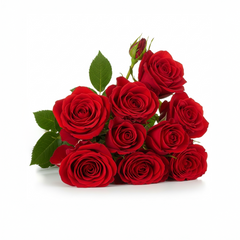
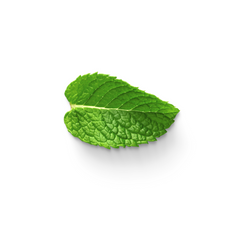
A classic pelargonium accord balances rosy-green freshness with herbal, citrus, and woody nuances. Typical proportions: Pelargonium 30–35%, Rose Absolute 20–25%, Mint 15–20%, Cedarwood 25–30%. Rose absolute reinforces the floral core via shared geraniol, mint amplifies the green-minty facet through menthone, and cedarwood anchors the accord with dry, woody depth, enhancing longevity and structure.

35%

Pelargonium

30–35% of blend

Provides the core rosy-green, minty-herbal character via citronellol and geraniol, forming the backbone of the accord.

25%

Rose Absolute

20–25% of blend

Reinforces the floral aspect through shared geraniol and damascenone, creating a seamless molecular bridge with pelargonium.

20%

Mint

15–20% of blend

Menthone and isomenthone in mint amplify pelargonium’s green-minty freshness, enhancing lift and clarity.

30%

Cedarwood

25–30% of blend

Cedarwood’s sesquiterpenes provide a dry, woody anchor, stabilizing the accord and extending the longevity of volatile floral notes.

The Olfactory Layers

How Pelargonium Evolves on Skin

Pelargonium’s olfactory evolution is marked by a bright, green-rosy opening, a minty-herbal heart, and a soft, woody-musk base. High-volatility compounds like citronellol and geraniol evaporate first, while esters and sesquiterpenes linger, shaping the scent’s progression over several hours.

I
Top notes
0–15 min
Rosy Green Burst

The initial impression is a burst of rosy-green freshness, dominated by citronellol and geraniol. These high-volatility alcohols provide a bright, uplifting aroma, with subtle citrus and leafy nuances. The effect is crisp and invigorating, quickly diffusing from the skin.

Rosy-GreenCitrus-FreshLeafy
II
Heart notes
20–60 min
Minty Herbal Core

As top notes fade, minty-herbal and slightly metallic facets emerge, driven by menthone, isomenthone, and rose oxides. The heart is complex—simultaneously floral, green, and faintly balsamic—anchored by the interplay of esters and minor terpenoids.

Minty-HerbalMetallicFloral
III
Base notes
Several hours
Woody Musk Drydown

The drydown reveals a soft, woody-musk character, with lingering traces of cedar, moss, and subtle musk. Sesquiterpenes and residual esters provide a gentle, skin-like warmth, extending the scent’s longevity and rounding off the green edges.

WoodyMuskSoft
TOP NOTES Rosy Green Burst 0–15 minutes HEART NOTES Minty Herbal Core 20–60 minutes BASE NOTES Woody Musk Drydown Several hours
Through the Ages

The Story of Pelargonium in Perfumery

Pelargonium’s journey in perfumery spans centuries, from its South African origins to its central role in modern fragrance architecture.

17th Century

Introduction to Europe

Pelargonium species are introduced from South Africa to European botanical gardens, with documented cultivation in England by 1633 and the Netherlands by 1686.

Early 1800s

Commercial Cultivation in Grasse

Grasse, France, becomes the first major center for pelargonium oil production, using hybrids derived from South African species. The industry expands to Algeria, Morocco, and Reunion Island.

1920s

Rise of Bourbon Geranium

Reunion Island’s Bourbon geranium oil gains international acclaim for its nuanced, rose-like scent, briefly rivaling sugar as the island’s top export.

Late 20th Century

Egypt Becomes Leading Producer

Egypt overtakes Reunion and Morocco as the world’s primary source of pelargonium oil, supplying both fine fragrance and industrial markets.

2017

Modern Niche Renaissance

Aedes de Venustas Pelargonium (Nathalie Feisthauer) exemplifies the ingredient’s complexity and versatility in contemporary perfumery, inspiring renewed interest in natural pelargonium.

The Art of Layering

How to Layer Pelargonium

Understanding how to layer pelargonium is key to creating a personalized scent. Its molecular compatibility with rose, mint, and woods allows for seamless integration and olfactory balance.

01

Enhance Floral Depth

Layer pelargonium with rose-based fragrances to amplify shared geraniol and damascenone content, creating a richer, more dimensional floral heart. This pairing is exemplified in Diptyque Geranium Odorata, where rose and pelargonium blend seamlessly.

02

Add Herbal Freshness

Combine pelargonium with mint or basil notes to accentuate menthone and isomenthone, increasing the green, invigorating aspect. This synergy is used in Chanel Egoïste Platinum, where pelargonium and herbal notes create a crisp, modern fougère.

03

Ground with Woods

Layer with cedarwood or vetiver to stabilize pelargonium’s volatility. The sesquiterpenes in woods act as olfactory anchors, extending the herbal-green heart and providing a smooth, long-lasting drydown, as seen in Memo Paris African Leather.

Wear It Right

How to Wear Pelargonium Like a Pro

Seasonal Guide

Fall & Winter

Cooler temperatures suppress volatility, allowing pelargonium’s woody and balsamic undertones to linger. Apply to pulse points under clothing for a subtle, long-lasting effect. Layer with deeper notes like patchouli or amber to enhance warmth.

Spring

Moderate temperatures highlight pelargonium’s rosy-green freshness. Apply lightly to exposed skin for a crisp, uplifting scent. Pair with citrus or herbal notes to enhance the sense of renewal.

Summer

Heat increases volatility, amplifying pelargonium’s minty and citrus facets but reducing longevity. Apply sparingly to cooler areas (inner elbows, behind knees) and avoid direct sunlight to prevent rapid evaporation.

Year-Round Tip

Adjust application based on humidity—high humidity enhances diffusion, while dry air favors longevity. Consider layering with complementary notes to adapt pelargonium’s profile to personal and environmental factors.

Application Points

Strategic application of pelargonium fragrances maximizes their dynamic evolution and projection.

1

Neck

Applying to the neck leverages body heat, enhancing the projection of pelargonium’s bright, rosy-green top notes for immediate freshness.

2

Behind the Ears

This pulse point maintains moderate warmth, allowing the minty-herbal heart to develop gradually and persistently throughout wear.

3

Inner Wrists

Wrist application exposes pelargonium to movement and air, promoting evaporation of volatile alcohols and a vivid initial impression.

4

Hair

Spraying lightly on hair fibers provides a sustained, diffusive release of pelargonium’s floral-green aroma, as hair retains scent molecules longer than skin.

Pro Tip

Layer pelargonium with a fixative base (such as sandalwood or musk) on skin to extend longevity and smooth the transition from green freshness to woody warmth.

Mood Architecture™

Top Pelargonium Fragrances by Mood Score

These Pelargonium-based fragrances scored highest on the MEI™ Mood Architecture Framework — measuring how a scent may influence your emotional state.

Highest MEI Score
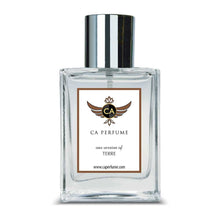
Terre — Hermes Terre Alternative Cologne
7.36
MEI™
Primary Fresh
Secondary Confident
Confidence
7.3
Presence
7.76
Mood Lift
8.08
Identity
7.39
Warmth
7.25
Social Ease
6.97
Energy
4.0
" I am radiant.
View full mood profile →
HumanSafe™

Top Pelargonium Fragrances by HumanSafe™ Score

These Pelargonium-based fragrances have the highest product-level HumanSafe™ scores in this ingredient collection.

Highest HumanSafe™ Score
Terre — Hermes Terre Alternative Cologne
A-
HumanSafe™ Score Generally Safe
Safest Evaluated Ingredients EDP
AQUA Solvent / Carrier ISS 10.0
2-HEXENE, 6,6-DIMETHOXY-2,5,5-TRIMETHYL- Evaluated ingredient ISS 8.0
LINALYL ACETATE Evaluated ingredient ISS 7.0
LINALOOL Evaluated ingredient ISS 7.0
CITRONELLOL Evaluated ingredient ISS 7.0
View full safety profile →
Expert Voices

What Masters Say About Pelargonium

“Pelargonium is less fruity and more balsamic, almost incense-like, acting as the central motif of this intriguing composition.”
Nathalie Feisthauer, Perfumer
Pelargonium’s essential oil, dominated by citronellol and geraniol, provides a cost-effective rose-like character and a green, herbal lift, making it indispensable in both classic and modern fragrance structures.
CA Perfume Editorial
Common Questions

Frequently Asked Questions

Frequently asked questions about pelargonium in perfumery.

Pelargonium in perfume smells distinctly rosy-green, with minty-herbal and slightly metallic facets. Its scent profile is shaped by high concentrations of citronellol and geraniol, resulting in a bright, uplifting floral character with green, leafy undertones and a subtle balsamic drydown. Unlike true rose, pelargonium is less powdery and more herbal, making it a versatile modifier in both floral and fougère compositions.

Pelargonium functions primarily as a heart (middle) note in fragrance pyramids. Its medium volatility allows it to bridge the transition from bright top notes to deeper base notes, providing structure and complexity. In most compositions, it is used at 0.2–1% concentration to impart a rosy-green, minty freshness that persists for 1–2 hours before softening into woody and musky undertones.

Pelargonium is favored in niche perfumery for its ability to deliver a complex, multi-faceted scent—combining rosy, green, minty, and balsamic notes in a single ingredient. Its versatility allows perfumers to create unique, evolving compositions that stand apart from mainstream floral fragrances. Additionally, pelargonium’s cost-effectiveness compared to rose absolute makes it accessible for innovative, high-quality blends.

Pelargonium fragrance uses often involve pairing with rose, mint, cedarwood, vetiver, and patchouli. These combinations exploit shared molecular components—such as geraniol and menthone—to create harmonious, layered accords. For example, pairing with rose enhances floral depth, while mint and cedarwood accentuate freshness and longevity.

Yes, pelargonium’s bright, minty-green facets make it particularly suitable for summer and hot weather. Its high volatility means the scent projects well in heat, delivering a refreshing, uplifting effect. However, longevity may be reduced in high temperatures, so lighter application or layering with fixatives is recommended for sustained wear.

Pelargonium-based fragrances generally last 4–6 hours in Eau de Parfum format, with the rosy-green heart persisting for 1–2 hours before transitioning to a softer, woody-musk drydown. Longevity is influenced by concentration, skin chemistry, and environmental conditions—oil-based formats and fixative bases can extend wear time.

Absolutely. Pelargonium is highly compatible with a range of notes, especially rose, mint, woods, and citrus. Layering pelargonium with these accords can enhance floral depth, add herbal freshness, or ground the scent with woody warmth. The key is to balance molecular weights and volatility for a seamless evolution.

For those new to pelargonium, recommended fragrances include Diptyque Geranium Odorata (2014), which highlights its rosy-minty freshness, and Chanel Egoïste Platinum (1993), where pelargonium provides a crisp, green backbone. Both offer accessible introductions to the ingredient’s complexity and versatility.

To select the ideal pelargonium fragrance, consider your preferred scent profile—whether you favor floral, herbal, or woody accents. Review the fragrance pyramid for each option, focusing on supporting notes like rose, mint, or cedarwood. CA Perfume’s collection offers transparency on sourcing and allergen content, allowing you to make an informed choice based on both olfactory and ethical preferences.

While pelargonium is distinctly green and herbal, its rosy and minty facets provide a balanced, approachable scent suitable for everyday wear. The ingredient’s complexity allows it to adapt to various fragrance families, from fresh florals to woody chypres, making it versatile and not overpoweringly green when blended thoughtfully.

Floral Green Collection

Explore Our Top Pelargonium Fragrances

Discover CA Perfume’s curated selection of pelargonium-centric fragrances, each highlighting the ingredient’s rosy-green complexity and versatility across floral, herbal, and woody styles.

Shop all pelargonium fragrances at CA Perfume →

Where Pelargonium Comes From — Origin & Extraction

Pelargonium essential oil, known commercially as geranium oil, is primarily derived from Pelargonium graveolens, P. × asperum, and related hybrids. The plant is native to South Africa’s Cape region but is now cultivated extensively in Egypt, China, Morocco, and Reunion Island (Bourbon type). Egypt currently accounts for the majority of global production, with annual yields estimated at over 1,000 metric tons of oil. The most prized variety, Bourbon geranium, originates from Reunion Island and is valued for its balanced citronellol-to-geraniol ratio and nuanced rosy character. Extraction is performed via steam distillation of the fresh or slightly withered leaves and stems. The process operates at temperatures between 98–102°C and typically lasts 2–3 hours. The essential oil yield is relatively low, ranging from 0.1–0.2% of the fresh plant mass. Alternative extraction methods, such as hydrodistillation, solvent extraction, and supercritical CO2 extraction, are used for specialty applications, with each method affecting the chemical profile—freeze-drying prior to extraction can increase linalool content, while air-drying favors citronellyl formate. Natural pelargonium oil is significantly more expensive than synthetic substitutes, with prices ranging from $250–$450 per kg for Egyptian oil and up to $700 per kg for Bourbon type. Synthetic analogs based on citronellol and geraniol are available at $30–$60 per kg. Sustainability concerns focus on water usage, land management, and the preservation of genetic diversity in traditional growing regions. The industry is moving toward traceable, low-impact cultivation, with some producers certified under ISO 9235 for natural aromatic raw materials. The CAS number for pelargonium oil is 8000-46-2.

Famous Fragrances That Define Pelargonium in Perfumery

Pelargonium has played a pivotal role in both classic and contemporary perfumery, functioning as a bridge note, dominant heart, or supporting accent depending on the composition. In Aedes de Venustas Pelargonium (2017, Nathalie Feisthauer), pelargonium is the central motif, paired with orris, cedar, vetiver, and moss to create a baroque, incense-like floral-woody heart. Chanel Egoïste Platinum (1993, Jacques Polge) uses pelargonium to impart a crisp, green backbone in a woody-floral-musk structure, blending it with lavender, rosemary, and oakmoss for a modern fougère effect. Diptyque Geranium Odorata (2014, Fabrice Pellegrin) highlights the rosy-minty freshness of pelargonium, balanced by tonka bean and pink pepper. Goldfield & Banks Pacific Rock Moss (2016, François Merle-Baudoin) employs pelargonium as a green accent alongside moss and citrus, enhancing the marine freshness. Memo Paris African Leather (2015, Aliénor Massenet) integrates pelargonium as a spicy-green bridge between cardamom, leather, and vetiver, demonstrating its versatility in both floral and leather compositions. These fragrances illustrate pelargonium’s adaptability across olfactory families. CA Perfume’s collection draws inspiration from this lineage, offering modern interpretations that emphasize the ingredient’s rosy-green complexity while ensuring accessibility and transparency.

Natural vs Synthetic Pelargonium in Perfumery

Natural pelargonium oil is a complex mixture of over 100 compounds, with citronellol (CAS 106-22-9), geraniol (CAS 106-24-1), and linalool (CAS 78-70-6) as primary odorants. Synthetic substitutes typically use isolated or synthesized versions of these molecules, sometimes with added rose oxide (CAS 16409-43-1) to enhance the metallic-green facet. While synthetic geraniol and citronellol can replicate the core rosy-green aroma, they lack the nuanced minty and balsamic undertones present in the natural oil due to minor components like isomenthone and citronellyl formate. Performance-wise, synthetic pelargonium derivatives offer greater batch consistency, stability, and lower allergenic potential, but may be less complex and evolve less on skin. Natural oil, by contrast, displays more pronounced evolution and interacts more with skin chemistry, sometimes resulting in greater perceived freshness or depth. Cost is a major differentiator: natural oil can be 5–10 times more expensive than synthetic blends, influencing its use in fine fragrance versus mass-market products. Famous fragrances such as Aedes de Venustas Pelargonium (2017) and Chanel Egoïste Platinum (1993) use natural pelargonium oil for authenticity and complexity, while many mainstream colognes rely on synthetic geraniol and citronellol for cost efficiency. Sustainability and traceability are increasingly important, with the HumanSafe™ platform providing transparency on sourcing and allergen content for both natural and synthetic pelargonium ingredients.