Ingredient Guide · Fruity
Fruity Family · Perfumery Note

Passionfruit

A synthetic marvel capturing exotic, tangy fruit vibrance.

In perfumery, passionfruit is a heart note prized for its vibrant, tropical character—delivered almost exclusively through synthetic molecules. The defining compound, Oxane (Firmenich), imparts a tangy, juicy, and slightly lactonic aroma used at 0.5–5% in modern fruity accords.

Passionfruit
Ingredient Profile

Passionfruit

Fruity Family
Family Fruity
Note Position Heart Note
Usage Level 0.5–5%
Key Origins Brazil, Ecuador, Australia
Iconic In Power Of You, Kirke
The Ingredient

What does Passionfruit smell like and why is it a fantasy note in perfumery?

Passionfruit in perfumery is defined by its intensely tropical, tangy, and juicy scent profile, which is almost entirely constructed from synthetic aroma molecules. The primary chemical responsible for this effect is Oxane (CAS 65405-70-1, proprietary to Firmenich), which mimics the volatile esters and lactones found in the pulp of Passiflora edulis. This molecule, along with supporting notes such as gamma-undecalactone and certain thiazoles, creates a vivid impression of ripe passionfruit—blending facets of pineapple, mango, and citrus with a faintly creamy undertone. The result is a fruit note that is both mouthwatering and slightly green, with a sulfurous tang that distinguishes it from generic 'tropical' accords. In perfumery, passionfruit is classified as a heart note, typically used at concentrations ranging from 0.5% to 5% of the total composition, depending on the desired intensity. Its high-impact aroma allows it to dominate fruity blends even at low dosages. Passionfruit interacts with skin chemistry by amplifying sweet and tart facets—on acidic skin, the tangy, green aspects are heightened, while on more alkaline skin, the creamy, lactonic character becomes more pronounced. This variability makes passionfruit a dynamic choice for both feminine and unisex fragrances. Notable examples of passionfruit in perfumery include Giorgio Armani Power Of You (2026, perfumers Nisrine Bouazzaoui Grillié & Nadège Le Garlantezec), where passionfruit is paired with bitter orange and vanilla for a creamy, gourmand effect, and Tiziana Terenzi Kirke (2015, Paolo Terenzi), which uses passionfruit as a radiant top note alongside peach and pear. Victoria’s Secret Bombshell (2010, Adriana Medina-Baez and Mark Knitowski) also features passionfruit as a sparkling, juicy accent in a floral-fruity structure. These fragrances demonstrate the versatility and impact of passionfruit in contemporary scent design, cementing its place as a modern fantasy note.

0.5–5%
Typical concentration of synthetic passionfruit accord in modern fragrances. Even at low percentages, Oxane and related molecules dominate the scent profile due to their high impact.
150–350 USD/kg
Approximate cost of premium synthetic passionfruit bases (e.g., Firmenich Passion Fruit Base 109223 GEB), making them accessible for both niche and designer perfumery.
70%+
Brazil’s share of global passionfruit production, though none is used for direct fragrance extraction—highlighting the reliance on synthetic reconstruction.
Origin & Extraction

Where Passionfruit Comes From — Origin & Extraction

Passionfruit’s scent is inspired by the tropical climates of Brazil, Ecuador, and Australia, where volcanic soils and high humidity yield fruit with intense aroma. The synthetic note is modeled after the headspace of ripe fruit from these regions.

Passionfruit (Passiflora edulis, family Passifloraceae) is a tropical vine native to South America, particularly Brazil, Paraguay, and northern Argentina. The fruit contains aromatic pulp and seeds, but like most fruits, it cannot be directly extracted for perfumery due to the instability and low volatility of its natural aroma compounds. Instead, passionfruit’s scent is recreated using synthetic chemistry, primarily through the headspace technique—where the volatile compounds above the fresh fruit are analyzed and then reconstructed in the lab. The leading synthetic used to reproduce passionfruit’s aroma is Oxane (Firmenich, CAS 65405-70-1), which delivers the signature tangy, tropical, and slightly sulfurous character. Other supporting molecules include gamma-undecalactone (peach-lactone), methyl butyrate, and thiazole derivatives. These compounds are blended to create a faithful impression of passionfruit’s juicy, exotic scent. Major manufacturers of passionfruit bases include Firmenich (Passion Fruit Base 109223 GEB), Givaudan, and Symrise. The cost of these synthetic bases ranges from $150–$350 per kg, depending on the complexity and proprietary status of the blend—significantly lower than natural fruit extracts, which are generally unavailable for perfumery use. Brazil is the world’s largest producer of passionfruit for food and beverage, with annual production exceeding 500,000 metric tons, but none of this is used for direct fragrance extraction. The sustainability profile of synthetic passionfruit is favorable, as it avoids agricultural land use and the energy-intensive processing required for natural extracts. The headspace approach also minimizes waste and supports consistent quality. No IFRA restrictions currently apply to the main synthetic passionfruit molecules, though all are subject to standard safety assessments.

BR

Brazil

Brazil’s Northeast (Bahia, Ceará) produces over 70% of the world’s passionfruit, with volcanic soils and high rainfall yielding fruit with pronounced tangy and tropical aroma. No PDO/PGI for perfumery, but prized for juice industry.

EC

Ecuador

Ecuador’s Andean valleys (Loja, Tungurahua) are known for passionfruit with high acidity and aromatic intensity, used as reference for synthetic headspace analysis. Production volume is significant for export.

AU

Australia

Queensland’s coastal regions grow passionfruit with a sweeter, less acidic profile due to sandy soils and moderate rainfall. Used as a model for softer, more gourmand passionfruit accords.

Chemistry

Natural vs Synthetic Passionfruit in Perfumery

Natural passionfruit essence is not used in perfumery, as the fruit’s aroma compounds are too unstable and non-volatile for direct extraction. Instead, perfumers rely on synthetic molecules to recreate the passionfruit scent. The most important of these is Oxane (CAS 65405-70-1, Firmenich), which provides the core tangy, tropical, and slightly sulfurous note. Other key aroma chemicals include gamma-undecalactone (CAS 104-67-6), which adds creamy, peach-like facets, and 2-methylbutyl acetate (CAS 624-41-9), which imparts a juicy, green-fruity lift. Thiazole derivatives (such as 2-acetylthiazole, CAS 24295-03-2) are sometimes used to introduce a subtle savory or green nuance. Synthetic passionfruit bases offer superior performance in terms of longevity, diffusion, and batch-to-batch consistency compared to any natural attempt. They are also more cost-effective, with prices typically $150–$350/kg, whereas natural fruit extracts (if available) would be prohibitively expensive and unstable. Famous fragrances such as Giorgio Armani Power Of You (2026) and Tiziana Terenzi Kirke (2015) use proprietary synthetic passionfruit accords. Sustainability is enhanced by the use of synthetic molecules, as there is no agricultural impact or waste generation. CA Perfume’s HumanSafe™ platform ensures full transparency and safety data for all synthetic passionfruit ingredients used in its fragrances.

Natural
Passionfruit Absolute
Cost $3,000–6,000/kg
Method Solvent / CO₂
Character Complex, variable
vs
Synthetic
Safranal & Analogues
Cost $50–200/kg
Method Lab synthesis
Character Consistent, stable
Hall of Fame

Famous Fragrances That Define Passionfruit in Perfumery

2026
dominant note

Power Of You

Giorgio Armani
by Nisrine Bouazzaoui Grillié & Nadège Le Garlantezec
Bitter OrangeLemonMadagascar VanillaBenzoinLabdanum
2015
top note

Kirke

Tiziana Terenzi
by Paolo Terenzi
PeachPearMuskSandalwood
2010
accent

Bombshell

Victoria's Secret
by Adriana Medina-Baez & Mark Knitowski
PineappleStrawberryJasmineMusk
2022
heart note

Passionfroudh

Fugazzi
AmberCreamy WoodsMusk
2015
bridge note

Dahab

Kajal
by Christian Carbonnel & Rosendo Mateu
Granny Smith AppleBergamotMuskAmber

Passionfruit has become a hallmark of contemporary fruity-floral and gourmand fragrances, often serving as a radiant heart or accent note. In Giorgio Armani Power Of You (2026, perfumers Nisrine Bouazzaoui Grillié & Nadège Le Garlantezec), passionfruit is the dominant top note, paired with bitter orange and Madagascar vanilla for a creamy, tangy effect. Tiziana Terenzi Kirke (2015, Paolo Terenzi) showcases passionfruit as a luminous opening, blended with peach, pear, and musk for a lush, tropical signature. Victoria’s Secret Bombshell (2010, Adriana Medina-Baez and Mark Knitowski) uses passionfruit as a sparkling accent, enhancing the juicy, playful character of the fragrance. Other notable examples include Fugazzi Passionfroudh (2022), where passionfruit is paired with creamy woods and amber, and Kajal Dahab (2015, Christian Carbonnel and Rosendo Mateu), which combines passionfruit with Granny Smith apple and musk for a crisp, modern twist. Pacifica Passion Fruit (2024) features passionfruit alongside pineapple and sandalwood, creating an energetic, sweet-tart profile. These fragrances illustrate the versatility of passionfruit, whether as a dominant note or as part of a complex fruity accord. CA Perfume’s collection draws on this lineage, offering passionfruit-centered scents that reflect both classic and innovative uses of this synthetic note.

The Accord

How is a captivating Passionfruit accord crafted?

A passionfruit accord is typically built from 25–30% Oxane (synthetic passionfruit), 20–25% gamma-undecalactone (peach-lactone), 20–25% green apple or pear (for crispness), and 25–30% creamy musk or sandalwood. Oxane provides the tangy, tropical core; gamma-undecalactone adds creamy, lactonic depth; green apple/pear introduces a fresh, juicy lift; and musk/sandalwood anchors the accord with smooth, long-lasting warmth.

30%

Oxane (Synthetic Passionfruit)

25–30% of blend

Oxane (CAS 65405-70-1) is the primary molecule for passionfruit’s tangy, tropical aroma, providing the signature juicy and slightly sulfurous character.

25%

Gamma-Undecalactone (Peach-Lactone)

20–25% of blend

Gamma-undecalactone imparts creamy, lactonic, and peach-like facets, rounding out the sharpness of Oxane and enhancing the fruit’s mouthfeel.

25%

Green Apple/Pear

20–25% of blend

Green apple or pear notes, often built from hexyl acetate and related esters, introduce crisp, juicy freshness and amplify the tart top note.

30%

Musk/Sandalwood

25–30% of blend

Clean musks or sandalwood provide a smooth, long-lasting base, enhancing diffusion and supporting the fruit’s creamy undertones.

The Olfactory Layers

How Passionfruit Evolves on Skin

Passionfruit’s olfactory evolution begins with a burst of tangy, tropical brightness (0–15 min), driven by high-volatility esters and thiazoles. The heart (20–60 min) reveals creamy, lactonic facets, while the base (several hours) settles into soft musk and woody undertones, as heavier molecules persist.

I
Top notes
0–15 min
Tropical Burst

A vivid opening of tangy, juicy passionfruit, with green and slightly sulfurous facets. High-volatility esters (methyl butyrate, ethyl butyrate) and Oxane dominate, creating an immediate tropical impact.

TangyTropicalJuicy
II
Heart notes
20–60 min
Creamy Radiance

The heart transitions to creamy, lactonic, and peach-like nuances, as gamma-undecalactone and supporting musks emerge. The fruitiness softens, revealing a rounder, more gourmand character.

CreamyLactonicFruity
III
Base notes
Several hours
Soft Musk Trail

The drydown is anchored by soft musks and sandalwood, with lingering traces of fruit. Heavier molecules (musks, woody notes) provide smoothness and subtle warmth, extending the tropical impression.

SoftMuskyWoody
TOP NOTES Tropical Burst 0–15 minutes HEART NOTES Creamy Radiance 20–60 minutes BASE NOTES Soft Musk Trail Several hours
Through the Ages

The Story of Passionfruit in Perfumery

Passionfruit’s journey in perfumery spans from its botanical discovery to its modern synthetic reconstruction.

16th Century

Botanical Discovery

Spanish explorers document Passiflora edulis in Brazil and Paraguay, noting its aromatic fruit and medicinal uses.

1970s

Headspace Technology Emerges

Perfumers begin using headspace analysis to capture the volatile aroma of fresh passionfruit, enabling laboratory reconstruction.

1990s

Oxane Patented by Firmenich

Firmenich introduces Oxane, a proprietary synthetic molecule that becomes the industry standard for passionfruit aroma in perfumery.

2010

Mainstream Adoption

Victoria’s Secret Bombshell launches, making passionfruit a popular note in mass-market fruity-floral fragrances.

2026

Niche and Designer Innovation

Giorgio Armani Power Of You and Tiziana Terenzi Kirke showcase passionfruit as a dominant note, reflecting its versatility and modern appeal.

The Art of Layering

How to Layer Passionfruit

Understanding how to layer passionfruit is key to maximizing its impact. Molecular compatibility with florals, woods, and musks allows for creative, balanced blends.

01

Enhance Sweetness

Layering passionfruit with vanilla or tonka bean amplifies the creamy, gourmand facets through olfactory masking—vanillin and coumarin molecules soften the tangy edge, as seen in Giorgio Armani Power Of You.

02

Add Depth

Pairing passionfruit with patchouli or sandalwood introduces earthy, woody undertones. The shared lactonic and woody molecules create a seamless transition from fruit to base, as in Tiziana Terenzi Kirke.

03

Brighten the Top

Combining passionfruit with citrus notes like bergamot or grapefruit enhances the juicy, sparkling opening. Shared esters and aldehydes boost freshness and projection, as demonstrated in Victoria’s Secret Bombshell.

Wear It Right

How to Wear Passionfruit Like a Pro

Seasonal Guide

Fall & Winter

In cooler weather, passionfruit’s creamy, gourmand facets are more pronounced, while projection is softer. Apply to pulse points under clothing to maximize warmth and longevity.

Spring

Spring’s moderate temperatures allow both the tangy and creamy aspects to shine. Layer with floral or green notes for a fresh, uplifting effect that transitions well from day to evening.

Summer

Heat and humidity intensify passionfruit’s tropical brightness and projection. Apply sparingly to avoid overwhelming the senses, and consider layering with citrus or aquatic notes for extra freshness.

Year-Round Tip

Adjust dosage and layering partners based on climate and occasion. In dry environments, use a moisturizer as a base to help anchor the volatile top notes and extend wear.

Application Points

Strategic application enhances passionfruit’s evolution and projection. Focus on pulse points and layering for best results.

1

Neck

The neck’s warmth accelerates the release of passionfruit’s top notes, creating an immediate tropical impact. Ideal for showcasing the tangy, juicy opening.

2

Behind the Ears

This area retains scent well and allows passionfruit’s creamy heart to linger, especially as body heat rises throughout the day.

3

Inner Wrists

Frequent movement helps diffuse the fragrance, highlighting the evolution from bright top notes to soft, musky base.

4

Hair

Spraying on hair offers a subtle, long-lasting trail, as the synthetic molecules adhere to hair fibers and release gradually.

Pro Tip

Layer passionfruit with a moisturizer or unscented oil base to slow evaporation and enhance longevity, especially in dry climates.

Mood Architecture™

Top Passionfruit Fragrances by Mood Score

These Passionfruit-based fragrances scored highest on the MEI™ Mood Architecture Framework — measuring how a scent may influence your emotional state.

Highest MEI Score
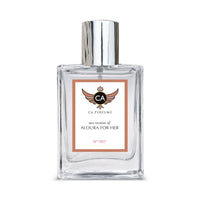
Aloura For Her — Chanel Allure For Her Alternative Perfume
8.68
MEI™
Primary Romantic
Secondary Confident
Confidence
7.83
Presence
8.15
Mood Lift
9.5
Identity
7.83
Warmth
9.5
Social Ease
9.5
Energy
4.6
" I am beautiful.
View full mood profile →
Kirke — Tiziana Terenzi Impression Kirke Alternative Perfume
6.82
MEI™
Primary Romantic
Secondary Confident
Confidence
6.09
Presence
6.38
Mood Lift
7.23
Identity
6.38
Warmth
8.5
Social Ease
7.13
Energy
2.8
" I am beautiful.
View full mood profile →
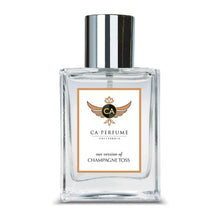
Champagne Toss — Champagne Toast Alternative Perfume
6.77
MEI™
Primary Fresh
Secondary Romantic
Confidence
5.83
Presence
5.45
Mood Lift
8.24
Identity
5.34
Warmth
7.15
Social Ease
7.46
Energy
4.8
" I am radiant.
View full mood profile →
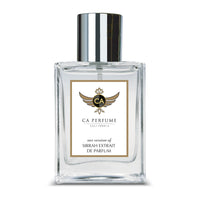
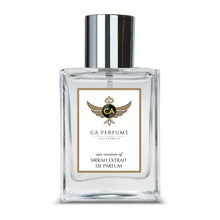
Sirrah Extrait de Parfum — Tiziana Terenzi Sirrah Extrait De Parfum Alternative Perfume
6.72
MEI™
Primary Energizing
Secondary Confident
Confidence
6.93
Presence
6.38
Mood Lift
7.03
Identity
6.43
Warmth
6.64
Social Ease
6.86
Energy
3.4
" I am unstoppable.
View full mood profile →
HumanSafe™

Top Passionfruit Fragrances by HumanSafe™ Score

These Passionfruit-based fragrances have the highest product-level HumanSafe™ scores in this ingredient collection.

Highest HumanSafe™ Score
Sirrah Extrait de Parfum — Tiziana Terenzi Sirrah Extrait De Parfum Alternative Perfume
A-
HumanSafe™ Score Generally Safe
Safest Evaluated Ingredients EDP
AQUA Solvent / Carrier ISS 10.0
AMBROXID Evaluated ingredient ISS 10.0
1,4-DIOXACYCLOHEPTADECANE-5,17-DIONE Evaluated ingredient ISS 10.0
CITRONELLOL Evaluated ingredient ISS 7.0
AMBREIN Evaluated ingredient ISS 7.0
View full safety profile →
Pretty Fruity — Montale Pretty Fruity Alternative Perfume
A-
HumanSafe™ Score Generally Safe
Safest Evaluated Ingredients EDP
AQUA Solvent / Carrier ISS 10.0
3-BUTEN-2-ONE, 4-(2,6,6-TRIMETHYL-1-CYCLOHEXEN-1-YL)- Evaluated ingredient ISS 10.0
3-DECEN-5-OL, 4-METHYL- Evaluated ingredient ISS 8.0
3-BUTEN-2-ONE, 3-METHYL-4-(2,6,6-TRIMETHYL-2- Evaluated ingredient ISS 8.0
REACTION MASS OF: (E)-OXACYCLOHEXADEC-12-EN-2-ONE, (E)- Evaluated ingredient ISS 7.0
CYCLOHEXANOL, 2-(1,1-DIMETHYLETHYL)-, ACETATE Evaluated ingredient ISS 7.0
View full safety profile →
Kirke — Tiziana Terenzi Impression Kirke Alternative Perfume
A-
HumanSafe™ Score Generally Safe
Safest Evaluated Ingredients EDP
AQUA Solvent / Carrier ISS 10.0
1,4-DIOXACYCLOHEPTADECANE-5,17-DIONE Evaluated ingredient ISS 10.0
BENZYL SALICYLATE Evaluated ingredient ISS 9.0
3-CYCLOPENTENE-1-ACETALDEHYDE, 2,2,3-TRIMETHYL-, Evaluated ingredient ISS 9.0
AMBREIN Evaluated ingredient ISS 7.0
View full safety profile →
Champagne Toss — Champagne Toast Alternative Perfume
A-
HumanSafe™ Score Generally Safe
Safest Evaluated Ingredients EDP
AQUA Solvent / Carrier ISS 10.0
CITRAL Evaluated ingredient ISS 8.0
BUTANOIC ACID, 1,1-DIMETHYL-2-PHENYLETHYL ESTER Evaluated ingredient ISS 8.0
LINALYL ACETATE Evaluated ingredient ISS 7.0
LINALOOL Evaluated ingredient ISS 7.0
ALCOHOL DENAT. Solvent / Carrier ISS 7.0
View full safety profile →
Expert Voices

What Masters Say About Passionfruit

Passionfruit’s scent in perfumery is almost entirely a fantasy, built from synthetic molecules like Oxane to recreate its tangy, tropical intensity.
CA Perfume Editorial
The use of synthetic passionfruit allows perfumers to achieve a vibrant, juicy effect that would be impossible with natural extraction.
CA Perfume Editorial
Common Questions

Frequently Asked Questions

Answers to common questions about passionfruit in fragrance.

In perfume, passionfruit smells tangy, tropical, and juicy, with a distinctive sweet-sour balance and creamy undertones. The scent is constructed from synthetic molecules such as Oxane, which replicate the fruit’s vibrant aroma. Depending on the formula, passionfruit can also reveal green, slightly sulfurous facets, and is often paired with peach, mango, or citrus notes for added complexity.

Passionfruit is typically used as a heart note in perfumery, though its high volatility allows it to function as a top note in some compositions. Its main synthetic molecules have moderate diffusion and persistence, making passionfruit ideal for the heart of fruity-floral and gourmand fragrances.

Passionfruit’s vibrant, exotic character and versatility make it a favorite in niche perfumery. Its synthetic construction allows for precise control over intensity and evolution, enabling perfumers to create unique, memorable signatures that stand out from mainstream fruity notes.

Passionfruit fragrance uses often involve pairing with creamy notes (vanilla, tonka bean), woods (sandalwood, patchouli), and florals (jasmine, ylang-ylang). Citrus and green notes can enhance its freshness, while musks and amber provide a smooth, lasting base.

Yes, passionfruit’s bright, juicy character is especially well-suited to summer and warm climates. Heat and humidity enhance its diffusion and vibrancy, making it a popular choice for tropical, beach-inspired, and daytime fragrances.

Longevity depends on concentration and supporting notes, but passionfruit-based fragrances in EDP format generally last 4–8 hours. The top notes are most intense in the first 30 minutes, with creamy and musky facets lingering into the drydown.

Yes, passionfruit is highly layerable due to its molecular compatibility with florals, woods, and gourmands. It blends well with vanilla, patchouli, and citrus, allowing for creative, personalized scent combinations.

For those new to passionfruit, try Giorgio Armani Power Of You (2026), Victoria’s Secret Bombshell (2010), or Tiziana Terenzi Kirke (2015). These fragrances offer accessible, well-balanced interpretations of the note.

Explore the CA Perfume collection by sampling different passionfruit-centered scents, considering your preference for sweetness, creaminess, or freshness. The HumanSafe™ platform provides full ingredient transparency for informed selection.

Passionfruit in fragrance is both sweet and tangy. The initial impression is bright and tart, while the drydown reveals creamy, gourmand undertones. The balance depends on the specific formula and supporting notes.

Fruity Collection

Explore Our Top Passionfruit Fragrances

Discover the most popular passionfruit-centered scents in our collection, each crafted to showcase the note’s vibrant, tropical allure.

Shop all passionfruit fragrances at CA Perfume →

Where Passionfruit Comes From — Origin & Extraction

Passionfruit (Passiflora edulis, family Passifloraceae) is a tropical vine native to South America, particularly Brazil, Paraguay, and northern Argentina. The fruit contains aromatic pulp and seeds, but like most fruits, it cannot be directly extracted for perfumery due to the instability and low volatility of its natural aroma compounds. Instead, passionfruit’s scent is recreated using synthetic chemistry, primarily through the headspace technique—where the volatile compounds above the fresh fruit are analyzed and then reconstructed in the lab. The leading synthetic used to reproduce passionfruit’s aroma is Oxane (Firmenich, CAS 65405-70-1), which delivers the signature tangy, tropical, and slightly sulfurous character. Other supporting molecules include gamma-undecalactone (peach-lactone), methyl butyrate, and thiazole derivatives. These compounds are blended to create a faithful impression of passionfruit’s juicy, exotic scent. Major manufacturers of passionfruit bases include Firmenich (Passion Fruit Base 109223 GEB), Givaudan, and Symrise. The cost of these synthetic bases ranges from $150–$350 per kg, depending on the complexity and proprietary status of the blend—significantly lower than natural fruit extracts, which are generally unavailable for perfumery use. Brazil is the world’s largest producer of passionfruit for food and beverage, with annual production exceeding 500,000 metric tons, but none of this is used for direct fragrance extraction. The sustainability profile of synthetic passionfruit is favorable, as it avoids agricultural land use and the energy-intensive processing required for natural extracts. The headspace approach also minimizes waste and supports consistent quality. No IFRA restrictions currently apply to the main synthetic passionfruit molecules, though all are subject to standard safety assessments.

Famous Fragrances That Define Passionfruit in Perfumery

Passionfruit has become a hallmark of contemporary fruity-floral and gourmand fragrances, often serving as a radiant heart or accent note. In Giorgio Armani Power Of You (2026, perfumers Nisrine Bouazzaoui Grillié & Nadège Le Garlantezec), passionfruit is the dominant top note, paired with bitter orange and Madagascar vanilla for a creamy, tangy effect. Tiziana Terenzi Kirke (2015, Paolo Terenzi) showcases passionfruit as a luminous opening, blended with peach, pear, and musk for a lush, tropical signature. Victoria’s Secret Bombshell (2010, Adriana Medina-Baez and Mark Knitowski) uses passionfruit as a sparkling accent, enhancing the juicy, playful character of the fragrance. Other notable examples include Fugazzi Passionfroudh (2022), where passionfruit is paired with creamy woods and amber, and Kajal Dahab (2015, Christian Carbonnel and Rosendo Mateu), which combines passionfruit with Granny Smith apple and musk for a crisp, modern twist. Pacifica Passion Fruit (2024) features passionfruit alongside pineapple and sandalwood, creating an energetic, sweet-tart profile. These fragrances illustrate the versatility of passionfruit, whether as a dominant note or as part of a complex fruity accord. CA Perfume’s collection draws on this lineage, offering passionfruit-centered scents that reflect both classic and innovative uses of this synthetic note.

Natural vs Synthetic Passionfruit in Perfumery

Natural passionfruit essence is not used in perfumery, as the fruit’s aroma compounds are too unstable and non-volatile for direct extraction. Instead, perfumers rely on synthetic molecules to recreate the passionfruit scent. The most important of these is Oxane (CAS 65405-70-1, Firmenich), which provides the core tangy, tropical, and slightly sulfurous note. Other key aroma chemicals include gamma-undecalactone (CAS 104-67-6), which adds creamy, peach-like facets, and 2-methylbutyl acetate (CAS 624-41-9), which imparts a juicy, green-fruity lift. Thiazole derivatives (such as 2-acetylthiazole, CAS 24295-03-2) are sometimes used to introduce a subtle savory or green nuance. Synthetic passionfruit bases offer superior performance in terms of longevity, diffusion, and batch-to-batch consistency compared to any natural attempt. They are also more cost-effective, with prices typically $150–$350/kg, whereas natural fruit extracts (if available) would be prohibitively expensive and unstable. Famous fragrances such as Giorgio Armani Power Of You (2026) and Tiziana Terenzi Kirke (2015) use proprietary synthetic passionfruit accords. Sustainability is enhanced by the use of synthetic molecules, as there is no agricultural impact or waste generation. CA Perfume’s HumanSafe™ platform ensures full transparency and safety data for all synthetic passionfruit ingredients used in its fragrances.