Where Parma Violet Comes From — Origin & Extraction
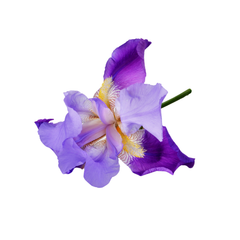
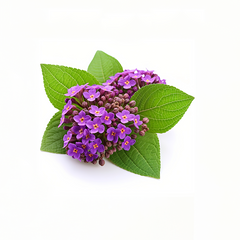
Parma Violet is botanically derived from Viola alba, a white violet species distinct from the more common Viola odorata. Viola alba is native to Europe and has been cultivated since at least the 16th century, with significant historical cultivation in Italy's Emilia-Romagna region, particularly around Parma, and later in Grasse, France from 1868. The plant prefers shaded, mild climates and produces cyclic whorled double flowers with pastel hues.
The traditional extraction method for Parma Violet essence is cold enfleurage, a highly labor-intensive process involving the placement of fresh Viola alba flowers onto a fat base (such as avocado butter) to absorb the delicate fragrance over multiple cycles. This method preserves the subtle and complex scent profile, including its unique gourmand and ambergris-like low notes, which are lost in steam distillation or solvent extraction. The enfleurage process can require over 100 charges of fresh flowers to achieve saturation, making natural Parma Violet absolute extremely rare and costly.
Due to the low yield and high cost of natural extraction, perfumers often use synthetic ionones (CAS 127-41-3 for alpha-ionone, CAS 79-77-6 for beta-ionone, and CAS 1335-46-2 for methyl ionone) to replicate the violet scent. Natural extraction yields are typically below 0.01%, with prices for natural absolute reaching several thousand dollars per kilogram, compared to synthetic ionones costing under $200/kg. Sustainability concerns include the intensive labor and limited growing regions, making synthetic alternatives more environmentally viable.
Famous Fragrances That Define Parma Violet in Perfumery
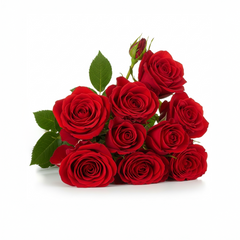
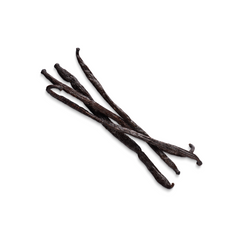
Parma Violet has been a cherished note in perfumery, featured in numerous landmark fragrances that showcase its powdery, sweet, and gourmand character. Kenzo's Flower (2000), created by perfumer Alberto Morillas, uses Parma Violet as a dominant note, blending it with rose and iris to create a fresh yet powdery floral bouquet. Guerlain's Insolence (2006), by perfumer Thierry Wasser, highlights Parma Violet as a key accent, paired with iris and tonka bean to evoke a candy-like violet sweetness.
Other notable examples include Lancome Tresor (1990) by Sophia Grojsman, where methyl ionone provides a violet woody floral bridge; Yves Saint Laurent Paris (1983), also by Grojsman, featuring a woody violet heart; and Penhaligon's Violetta (discontinued), known for its classic powdery violet accord.
These fragrances illustrate Parma Violet's versatility from vintage to contemporary styles, influencing both mainstream and niche perfumery. CA Perfume's collection honors this lineage by offering fragrances that explore Parma Violet's nuanced facets without compromising on modern performance standards.
Natural vs Synthetic Parma Violet in Perfumery
Natural Parma Violet essence is obtained through cold enfleurage of Viola alba flowers, preserving the delicate, powdery, and gourmand facets unique to this species. However, the natural extract is rare, expensive, and fragile, with limited longevity and projection in perfumes. Its extraction yield is extremely low, and the process is labor-intensive, which restricts its widespread use.
Synthetic Parma Violet notes are primarily created using ionones—alpha, beta, and methyl ionones (CAS 127-41-3, 79-77-6, 1335-46-2). These molecules replicate the sweet, powdery, and woody violet scent with enhanced stability, longevity, and diffusion. Synthetic ionones are cost-effective, consistent in quality, and widely used in modern perfumery. Famous fragrances like Lancome Tresor (1990) and Yves Saint Laurent Paris (1983) utilize synthetic methyl ionone to achieve the violet accord.
The cost differential is significant: natural Parma Violet absolute can cost several thousand dollars per kilogram, whereas synthetic ionones are available for under $200/kg. From a sustainability perspective, synthetic molecules reduce the environmental impact associated with cultivation and extraction. CA Perfume employs the HumanSafe™ platform to ensure transparency and safety in using both natural and synthetic Parma Violet ingredients, balancing authenticity with performance and environmental responsibility.