Ingredient Guide · Woods and Mosses
Woods and Mosses Family · Perfumery Note

Papyrus

A dry, smoky, and leathery note rooted in ancient tradition.

Papyrus is a base note in perfumery, valued for its dry, woody, and smoky-leathery character. Its defining quality comes from sesquiterpenes and cyperene, extracted from the rhizome of Cyperus papyrus, with typical use at 0.2–2% in compositions.

Papyrus
Ingredient Profile

Papyrus

Woods and Mosses Family
Family Woods and Mosses
Note Position Base Note
Usage Level 0.2–2%
Key Origins Egypt, Sudan, Ethiopia
Iconic In Santal 33, Timbuktu
The Ingredient

What does Papyrus smell like and why is it significant in perfumery?

Papyrus, derived from the rhizome of Cyperus papyrus, emits a dry, aromatic woody scent with pronounced smoky and leathery nuances. The primary molecular contributors to the papyrus scent profile are sesquiterpenes, notably cyperene, along with a complex mixture of terpenoids. The note is often described as reminiscent of aged parchment, dusty vetiver, and sun-dried reeds, with subtle earthy and spicy undertones. The scent can also evoke mushroom-like, salty, and even rye bread facets, especially in absolute form. This distinctive profile is why papyrus is classified as a woody base note in perfumery. In perfumery, papyrus in perfumery is almost exclusively used as a base note due to its low volatility and fixative properties. Typical concentration in fine fragrance ranges from 0.2% to 2%, depending on the desired intensity and the role within the composition. Its molecular weight and low evaporation rate allow it to anchor more volatile notes, providing longevity and a persistent woody-leathery backbone. On skin, papyrus interacts with individual chemistry, sometimes amplifying its smoky or earthy facets depending on pH and moisture. Several iconic fragrances exemplify what papyrus can achieve: Le Labo Santal 33 (2011, Frank Voelkl) uses papyrus as a structural woody accent alongside sandalwood and leather, while L’Artisan Parfumeur Timbuktu (2004, Bertrand Duchaufour) highlights papyrus’s dry, spicy, and earthy qualities in a vetiver-rich context. Maison Crivelli Papyrus Moleculaire (2020, Leslie Girard) explores the note’s powdery, vegetal, and tobacco-like aspects, demonstrating its versatility in both modern and classic compositions.

0.2–2%
Typical papyrus concentration in fine fragrance compositions, sufficient to impart a persistent woody-leathery base without overwhelming the blend.
6–10 Hours
Average longevity of papyrus as a base note, due to its high molecular weight and low volatility. The scent persists quietly on skin and fabric.
$800–1,200/kg
Market price for Egyptian papyrus absolute, reflecting the labor-intensive extraction and limited supply compared to synthetic alternatives.
Origin & Extraction

Where Papyrus Comes From — Origin & Extraction

Papyrus’s scent profile is shaped by the wetland soils and climate of the Nile Delta and tropical Africa, where mineral-rich, waterlogged earth fosters the development of complex sesquiterpenes in the rhizome.

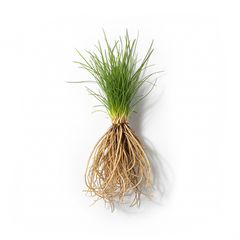
Papyrus oil and absolute are derived from Cyperus papyrus, a tall aquatic sedge native to the Nile Delta and tropical Africa. The aromatic material is extracted from the plant’s rhizome (underground stem), not from the pith historically used for writing. Egypt remains the primary producer, with smaller volumes from Sudan and Ethiopia. The extraction process for papyrus essential oil typically involves hydrodistillation (steam distillation) of the rhizome, yielding a pale yellow to amber viscous liquid. Key process parameters include a distillation temperature of 98–100°C and a duration of 6–10 hours, with yields averaging 0.2–0.5% by weight of fresh rhizome. Solvent extraction (using hexane or ethanol) produces papyrus absolute, which is richer in mushroom-like and salty nuances. The cost of natural papyrus oil varies by grade and origin, with Egyptian papyrus absolute fetching $800–1,200/kg, while steam-distilled oil is typically $400–600/kg. Synthetic substitutes, based on cyperene and related sesquiterpenes, cost significantly less ($50–100/kg), but lack the full complexity of the natural extract. Sustainability considerations include the rapid growth cycle of Cyperus papyrus (harvestable within 1–2 years) and its ability to thrive in wetlands, though overharvesting in the Nile Delta has led to localized depletion. Modern cultivation emphasizes managed wetland farming and ethical sourcing, with some producers certified for sustainable wild collection.

EG

Egypt

Nile Delta region; mineral-rich, alluvial soils and year-round marshland conditions yield papyrus with pronounced dry, smoky, and leathery facets. Egypt accounts for over 70% of global papyrus oil production, with most material destined for perfumery and traditional uses.

SD

Sudan

Blue Nile wetlands; higher humidity and seasonal flooding result in papyrus oil with slightly greener, earthier nuances. Sudanese production is smaller, supplying regional markets and artisanal distillers.

ET

Ethiopia

Lake Tana basin; volcanic soils and high-altitude marshes produce papyrus with subtle spicy and mushroom-like undertones. Ethiopian papyrus is prized for its complexity but represents less than 10% of global supply.

IN

India

Assam and West Bengal; cultivated as a related species (Cyperus scariosus, cypriol/nagarmotha), often used interchangeably in Indian perfumery. Indian material is drier, with pronounced earthy-spicy notes and is sometimes blended with true papyrus.

Chemistry

Natural vs Synthetic Papyrus in Perfumery

Natural papyrus oil is a complex mixture dominated by sesquiterpenes such as cyperene (CAS 68916-98-3), cyperotundone, and patchoulene, which together create its characteristic dry, woody, and smoky-leathery scent. Synthetic alternatives often rely on cyperene (CAS 68916-98-3), vetiveryl acetate (CAS 141-13-9), and iso-eugenol (CAS 97-54-1) to replicate key facets of the natural material. Performance-wise, synthetics offer greater batch-to-batch consistency, improved stability, and longer shelf life, but may lack the nuanced earthy and mushroom-like undertones of natural papyrus absolute. Cost differences are substantial: natural papyrus absolute can reach $1,200/kg, while synthetic blends are available for $50–100/kg. Notable fragrances using natural papyrus include L’Artisan Parfumeur Timbuktu and Maison Crivelli Papyrus Moleculaire, while larger houses may use synthetic analogs for cost and sustainability reasons. The HumanSafe™ platform at CA Perfume ensures transparency in sourcing, with all papyrus materials verified for ethical and sustainable production. Supply chain considerations include the environmental impact of wetland farming and the need for responsible harvesting to avoid habitat loss. Synthetic papyrus is favored in high-volume commercial perfumery for its price and consistency, but niche brands often seek out the natural absolute for its olfactory complexity.

Natural
Papyrus Absolute
Cost $3,000–6,000/kg
Method Solvent / CO₂
Character Complex, variable
vs
Synthetic
Safranal & Analogues
Cost $50–200/kg
Method Lab synthesis
Character Consistent, stable
Hall of Fame

Famous Fragrances That Define Papyrus in Perfumery

2011
bridge note

Santal 33

Le Labo
by Frank Voelkl
sandalwoodleatheriris
2004
dominant note

Timbuktu

L’Artisan Parfumeur
by Bertrand Duchaufour
vetiverincensemango
2020
dominant note

Papyrus Moleculaire

Maison Crivelli
by Leslie Girard
elemiblack peppertonka bean
2015
supporting note

Rose Of No Man’s Land

Byredo
by Jérôme Epinette
roseraspberryamber
2023
bridge note

Purpose

Amouage
by Quentin Bisch
sandalwoodbergamotincense

Papyrus has played a pivotal role in several landmark fragrances, both as a dominant note and as a subtle structural accent. Le Labo Santal 33 (2011, Frank Voelkl) is perhaps the most recognized modern example, where papyrus forms a dry, smoky bridge between sandalwood and leather, giving the fragrance its signature woody backbone. L’Artisan Parfumeur Timbuktu (2004, Bertrand Duchaufour) uses papyrus as a dominant note, paired with vetiver and incense to evoke the arid landscapes of West Africa. Maison Crivelli Papyrus Moleculaire (2020, Leslie Girard) explores the powdery, vegetal, and tobacco-like nuances of papyrus, highlighting its versatility in contemporary perfumery. Byredo Rose Of No Man’s Land (2015, Jérôme Epinette) employs papyrus as a supporting note, adding a dry, woody counterpoint to the composition’s floral heart. Amouage Purpose (2023, Quentin Bisch) integrates papyrus as a bridge note, connecting spicy and woody elements for a complex, long-lasting drydown. These fragrances demonstrate the breadth of papyrus fragrance uses—from dominant base note to subtle accent. CA Perfume’s collection draws inspiration from this lineage, offering papyrus-forward blends that honor both tradition and innovation.

The Accord

How is a captivating Papyrus accord crafted?

A papyrus accord balances dry, woody, and smoky facets with earthy, spicy, and green elements. Typical proportions: Papyrus 25–30%, Vetiver 20–25%, Incense 20–25%, Cedarwood 25–30%. Vetiver reinforces the earthy depth via shared sesquiterpenes, incense amplifies the smoky dimension through phenolic compounds, and cedarwood adds aromatic sharpness with cedrol and thujopsene.

30%

Papyrus

25–30% of blend

Provides the dry, smoky, leathery backbone through cyperene and related sesquiterpenes, anchoring the accord with persistent woody depth.

25%

Vetiver

20–25% of blend

Reinforces earthy and rooty facets via vetiverol and khusimol, creating a molecular bridge with papyrus’s woody-earthy profile.

25%

Incense

20–25% of blend

Adds smoky, resinous complexity through phenolic and terpenoid molecules, amplifying papyrus’s smoky-leathery nuance.

30%

Cedarwood

25–30% of blend

Contributes aromatic sharpness and dryness via cedrol and thujopsene, supporting the structural integrity of the accord.

The Olfactory Layers

How Papyrus Evolves on Skin

Papyrus evolves gradually on skin: initial dryness and green facets give way to smoky-leathery heart notes, before settling into a persistent woody-earthy base. High-molecular-weight sesquiterpenes evaporate slowly, providing longevity.

I
Top notes
0–15 min
Papery Green Opening

Papyrus opens with a dry, slightly green and herbal impression, driven by volatile terpenoids and aldehydes. The initial effect is reminiscent of sun-dried reeds and parchment, with subtle vegetal and powdery nuances.

dry greenherbalpapery
II
Heart notes
20–60 min
Smoky Leathery Heart

The heart reveals smoky, leathery, and earthy facets as cyperene and related sesquiterpenes dominate. Mushroom-like and salty undertones emerge, creating a complex, intellectual woody aroma.

smokyleatheryearthy
III
Base notes
Several hours
Woody Umami Base

Papyrus’s base is persistent, woody, and quietly smoky, with vetiver-like dryness and a faintly salty, umami undertone. The fixative molecules ensure a long-lasting, parchment-like trail.

woodypersistentumami
TOP NOTES Papery Green Opening 0–15 minutes HEART NOTES Smoky Leathery Heart 20–60 minutes BASE NOTES Woody Umami Base Several hours
Through the Ages

The Story of Papyrus in Perfumery

Papyrus’s use in perfumery spans millennia, from ancient Egyptian rituals to modern niche compositions.

Antiquity

Papyrus in Ancient Egypt

Cyperus papyrus is cultivated along the Nile for writing material, medicine, and fragrance. Papyrus oil is used in ceremonial unguents and personal scent blends, with documented use by figures such as Cleopatra.

19th Century

Papyrus in Early European Perfumery

Papyrus absolute is introduced to European perfumery via trade with Egypt, valued for its dry, woody character in colognes and fougères.

2004

Timbuktu by L’Artisan Parfumeur

Perfumer Bertrand Duchaufour creates Timbuktu, a modern classic featuring papyrus as a dominant note, paired with vetiver and incense to evoke West African rituals.

2011

Le Labo Santal 33 Launch

Frank Voelkl’s Santal 33 debuts, with papyrus as a key structural note, helping to define the contemporary woody-leathery genre.

2020

Papyrus Moleculaire by Maison Crivelli

Leslie Girard’s composition explores the powdery, vegetal, and tobacco-like facets of papyrus, cementing its place in avant-garde niche perfumery.

The Art of Layering

How to Layer Papyrus

Understanding how to layer papyrus is key to unlocking its full olfactory potential. At the molecular level, papyrus pairs best with notes that share or complement its sesquiterpene backbone, such as vetiver, incense, and rose.

01

Enhance Earthiness

Layering papyrus with vetiver amplifies their shared earthy, rooty facets via overlapping sesquiterpenes (cyperene, vetiverol). This combination is exemplified in L’Artisan Parfumeur Timbuktu, where the two notes create a seamless, persistent woody-earthy accord.

02

Add Smoky Depth

Pairing papyrus with incense or frankincense intensifies the smoky, resinous dimension through olfactory masking and synergistic terpenoid interactions. Maison Crivelli Papyrus Moleculaire demonstrates this effect, with incense boosting papyrus’s leathery complexity.

03

Soften with Florals

Combining papyrus with rose or iris introduces a powdery, floral softness, as shared aldehydes and ionones create a molecular bridge. Byredo Rose Of No Man’s Land uses papyrus to ground the floral heart, resulting in a balanced, modern composition.

Wear It Right

How to Wear Papyrus Like a Pro

Seasonal Guide

Fall & Winter

Cool temperatures suppress volatility, allowing papyrus’s smoky, leathery, and umami facets to linger. Apply to pulse points and layer with amber or leather notes for a cocooning effect. In dry winter air, papyrus’s woody depth is especially persistent.

Spring

Rising humidity and moderate warmth enhance papyrus’s green and powdery aspects. Pair with vetiver or green florals for a fresh, intellectual vibe. Apply lightly to avoid overpowering lighter spring compositions.

Summer

Heat increases volatility, bringing out papyrus’s herbal and slightly salty notes. Use sparingly, focusing on lower body or clothing to prevent rapid evaporation. Combine with citrus or aquatic notes for a crisp, modern twist.

Year-Round Tip

Adjust application based on climate and personal preference. For maximum longevity, apply papyrus-based fragrances to moisturized skin and avoid direct sunlight, which can alter the scent profile.

Application Points

Strategic application enhances papyrus’s projection and longevity. Focus on pulse points and layering to optimize the scent’s evolution.

1

Neck

Applying papyrus to the neck leverages body heat to accelerate the transition from green top notes to smoky, leathery heart notes, enhancing projection and sillage.

2

Behind the Ears

This area maintains a stable temperature, allowing papyrus’s woody and umami base to linger and evolve gradually, creating a subtle, personal aura.

3

Inner Wrists

Pulse points on the wrists intensify papyrus’s green and herbal opening, while frequent movement helps diffuse the scent throughout the day.

4

Hair

Spraying papyrus-based fragrance on hair provides a slow, sustained release of woody and smoky notes, as the molecules bind to hair fibers and are reactivated by movement.

Pro Tip

Layer papyrus with complementary notes (e.g., vetiver, incense) on different pulse points to create a multidimensional, evolving scent profile tailored to your skin chemistry.

Mood Architecture™

Top Papyrus Fragrances by Mood Score

These Papyrus-based fragrances scored highest on the MEI™ Mood Architecture Framework — measuring how a scent may influence your emotional state.

Highest MEI Score
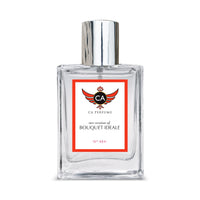
Bouquet Ideale — Casamorati 1888 Bouquet Ideale Alternative Perfume
8.03
MEI™
Primary Romantic
Secondary Confident
Confidence
7.59
Presence
7.72
Mood Lift
8.38
Identity
7.52
Warmth
9.5
Social Ease
8.05
Energy
4.1
" I am beautiful.
View full mood profile →
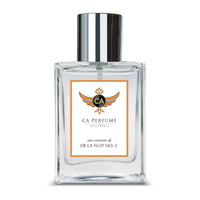
De La Nuit No: 2 — De La Nuit No. 2 Alternative Perfume
7.98
MEI™
Primary Romantic
Secondary Confident
Confidence
7.96
Presence
8.51
Mood Lift
8.08
Identity
7.89
Warmth
9.31
Social Ease
7.19
Energy
4.5
" I am beautiful.
View full mood profile →
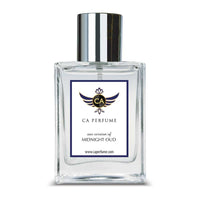
Midnight Oud — Juliette Has A Gun Midnight Oud Alternative Perfume
7.64
MEI™
Primary Confident
Secondary Magnetic
Confidence
9.03
Presence
8.87
Mood Lift
6.74
Identity
8.59
Warmth
8.37
Social Ease
5.71
Energy
4.6
" I am confident.
View full mood profile →
Baudelaire — Byredo Baudelaire Alternative Cologne
7.34
MEI™
Primary Magnetic
Secondary Confident
Confidence
8.05
Presence
9.17
Mood Lift
6.93
Identity
9.0
Warmth
7.61
Social Ease
5.85
Energy
3.1
" I am bold.
View full mood profile →
HumanSafe™

Top Papyrus Fragrances by HumanSafe™ Score

These Papyrus-based fragrances have the highest product-level HumanSafe™ scores in this ingredient collection.

Highest HumanSafe™ Score
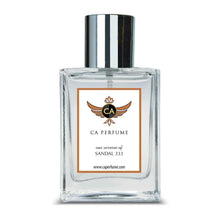
Sandal 333 — Santal 33 Alternative Cologne
A-
HumanSafe™ Score Generally Safe
Safest Evaluated Ingredients EDP
AQUA Solvent / Carrier ISS 10.0
3-BUTEN-2-ONE, 4-(2,6,6-TRIMETHYL-1-CYCLOHEXEN-1-YL)- Evaluated ingredient ISS 10.0
1,4-DIOXACYCLOHEPTADECANE-5,17-DIONE Evaluated ingredient ISS 10.0
4H-INDEN-4-ONE, 1,2,3,5,6,7-HEXAHYDRO-1,1,2,3,3- Evaluated ingredient ISS 9.0
TRICYCLO[6.3.1.02,5]DODECAN-1-OL, 4,4,8-TRIMETHYL-, ACETATE, Evaluated ingredient ISS 8.0
3-DECEN-5-OL, 4-METHYL- Evaluated ingredient ISS 8.0
View full safety profile →
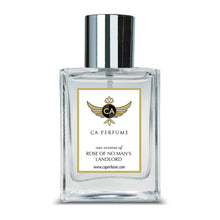
Rose Of No Man's Landlord — Rose Of No Man's Land Alternative Cologne
A-
HumanSafe™ Score Generally Safe
Safest Evaluated Ingredients EDP
AQUA Solvent / Carrier ISS 10.0
AMBROXID Evaluated ingredient ISS 10.0
AMBROXIDE Evaluated ingredient ISS 9.0
BULNESIA SARMIENTI, EXT., ACETATE Evaluated ingredient ISS 7.0
View full safety profile →
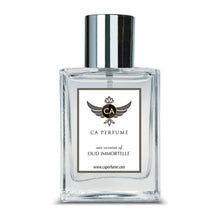
Oud Immortelle — Oud Immortel Alternative Perfume
A-
HumanSafe™ Score Generally Safe
Safest Evaluated Ingredients EDP
AQUA Solvent / Carrier ISS 10.0
LINALYL ACETATE Evaluated ingredient ISS 7.0
CYCLOHEXANEPROPANOL, 2,2,6-TRIMETHYL-.ALPHA.-PROPYL- Evaluated ingredient ISS 7.0
BULNESIA SARMIENTI, EXT., ACETATE Evaluated ingredient ISS 7.0
ALCOHOL DENAT. Solvent / Carrier ISS 7.0
1-[(2-TERT-BUTYL)CYCLOHEXYLOXY]-2-BUTANOL Evaluated ingredient ISS 7.0
View full safety profile →
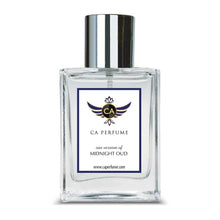
Midnight Oud — Juliette Has A Gun Midnight Oud Alternative Perfume
A-
HumanSafe™ Score Generally Safe
Safest Evaluated Ingredients EDP
AQUA Solvent / Carrier ISS 10.0
1,4-DIOXACYCLOHEPTADECANE-5,17-DIONE Evaluated ingredient ISS 10.0
CITRONELLOL Evaluated ingredient ISS 7.0
ALCOHOL DENAT. Solvent / Carrier ISS 7.0
1,4-DIOXACYCLOHEXADECANE-5,16-DIONE Evaluated ingredient ISS 7.0
View full safety profile →
Expert Voices

What Masters Say About Papyrus

Papyrus adds a dry, intellectual quality—paper-like, slightly dusty, quietly leathery. It reinforces vetiver accords with an earthy-spicy undertone and works as a bridge between woody and aromatic-green elements.
CA Perfume Editorial
The oil from the rhizome of Cyperus papyrus has a leathery, austere character quite unlike what you might expect from an aquatic marsh plant.
CA Perfume Editorial
Common Questions

Frequently Asked Questions

Papyrus in perfumery raises many technical and practical questions. Here are authoritative answers.

Papyrus in perfume smells dry, woody, and smoky, with leathery and earthy undertones. The scent profile is shaped by sesquiterpenes such as cyperene, which impart a parchment-like, slightly salty, and mushroom-like nuance. In compositions like Le Labo Santal 33 and L’Artisan Parfumeur Timbuktu, papyrus provides a persistent, intellectual woody base.

Papyrus is almost exclusively used as a base note in perfumery. Its high molecular weight and low volatility ensure that it anchors the fragrance, providing longevity and a woody-leathery foundation. It is rarely found in the top or heart notes due to its slow evaporation rate.

Papyrus is favored in niche perfumery for its complex, intellectual scent profile and its ability to bridge woody, smoky, and earthy notes. Its unique combination of dryness, smokiness, and subtle umami undertones allows perfumers to create distinctive, long-lasting compositions that stand out from mainstream offerings.

Papyrus fragrance uses often involve pairing with vetiver, incense, cedarwood, rose, and leather. These notes share molecular affinities or provide olfactory contrast, enhancing papyrus’s woody, smoky, and leathery facets. For example, vetiver amplifies earthiness, while rose softens the composition.

Papyrus can be worn in summer, but its dry, smoky character is best showcased in moderate to cool conditions. In hot weather, its herbal and salty notes become more pronounced, and projection increases. For summer, apply lightly and consider layering with citrus or aquatic notes for freshness.

Papyrus, as a base note, provides longevity of 6–10 hours on skin, depending on concentration and formulation. Its high molecular weight and fixative properties ensure that the woody-leathery scent persists quietly, especially in Parfum and Eau de Parfum formats.

Yes, papyrus is highly versatile for layering. It pairs well with vetiver, incense, rose, and amber, allowing you to create a multidimensional scent. Layering works best when complementary molecular structures (e.g., sesquiterpenes, phenolics) are present, as in L’Artisan Parfumeur Timbuktu or Byredo Rose Of No Man’s Land.

For those new to papyrus, Le Labo Santal 33 and Byredo Rose Of No Man’s Land offer accessible introductions, balancing papyrus with sandalwood or rose. Maison Crivelli Papyrus Moleculaire provides a more avant-garde, powdery interpretation. These fragrances demonstrate papyrus’s versatility and appeal.

At CA Perfume, explore papyrus-forward blends by sampling different concentrations and pairings. Consider your preferred scent profile—whether you favor smoky, woody, or earthy facets—and test on skin to observe how papyrus evolves with your chemistry. Our HumanSafe™ platform ensures all materials are ethically sourced.

Papyrus is primarily smoky and dry, with leathery and earthy undertones. While it can have a subtle green or powdery freshness in the opening, its dominant impression is that of sun-dried reeds, parchment, and quiet smokiness, rather than a purely clean scent.

Woods and Mosses Collection

Explore Our Top Papyrus Fragrances

Discover CA Perfume’s curated selection of papyrus-forward fragrances, each showcasing the ingredient’s dry, smoky, and woody complexity.

Shop all papyrus fragrances at CA Perfume →

Where Papyrus Comes From — Origin & Extraction

Papyrus oil and absolute are derived from Cyperus papyrus, a tall aquatic sedge native to the Nile Delta and tropical Africa. The aromatic material is extracted from the plant’s rhizome (underground stem), not from the pith historically used for writing. Egypt remains the primary producer, with smaller volumes from Sudan and Ethiopia. The extraction process for papyrus essential oil typically involves hydrodistillation (steam distillation) of the rhizome, yielding a pale yellow to amber viscous liquid. Key process parameters include a distillation temperature of 98–100°C and a duration of 6–10 hours, with yields averaging 0.2–0.5% by weight of fresh rhizome. Solvent extraction (using hexane or ethanol) produces papyrus absolute, which is richer in mushroom-like and salty nuances. The cost of natural papyrus oil varies by grade and origin, with Egyptian papyrus absolute fetching $800–1,200/kg, while steam-distilled oil is typically $400–600/kg. Synthetic substitutes, based on cyperene and related sesquiterpenes, cost significantly less ($50–100/kg), but lack the full complexity of the natural extract. Sustainability considerations include the rapid growth cycle of Cyperus papyrus (harvestable within 1–2 years) and its ability to thrive in wetlands, though overharvesting in the Nile Delta has led to localized depletion. Modern cultivation emphasizes managed wetland farming and ethical sourcing, with some producers certified for sustainable wild collection.

Famous Fragrances That Define Papyrus in Perfumery

Papyrus has played a pivotal role in several landmark fragrances, both as a dominant note and as a subtle structural accent. Le Labo Santal 33 (2011, Frank Voelkl) is perhaps the most recognized modern example, where papyrus forms a dry, smoky bridge between sandalwood and leather, giving the fragrance its signature woody backbone. L’Artisan Parfumeur Timbuktu (2004, Bertrand Duchaufour) uses papyrus as a dominant note, paired with vetiver and incense to evoke the arid landscapes of West Africa. Maison Crivelli Papyrus Moleculaire (2020, Leslie Girard) explores the powdery, vegetal, and tobacco-like nuances of papyrus, highlighting its versatility in contemporary perfumery. Byredo Rose Of No Man’s Land (2015, Jérôme Epinette) employs papyrus as a supporting note, adding a dry, woody counterpoint to the composition’s floral heart. Amouage Purpose (2023, Quentin Bisch) integrates papyrus as a bridge note, connecting spicy and woody elements for a complex, long-lasting drydown. These fragrances demonstrate the breadth of papyrus fragrance uses—from dominant base note to subtle accent. CA Perfume’s collection draws inspiration from this lineage, offering papyrus-forward blends that honor both tradition and innovation.

Natural vs Synthetic Papyrus in Perfumery

Natural papyrus oil is a complex mixture dominated by sesquiterpenes such as cyperene (CAS 68916-98-3), cyperotundone, and patchoulene, which together create its characteristic dry, woody, and smoky-leathery scent. Synthetic alternatives often rely on cyperene (CAS 68916-98-3), vetiveryl acetate (CAS 141-13-9), and iso-eugenol (CAS 97-54-1) to replicate key facets of the natural material. Performance-wise, synthetics offer greater batch-to-batch consistency, improved stability, and longer shelf life, but may lack the nuanced earthy and mushroom-like undertones of natural papyrus absolute. Cost differences are substantial: natural papyrus absolute can reach $1,200/kg, while synthetic blends are available for $50–100/kg. Notable fragrances using natural papyrus include L’Artisan Parfumeur Timbuktu and Maison Crivelli Papyrus Moleculaire, while larger houses may use synthetic analogs for cost and sustainability reasons. The HumanSafe™ platform at CA Perfume ensures transparency in sourcing, with all papyrus materials verified for ethical and sustainable production. Supply chain considerations include the environmental impact of wetland farming and the need for responsible harvesting to avoid habitat loss. Synthetic papyrus is favored in high-volume commercial perfumery for its price and consistency, but niche brands often seek out the natural absolute for its olfactory complexity.