Ingredient Guide · Amber
Amber Family · Perfumery Note

Incense

Millennia-old resins, smoky and mineral, anchor iconic perfumes.

Incense is a base note in perfumery, prized for its smoky, resinous, and mineral facets. Its defining character comes from Boswellia resin, rich in α-pinene and olibanic acids, and is used at 1–5% in compositions for depth and longevity.

Incense
Ingredient Profile

Incense

Amber Family
Family Amber
Note Position Base Note
Usage Level 1–5% of formula
Key Origins Oman, Somalia, India
Iconic In Passage d’Enfer, Incense Series: Avignon
The Ingredient

What does Incense smell like and why is it a cornerstone of perfumery?

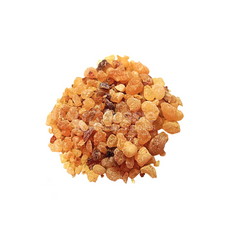
Incense in perfumery refers primarily to the olfactory impression of burning resins, especially frankincense (olibanum) from Boswellia species. The scent profile is dominated by smoky, mineral, and resinous facets, underpinned by key molecules such as α-pinene (up to 50% in frankincense oil), camphene, sabinene, and a family of newly identified olibanic acids. These compounds produce a fresh, piney, slightly citrus opening, evolving into waxy, aldehydic, and distinctly 'church-like' base notes. The overall incense scent profile is complex: dry, smoky, mineral, and balsamic, with subtle undertones of citrus peel, conifer, and sometimes a faint mushroom nuance. In perfumery, incense is classified as a base note due to its high molecular weight and low volatility, which allow it to persist for hours on skin. Typical usage concentrations range from 1–5% of a formula, though in some niche compositions (e.g., Serge Lutens Encens et Lavande) natural olibanum oil can reach up to 16%. Incense interacts with skin chemistry by amplifying mineral and smoky aspects on warmer, more acidic skin, while drier skin may emphasize its balsamic and powdery nuances. Its fixative properties help anchor more volatile notes, lending structure and longevity to both oriental and woody-amber fragrances. Incense in perfumery has defined several landmark fragrances. Comme des Garçons Series 3 Incense: Avignon (2002, Bertrand Duchaufour) is considered the archetype of 'church incense,' pairing frankincense with myrrh and cedar. Tauer Perfumes Incense Extreme (2007, Andy Tauer) uses olibanum CO2 extract as a quarter of its formula, creating a dry, mineral incense effect. Other notable examples include L’Artisan Parfumeur Passage d’Enfer (1999, Olivia Giacobetti) and Montale Full Incense (2010), each showcasing different facets of the incense scent profile. Thus, what does incense smell like in perfumery? It is smoky, mineral, and resinous—a note that imparts both ancient ritual and modern abstraction.

1–5% of formula
Incense is typically used at 1–5% in fine fragrance compositions, providing structure and longevity without overwhelming lighter notes.
6–12 hours
Incense-based fragrances exhibit extended longevity, with the smoky, mineral base persisting for 6–12 hours due to low-volatility resinoids.
3–8% extraction yield
Steam distillation of Boswellia resin yields 3–8% essential oil by weight, depending on species and harvest conditions.
Origin & Extraction

Where Incense Comes From — Origin & Extraction

Incense’s olfactory character is shaped by the resin’s geographic origin—soil, climate, and harvesting method all influence its aromatic profile.

Incense as a perfumery note is derived primarily from the resin of Boswellia trees, especially Boswellia sacra (Oman, Yemen), Boswellia carterii (Somalia), and Boswellia serrata (India). The resin, known as frankincense or olibanum, is harvested by making incisions in the tree bark, allowing the exuded sap to harden into 'tears' over several weeks. Oman and Somalia are the leading producers, with Oman’s Dhofar region yielding approximately 1,000–1,500 metric tons annually, representing 10–15% of global supply. Somalia’s output is higher, estimated at 2,000–3,000 metric tons per year, while India’s Boswellia serrata is primarily used for medicinal and incense stick applications. Extraction for perfumery employs steam distillation (yielding essential oil, typically 3–8% by weight), solvent extraction (producing resinoid), and increasingly, supercritical CO2 extraction, which preserves the full spectrum of volatile and non-volatile compounds. Steam distillation is conducted at 100°C for 6–12 hours, while CO2 extraction operates at 40–50°C and 100–300 bar, resulting in higher yields and a truer olfactory profile. Natural frankincense oil costs $300–800/kg, while resinoid can reach $1,500/kg. Synthetic incense aroma chemicals, such as Mystikal (Givaudan, 2008), cost $50–120/kg and are used to replicate the smoky, mineral facets at lower cost and with greater batch consistency. Sustainability is a growing concern: overharvesting and habitat loss threaten Boswellia populations, with some sources citing up to 80% decline in wild trees in parts of Somalia and Ethiopia. Certified sustainable harvesting initiatives and traceability programs are being implemented, but supply chain transparency remains variable. Synthetic alternatives help reduce pressure on wild populations, though they lack the full complexity of natural resin extracts.

OM

Oman

Dhofar region produces Boswellia sacra resin, prized for its high α-pinene content and citrus-mineral clarity. Annual output: ~1,000–1,500 metric tons. Traditional hand-harvesting and strict grading yield the world’s most sought-after frankincense.

SO

Somalia

Puntland region is the largest Boswellia carterii producer, with resin characterized by a more balsamic, slightly bitter profile. Estimated 2,000–3,000 metric tons annually. Wild harvesting dominates, but overexploitation threatens sustainability.

IN

India

Boswellia serrata resin from Rajasthan and Madhya Pradesh is used for both incense sticks and perfumery, with a spicier, earthier scent. India’s market share is smaller, but the resin is valued for its medicinal and aromatic versatility.

ET

Ethiopia

Tigray and Ogaden regions yield Boswellia papyrifera resin, notable for its lighter, more floral aroma. Annual production is variable due to political and environmental factors, but Ethiopia remains a key supplier for both perfumery and ritual use.

Chemistry

Natural vs Synthetic Incense in Perfumery

Natural incense in perfumery is primarily frankincense (Boswellia spp.) resin extracts, containing α-pinene (CAS 80-56-8), limonene (CAS 138-86-3), and newly identified olibanic acids. Synthetic incense notes are constructed using aroma chemicals such as Mystikal (Givaudan, CAS proprietary), 2-Methylundecanal (CAS 110-41-8), and Iso E Super (CAS 54464-57-2) to reproduce the smoky, mineral, and woody facets. Performance-wise, synthetic incense notes offer greater stability, batch consistency, and enhanced diffusion, while natural extracts provide more nuanced evolution and complexity but are prone to oxidation and batch variability. Cost is a significant differentiator: natural frankincense oil or resinoid ranges from $300–1,500/kg, while synthetic substitutes are $50–120/kg. Notable fragrances using natural incense include Serge Lutens Encens et Lavande (up to 16% olibanum oil) and Tauer Perfumes Incense Extreme (25% olibanum CO2 extract). Synthetic incense notes are prevalent in mainstream launches for cost and IFRA compliance reasons; for example, Mystikal is used in several Givaudan-developed compositions. Sustainability and ethical sourcing are critical: natural incense extraction can threaten Boswellia populations, while synthetics reduce ecological impact but may lack the ritualistic authenticity of natural resins. CA Perfume utilizes the HumanSafe™ platform to ensure ingredient transparency and traceability in both natural and synthetic incense sourcing.

Natural
Incense Absolute
Cost $3,000–6,000/kg
Method Solvent / CO₂
Character Complex, variable
vs
Synthetic
Safranal & Analogues
Cost $50–200/kg
Method Lab synthesis
Character Consistent, stable
Hall of Fame

Famous Fragrances That Define Incense in Perfumery

1999
bridge note

Passage d’Enfer

L’Artisan Parfumeur
by Olivia Giacobetti
lilywhite muskcedar
2002
dominant note

Incense Series: Avignon

Comme des Garçons
by Bertrand Duchaufour
myrrhcedarpatchouli
2007
dominant note

Incense Extreme

Tauer Perfumes
by Andy Tauer
ambergrisvetiverorris
2014
accent

L’orpheline

Serge Lutens
by Christopher Sheldrake
muskaldehydeswoods
2010
dominant note

Full Incense

Montale
by Pierre Montale
cedarpatchoulilabdanum

Incense has shaped the identity of numerous iconic fragrances, particularly in the niche and artisanal segments. In 1999, L’Artisan Parfumeur Passage d’Enfer (Olivia Giacobetti) introduced a transparent, mineral incense accord, blending frankincense with lily and white musk. Comme des Garçons Series 3 Incense: Avignon (2002, Bertrand Duchaufour) became the archetype of 'church incense,' pairing Boswellia resin with myrrh, cedar, and patchouli for an austere, meditative effect. Serge Lutens L’orpheline (2014, Christopher Sheldrake) explores a powdery, mineral incense theme, using both natural and synthetic materials for a cool, ethereal effect. Tauer Perfumes Incense Extreme (2007, Andy Tauer) is notable for its high olibanum CO2 content (25% of the formula), creating a dry, linear incense impression. Montale Full Incense (2010, Pierre Montale) is a benchmark for pure, smoky incense, emphasizing the resin’s darker, more intense facets. These compositions often pair incense with woods (cedar, sandalwood), resins (myrrh, labdanum), and florals (lily, rose), demonstrating incense’s versatility as both a dominant and supporting note. CA Perfume’s incense-focused collection draws inspiration from this lineage, offering a spectrum from meditative minimalism to opulent, resinous blends.

The Accord

How is a captivating Incense accord crafted?

A classic incense accord balances resinous, smoky, and mineral facets for both spiritual and modern compositions. Typical proportions: Frankincense (olibanum) 35–40%, Myrrh 20–25%, Cedarwood 20–25%, Musk 15–20%. Frankincense provides the core smoky-mineral structure via α-pinene and olibanic acids. Myrrh adds balsamic, slightly bitter depth through furanoeudesma-1,3-diene. Cedarwood imparts dry, woody clarity via cedrol and thujopsene, while musk (synthetic musks) softens and extends the accord, enhancing diffusion.

40%

Frankincense (Olibanum)

35–40% of blend

Frankincense resin is rich in α-pinene and olibanic acids, providing the smoky, mineral, and slightly citrusy core of the incense accord.

25%

Myrrh

20–25% of blend

Myrrh introduces balsamic, slightly bitter, and leathery nuances via furanoeudesma-1,3-diene, deepening the accord’s complexity.

25%

Cedarwood

20–25% of blend

Cedarwood oil, high in cedrol and thujopsene, imparts dry, woody clarity and enhances the mineral smokiness of frankincense.

20%

Musk (Synthetic)

15–20% of blend

Synthetic musks (e.g., Galaxolide, CAS 1222-05-5) provide soft, persistent diffusion, rounding out the accord and extending longevity.

The Olfactory Layers

How Incense Evolves on Skin

Incense’s olfactory evolution unfolds slowly: volatile terpenes (α-pinene, limonene) create a bright opening, while heavier resins and musks persist for hours. The top dissipates within 15 minutes, revealing a mineral heart and smoky, balsamic base.

I
Top notes
0–15 min
Citrus-Pine Spark

The initial impression is bright, citrusy, and slightly piney, driven by high-volatility terpenes such as α-pinene and limonene. These molecules evaporate quickly, creating a fleeting freshness that soon gives way to deeper, more resinous facets.

citrus-pinevolatilefresh
II
Heart notes
20–60 min
Mineral Veil

As the top fades, the heart reveals mineral, waxy, and slightly aldehydic nuances, shaped by octanol, octyl acetate, and camphene. The scent becomes more 'church-like,' with a cool, stony quality and subtle floral undertones.

mineralwaxyaldehydic
III
Base notes
Several hours
Smoky Balsam

The drydown is dominated by smoky, balsamic, and woody resins—olibanic acids and heavier sesquiterpenes persist, creating a lingering, meditative atmosphere. Synthetic musks and woods may amplify longevity and diffusion.

smokybalsamicwoody
TOP NOTES Citrus-Pine Spark 0–15 minutes HEART NOTES Mineral Veil 20–60 minutes BASE NOTES Smoky Balsam Several hours
Through the Ages

The Story of Incense in Perfumery

Incense’s journey in perfumery spans millennia, from ancient ritual to modern abstraction. Its use has evolved from sacred smoke to a signature note in contemporary fragrance.

Antiquity

Sacred Rituals in Egypt and Mesopotamia

Incense burning is documented in Egyptian temples and Mesopotamian ziggurats as early as 2000 BCE. Frankincense and myrrh resins were imported from Arabia and Somalia for religious ceremonies and embalming.

Roman Empire

Incense Trade Flourishes

Vast quantities of frankincense are transported along the Incense Route from Arabia to Rome. The resin’s value rivals gold, and its use spreads throughout the Mediterranean for both sacred and secular purposes.

19th Century

Incense in Early Modern Perfumery

With the rise of modern perfumery in Grasse, incense resins are incorporated into colognes and fougères, often as a fixative or subtle accent rather than a dominant note.

2002

Incense as a Modern Signature: Avignon

Comme des Garçons launches Series 3 Incense: Avignon, composed by Bertrand Duchaufour. The fragrance redefines incense as a central, not just supporting, note in contemporary perfumery.

2010s–2020s

Niche and Artistic Exploration

Incense becomes a staple in niche perfumery, with brands like Serge Lutens, Tauer Perfumes, and Montale exploring its mineral, smoky, and abstract facets in both pure and blended forms.

The Art of Layering

How to Layer Incense

Understanding how to layer incense is key to unlocking its full olfactory potential. Molecular compatibility with woods, resins, and florals allows for nuanced, evolving compositions.

01

Enhance Resinous Depth

Layer incense with myrrh or labdanum to amplify balsamic and smoky facets. Both share sesquiterpenes and resinoids, creating a seamless molecular bridge. Serge Lutens L’orpheline demonstrates this synergy, with incense and myrrh forming a cool, mineral base.

02

Add Floral Lift

Pair incense with rose or lily to introduce aldehydic and floral top notes. Damascenone, present in both rose and frankincense, creates a molecular link that softens incense’s austerity. L’Artisan Parfumeur Passage d’Enfer showcases this interplay.

03

Introduce Woody Warmth

Combine incense with cedarwood or sandalwood for a dry, woody base. Cedrol and thujopsene in cedarwood enhance the mineral smokiness of incense, as seen in Comme des Garçons Avignon and Montale Full Incense.

Wear It Right

How to Wear Incense Like a Pro

Seasonal Guide

Fall & Winter

Cooler temperatures suppress volatility, allowing incense’s smoky, balsamic base to linger. Apply to pulse points under clothing for a persistent, meditative aura. Layer with woods or amber for added warmth and projection.

Spring

Moderate warmth enhances the mineral and citrus-pine facets. Incense pairs well with florals or green notes, creating a balanced, uplifting effect. Apply lightly to avoid overwhelming lighter spring compositions.

Summer

Heat increases the evaporation rate of volatile terpenes, making incense’s top notes more pronounced but shortening longevity. Use lower concentrations or layer with citrus and aquatic notes for a fresher interpretation.

Year-Round Tip

Adjust application based on humidity: higher moisture enhances sillage, while dry air emphasizes the mineral, smoky base. Test on skin before layering to optimize projection and evolution.

Application Points

Strategic application maximizes incense’s longevity and olfactory evolution. Placement influences how smoky and mineral facets unfold.

1

Neck

Pulse points on the neck provide warmth, accelerating the transition from citrus-pine top notes to the mineral heart. Ideal for emphasizing incense’s evolving complexity.

2

Behind the Ears

This area retains scent longer due to lower sebaceous activity, allowing incense’s smoky base to persist. Subtle diffusion creates a meditative aura.

3

Inner Wrists

Body heat and movement enhance evaporation, revealing incense’s full olfactory pyramid. Avoid rubbing to prevent molecular breakdown of delicate terpenes.

4

Hair

Spraying incense-based fragrance on hair provides slow, sustained release of smoky and mineral notes. Use alcohol-free formulas to prevent dryness.

Pro Tip

Layer incense with a light floral or citrus scent on adjacent skin areas to create a dynamic, evolving sillage. This technique leverages olfactory masking and molecular synergy.

Mood Architecture™

Top Incense Fragrances by Mood Score

These Incense-based fragrances scored highest on the MEI™ Mood Architecture Framework — measuring how a scent may influence your emotional state.

Highest MEI Score
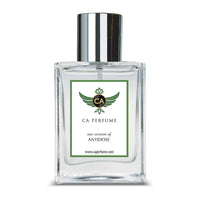
Antidose — Antidote Alternative Cologne
9.09
MEI™
Primary Romantic
Secondary Confident
Confidence
8.63
Presence
9.1
Mood Lift
9.5
Identity
8.51
Warmth
9.5
Social Ease
9.5
Energy
6.7
" I am beautiful.
View full mood profile →
Parfums Gypsy Aqua — Gypsy Water Alternative Perfume
8.69
MEI™
Primary Romantic
Secondary Confident
Confidence
7.99
Presence
8.46
Mood Lift
9.5
Identity
8.39
Warmth
9.5
Social Ease
8.81
Energy
5.8
" I am beautiful.
View full mood profile →
Extraordinaire Precious Oud — Collection Extraordinaire Precious Oud Alternative Perfume
8.42
MEI™
Primary Magnetic
Secondary Confident
Confidence
8.43
Presence
9.48
Mood Lift
9.24
Identity
9.21
Warmth
9.17
Social Ease
7.03
Energy
2.5
" I am bold.
View full mood profile →
Criminal Of Love — By Kilian Criminal Of Love Alternative Perfume
8.38
MEI™
Primary Magnetic
Secondary Confident
Confidence
8.65
Presence
9.5
Mood Lift
8.56
Identity
9.5
Warmth
9.04
Social Ease
7.2
Energy
3.4
" I am bold.
View full mood profile →
HumanSafe™

Top Incense Fragrances by HumanSafe™ Score

These Incense-based fragrances have the highest product-level HumanSafe™ scores in this ingredient collection.

Highest HumanSafe™ Score
Young Dew — Youth Dew Alternative Perfume
A-
HumanSafe™ Score Generally Safe
Safest Evaluated Ingredients EDP
AQUA Solvent / Carrier ISS 10.0
ACETIC ACID, PHENYLMETHYL ESTER Evaluated ingredient ISS 10.0
HEPTANAL, 2-(PHENYLMETHYLENE)- Evaluated ingredient ISS 9.0
BENZYL SALICYLATE EYE IRRITATION - CAT.2B [H320] Evaluated ingredient ISS 9.0
2H-1-BENZOPYRAN-2-ONE Evaluated ingredient ISS 8.0
LINALYL ACETATE Evaluated ingredient ISS 7.0
View full safety profile →
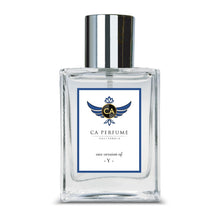
Y — YSL Y Alternative Cologne
#2
Y — YSL Y Alternative Cologne
Starting from $14.99
A-
HumanSafe™ Score Generally Safe
Safest Evaluated Ingredients EDP
AQUA Solvent / Carrier ISS 10.0
1,4-DIOXACYCLOHEPTADECANE-5,17-DIONE Evaluated ingredient ISS 10.0
7-OCTEN-2-OL, 2,6-DIMETHYL- Evaluated ingredient ISS 9.0
2-HEXENE, 6,6-DIMETHOXY-2,5,5-TRIMETHYL- Evaluated ingredient ISS 8.0
LINALYL ACETATE Evaluated ingredient ISS 7.0
LINALOOL Evaluated ingredient ISS 7.0
View full safety profile →
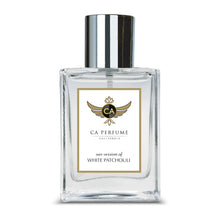
White Patchouli — Tom Ford White Patchouli Alternative Perfume
A-
HumanSafe™ Score Generally Safe
Safest Evaluated Ingredients EDP
AQUA Solvent / Carrier ISS 10.0
BENZYL SALICYLATE Evaluated ingredient ISS 9.0
LINALYL ACETATE Evaluated ingredient ISS 7.0
LINALOOL Evaluated ingredient ISS 7.0
CITRONELLOL Evaluated ingredient ISS 7.0
View full safety profile →
Vinaigre — Diptyque Vinaigre Alternative Perfume
A-
HumanSafe™ Score Generally Safe
Safest Evaluated Ingredients EDP
AQUA Solvent / Carrier ISS 10.0
ACETIC ACID, PHENYLMETHYL ESTER Evaluated ingredient ISS 10.0
2-OXABICYCLO[2.2.2]OCTANE, 1,3,3-TRIMETHYL- Evaluated ingredient ISS 9.0
CITRAL Evaluated ingredient ISS 8.0
2H-1-BENZOPYRAN-2-ONE Evaluated ingredient ISS 8.0
LINALYL ACETATE Evaluated ingredient ISS 7.0
View full safety profile →
Expert Voices

What Masters Say About Incense

Key ingredients of a natural Frankincense oil have been known already for quite a long time. It contains a big quantity of α-Pinene (sometimes over 50%) which is found in citruses and oils of coniferous plants, as well as many other natural oils and possesses a fresh and sweet earthy piney smell.
Fragrantica Editorial
Incense in perfumery bridges ancient ritual and modern abstraction, offering a smoky, mineral, and meditative signature that anchors both niche and mainstream compositions.
CA Perfume Editorial
Common Questions

Frequently Asked Questions

Answers to the most common questions about incense as a perfume note, its scent, usage, and performance.

Incense in perfume typically smells smoky, mineral, and resinous, with a distinctive 'church-like' or meditative quality. The scent is shaped by molecules such as α-pinene, camphene, and olibanic acids, which produce piney, citrus, and waxy aldehydic nuances. As the fragrance evolves, incense reveals a cool, mineral heart and a smoky, balsamic base. Notable examples include Comme des Garçons Avignon and Montale Full Incense.

Incense is classified as a base note in perfumery due to its high molecular weight and low volatility. It persists for hours on skin, anchoring lighter notes and providing structure and longevity to the fragrance. While some volatile terpenes contribute to the opening, the core smoky-mineral character is most prominent in the base.

Incense is favored in niche perfumery for its complexity, versatility, and evocative power. Its smoky, mineral, and resinous facets allow perfumers to create meditative, abstract, or spiritual compositions. The note’s fixative properties and ability to bridge florals, woods, and spices make it a cornerstone of modern artisanal fragrance.

Incense fragrance uses often involve pairing with myrrh, labdanum, cedarwood, sandalwood, rose, and amber. These notes share molecular affinities—such as shared terpenes and resinoids—that create harmonious, layered accords. For example, incense and rose both contain damascenone, facilitating a seamless blend.

Incense can be worn in summer, but its smoky and resinous facets are more pronounced in heat due to increased volatility. Lighter concentrations or pairing with citrus and aquatic notes can make incense more wearable in hot weather. Testing on skin is recommended to optimize projection and comfort.

Incense-based fragrances are known for their longevity, with the smoky, mineral base persisting for 6–12 hours or more. This is due to the low volatility of resinoids and heavier sesquiterpenes present in frankincense and myrrh extracts.

Yes, incense is highly layerable. It pairs well with woods, resins, florals, and even citrus notes. Layering incense with myrrh or labdanum amplifies balsamic depth, while rose or lily introduces floral lift. Molecular compatibility ensures a harmonious, evolving scent profile.

Recommended entry points include L’Artisan Parfumeur Passage d’Enfer (transparent, mineral), Comme des Garçons Avignon (classic church incense), and Montale Full Incense (intense, smoky). These fragrances showcase different facets of incense and are widely regarded as benchmarks.

Selecting the right incense fragrance depends on your preference for smoky, mineral, or balsamic profiles. CA Perfume’s incense-focused collection offers a range from minimalist to opulent, with detailed scent descriptions and layering advice to guide your choice.

Incense primarily smells smoky, mineral, and resinous, but can exhibit subtle sweetness (from octyl acetate and aldehydes) or mild spice (when paired with myrrh, cinnamon, or clove). The dominant impression is meditative and cool rather than overtly sweet or spicy.

Amber Collection

Explore Our Top Incense Fragrances

Discover CA Perfume’s incense-inspired collection, featuring smoky, mineral, and resinous compositions for every style and season.

Shop all incense fragrances at CA Perfume →

Where Incense Comes From — Origin & Extraction

Incense as a perfumery note is derived primarily from the resin of Boswellia trees, especially Boswellia sacra (Oman, Yemen), Boswellia carterii (Somalia), and Boswellia serrata (India). The resin, known as frankincense or olibanum, is harvested by making incisions in the tree bark, allowing the exuded sap to harden into 'tears' over several weeks. Oman and Somalia are the leading producers, with Oman’s Dhofar region yielding approximately 1,000–1,500 metric tons annually, representing 10–15% of global supply. Somalia’s output is higher, estimated at 2,000–3,000 metric tons per year, while India’s Boswellia serrata is primarily used for medicinal and incense stick applications. Extraction for perfumery employs steam distillation (yielding essential oil, typically 3–8% by weight), solvent extraction (producing resinoid), and increasingly, supercritical CO2 extraction, which preserves the full spectrum of volatile and non-volatile compounds. Steam distillation is conducted at 100°C for 6–12 hours, while CO2 extraction operates at 40–50°C and 100–300 bar, resulting in higher yields and a truer olfactory profile. Natural frankincense oil costs $300–800/kg, while resinoid can reach $1,500/kg. Synthetic incense aroma chemicals, such as Mystikal (Givaudan, 2008), cost $50–120/kg and are used to replicate the smoky, mineral facets at lower cost and with greater batch consistency. Sustainability is a growing concern: overharvesting and habitat loss threaten Boswellia populations, with some sources citing up to 80% decline in wild trees in parts of Somalia and Ethiopia. Certified sustainable harvesting initiatives and traceability programs are being implemented, but supply chain transparency remains variable. Synthetic alternatives help reduce pressure on wild populations, though they lack the full complexity of natural resin extracts.

Famous Fragrances That Define Incense in Perfumery

Incense has shaped the identity of numerous iconic fragrances, particularly in the niche and artisanal segments. In 1999, L’Artisan Parfumeur Passage d’Enfer (Olivia Giacobetti) introduced a transparent, mineral incense accord, blending frankincense with lily and white musk. Comme des Garçons Series 3 Incense: Avignon (2002, Bertrand Duchaufour) became the archetype of 'church incense,' pairing Boswellia resin with myrrh, cedar, and patchouli for an austere, meditative effect. Serge Lutens L’orpheline (2014, Christopher Sheldrake) explores a powdery, mineral incense theme, using both natural and synthetic materials for a cool, ethereal effect. Tauer Perfumes Incense Extreme (2007, Andy Tauer) is notable for its high olibanum CO2 content (25% of the formula), creating a dry, linear incense impression. Montale Full Incense (2010, Pierre Montale) is a benchmark for pure, smoky incense, emphasizing the resin’s darker, more intense facets. These compositions often pair incense with woods (cedar, sandalwood), resins (myrrh, labdanum), and florals (lily, rose), demonstrating incense’s versatility as both a dominant and supporting note. CA Perfume’s incense-focused collection draws inspiration from this lineage, offering a spectrum from meditative minimalism to opulent, resinous blends.

Natural vs Synthetic Incense in Perfumery

Natural incense in perfumery is primarily frankincense (Boswellia spp.) resin extracts, containing α-pinene (CAS 80-56-8), limonene (CAS 138-86-3), and newly identified olibanic acids. Synthetic incense notes are constructed using aroma chemicals such as Mystikal (Givaudan, CAS proprietary), 2-Methylundecanal (CAS 110-41-8), and Iso E Super (CAS 54464-57-2) to reproduce the smoky, mineral, and woody facets. Performance-wise, synthetic incense notes offer greater stability, batch consistency, and enhanced diffusion, while natural extracts provide more nuanced evolution and complexity but are prone to oxidation and batch variability. Cost is a significant differentiator: natural frankincense oil or resinoid ranges from $300–1,500/kg, while synthetic substitutes are $50–120/kg. Notable fragrances using natural incense include Serge Lutens Encens et Lavande (up to 16% olibanum oil) and Tauer Perfumes Incense Extreme (25% olibanum CO2 extract). Synthetic incense notes are prevalent in mainstream launches for cost and IFRA compliance reasons; for example, Mystikal is used in several Givaudan-developed compositions. Sustainability and ethical sourcing are critical: natural incense extraction can threaten Boswellia populations, while synthetics reduce ecological impact but may lack the ritualistic authenticity of natural resins. CA Perfume utilizes the HumanSafe™ platform to ensure ingredient transparency and traceability in both natural and synthetic incense sourcing.