Ingredient Guide · Woody Oriental
Woody Oriental Family · Perfumery Note

Palisander Rosewood

A rich, velvety base note with floral nuances

Palisander Rosewood is a woody oriental base note prized for its warm, smooth aroma with soft floral undertones. Its key molecule linalool dominates, contributing 75-95% of its scent profile.

Palisander Rosewood
Ingredient Profile

Palisander Rosewood

Woody Oriental Family
Family Woody Oriental
Note Position Base Note
Usage Level <1%
Key Origins Brazil, Mexico, India
Iconic In Palissandre d’Or, Alexandria II
The Ingredient

What does Palisander Rosewood smell like and why is it significant in perfumery?

Palisander Rosewood is a precious wood note known for its warm, woody aroma combined with soft floral nuances, primarily due to its high linalool content (75-95%). This molecular compound (C10H18O) imparts a clean, floral, slightly fruity character with creamy, peachy undertones from trace linalool oxides. The note is classified as a base note in perfumery, typically used at concentrations below 1%, where it provides a velvety, rich foundation that supports and enhances other notes. In perfumery, Palisander Rosewood plays a vital role as a base note, bridging floral and woody families. Its warm woodiness and subtle sweetness create a grounding effect that interacts uniquely with skin chemistry, evolving softly over 5-6 hours. It is valued for its ability to add depth without overpowering, making it suitable for both fresh and complex compositions. Notable fragrances featuring Palisander Rosewood include Xerjoff's Alexandria II (2017), where it anchors a rich woody-floral accord, and Aedes de Venustas' Palissandre d’Or (2015) by Alberto Morillas, which uses rosewood to create a creamy, spicy woody-amber composition. These examples demonstrate its versatility and enduring appeal in modern perfumery.

<1%
Typical concentration level in fragrance formulations to achieve a balanced woody-floral effect without overpowering.
5–6 Hours
Average longevity on skin, supported by the note’s warm woody base and fixative components.
0.7–1.2%
Approximate essential oil yield from steam distillation of Aniba rosaeodora heartwood chips.
Origin & Extraction

Where Palisander Rosewood Comes From — Origin & Extraction

Palisander Rosewood’s scent profile is influenced by its geographic origins, where soil composition, climate, and harvesting methods shape its aromatic character. The Amazon basin’s humid tropical climate fosters heartwood rich in linalool, while artisanal extraction methods preserve its delicate floral nuances.

Palisander Rosewood in perfumery primarily refers to the wood and essential oil derived from Dalbergia nigra (Brazilian rosewood) and Aniba rosaeodora (bois de rose). Dalbergia nigra is native to Brazil and is now protected under CITES Appendix I, severely restricting trade due to overharvesting and risk of extinction. Aniba rosaeodora, native to the Amazon basin, especially Brazil, is listed under CITES Appendix II, allowing controlled trade. Brazil is the primary producer of Palisander Rosewood, with India and Mexico also contributing, particularly for related rosewood varieties. Brazil's production is limited by sustainability concerns and legal protections, with annual essential oil yields from Aniba rosaeodora estimated at 0.7-1.2% by steam distillation of heartwood chips or bark shavings. The extraction process involves maceration in hot water followed by steam distillation at controlled temperatures to preserve linalool and other key compounds. Due to the scarcity and protection of natural rosewood, synthetic alternatives and substitutes like ho wood oil (Cinnamomum camphora ct. linalool) are increasingly used. Natural Palisander Rosewood absolute costs approximately $3,000–6,000 per kilogram, while synthetic analogues cost between $50–200 per kilogram. Sustainability efforts include plantation-grown sources and leaf distillation methods to reduce tree felling, but wild populations remain vulnerable.

BR

Brazil

Brazil is the primary source of Palisander Rosewood, especially Dalbergia nigra and Aniba rosaeodora. The Amazon rainforest’s rich, moist soil and tropical climate contribute to the wood’s aromatic complexity. Production is limited by CITES protections, with sustainable plantation efforts underway. Traditional steam distillation of heartwood chips yields 0.7-1.2% essential oil.

MX

Mexico

Mexico produces Palisander Rosewood with a distinct warm and deep scent profile, reflecting the region’s diverse climates and artisan harvesting techniques. Though smaller in volume, Mexican rosewood is prized for its rich aromatic qualities and cultural significance.

IN

India

India sources rosewood primarily from Dalbergia sissoo and related species. Indian rosewood is known for its smooth, woody aroma with subtle floral undertones, influenced by the subcontinental climate and traditional woodcraft. It plays a significant role in local perfumery and craftsmanship.

Chemistry

Natural vs Synthetic Palisander Rosewood in Perfumery

Natural Palisander Rosewood absolute is extracted primarily by solvent or CO₂ extraction from Dalbergia nigra or Aniba rosaeodora, yielding a complex and variable aroma profile dominated by linalool (75-95%). This natural oil offers a creamy, floral, and woody scent with subtle peachy undertones from trace linalool oxides and cis-linalool oxide. However, due to CITES restrictions and sustainability concerns, natural rosewood oil is scarce and expensive, costing $3,000–6,000/kg. Synthetic alternatives include pure linalool (CAS 78-70-6) and safranal analogues, produced via lab synthesis at $50–200/kg. These synthetics provide a consistent, stable scent with longer shelf life and greater availability. Synthetic linalool is often used alongside ho wood oil (Cinnamomum camphora ct. linalool) to replicate the complex facets of natural rosewood. Performance-wise, natural rosewood offers a richer, more nuanced scent evolution influenced by skin chemistry, while synthetics provide predictable longevity and diffusion. Famous fragrances like Aedes de Venustas Palissandre d’Or use natural extracts, whereas others may rely on synthetics for ethical and economic reasons. CA Perfume sources both natural and synthetic Palisander Rosewood with full transparency via the HumanSafe™ platform, ensuring ethical sourcing and consumer safety.

Natural
Palisander Rosewood Absolute
Cost $3,000–6,000/kg
Method Solvent / CO₂
Character Complex, variable
vs
Synthetic
Safranal & Analogues
Cost $50–200/kg
Method Lab synthesis
Character Consistent, stable
Hall of Fame

Famous Fragrances That Define Palisander Rosewood in Perfumery

2015
dominant note

Palissandre d’Or

Aedes de Venustas
by Alberto Morillas
ambrettepink peppercoriandercinnamonnutmegcopahu balsampatchoulicedarwoodambroxan
2017
supporting base note

Alexandria II

Xerjoff
lavendercinnamonapple
2007
supporting woody note

Oud Wood

Tom Ford
oudambervanilla
1986
accent note

Zino

Davidoff
spiceswoody notes
2025
top note

Oud Bhut Beng

Jinx Smells
by Arthur Clay Emrick
spiceshinokinardpatchoulicedar

Palisander Rosewood has been a defining note in several landmark fragrances, showcasing its versatility and rich woody-floral character. Notable examples include: 1. Aedes de Venustas Palissandre d’Or (2015) by Alberto Morillas: This fragrance centers on Indian rosewood (Dalbergia sissoo) and blends it with ambrette, pink pepper, coriander, cinnamon, nutmeg, copahu balsam, patchouli, and a trio of cedars. The rosewood serves as a creamy, milky, and slightly smoky base, providing depth and warmth. 2. Xerjoff Alexandria II (2017): Palisander Rosewood anchors a luxurious woody-floral accord, paired with lavender, cinnamon, and apple, creating a rich, inviting scent. 3. Tom Ford Oud Wood (2007): Though primarily an oud fragrance, it features rosewood as a key woody note, adding smoothness and complexity. 4. Davidoff Zino (1986): Rosewood is a prominent woody note, contributing to the fragrance’s classic masculine profile. 5. Jinx Smells Oud Bhut Beng (2025) by Arthur Clay Emrick: Incorporates Palisander Rosewood in the top notes alongside spices and hinoki, enriching the oriental woody structure. These fragrances illustrate Palisander Rosewood's role as a bridge between floral and woody elements, enhancing compositions with its warm, velvety presence. CA Perfume’s collection honors this lineage by featuring fragrances that explore the note’s multifaceted character.

The Accord

How is a captivating Palisander Rosewood accord crafted?

A balanced Palisander Rosewood accord typically combines 25-30% Palisander Rosewood, 20-25% amber for warmth and resinous depth, 20-25% rose or jasmine to complement its floral nuances, and 20-25% benzoin or vanilla to add sweetness and creamy softness. Palisander Rosewood’s linalool content bridges floral and woody molecules, while amber and benzoin provide fixative properties enhancing longevity. Floral notes share common aromatic compounds like geraniol and phenyl ethyl alcohol, creating molecular harmony that smooths transitions within the accord.

30%

Palisander Rosewood

25–30% of blend

Provides the core woody-floral character with linalool-rich complexity and a velvety, warm base.

25%

Amber

20–25% of blend

Adds resinous warmth and depth, enhancing the longevity and richness of the accord.

25%

Rose

20–25% of blend

Contributes complementary floral molecules like geraniol, creating a seamless olfactory bridge.

25%

Benzoin

20–25% of blend

Provides sweet, creamy balsamic notes that soften and round out the woody-floral profile.

The Olfactory Layers

How Palisander Rosewood Evolves on Skin

Palisander Rosewood’s olfactory evolution begins with a subtle floral lift from volatile linalool compounds, transitioning into a warm, woody heart as less volatile molecules emerge. Over several hours, the base notes of creamy balsams and resins provide a lasting, velvety finish, with molecular evaporation rates dictating the scent’s gradual unfolding.

I
Top notes
0–15 min
Fresh Floral Lift

Initial perception features the clean, floral facets of linalool and trace linalool oxides, imparting a fresh, slightly fruity aroma that gently introduces the woody character.

floralfreshairy
II
Heart notes
20–60 min
Warm Woody Floral

The heart reveals the warm, woody core of Palisander Rosewood, enriched by creamy, peachy undertones from cis-linalool oxide and subtle balsamic nuances, blending seamlessly with floral accompaniments.

woodycreamyfloral
III
Base notes
Several hours
Velvety Woody Drydown

The base is dominated by rich, velvety woodiness combined with resinous warmth from benzoin and amber, providing longevity and a smooth, elegant drydown that lingers on the skin.

warmresinousvelvety
TOP NOTES Fresh Floral Lift 0–15 minutes HEART NOTES Warm Woody Floral 20–60 minutes BASE NOTES Velvety Woody Drydown Several hours
Through the Ages

The Story of Palisander Rosewood in Perfumery

Palisander Rosewood’s history in perfumery spans from traditional use in South American and Indian cultures to modern niche fragrance innovation, reflecting evolving extraction methods and sustainability awareness.

Antiquity

Traditional Use of Rosewood

Rosewood has been valued for centuries in South America and India for its aromatic and woodworking properties, used in rituals, furniture, and early scent applications.

Early 20th Century

Commercial Extraction Begins

Steam distillation of Aniba rosaeodora heartwood became established, supplying essential oil for perfumery and aromatherapy, primarily from Brazilian sources.

1980s

Rise of Synthetic Alternatives

Due to overharvesting and CITES restrictions, synthetic linalool and ho wood oil began to supplement natural rosewood oil in perfumery.

2015

Launch of Palissandre d’Or by Aedes de Venustas

Alberto Morillas created a landmark fragrance inspired by Indian rosewood, highlighting its creamy, spicy woody character in a niche perfume context.

2020s

Sustainability and Innovation

Advances in leaf distillation and plantation cultivation aim to preserve wild rosewood populations while maintaining supply for perfumery.

The Art of Layering

How to Layer Palisander Rosewood

Understanding how to layer Palisander Rosewood involves molecular compatibility and olfactory synergy. Its linalool-rich floral facets blend seamlessly with rose and jasmine due to shared aromatic compounds like geraniol and phenyl ethyl alcohol, creating a harmonious floral bouquet. Layering with vanilla or benzoin introduces vanillin and benzoic acid esters that mask any sharpness, softening the woodiness and adding creamy sweetness. Spicy amber notes containing ambery lactones enhance the woody warmth through complementary molecular vibrations, enriching the base. These combinations are exemplified in fragrances like Aedes de Venustas Palissandre d’Or and Xerjoff Alexandria II, demonstrating effective layering strategies.

01

Enhance Sweetness

Pair Palisander Rosewood with vanilla to introduce vanillin, which masks the wood’s sharper edges and adds creamy sweetness, balancing the floral-woody profile.

02

Add Depth

Combine with amber and benzoin to leverage their resinous lactones and benzoic esters, which deepen the woody base and increase longevity through molecular fixation.

03

Lighten the Glow

Layer with rose or jasmine to exploit shared floral molecules like geraniol, creating a seamless olfactory bridge that lifts the wood’s floral nuances.

Wear It Right

How to Wear Palisander Rosewood Like a Pro

Seasonal Guide

Fall & Winter

Cooler temperatures slow molecular evaporation, enhancing Palisander Rosewood’s warm, creamy woody facets. Apply moderately to pulse points for cozy, long-lasting warmth.

Spring

Mild weather balances floral and woody notes. Layer with fresh florals or citrus to highlight the note’s versatility and maintain freshness.

Summer

Heat increases volatility, emphasizing the floral linalool top notes. Use lighter concentrations or pair with green or citrus notes to prevent overwhelming richness.

Year-Round Tip

Adjust application based on temperature and humidity; layering with complementary notes can modulate intensity and longevity.

Application Points

Strategic application enhances Palisander Rosewood’s olfactory impact and longevity.

1

Neck

Pulse points like the neck provide warmth that activates the note’s floral and woody molecules, enhancing projection and scent evolution.

2

Behind the Ears

This area’s subtle heat helps release the note’s creamy undertones gradually, creating an intimate sillage.

3

Inner Wrists

Wrists offer moderate heat and movement, allowing the note to unfold dynamically throughout the day.

4

Hair

Hair fibers hold fragrance molecules longer, releasing Palisander Rosewood’s woody-floral aroma softly with natural movement.

Pro Tip

Layer Palisander Rosewood with vanilla or amber on moisturized skin to extend longevity and enhance warmth.

Mood Architecture™

Top Palisander Rosewood Fragrances by Mood Score

These Palisander Rosewood-based fragrances scored highest on the MEI™ Mood Architecture Framework — measuring how a scent may influence your emotional state.

Highest MEI Score
Alexandria III — Xerjoff Alexandria Iii Alternative Perfume
8.8
MEI™
Primary Confident
Secondary Magnetic
Confidence
9.14
Presence
9.27
Mood Lift
8.65
Identity
9.5
Warmth
9.5
Social Ease
8.1
Energy
5.1
" I am unstoppable.
View full mood profile →
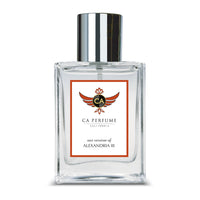
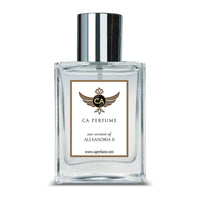
Alexandria II — Xerjoff Alexandria II Alternative Perfume
8.87
MEI™
Primary Confident
Secondary Romantic
Confidence
8.92
Presence
9.25
Mood Lift
8.91
Identity
9.23
Warmth
9.5
Social Ease
8.67
Energy
4.5
" I am unstoppable.
View full mood profile →
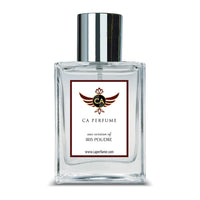
Iris Poudre — Frederic Malle Iris Poudre Alternative Perfume
7.66
MEI™
Primary Romantic
Secondary Confident
Confidence
7.29
Presence
7.55
Mood Lift
7.77
Identity
7.74
Warmth
9.25
Social Ease
7.68
Energy
3.0
" I am beautiful.
View full mood profile →
La Tosca — Xerjoff La Tosca Alternative Perfume
6.99
MEI™
Primary Romantic
Secondary Confident
Confidence
6.45
Presence
6.56
Mood Lift
7.61
Identity
6.69
Warmth
7.97
Social Ease
6.98
Energy
4.6
" I am beautiful.
View full mood profile →
HumanSafe™

Top Palisander Rosewood Fragrances by HumanSafe™ Score

These Palisander Rosewood-based fragrances have the highest product-level HumanSafe™ scores in this ingredient collection.

Highest HumanSafe™ Score
La Tosca — Xerjoff La Tosca Alternative Perfume
A-
HumanSafe™ Score Generally Safe
Safest Evaluated Ingredients EDP
AQUA Solvent / Carrier ISS 10.0
3-BUTEN-2-ONE, 4-(2,6,6-TRIMETHYL-1-CYCLOHEXEN-1-YL)- Evaluated ingredient ISS 10.0
1,4-DIOXACYCLOHEPTADECANE-5,17-DIONE Evaluated ingredient ISS 10.0
BENZYL SALICYLATE EYE IRRITATION - CAT. 2B [H320] Evaluated ingredient ISS 9.0
3-BUTEN-2-ONE, 3-METHYL-4-(2,6,6-TRIMETHYL-2- Evaluated ingredient ISS 8.0
LINALOOL Evaluated ingredient ISS 7.0
View full safety profile →
Invincible Aqua — Invictus Aqua Alternative Cologne
A-
HumanSafe™ Score Generally Safe
Safest Evaluated Ingredients EDP
AQUA Solvent / Carrier ISS 10.0
BENZYL SALICYLATE Evaluated ingredient ISS 9.0
7-OCTEN-2-OL, 2,6-DIMETHYL- Evaluated ingredient ISS 9.0
4H-INDEN-4-ONE, 1,2,3,5,6,7-HEXAHYDRO-1,1,2,3,3- Evaluated ingredient ISS 9.0
2-HEXENE, 6,6-DIMETHOXY-2,5,5-TRIMETHYL- Evaluated ingredient ISS 8.0
View full safety profile →
Alexandria III — Xerjoff Alexandria Iii Alternative Perfume
A-
HumanSafe™ Score Generally Safe
Safest Evaluated Ingredients EDP
AQUA Solvent / Carrier ISS 10.0
1,4-DIOXACYCLOHEPTADECANE-5,17-DIONE Evaluated ingredient ISS 10.0
1H-3A,7-METHANOAZULENE, OCTAHYDRO-6-METHOXY-3,6,8,8- Evaluated ingredient ISS 9.0
3-BUTEN-2-ONE, 3-METHYL-4-(2,6,6-TRIMETHYL-2- Evaluated ingredient ISS 8.0
2H-1-BENZOPYRAN-2-ONE Evaluated ingredient ISS 8.0
LINALOOL Evaluated ingredient ISS 7.0
View full safety profile →
Alexandria II — Xerjoff Alexandria II Alternative Perfume
A-
HumanSafe™ Score Generally Safe
Safest Evaluated Ingredients EDP
AQUA Solvent / Carrier ISS 10.0
1,4-DIOXACYCLOHEPTADECANE-5,17-DIONE Evaluated ingredient ISS 10.0
3-BUTEN-2-ONE, 3-METHYL-4-(2,6,6-TRIMETHYL-2- Evaluated ingredient ISS 8.0
2H-1-BENZOPYRAN-2-ONE Evaluated ingredient ISS 8.0
AMBREIN Evaluated ingredient ISS 7.0
View full safety profile →
Expert Voices

What Masters Say About Palisander Rosewood

To me, a perfume is a melody. With Palissandre d’Or, Alberto Morillas draws mesmerizing music from this imaginary wood, creating a creamy, spicy woody-amber fragrance that evokes the quintessence of wood.
Alberto Morillas, Master Perfumer
Palisander Rosewood’s essential oil is one of the finest natural sources of linalool—sweeter and more complex than synthetic linalool, with a creamy, almost peachy undertone from trace linalool oxides.
CA Perfume Editorial
Common Questions

Frequently Asked Questions

Frequently asked questions about Palisander Rosewood in perfumery.

Palisander Rosewood smells warm, woody, and floral, dominated by linalool which imparts a clean, fresh floral aroma with creamy, peachy undertones. It is used as a base note providing a velvety, rich foundation that enhances both fresh and complex fragrance compositions. Notable perfumes featuring this note include Xerjoff Alexandria II and Aedes de Venustas Palissandre d’Or.

Palisander Rosewood is primarily used as a base note in perfumery. Its molecular weight and volatility profile make it suitable for providing lasting warmth and depth, typically appearing in the drydown phase and lasting 5-6 hours or more on the skin.

Its complex woody-floral scent profile, dominated by natural linalool, offers a sophisticated and versatile foundation that bridges floral and woody families. Its rarity, rich aroma, and ability to enhance longevity make it a favored choice for niche perfumers seeking depth and elegance.

Palisander Rosewood fragrance uses include pairing with amber, benzoin, rose, jasmine, vanilla, and spices like cinnamon and pink pepper. These combinations balance its warm woodiness with floral sweetness and resinous depth, creating harmonious accords.

Yes, Palisander Rosewood can be incorporated into summer fragrances, especially in lighter compositions. Its warm woodiness provides a comforting backdrop when paired with fresh citrus or green notes, but formulations should avoid overwhelming richness in heat.

Fragrances featuring Palisander Rosewood typically last between 5 to 8 hours, supported by its warm woody base and fixative components like amber and benzoin, which enhance longevity and slow evaporation.

Absolutely. How to layer Palisander Rosewood involves combining it with sweet vanilla, spicy amber, or floral notes like rose and jasmine. These pairings enhance warmth, balance the aroma, and create unique scent experiences.

Beginner-friendly Palisander Rosewood perfumes include Xerjoff Alexandria II for its balanced woody-floral profile and Aedes de Venustas Palissandre d’Or for a creamy, spicy woody experience. These offer approachable introductions to the note’s complexity.

Consider the fragrance family and complementary notes you prefer. CA Perfume offers a curated selection featuring Palisander Rosewood in woody oriental, floral, and amber accords, with detailed descriptions and HumanSafe™ verified sourcing to guide your choice.

Palisander Rosewood smells primarily warm and woody with soft floral sweetness due to linalool. While it can be blended with spicy notes like cinnamon or pink pepper, the note itself is not inherently spicy but rather creamy and subtly sweet.

Woody Oriental Collection

Explore Our Top Palisander Rosewood Fragrances

Discover curated selections featuring Palisander Rosewood’s warm, woody elegance in luxurious compositions.

Shop all palisander rosewood fragrances at CA Perfume →

Where Palisander Rosewood Comes From — Origin & Extraction

Palisander Rosewood in perfumery primarily refers to the wood and essential oil derived from Dalbergia nigra (Brazilian rosewood) and Aniba rosaeodora (bois de rose). Dalbergia nigra is native to Brazil and is now protected under CITES Appendix I, severely restricting trade due to overharvesting and risk of extinction. Aniba rosaeodora, native to the Amazon basin, especially Brazil, is listed under CITES Appendix II, allowing controlled trade. Brazil is the primary producer of Palisander Rosewood, with India and Mexico also contributing, particularly for related rosewood varieties. Brazil's production is limited by sustainability concerns and legal protections, with annual essential oil yields from Aniba rosaeodora estimated at 0.7-1.2% by steam distillation of heartwood chips or bark shavings. The extraction process involves maceration in hot water followed by steam distillation at controlled temperatures to preserve linalool and other key compounds. Due to the scarcity and protection of natural rosewood, synthetic alternatives and substitutes like ho wood oil (Cinnamomum camphora ct. linalool) are increasingly used. Natural Palisander Rosewood absolute costs approximately $3,000–6,000 per kilogram, while synthetic analogues cost between $50–200 per kilogram. Sustainability efforts include plantation-grown sources and leaf distillation methods to reduce tree felling, but wild populations remain vulnerable.

Famous Fragrances That Define Palisander Rosewood in Perfumery

Palisander Rosewood has been a defining note in several landmark fragrances, showcasing its versatility and rich woody-floral character. Notable examples include: 1. Aedes de Venustas Palissandre d’Or (2015) by Alberto Morillas: This fragrance centers on Indian rosewood (Dalbergia sissoo) and blends it with ambrette, pink pepper, coriander, cinnamon, nutmeg, copahu balsam, patchouli, and a trio of cedars. The rosewood serves as a creamy, milky, and slightly smoky base, providing depth and warmth. 2. Xerjoff Alexandria II (2017): Palisander Rosewood anchors a luxurious woody-floral accord, paired with lavender, cinnamon, and apple, creating a rich, inviting scent. 3. Tom Ford Oud Wood (2007): Though primarily an oud fragrance, it features rosewood as a key woody note, adding smoothness and complexity. 4. Davidoff Zino (1986): Rosewood is a prominent woody note, contributing to the fragrance’s classic masculine profile. 5. Jinx Smells Oud Bhut Beng (2025) by Arthur Clay Emrick: Incorporates Palisander Rosewood in the top notes alongside spices and hinoki, enriching the oriental woody structure. These fragrances illustrate Palisander Rosewood's role as a bridge between floral and woody elements, enhancing compositions with its warm, velvety presence. CA Perfume’s collection honors this lineage by featuring fragrances that explore the note’s multifaceted character.

Natural vs Synthetic Palisander Rosewood in Perfumery

Natural Palisander Rosewood absolute is extracted primarily by solvent or CO₂ extraction from Dalbergia nigra or Aniba rosaeodora, yielding a complex and variable aroma profile dominated by linalool (75-95%). This natural oil offers a creamy, floral, and woody scent with subtle peachy undertones from trace linalool oxides and cis-linalool oxide. However, due to CITES restrictions and sustainability concerns, natural rosewood oil is scarce and expensive, costing $3,000–6,000/kg. Synthetic alternatives include pure linalool (CAS 78-70-6) and safranal analogues, produced via lab synthesis at $50–200/kg. These synthetics provide a consistent, stable scent with longer shelf life and greater availability. Synthetic linalool is often used alongside ho wood oil (Cinnamomum camphora ct. linalool) to replicate the complex facets of natural rosewood. Performance-wise, natural rosewood offers a richer, more nuanced scent evolution influenced by skin chemistry, while synthetics provide predictable longevity and diffusion. Famous fragrances like Aedes de Venustas Palissandre d’Or use natural extracts, whereas others may rely on synthetics for ethical and economic reasons. CA Perfume sources both natural and synthetic Palisander Rosewood with full transparency via the HumanSafe™ platform, ensuring ethical sourcing and consumer safety.