Ingredient Guide · Woody Oriental
Woody Oriental Family · Perfumery Note

Palisander

A rich, floral-woody base note with creamy undertones

Palisander is a precious woody note used as a base in perfumery, characterized by warm, floral, and creamy linalool-rich aroma. It typically appears at concentrations below 1%, providing a velvety depth to compositions.

Palisander
Ingredient Profile

Palisander

Woody Oriental Family
Family Woody Oriental
Note Position Base Note
Usage Level <1%
Key Origins Brazil, Mexico, India
Iconic In Palisander, Aqua Allegoria Forte Rosa Palissandro
The Ingredient

What does Palisander smell like and why is it significant in perfumery?

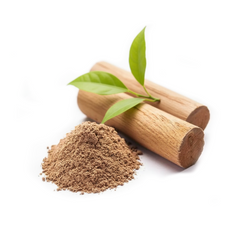
Palisander, often referred to as rosewood in perfumery, is derived primarily from Dalbergia nigra and Aniba rosaeodora. Its scent profile is warm, woody, and distinctly floral due to a high linalool content (75-95%), which imparts a creamy, slightly peachy nuance. This combination of woody depth and floral sweetness creates a complex, velvety aroma that is more floral than cedarwood and less creamy than sandalwood. In perfumery, palisander functions predominantly as a base note, typically used at concentrations below 1%. It acts as a bridging element between floral and woody families, providing a grounding warmth that enhances both fresh and complex fragrance structures. The note's medium odor strength and rich character allow it to interact harmoniously with skin chemistry, often evolving to reveal subtle balsamic undertones. Notable examples of palisander's use include Comme des Garçons' Palisander (2001), where it forms a woody-spicy foundation alongside saffron and myrrh, and Guerlain's Aqua Allegoria Forte Rosa Palissandro (2023), which highlights its floral-woody facets paired with coriander and rose. These fragrances demonstrate palisander's versatility and enduring appeal in modern perfumery.

<1%
Typical concentration of palisander absolute in fragrance formulations to achieve balanced woody-floral character without overpowering.
2–3 Sprays
Recommended application amount to provide noticeable sillage while maintaining harmony with other notes.
5–6 Hours
Average longevity of palisander-rich fragrances on skin, supported by its base note volatility and fixative properties.
Origin & Extraction

Where Palisander Comes From — Origin & Extraction

Palisander rosewood's scent is shaped by its geographic origins, with Brazil, Mexico, and India as key producers. Brazilian palisander is renowned for its rich, aromatic wood influenced by Amazonian soil and climate. Mexican palisander offers deep, warm notes reflecting local craftsmanship traditions. Indian palisander, often Dalbergia sissoo, contributes a creamy, milky nuance shaped by subtropical conditions. These regional differences affect oil quality and scent character, with sustainable harvesting increasingly emphasized.

Palisander rosewood in perfumery primarily refers to Dalbergia nigra (Brazilian rosewood) and Aniba rosaeodora (bois de rose). Dalbergia nigra is native to Brazil, while Aniba rosaeodora is found in the Amazon basin. Due to overharvesting, Dalbergia nigra is listed under CITES Appendix I, severely restricting trade and making natural extraction nearly banned. Sustainable plantation sources of Aniba rosaeodora exist but remain limited. Extraction of palisander essential oil is conducted via steam distillation of heartwood chips or bark shavings, with an oil yield of approximately 0.7-1.2%. The process requires careful temperature control to preserve the delicate linalool-rich profile. The oil is prized for its sweet, rosy-woody aroma with creamy undertones. Brazil dominates production, with Mexico and India also contributing smaller quantities of palisander wood used in perfumery and craftsmanship. The rarity and low yield of palisander oil contribute to its high cost, ranging from $3,000 to $6,000 per kilogram for natural absolute. Synthetic alternatives, including lab-produced linalool (CAS 78-70-6) and ho wood oil (Cinnamomum camphora ct. linalool), offer consistent and more affordable options, priced between $50 and $200 per kilogram. These synthetics help alleviate pressure on natural resources while maintaining the characteristic scent profile.

BR

Brazil

Primary source of Dalbergia nigra, Brazilian palisander, with rich Amazonian soils and humid climate producing highly aromatic wood. Production is limited due to CITES Appendix I protection, emphasizing sustainable plantation efforts.

MX

Mexico

Known for palisander wood with deep, warm olfactory qualities. Local artisan traditions influence harvesting and processing, contributing to distinctive scent profiles.

IN

India

Produces Dalbergia sissoo, Indian rosewood, with creamy, milky undertones. Subtropical climate and soil contribute to unique aromatic characteristics. Used historically in perfumery and woodcraft.

Chemistry

Natural vs Synthetic Palisander in Perfumery

Natural palisander rosewood oil is valued for its complex, evolving scent profile dominated by linalool (75-95%), which provides a creamy, floral-woody character with subtle peachy undertones. However, natural extraction is limited by CITES restrictions due to overharvesting of Dalbergia nigra, making it scarce and expensive ($3,000–6,000/kg). Synthetic substitutes, primarily synthetic linalool (CAS 78-70-6) and ho wood oil (Cinnamomum camphora ct. linalool), offer stable, consistent aroma profiles at a fraction of the cost ($50–200/kg). These synthetics provide greater longevity and diffusion in fragrance compositions and are widely used in modern perfumery to ensure supply stability and sustainability. Famous fragrances like Comme des Garçons Palisander blend natural and synthetic elements to balance authenticity with performance. The HumanSafe™ platform emphasizes transparency in sourcing and formulation, ensuring ethical and safe use of both natural and synthetic palisander ingredients in CA Perfume's collections.

Natural
Palisander Absolute
Cost $3,000–6,000/kg
Method Solvent / CO₂
Character Complex, variable
vs
Synthetic
Safranal & Analogues
Cost $50–200/kg
Method Lab synthesis
Character Consistent, stable
Hall of Fame

Famous Fragrances That Define Palisander in Perfumery

2001
dominant note

Palisander

Comme des Garçons
by Françoise Caron, Bertrand Duchaufour, Yann Vasnier
saffronmyrrhred cedarchili pepper
2023
supporting note

Aqua Allegoria Forte Rosa Palissandro

Guerlain
by Delphine Jelk
corianderlemondamask rosepatchoulisandalwood
2015
dominant note

Palissandre d'Or

Aedes de Venustas
by Alberto Morillas
ambrettepink peppercoriandercinnamonnutmegcedarpatchouliambroxan
2019
supporting note

Casablanca Lily

Byredo
white floralhoneytuberosefruity
—
supporting note

Alexandria II

Xerjoff
woodyamberpowderyoudwarm spicy

Palisander rosewood has been a defining note in several landmark fragrances, showcasing its versatility as a warm, woody, and floral base note. Comme des Garçons Palisander (2001), crafted by perfumers Françoise Caron, Bertrand Duchaufour, and Yann Vasnier, uses palisander as a dominant woody-spicy foundation, complemented by saffron, myrrh, and red cedar. This fragrance exemplifies the note's ability to evoke aged, polished wood with spicy warmth. Guerlain's Aqua Allegoria Forte Rosa Palissandro (2023), by Delphine Jelk, highlights palisander's floral-woody facets, pairing it with coriander, lemon, and damask rose to create a fresh yet grounded composition. Aedes de Venustas Palissandre d'Or (2015), by Alberto Morillas, features a creamy, milky rosewood accord enriched with spices like pink pepper, nutmeg, and cinnamon, supported by a complex cedar blend. Other notable fragrances include Byredo's Casablanca Lily (2019), Xerjoff's Alexandria II and III, and Dior's Oud Rosewood (2017). These fragrances demonstrate palisander's role as a bridge between floral, woody, and spicy accords, contributing to rich, elegant scent profiles. CA Perfume's collection honors this lineage by incorporating palisander in accords that balance tradition and modernity.

The Accord

How is a captivating Palisander accord crafted?

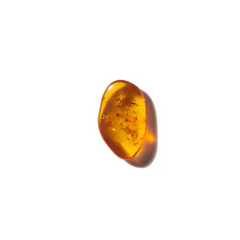
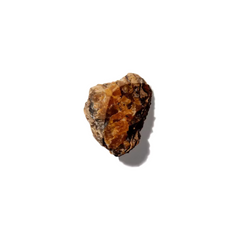
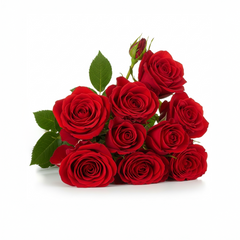
A balanced palisander accord blends 25-30% Palisander Rosewood, 20-25% Amber, 20-25% Rose, and 20-25% Benzoin. Palisander provides the woody-floral heart with linalool-driven creaminess. Amber adds warmth and resinous depth through compounds like ambrinol. Rose shares damascenone, creating a floral bridge that complements palisander's softness. Benzoin's vanillin content softens the accord, enhancing longevity and smoothing sharp edges, resulting in a rich, harmonious base.

30%

Palisander Rosewood

25–30% of blend

Provides the woody-floral heart with creamy linalool richness, anchoring the accord.

25%

Amber

20–25% of blend

Contributes warmth and resinous depth via ambrinol and related molecules.

25%

Rose

20–25% of blend

Shares damascenone with palisander, creating a seamless floral-woody bridge.

25%

Benzoin

20–25% of blend

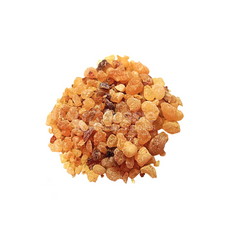
Softens the accord with vanillin, enhancing longevity and smoothing sharp notes.

The Olfactory Layers

How Palisander Evolves on Skin

Palisander's olfactory evolution unfolds over hours, with initial woody-floral linalool compounds providing a creamy, peachy top layer that gradually deepens. Mid-volatility molecules like benzoin and myrrh emerge in the heart, adding warmth and resinous facets. Base notes of cedar and patchouli offer long-lasting depth, with slow evaporation rates ensuring a sustained, velvety drydown that lingers for hours.

I
Top notes
0–15 min
Sweet Floral Lift

Initial impression features sweet, rosy-floral linalool compounds (C10H18O) that provide a clean, lifted floral aroma with subtle peachy undertones. These high-volatility molecules evaporate quickly, creating a fresh, creamy opening.

FloralCreamyPeachy
II
Heart notes
20–60 min
Warm Woody Depth

Mid-stage reveals woody warmth from benzoin (vanillin-rich) and myrrh resins, which add balsamic sweetness and complexity. These molecules have moderate volatility, sustaining the floral-woody balance and enriching the scent's texture.

WarmResinousBalsamic
III
Base notes
Several hours
Velvety Woodiness

The base features slow-evaporating cedar and patchouli compounds, providing a grounding, velvety woody foundation. These molecules ensure longevity and depth, leaving a soft, elegant trail.

WoodyVelvetyLong-lasting
TOP NOTES Sweet Floral Lift 0–15 minutes HEART NOTES Warm Woody Depth 20–60 minutes BASE NOTES Velvety Woodiness Several hours
Through the Ages

The Story of Palisander in Perfumery

Palisander's history in perfumery spans from traditional use of Brazilian rosewood in artisanal crafts to modern niche fragrances. Its essential oil became prized in the 20th century, leading to overharvesting and CITES protection. Contemporary perfumers have adapted by blending natural and synthetic elements, maintaining palisander's legacy in fine fragrance.

Early 20th Century

Rise of Palisander Oil in Perfumery

Aniba rosaeodora oil gained popularity for its rich linalool content, becoming a staple in floral-woody compositions.

1970s

Overharvesting and Conservation

Dalbergia nigra faced severe depletion due to demand for wood and oil, prompting conservation efforts.

1992

CITES Appendix I Listing

Brazilian rosewood (Dalbergia nigra) was listed under CITES Appendix I, restricting international trade.

2001

Launch of Comme des Garçons Palisander

Fragrance by Françoise Caron, Bertrand Duchaufour, and Yann Vasnier showcased palisander as a dominant woody-spicy note.

2015

Aedes de Venustas Palissandre d'Or Release

Alberto Morillas created a creamy, spicy rosewood fragrance highlighting palisander's versatility.

2023

Guerlain Aqua Allegoria Forte Rosa Palissandro

Delphine Jelk emphasized palisander's floral-woody facets in a fresh, modern composition.

The Art of Layering

How to Layer Palisander

Understanding how to layer palisander involves molecular compatibility with complementary notes to enhance its woody-floral character. Layering palisander with amber or benzoin introduces vanillin and ambrinol compounds that synergize with linalool, enriching warmth and longevity. Combining with rose leverages shared damascenone molecules, creating a seamless floral-woody bridge. Citrus notes can brighten palisander's richness through olfactory masking, balancing its creamy depth with fresh vibrancy.

01

Enhance Sweetness

Layer palisander with vanilla or benzoin to introduce vanillin, which softens sharp edges and adds creamy sweetness, as seen in Guerlain's Aqua Allegoria Forte Rosa Palissandro.

02

Add Depth

Pair with amber or myrrh to incorporate resinous molecules like ambrinol, deepening warmth and extending longevity, exemplified by Aedes de Venustas Palissandre d'Or.

03

Lighten the Glow

Combine palisander with citrus notes such as bergamot or lemon to brighten its woody base through olfactory masking, balancing richness with freshness.

Wear It Right

How to Wear Palisander Like a Pro

Seasonal Guide

Fall & Winter

Cooler temperatures slow evaporation, enhancing palisander's rich, creamy woody base. Apply more liberally for stronger sillage and lasting warmth.

Spring

Moderate warmth balances floral and woody facets. Layer with fresh citrus or green notes for a vibrant, balanced scent.

Summer

Heat increases volatility, emphasizing lighter floral and fresh aspects. Use lighter concentrations or pair with citrus to avoid overwhelming richness.

Year-Round Tip

Adjust application based on climate; layering with complementary notes can modulate intensity and enhance longevity.

Application Points

Strategic application of palisander fragrances maximizes scent evolution and projection.

1

Neck

Pulse points like the neck generate heat, accelerating evaporation of top and heart notes for immediate scent impact.

2

Behind the Ears

Warm pulse points here help diffuse the woody-floral facets subtly throughout the day.

3

Inner Wrists

Allows for scent release with natural movement, highlighting palisander's creamy and warm notes.

4

Hair

Hair fibers retain fragrance longer, providing a soft, lingering trail of palisander's complex aroma.

★

Pro Tip

Layer palisander with complementary citrus or amber notes on clothing for extended scent longevity without skin irritation.

Mood Architecture™

Top Palisander Fragrances by Mood Score

These Palisander-based fragrances scored highest on the MEI™ Mood Architecture Framework — measuring how a scent may influence your emotional state.

Highest MEI Score
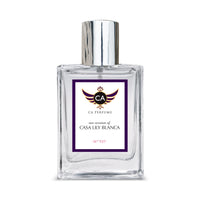
Casa Lily Blanca — Casablanca Lily Alternative Perfume
5.3
MEI™
Primary Serene
Secondary Romantic
Confidence
4.73
Presence
5.08
Mood Lift
6.12
Identity
4.95
Warmth
6.2
Social Ease
5.22
Energy
2.52
" I am at peace.
View full mood profile →
HumanSafe™

Top Palisander Fragrances by HumanSafe™ Score

These Palisander-based fragrances have the highest product-level HumanSafe™ scores in this ingredient collection.

Highest HumanSafe™ Score
Casa Lily Blanca — Casablanca Lily Alternative Perfume
A-
HumanSafe™ Score Generally Safe
Safest Evaluated Ingredients EDP
AQUA Solvent / Carrier ISS 10.0
1,4-DIOXACYCLOHEPTADECANE-5,17-DIONE Evaluated ingredient ISS 10.0
BENZYL SALICYLATE Evaluated ingredient ISS 9.0
AMBERKETAL Evaluated ingredient ISS 8.0
3-DECEN-5-OL, 4-METHYL- Evaluated ingredient ISS 8.0
2H-1-BENZOPYRAN-2-ONE Evaluated ingredient ISS 8.0
View full safety profile →
Expert Voices

What Masters Say About Palisander

“
Palisander rosewood oil functions as a sweet-woody heart note bridging florals and woods, providing natural linalool with a woody context. Its scarcity has driven substitution with synthetic linalool or ho wood oil.
CA Perfume Editorial
“
Palisander perfectly conjures up a hot opening of cinnamon and clove, though neither are present; this is due to the combination of saffron and spiced pepper notes, with myrrh sweetening and rosewood forming the base.
Françoise Caron & Yann Vasnier, perfumers of Comme des Garçons Palisander
Common Questions

Frequently Asked Questions

Answers to common questions about palisander in perfumery.

Palisander in perfume smells warm, woody, and floral, dominated by linalool which imparts a creamy, slightly peachy floral-woody aroma. It is often described as velvety with subtle balsamic undertones. Notable uses include Comme des Garçons Palisander and Guerlain Aqua Allegoria Forte Rosa Palissandro.

Palisander is primarily used as a base note in perfumery. Its medium volatility and rich woody-floral character provide a lasting foundation that supports and enhances the heart and top notes.

Palisander's complex scent profile, combining creamy floral linalool with warm woody depth, makes it a versatile and sophisticated ingredient. Its rarity and nuanced aroma appeal to niche perfumers seeking unique, elegant bases.

Palisander fragrance uses often include pairing with amber, benzoin, rose, sandalwood, myrrh, and spices like saffron. These combinations enhance its warmth, floral nuances, and longevity.

Yes, palisander can be used in lighter compositions suitable for summer. Its warm woodiness pairs well with fresh citrus or green notes to maintain balance without overwhelming in heat.

Fragrances featuring palisander typically last 5 to 6 hours on skin, supported by its base note properties and fixative effects.

Absolutely. How to layer palisander includes combining it with sweet vanilla, spicy amber, or fresh citrus to enhance its warmth, balance its richness, and create unique scent signatures.

Beginner-friendly palisander perfumes include Guerlain Aqua Allegoria Forte Rosa Palissandro and Byredo Casablanca Lily, which showcase palisander's floral-woody facets in accessible compositions.

Selecting the right palisander fragrance involves considering desired scent intensity, complementary notes, and occasion. CA Perfume offers a curated range verified for quality and transparency through the HumanSafe™ platform.

Palisander exhibits a sweet, creamy floral-woody scent with subtle spicy undertones from associated notes like saffron and pepper, creating a warm, complex aroma.

Woody Oriental Collection

Explore Our Top Palisander Fragrances

Discover a curated selection of fragrances featuring palisander's warm woody floral character, perfect for those seeking depth and elegance.

Shop all palisander fragrances at CA Perfume →

Where Palisander Comes From — Origin & Extraction

Palisander rosewood in perfumery primarily refers to Dalbergia nigra (Brazilian rosewood) and Aniba rosaeodora (bois de rose). Dalbergia nigra is native to Brazil, while Aniba rosaeodora is found in the Amazon basin. Due to overharvesting, Dalbergia nigra is listed under CITES Appendix I, severely restricting trade and making natural extraction nearly banned. Sustainable plantation sources of Aniba rosaeodora exist but remain limited. Extraction of palisander essential oil is conducted via steam distillation of heartwood chips or bark shavings, with an oil yield of approximately 0.7-1.2%. The process requires careful temperature control to preserve the delicate linalool-rich profile. The oil is prized for its sweet, rosy-woody aroma with creamy undertones. Brazil dominates production, with Mexico and India also contributing smaller quantities of palisander wood used in perfumery and craftsmanship. The rarity and low yield of palisander oil contribute to its high cost, ranging from $3,000 to $6,000 per kilogram for natural absolute. Synthetic alternatives, including lab-produced linalool (CAS 78-70-6) and ho wood oil (Cinnamomum camphora ct. linalool), offer consistent and more affordable options, priced between $50 and $200 per kilogram. These synthetics help alleviate pressure on natural resources while maintaining the characteristic scent profile.

Famous Fragrances That Define Palisander in Perfumery

Palisander rosewood has been a defining note in several landmark fragrances, showcasing its versatility as a warm, woody, and floral base note. Comme des Garçons Palisander (2001), crafted by perfumers Françoise Caron, Bertrand Duchaufour, and Yann Vasnier, uses palisander as a dominant woody-spicy foundation, complemented by saffron, myrrh, and red cedar. This fragrance exemplifies the note's ability to evoke aged, polished wood with spicy warmth. Guerlain's Aqua Allegoria Forte Rosa Palissandro (2023), by Delphine Jelk, highlights palisander's floral-woody facets, pairing it with coriander, lemon, and damask rose to create a fresh yet grounded composition. Aedes de Venustas Palissandre d'Or (2015), by Alberto Morillas, features a creamy, milky rosewood accord enriched with spices like pink pepper, nutmeg, and cinnamon, supported by a complex cedar blend. Other notable fragrances include Byredo's Casablanca Lily (2019), Xerjoff's Alexandria II and III, and Dior's Oud Rosewood (2017). These fragrances demonstrate palisander's role as a bridge between floral, woody, and spicy accords, contributing to rich, elegant scent profiles. CA Perfume's collection honors this lineage by incorporating palisander in accords that balance tradition and modernity.

Natural vs Synthetic Palisander in Perfumery

Natural palisander rosewood oil is valued for its complex, evolving scent profile dominated by linalool (75-95%), which provides a creamy, floral-woody character with subtle peachy undertones. However, natural extraction is limited by CITES restrictions due to overharvesting of Dalbergia nigra, making it scarce and expensive ($3,000–6,000/kg). Synthetic substitutes, primarily synthetic linalool (CAS 78-70-6) and ho wood oil (Cinnamomum camphora ct. linalool), offer stable, consistent aroma profiles at a fraction of the cost ($50–200/kg). These synthetics provide greater longevity and diffusion in fragrance compositions and are widely used in modern perfumery to ensure supply stability and sustainability. Famous fragrances like Comme des Garçons Palisander blend natural and synthetic elements to balance authenticity with performance. The HumanSafe™ platform emphasizes transparency in sourcing and formulation, ensuring ethical and safe use of both natural and synthetic palisander ingredients in CA Perfume's collections.