Where Agarwood (Oud) Comes From — Origin & Extraction
Agarwood (oud) is derived from the heartwood of Aquilaria species (notably Aquilaria malaccensis, A. crassna, and A. sinensis), native to Southeast Asia. The resin forms only when the tree is infected by specific fungi (e.g., Phaeoacremonium parasitica), triggering a defense response that can take decades. Major producing countries include India (Assam region), Vietnam, Cambodia, Laos, Malaysia, and Indonesia. Assam, India, and the Mekong region (Vietnam, Cambodia, Laos) are renowned for high-grade oud, with wild agarwood now rare due to overharvesting. Global production is estimated at less than 1,000 metric tons per year, with wild agarwood accounting for under 10% of the market.
Extraction involves harvesting resinous wood, which is chipped and then subjected to hydro-distillation or steam distillation at 90–110°C for up to 72 hours. The yield is extremely low: 1 kg of high-resin agarwood may produce only 1–2 ml of oud oil. Solvent extraction is used for absolute, but hydro-distillation is preferred for traditional attars. Synthetic oud is produced via aroma chemicals, bypassing the need for natural resin. Natural oud oil can cost $3,000–80,000 per kg, while synthetic substitutes range from $100–500 per kg. Sustainability is a critical concern: CITES regulations now protect wild Aquilaria, and most legal oud comes from plantation-grown, artificially inoculated trees. Leading sustainable producers include Vietnam and Malaysia, where plantation oud accounts for 80–90% of exports.
Famous Fragrances That Define Agarwood (Oud) in Perfumery
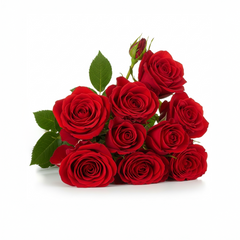
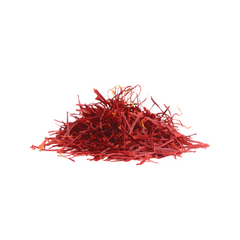
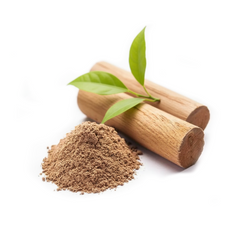
Agarwood (oud) has defined entire genres in modern perfumery. Yves Saint Laurent M7 (2002, Jacques Cavallier) is widely credited as the first mainstream Western fragrance to feature oud as a central note, blending it with mandarin and amber for a groundbreaking woody-oriental structure. Montale Black Aoud (2006, Pierre Montale) pairs oud with rose and patchouli, exemplifying the classic Middle Eastern oud-rose accord. Maison Francis Kurkdjian Oud (2012, Francis Kurkdjian) showcases a transparent, modern oud with saffron and cedar. Tom Ford Oud Wood (2007, Richard Herpin) introduced a smooth, Westernized oud accord, using synthetic oud molecules for a wearable, versatile profile. Amouage Epic Man (2009, Randa Hammami) employs natural oud from Assam, India, as a bridge note between incense, myrrh, and spices, creating a rich, resinous base. These fragrances demonstrate the versatility of agarwood (oud) as a dominant note, bridge, or accent, often paired with rose, saffron, sandalwood, and amber. CA Perfume's oud collection draws inspiration from this lineage, offering both classic and contemporary interpretations.
Natural vs Synthetic Agarwood (Oud) in Perfumery
Natural oud oil contains over 367 identified compounds, dominated by sesquiterpenes (e.g., agarofurans, guaianes, eudesmanes) and chromones (notably 2-(2-phenylethyl)chromones). Synthetic oud is constructed using a handful of aroma chemicals, such as methyl cedryl ether (CAS 32388-55-9), isobutyl quinoline (CAS 135-88-6), and guaiacol derivatives (e.g., ethyl guaiacol, CAS 2785-89-9). While both natural and synthetic oud serve as base notes with long-lasting performance (natural: 12–24+ hours; synthetic: 8–12+ hours), the natural form evolves with greater complexity and depth due to its molecular diversity. Synthetic oud is more linear and stable, offering batch consistency and easier IFRA compliance.
Cost is a major differentiator: natural oud oil can exceed $10,000/kg for wild-sourced material, while synthetics are $100–500/kg. Most mass-market fragrances use synthetic oud for affordability and sustainability. Notable natural oud fragrances include Amouage Epic Man (2009, perfumer Randa Hammami) and Ensar Oud attars. Synthetic oud is used in Tom Ford Oud Wood (2007, perfumer Richard Herpin) and Versace Oud Noir (2013). Sustainability and supply chain transparency are increasingly important; CA Perfume references the HumanSafe™ platform to verify ethical sourcing and compliance for all oud-containing formulas.