Ingredient Guide · Woody Oriental
Woody Oriental Family · Perfumery Note

Agarwood (Oud)

The rare, smoky, and complex heart of luxury perfumery.

Agarwood (Oud) is a prized base note in perfumery, renowned for its smoky, animalic, and woody character. Its scent is driven by over 150 sesquiterpenes and chromones, with concentrations in perfume ranging from trace amounts to 2% in attars.

Agarwood (Oud)
Ingredient Profile

Agarwood (Oud)

Woody Oriental Family
Family Woody Oriental
Note Position Base Note
Usage Level 1–2%
Key Origins India (Assam), Vietnam (Quang Nam, Ha Tinh), Cambodia (Kampong Speu, Koh Kong)
Iconic In Yves Saint Laurent M7, Montale Black Aoud
The Ingredient

What does Agarwood (Oud) smell like and why is it so revered in perfumery?

Agarwood (Oud) is the resin-impregnated heartwood produced by Aquilaria trees in response to fungal infection, resulting in an aromatic profile that is among the most complex in perfumery. The scent of agarwood (oud) is defined by a dense matrix of sesquiterpenes (notably agarofurans, eudesmanes, guaianes) and chromone derivatives, which together yield a multifaceted aroma: smoky, woody, balsamic, with animalic, leathery, and sometimes sweet or medicinal undertones. Depending on the region and extraction, nuances can range from barnyard and earthy to green, minty, or even fruity. This molecular diversity is why 'what does agarwood (oud) smell like' is a perennial question among fragrance enthusiasts. In perfumery, agarwood (oud) is classified as a base note due to its high molecular weight (200–400 g/mol) and low volatility. It is typically used at concentrations of 0.1–2% in fine fragrance compositions, though traditional attars may contain higher percentages. Its fixative properties anchor lighter notes and extend the longevity of a fragrance. The ingredient interacts strongly with skin chemistry, with acidic skin often amplifying its animalic facets, while drier skin may mute its projection. 'Agarwood (oud) in perfumery' is synonymous with luxury and depth, and its presence can transform a composition from linear to multidimensional. Notable fragrances that exemplify the use of agarwood (oud) include Yves Saint Laurent M7 (2002, perfumer Jacques Cavallier), which introduced oud to Western designer perfumery, and Maison Francis Kurkdjian Oud (2012, perfumer Francis Kurkdjian), which showcases a modern, transparent oud accord. Montale Black Aoud (2006) is another benchmark, pairing oud with rose for a classic Middle Eastern structure.

1–2%
Typical maximum concentration of natural oud oil in fine fragrance formulas, ensuring both olfactory impact and IFRA compliance.
12–24+ Hours
Longevity of natural oud on skin, driven by high-molecular-weight sesquiterpenes and chromones. Synthetic oud lasts 8–12+ hours.
$3,000–80,000/kg
Market price range for natural oud oil, reflecting rarity, resin content, and region. Synthetic oud costs $100–500/kg.
Origin & Extraction

Where Agarwood (Oud) Comes From — Origin & Extraction

The scent character of agarwood (oud) is deeply influenced by geography, with soil, rainfall, and fungal strains shaping its complexity. High humidity and mineral-rich soils yield richer, denser resin.

Agarwood (oud) is derived from the heartwood of Aquilaria species (notably Aquilaria malaccensis, A. crassna, and A. sinensis), native to Southeast Asia. The resin forms only when the tree is infected by specific fungi (e.g., Phaeoacremonium parasitica), triggering a defense response that can take decades. Major producing countries include India (Assam region), Vietnam, Cambodia, Laos, Malaysia, and Indonesia. Assam, India, and the Mekong region (Vietnam, Cambodia, Laos) are renowned for high-grade oud, with wild agarwood now rare due to overharvesting. Global production is estimated at less than 1,000 metric tons per year, with wild agarwood accounting for under 10% of the market. Extraction involves harvesting resinous wood, which is chipped and then subjected to hydro-distillation or steam distillation at 90–110°C for up to 72 hours. The yield is extremely low: 1 kg of high-resin agarwood may produce only 1–2 ml of oud oil. Solvent extraction is used for absolute, but hydro-distillation is preferred for traditional attars. Synthetic oud is produced via aroma chemicals, bypassing the need for natural resin. Natural oud oil can cost $3,000–80,000 per kg, while synthetic substitutes range from $100–500 per kg. Sustainability is a critical concern: CITES regulations now protect wild Aquilaria, and most legal oud comes from plantation-grown, artificially inoculated trees. Leading sustainable producers include Vietnam and Malaysia, where plantation oud accounts for 80–90% of exports.

IN

India (Assam)

Assam’s Brahmaputra Valley produces oud with intensely animalic, leathery, and smoky facets due to high humidity, clay-rich soils, and traditional wild harvesting. Assam oud is prized for its depth and rarity, accounting for less than 10% of global production.

VN

Vietnam (Quang Nam, Ha Tinh)

Vietnamese oud is renowned for its balanced, slightly bitter, and herbal profile, shaped by limestone soils and monsoon climate. Modern plantations use artificial inoculation to ensure sustainability, with Vietnam supplying 20–30% of legal global oud.

KH

Cambodia (Kampong Speu, Koh Kong)

Cambodian oud is noted for its sweet, fruity, and resinous aroma, a result of sandy soils and tropical rainfall. The region’s traditional water distillation methods yield a softer, more rounded oud oil.

MY

Malaysia (Terengganu, Johor)

Malaysian oud is spicy, resinous, and slightly medicinal, reflecting the region’s acidic soils and high rainfall. Malaysia is a leader in plantation oud, with strict CITES compliance and large-scale artificial inoculation.

Chemistry

Natural vs Synthetic Agarwood (Oud) in Perfumery

Natural oud oil contains over 367 identified compounds, dominated by sesquiterpenes (e.g., agarofurans, guaianes, eudesmanes) and chromones (notably 2-(2-phenylethyl)chromones). Synthetic oud is constructed using a handful of aroma chemicals, such as methyl cedryl ether (CAS 32388-55-9), isobutyl quinoline (CAS 135-88-6), and guaiacol derivatives (e.g., ethyl guaiacol, CAS 2785-89-9). While both natural and synthetic oud serve as base notes with long-lasting performance (natural: 12–24+ hours; synthetic: 8–12+ hours), the natural form evolves with greater complexity and depth due to its molecular diversity. Synthetic oud is more linear and stable, offering batch consistency and easier IFRA compliance. Cost is a major differentiator: natural oud oil can exceed $10,000/kg for wild-sourced material, while synthetics are $100–500/kg. Most mass-market fragrances use synthetic oud for affordability and sustainability. Notable natural oud fragrances include Amouage Epic Man (2009, perfumer Randa Hammami) and Ensar Oud attars. Synthetic oud is used in Tom Ford Oud Wood (2007, perfumer Richard Herpin) and Versace Oud Noir (2013). Sustainability and supply chain transparency are increasingly important; CA Perfume references the HumanSafe™ platform to verify ethical sourcing and compliance for all oud-containing formulas.

Natural
Agarwood (Oud) Absolute
Cost $3,000–6,000/kg
Method Solvent / CO₂
Character Complex, variable
vs
Synthetic
Safranal & Analogues
Cost $50–200/kg
Method Lab synthesis
Character Consistent, stable
Hall of Fame

Famous Fragrances That Define Agarwood (Oud) in Perfumery

2002
dominant note

Yves Saint Laurent M7

Yves Saint Laurent
by Jacques Cavallier
mandarinambermyrrh
2006
dominant note

Montale Black Aoud

Montale
by Pierre Montale
rosepatchoulimusk
2012
dominant note

Maison Francis Kurkdjian Oud

Maison Francis Kurkdjian
by Francis Kurkdjian
saffroncedarpatchouli
2007
accent

Tom Ford Oud Wood

Tom Ford
by Richard Herpin
sandalwoodvetivertonka bean
2009
bridge note

Amouage Epic Man

Amouage
by Randa Hammami
incensemyrrhspices

Agarwood (oud) has defined entire genres in modern perfumery. Yves Saint Laurent M7 (2002, Jacques Cavallier) is widely credited as the first mainstream Western fragrance to feature oud as a central note, blending it with mandarin and amber for a groundbreaking woody-oriental structure. Montale Black Aoud (2006, Pierre Montale) pairs oud with rose and patchouli, exemplifying the classic Middle Eastern oud-rose accord. Maison Francis Kurkdjian Oud (2012, Francis Kurkdjian) showcases a transparent, modern oud with saffron and cedar. Tom Ford Oud Wood (2007, Richard Herpin) introduced a smooth, Westernized oud accord, using synthetic oud molecules for a wearable, versatile profile. Amouage Epic Man (2009, Randa Hammami) employs natural oud from Assam, India, as a bridge note between incense, myrrh, and spices, creating a rich, resinous base. These fragrances demonstrate the versatility of agarwood (oud) as a dominant note, bridge, or accent, often paired with rose, saffron, sandalwood, and amber. CA Perfume's oud collection draws inspiration from this lineage, offering both classic and contemporary interpretations.

The Accord

How is a captivating Agarwood (Oud) accord crafted?

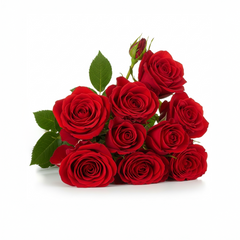
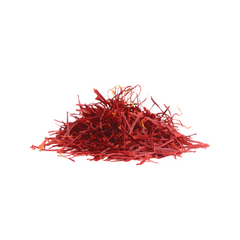
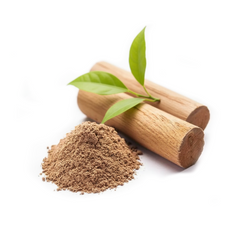
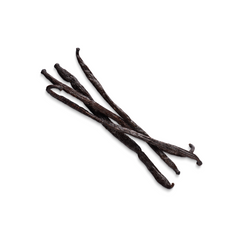
A classic oud accord balances the resinous, smoky facets of agarwood with floral, spicy, and creamy notes. Typical proportions: Oud 25–30%, Rose 20–25%, Saffron 20–25%, Sandalwood 25–30%. Rose introduces damascenone for a molecular bridge, saffron adds metallic warmth via safranal, and sandalwood's santalol softens oud's animalic edges.

30%

Agarwood (Oud)

25–30% of blend

Provides the core smoky, resinous, and animalic character through sesquiterpenes and chromones; essential for depth and longevity.

25%

Rose

20–25% of blend

Damascenone and phenylethyl alcohol in rose create a molecular bridge, softening oud’s harsher facets and enhancing floralcy.

25%

Saffron

20–25% of blend

Safranal and picrocrocin in saffron introduce a metallic, leathery warmth that amplifies oud’s spicy undertones.

30%

Sandalwood

25–30% of blend

Santalol molecules in sandalwood provide a creamy, woody base, rounding out oud’s sharpness and increasing smoothness and wearability.

The Olfactory Layers

How Agarwood (Oud) Evolves on Skin

Agarwood (oud) fragrances evolve slowly, with top notes fading quickly and the base persisting for hours. The high molecular weight of oud compounds ensures a gradual, complex drydown.

I
Top notes
0–15 min
Green Medicinal Opening

Initial impressions are often dominated by volatile terpenes and aldehydes, yielding a fleeting green, medicinal, or slightly citrusy aroma. These lighter molecules evaporate quickly, giving way to the denser heart.

greenmedicinalvolatile
II
Heart notes
20–60 min
Smoky Resinous Core

The heart reveals the core oud character: smoky, woody, and animalic, driven by sesquiterpenes (agarofurans, guaianes) and chromones. This stage is rich, evolving, and can include floral or spicy nuances depending on the blend.

smokywoodyanimalic
III
Base notes
Several hours
Leathery Balsamic Drydown

The base is dominated by high-molecular-weight chromones and residual sesquiterpenes, producing a deep, resinous, leathery, and balsamic trail that can linger for 12–24+ hours on skin and fabric.

resinousleatherybalsamic
TOP NOTES Green Medicinal Opening 0–15 minutes HEART NOTES Smoky Resinous Core 20–60 minutes BASE NOTES Leathery Balsamic Drydown Several hours
Through the Ages

The Story of Agarwood (Oud) in Perfumery

Agarwood (oud) has a documented history spanning over 3,000 years, from ancient ritual incense to modern niche perfumery.

2000 BCE

First Recorded Use in Ancient India

Agarwood is mentioned as 'gahuru' in Sanskrit texts, used in Ayurvedic medicine and religious rituals. Its spiritual significance is documented in the Vedas and later Buddhist texts.

3rd Century CE

Spread to China and Southeast Asia

Agarwood trade expands along the Silk Road, with references in Chinese medical and perfumery manuscripts. The Wu dynasty records its use in funerary and palace rituals.

8th Century

Integration into Islamic and Middle Eastern Culture

Oud becomes central to Islamic rituals and daily life, with mentions in Hadiths and by travelers such as Ibn Battuta. The Arabian Peninsula develops a tradition of burning oud chips (bakhoor).

15th Century

Rise as a Global Luxury Commodity

Oud, known as 'black gold,' is traded extensively across Asia and the Middle East, valued for both its scent and medicinal properties. European explorers document its use and high value.

2002–Present

Modern Perfumery and Niche Renaissance

Yves Saint Laurent M7 (2002) introduces oud to Western designer perfumery, sparking a global trend. Niche brands and sustainable plantations emerge, with oud now a staple in luxury compositions.

The Art of Layering

How to Layer Agarwood (Oud)

Understanding how to layer agarwood (oud) is key to customizing its scent profile. 'How to layer agarwood (oud)' involves pairing it with notes that share molecular affinities or provide olfactory contrast.

01

Enhance Sweetness

Layering oud with vanilla or tonka bean introduces vanillin and coumarin, which mask oud’s sharper animalic facets through olfactory blending. This combination is exemplified in Guerlain Santal Royal, where vanilla softens oud’s intensity.

02

Add Floral Dimension

Pairing oud with rose (damascenone-rich) creates a molecular bridge, yielding a classic Middle Eastern accord. Montale Black Aoud and Maison Francis Kurkdjian Oud Satin Mood both demonstrate the synergy between oud and rose.

03

Brighten with Citrus

Citrus notes (bergamot, bitter orange) introduce high-volatility molecules that contrast oud’s density, providing a fresh opening and moderating projection. Tom Ford Oud Fleur uses bergamot to lift the composition.

Wear It Right

How to Wear Agarwood (Oud) Like a Pro

Seasonal Guide

Fall & Winter

Cool temperatures slow the evaporation of oud’s heavy molecules, enhancing longevity and depth. Apply to pulse points and under clothing for a persistent, enveloping scent. Oud’s smoky, resinous facets are especially suited to cold air.

Spring

Moderate warmth brings out oud’s woody and balsamic aspects. Layer with florals or citrus to lighten the profile. Apply sparingly to avoid overwhelming projection as temperatures rise.

Summer

High heat increases volatility, causing oud to project more intensely but potentially shortening longevity. Use minimal application, focusing on cooler body areas. Pair with citrus or aquatic notes for balance.

Year-Round Tip

Adjust application and layering based on climate and occasion. In humid environments, oud’s diffusion is amplified; in dry climates, it may become more subdued and leathery.

Application Points

Strategic application of agarwood (oud) maximizes its longevity and olfactory evolution.

1

Neck

Pulse points on the neck generate heat, accelerating the transition from top to base notes. Oud’s heavier molecules linger, ensuring a persistent scent trail.

2

Behind the Ears

This area retains warmth and is less exposed to air, allowing oud’s animalic and balsamic notes to evolve gradually.

3

Inner Wrists

Frequent movement and warmth enhance projection. Oud’s complex evolution is most noticeable here, but avoid rubbing to preserve molecular integrity.

4

Hair

Hair fibers trap scent molecules, providing a slow, sustained release of oud’s woody and resinous facets. Use a light touch to avoid buildup.

Pro Tip

Layer oud on moisturized skin to increase longevity. For attars, a single drop on the collarbone or beard (for men) provides all-day presence.

Mood Architecture™

Top Agarwood (Oud) Fragrances by Mood Score

These Agarwood (Oud)-based fragrances scored highest on the MEI™ Mood Architecture Framework — measuring how a scent may influence your emotional state.

Highest MEI Score
Eau De Nuit Oud — Giorgio Armani Eau De Nuit Oud Alternative Cologne
8.8
MEI™
Primary Romantic
Secondary Confident
Confidence
9.08
Presence
9.32
Mood Lift
9.09
Identity
9.5
Warmth
9.5
Social Ease
7.92
Energy
3.3
" I am beautiful.
View full mood profile →
Alexandria II — Xerjoff Alexandria II Alternative Perfume
8.87
MEI™
Primary Confident
Secondary Romantic
Confidence
8.92
Presence
9.25
Mood Lift
8.91
Identity
9.23
Warmth
9.5
Social Ease
8.67
Energy
4.5
" I am unstoppable.
View full mood profile →
Extraordinaire Precious Oud — Collection Extraordinaire Precious Oud Alternative Perfume
8.42
MEI™
Primary Magnetic
Secondary Confident
Confidence
8.43
Presence
9.48
Mood Lift
9.24
Identity
9.21
Warmth
9.17
Social Ease
7.03
Energy
2.5
" I am bold.
View full mood profile →
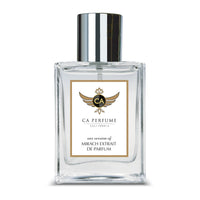
Mirach Extrait De Parfum— Mirach Extrait De Parfum Alternative Perfume
8.28
MEI™
Primary Romantic
Secondary Confident
Confidence
8.18
Presence
8.65
Mood Lift
8.33
Identity
8.85
Warmth
9.5
Social Ease
7.87
Energy
3.5
" I am beautiful.
View full mood profile →
HumanSafe™

Top Agarwood (Oud) Fragrances by HumanSafe™ Score

These Agarwood (Oud)-based fragrances have the highest product-level HumanSafe™ scores in this ingredient collection.

Highest HumanSafe™ Score
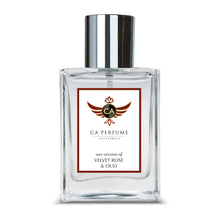
Velvet Rose & Oud — Jo Malone Alternative Cologne
A-
HumanSafe™ Score Generally Safe
Safest Evaluated Ingredients EDP
AQUA Solvent / Carrier ISS 10.0
BENZYL SALICYLATE Evaluated ingredient ISS 9.0
3-BUTEN-2-ONE, 3-METHYL-4-(2,6,6-TRIMETHYL-2- Evaluated ingredient ISS 8.0
LINALYL ACETATE Evaluated ingredient ISS 7.0
LINALOOL Evaluated ingredient ISS 7.0
View full safety profile →
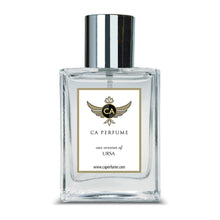
Ursa — Tiziana Terenzi Ursa Alternative Perfume
A-
HumanSafe™ Score Generally Safe
Safest Evaluated Ingredients EDP
AQUA Solvent / Carrier ISS 10.0
1,4-DIOXACYCLOHEPTADECANE-5,17-DIONE Evaluated ingredient ISS 10.0
3-BUTEN-2-ONE, 3-METHYL-4-(2,6,6-TRIMETHYL-2- Evaluated ingredient ISS 8.0
CYCLOHEXANEPROPANOL, 2,2,6-TRIMETHYL-.ALPHA.-PROPYL- Evaluated ingredient ISS 7.0
CEDROL Evaluated ingredient ISS 7.0
ALPHA-CEDRENE Evaluated ingredient ISS 7.0
View full safety profile →
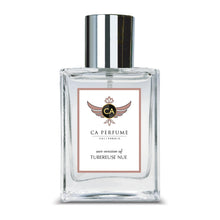
Tubereuse Nue — Tubéreuse Nue Alternative Perfume
A-
HumanSafe™ Score Generally Safe
Safest Evaluated Ingredients EDP
AQUA Solvent / Carrier ISS 10.0
ACETIC ACID, PHENYLMETHYL ESTER Evaluated ingredient ISS 10.0
1,4-DIOXACYCLOHEPTADECANE-5,17-DIONE Evaluated ingredient ISS 10.0
BENZYL SALICYLATE Evaluated ingredient ISS 9.0
BENZOIC ACID, 2-AMINO-, METHYL ESTER Evaluated ingredient ISS 9.0
View full safety profile →
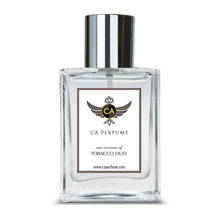
Tobacco Oud — Tom Ford Tobacco Oud Alternative Perfume
A-
HumanSafe™ Score Generally Safe
Safest Evaluated Ingredients EDP
AQUA Solvent / Carrier ISS 10.0
AMBROXID Evaluated ingredient ISS 10.0
1H-BENZOCYCLOHEPTENE, 2,4A,5,6,7,8-HEXAHYDRO- Evaluated ingredient ISS 9.0
1H-3A,7-METHANOAZULEN-6-OL, OCTAHYDRO-3,6,8,8- Evaluated ingredient ISS 9.0
1,6,10-DODECATRIEN-3-OL, 3,7,11-TRIMETHYL- Evaluated ingredient ISS 8.0
LINALOOL Evaluated ingredient ISS 7.0
View full safety profile →
Expert Voices

What Masters Say About Agarwood (Oud)

Real, pure oud oil is very complex, very deep, very spiritual and even on its own, it's a complete scent that has aspects of development just like a purpose-built perfume. It can start green and minty, develop some fruitiness and then become very woody.
wesleyhclark, Fragrantica Club
Agarwood (oud) is defined by its molecular diversity—over 150 sesquiterpenes and chromones create a scent that is smoky, animalic, and resinous, evolving for hours on the skin.
CA Perfume Editorial
Common Questions

Frequently Asked Questions

Frequently asked questions about agarwood (oud) in perfumery.

Agarwood (oud) in perfume is smoky, woody, and animalic, with resinous and balsamic undertones. Its scent can range from leathery and earthy to sweet or medicinal, depending on origin and extraction. The complexity arises from over 150 sesquiterpenes and chromones, which evolve from a sharp, green opening to a deep, resinous drydown. Notable fragrances like Yves Saint Laurent M7 and Montale Black Aoud showcase these facets.

Agarwood (oud) is classified as a base note due to its high molecular weight (200–400 g/mol) and low volatility. It anchors the fragrance, providing longevity and depth, and is typically used at concentrations of 0.1–2% in fine fragrance compositions.

Agarwood (oud) is prized in niche perfumery for its molecular complexity, rarity, and ability to transform a composition. Its evolving scent profile—smoky, animalic, resinous—adds depth and intrigue. Niche brands value oud for its cultural significance and the unique signature it imparts, as seen in fragrances like Maison Francis Kurkdjian Oud and Amouage Epic Man.

Rose, saffron, sandalwood, vanilla, patchouli, and amber are classic pairings with agarwood (oud). These notes interact at a molecular level—damascenone in rose, safranal in saffron, and santalol in sandalwood create bridges that soften oud’s intensity and enhance its complexity. 'Agarwood (oud) fragrance uses' often center on these combinations.

Agarwood (oud) can be worn in summer, but its projection and longevity increase with heat due to higher molecular volatility. Apply sparingly and consider layering with citrus or aquatic notes to lighten the profile. In humid climates, oud’s diffusion is amplified, so minimal application is advised.

Natural oud fragrances can last 12–24+ hours on skin, thanks to high-molecular-weight sesquiterpenes and chromones. Synthetic oud lasts 8–12+ hours. Longevity is influenced by concentration, skin chemistry, and environmental conditions.

Yes, agarwood (oud) is highly layerable. It pairs well with florals (rose, jasmine), spices (saffron), and gourmand notes (vanilla, tonka bean). Layering allows customization of projection and evolution. Apply oud first as a base, then add lighter notes on top for a balanced, multidimensional scent.

Tom Ford Oud Wood, Versace Oud Noir, and Montale Black Aoud are accessible entry points, using synthetic oud for a smoother, more wearable profile. These fragrances balance oud with sandalwood, vanilla, or rose, making them suitable for those new to the note.

Consider your preferred oud profile—smoky, sweet, leathery, or floral. CA Perfume offers a range of oud-based scents, from classic Middle Eastern accords to modern, Westernized interpretations. Sampling is recommended to find the oud character that best suits your taste and skin chemistry.

Agarwood (oud) is primarily smoky, woody, and animalic, but its profile can vary. Some regional ouds are cleaner and more herbal, while others are intensely smoky, leathery, or even barnyard-like. The scent depends on origin, extraction, and blending.

Woody Oriental Collection

Explore Our Top Agarwood (Oud) Fragrances

Discover CA Perfume's curated oud collection, featuring both classic and modern interpretations of this prized note.

Shop all agarwood (oud) fragrances at CA Perfume →

Where Agarwood (Oud) Comes From — Origin & Extraction

Agarwood (oud) is derived from the heartwood of Aquilaria species (notably Aquilaria malaccensis, A. crassna, and A. sinensis), native to Southeast Asia. The resin forms only when the tree is infected by specific fungi (e.g., Phaeoacremonium parasitica), triggering a defense response that can take decades. Major producing countries include India (Assam region), Vietnam, Cambodia, Laos, Malaysia, and Indonesia. Assam, India, and the Mekong region (Vietnam, Cambodia, Laos) are renowned for high-grade oud, with wild agarwood now rare due to overharvesting. Global production is estimated at less than 1,000 metric tons per year, with wild agarwood accounting for under 10% of the market. Extraction involves harvesting resinous wood, which is chipped and then subjected to hydro-distillation or steam distillation at 90–110°C for up to 72 hours. The yield is extremely low: 1 kg of high-resin agarwood may produce only 1–2 ml of oud oil. Solvent extraction is used for absolute, but hydro-distillation is preferred for traditional attars. Synthetic oud is produced via aroma chemicals, bypassing the need for natural resin. Natural oud oil can cost $3,000–80,000 per kg, while synthetic substitutes range from $100–500 per kg. Sustainability is a critical concern: CITES regulations now protect wild Aquilaria, and most legal oud comes from plantation-grown, artificially inoculated trees. Leading sustainable producers include Vietnam and Malaysia, where plantation oud accounts for 80–90% of exports.

Famous Fragrances That Define Agarwood (Oud) in Perfumery

Agarwood (oud) has defined entire genres in modern perfumery. Yves Saint Laurent M7 (2002, Jacques Cavallier) is widely credited as the first mainstream Western fragrance to feature oud as a central note, blending it with mandarin and amber for a groundbreaking woody-oriental structure. Montale Black Aoud (2006, Pierre Montale) pairs oud with rose and patchouli, exemplifying the classic Middle Eastern oud-rose accord. Maison Francis Kurkdjian Oud (2012, Francis Kurkdjian) showcases a transparent, modern oud with saffron and cedar. Tom Ford Oud Wood (2007, Richard Herpin) introduced a smooth, Westernized oud accord, using synthetic oud molecules for a wearable, versatile profile. Amouage Epic Man (2009, Randa Hammami) employs natural oud from Assam, India, as a bridge note between incense, myrrh, and spices, creating a rich, resinous base. These fragrances demonstrate the versatility of agarwood (oud) as a dominant note, bridge, or accent, often paired with rose, saffron, sandalwood, and amber. CA Perfume's oud collection draws inspiration from this lineage, offering both classic and contemporary interpretations.

Natural vs Synthetic Agarwood (Oud) in Perfumery

Natural oud oil contains over 367 identified compounds, dominated by sesquiterpenes (e.g., agarofurans, guaianes, eudesmanes) and chromones (notably 2-(2-phenylethyl)chromones). Synthetic oud is constructed using a handful of aroma chemicals, such as methyl cedryl ether (CAS 32388-55-9), isobutyl quinoline (CAS 135-88-6), and guaiacol derivatives (e.g., ethyl guaiacol, CAS 2785-89-9). While both natural and synthetic oud serve as base notes with long-lasting performance (natural: 12–24+ hours; synthetic: 8–12+ hours), the natural form evolves with greater complexity and depth due to its molecular diversity. Synthetic oud is more linear and stable, offering batch consistency and easier IFRA compliance. Cost is a major differentiator: natural oud oil can exceed $10,000/kg for wild-sourced material, while synthetics are $100–500/kg. Most mass-market fragrances use synthetic oud for affordability and sustainability. Notable natural oud fragrances include Amouage Epic Man (2009, perfumer Randa Hammami) and Ensar Oud attars. Synthetic oud is used in Tom Ford Oud Wood (2007, perfumer Richard Herpin) and Versace Oud Noir (2013). Sustainability and supply chain transparency are increasingly important; CA Perfume references the HumanSafe™ platform to verify ethical sourcing and compliance for all oud-containing formulas.