Ingredient Guide · Citrus
Citrus Family · Perfumery Note

Orange Peel

Bright, sweet, and zesty — the essence of citrus optimism.

In perfumery, orange peel is a quintessential top note, delivering an immediate burst of sweet, juicy brightness. Its defining molecule, D-limonene (90–97% of the oil), imparts a solar, approachable character.

Orange Peel
Ingredient Profile

Orange Peel

Citrus Family
Family Citrus
Note Position Top Note
Usage Level 90–97%
Key Origins Brazil, United States, Spain
Iconic In Orange Peel Cologne, Orange Sanguine
The Ingredient

What does Orange Peel smell like and why is it vital in perfumery?

Orange peel, derived from Citrus sinensis, is characterized by its round, sweet, and solar scent profile. The dominant molecule, D-limonene (C₁₀H₁₆, CAS 8008-57-9), constitutes 90–97% of the essential oil, imparting a juicy, zesty aroma that is less acidic than lemon and less bitter than grapefruit. Minor components—octanal, decanal, linalool, and various esters—contribute subtle floral and waxy undertones, distinguishing orange peel from other citrus notes. The result is a scent that is immediately recognizable, bright, and uncomplicated, with a pulpy, sunlit quality and a clean, slightly waxy finish. This molecular composition defines the orange peel scent profile and answers the question, "what does orange peel smell like" in both technical and sensory terms. In perfumery, orange peel is classified strictly as a top note due to its high volatility. It is typically used at concentrations of 1–3% in eau de cologne and 0.5–1% in more complex structures. Its volatility means the note projects strongly at first application but fades within 15–30 minutes, making it ideal for creating an inviting opening. Orange peel in perfumery interacts with skin chemistry—body heat and moisture accelerate the evaporation of limonene, while individual skin pH can subtly shift the balance between sweet and bitter facets. The note is often stabilized with fixatives or paired with less volatile citrus or woody notes to extend its presence. Notable fragrances that exemplify orange peel’s role include Jo Malone London Orange Peel Cologne (2021), which offers a linear, photorealistic orange rind impression, and Tom Ford Taormina Orange (2026), where perfumer Anne Flipo balances green mandarin, blood orange, and bitter orange with a woody-mossy base. Atelier Cologne Orange Sanguine (2011, Ralf Schwieger) is another benchmark, blending blood orange and bitter orange for a juicy, naturalistic effect. These examples illustrate orange peel’s versatility and enduring appeal in modern perfumery.

90–97%
D-limonene content in orange peel oil, responsible for the dominant zesty, juicy aroma. This high concentration defines the ingredient’s volatility and photorealism.
1–2 Hours
Typical longevity of orange peel as a top note on skin, reflecting the rapid evaporation of monoterpenes. Longevity can be extended with fixatives or layering.
$8–20/kg
Average bulk price for natural orange peel oil, making it one of the most accessible perfumery ingredients. Synthetic D-limonene costs $4–8/kg but lacks nuanced complexity.
Origin & Extraction

Where Orange Peel Comes From — Origin & Extraction

The scent profile of orange peel is shaped by the terroir—soil, climate, and cultivation practices—of its origin. Warmer climates and mineral-rich soils yield sweeter, more aromatic oils with higher limonene content.

Orange peel used in perfumery is sourced primarily from Citrus sinensis, a species that originated as a hybrid between pomelo (Citrus maxima) and mandarin (Citrus reticulata) in Southeast Asia. Today, Brazil is the world’s largest producer, accounting for approximately 30% of global orange oil output, followed by the United States (notably Florida and California), Spain, and Italy. Annual global production of orange oil exceeds 60,000 metric tons, with Brazil alone processing over 20,000 metric tons per year. The extraction of orange peel oil is performed by cold expression (mechanical pressing) of the flavedo (colored outer layer) of ripe oranges. This process avoids heat, preserving the integrity of volatile compounds—especially D-limonene, which is highly sensitive to thermal degradation. The yield from cold expression is typically 3–5 mL of oil per kilogram of fresh peel, translating to a 0.3–0.5% yield by weight. Alternative methods such as hydro-distillation (Clevenger apparatus) are sometimes used for analytical purposes but are less common in commercial perfumery due to lower yields and potential alteration of the scent profile. Orange oil is relatively inexpensive compared to other essential oils, with bulk prices ranging from $8–20 per kg for standard grades and $30–50 per kg for high-purity, food-grade, or organic-certified oils. Synthetic D-limonene, produced via fractional distillation of turpentine or by chemical synthesis, can cost as little as $4–8 per kg, but lacks the nuanced complexity of natural orange peel oil. Sustainability considerations include the valorization of citrus processing byproducts—peels are often sourced from juice production, reducing waste. However, orange oil is prone to oxidation, requiring antioxidant additives and cold storage to maintain quality.

BR

Brazil

The São Paulo region is the world’s leading producer, accounting for over 30% of global orange oil. Deep, fertile soils and high solar exposure yield peels with elevated limonene and esters, producing a sweet, juicy aroma prized in perfumery.

US

United States

Florida and California are major sources, with sandy soils and subtropical climates. Florida oranges yield oil with a slightly greener, more acidic edge, while California’s drier conditions favor sweeter, more floral profiles. Combined, the US produces about 15% of global orange oil.

ES

Spain

Valencia is renowned for its aromatic, high-quality orange oil. Mediterranean climate and limestone-rich soils result in peels with a balanced, floral-citrus aroma and robust aldehyde content. Spain supplies approximately 10% of the world market.

IT

Italy

Sicily and Calabria produce boutique-grade orange oil, often organic-certified. Volcanic soils and coastal breezes yield peels with pronounced sweetness and subtle floral undertones, highly valued for niche perfumery.

Chemistry

Natural vs Synthetic Orange Peel in Perfumery

Natural orange peel oil is dominated by D-limonene (CAS 5989-27-5), but its characteristic scent depends on minor aldehydes (octanal, decanal), linalool, and esters. Synthetic orange notes are constructed using nature-identical D-limonene, octanal (CAS 124-13-0), decanal (CAS 112-31-2), and linalool (CAS 78-70-6), often supplemented with ethyl butyrate (CAS 105-54-4) for a juicy effect. While synthetic D-limonene is chemically identical to the natural molecule, the absence of trace aldehydes and esters results in a flatter, less nuanced aroma. Performance-wise, natural orange peel oil offers medium odor strength but limited longevity—typically 1–2 hours on skin, with rapid evaporation. Synthetic blends can be engineered for greater stability and projection, but may introduce a "cleaner-like" or overly linear effect. Cost is a significant differentiator: natural orange oil averages $8–20/kg, while synthetic D-limonene is $4–8/kg. High-purity natural isolates command higher prices. Notable fragrances using natural orange peel include Atelier Cologne Orange Sanguine (2011) and Jo Malone Orange Peel Cologne (2021); synthetic orange notes are common in mass-market colognes and functional fragrances. From a sustainability perspective, natural orange oil leverages citrus industry byproducts, reducing waste. Synthetic production offers consistency and supply security, but may rely on petrochemical feedstocks. The HumanSafe™ platform provides transparency on ingredient sourcing, allergen content, and IFRA compliance for both natural and synthetic orange peel derivatives. CA Perfume’s approach emphasizes traceability and safety, ensuring all orange peel notes are HumanSafe™ verified.

Natural
Orange Peel Absolute
Cost $3,000–6,000/kg
Method Solvent / CO₂
Character Complex, variable
vs
Synthetic
Safranal & Analogues
Cost $50–200/kg
Method Lab synthesis
Character Consistent, stable
Hall of Fame

Famous Fragrances That Define Orange Peel in Perfumery

2021
dominant note

Orange Peel Cologne

Jo Malone London
Cashmere Wood
2011
dominant note

Orange Sanguine

Atelier Cologne
by Ralf Schwieger
Blood OrangeBitter OrangeSandalwoodTonka Bean
2026
dominant note

Taormina Orange

Tom Ford
by Anne Flipo
Green MandarinBlood OrangeBitter OrangeOrange BlossomOakmossPatchouli
2020
bridge note

Aqua Allegoria Orange Soleia

Guerlain
PetitgrainBergamotMusk
2015
dominant note

Verde d'Arancia

Monotheme Fine Fragrances Venezia
NeroliPetitgrainCedarwood

Orange peel has played a foundational role in both classic and contemporary perfumery, serving as a top note in colognes, citrus-floral blends, and modern niche compositions. Jo Malone London Orange Peel Cologne (2021) exemplifies a photorealistic, linear orange rind, with the note acting as the dominant opening and paired with cashmere wood for a soft drydown. Atelier Cologne Orange Sanguine (2011, perfumer Ralf Schwieger) is renowned for its juicy, naturalistic blend of blood orange, bitter orange, and sandalwood, where orange peel forms the structural core. Tom Ford Taormina Orange (2026, Anne Flipo) leverages green mandarin, blood orange, and bitter orange in the top, transitioning to a woody-mossy base, with orange peel providing a bright, slightly bitter freshness. Guerlain Aqua Allegoria Orange Soleia (2020) uses orange peel as a bridge note, connecting citrus and green facets with a musky base. Jo Malone Orange Bitters (2016) employs orange peel as an accent, enhancing the interplay between sweet and bitter orange, prune, and sandalwood. In niche perfumery, Ffern Summer 22 (2022) and Monotheme Fine Fragrances Venezia Verde d'Arancia (2015) showcase orange peel as a dominant note, often paired with neroli, petitgrain, or aromatic herbs. CA Perfume’s collection draws inspiration from these benchmarks, offering orange peel-centered fragrances that honor both the classic cologne tradition and modern layering trends.

The Accord

How is a captivating Orange Peel accord crafted?

A balanced orange peel accord combines Orange Peel 35–40%, Bergamot 20–25%, Neroli 15–20%, and Vanilla 20–25%. Orange peel provides the zesty, juicy core through D-limonene and aldehydes; bergamot adds green, floral-citrus complexity via linalyl acetate and bergapten; neroli introduces a sweet, floral facet through linalool and nerolidol; vanilla softens the blend with vanillin, masking sharpness and enhancing longevity. This structure mimics the natural evolution of a fresh orange, from zest to blossom to creamy finish.

40%

Orange Peel

35–40% of blend

Provides the primary zesty, juicy citrus character through D-limonene, octanal, and decanal, forming the accord’s photorealistic core.

25%

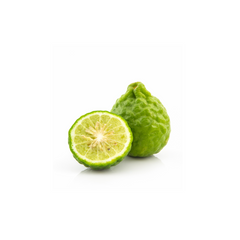
Bergamot

20–25% of blend

Adds green, floral-citrus complexity via linalyl acetate and bergapten, bridging orange peel’s sweetness with aromatic freshness.

20%

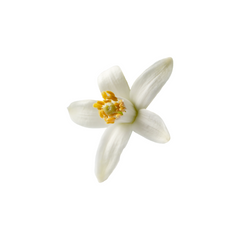
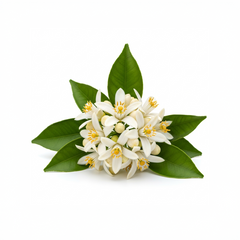
Neroli

15–20% of blend

Contributes a sweet, floral facet through linalool and nerolidol, echoing the blossom of the orange tree and rounding the citrus edges.

25%

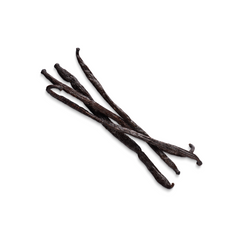
Vanilla

20–25% of blend

Softens the accord with vanillin, masking sharp aldehydes and enhancing perceived longevity through olfactory masking.

The Olfactory Layers

How Orange Peel Evolves on Skin

Orange peel’s olfactory evolution is rapid: initial high-volatility molecules (limonene, octanal) evaporate within 15 minutes, revealing softer floral and waxy undertones before fading to a subtle, clean trace.

I
Top notes
0–15 min
Zesty Citrus Burst

A burst of juicy, zesty brightness dominated by D-limonene and octanal. The initial impression is photorealistic orange zest—sweet, tangy, and slightly waxy—due to the rapid evaporation of monoterpenes and aldehydes.

JuicyZestyBright
II
Heart notes
20–60 min
Floral-Pulpy Softness

As top volatiles dissipate, minor components like linalool and decanal emerge, lending a faint floral and creamy nuance. The scent softens, becoming rounder and less acidic, with a clean, pulpy finish.

FloralCreamyPulpy
III
Base notes
Several hours
Clean Waxy Trace

Orange peel’s base is subtle, often fading to a clean, slightly sweet trace. Any remaining scent is due to trace esters and waxes, sometimes supported by fixatives or woody notes in the composition.

CleanSubtleWaxy
TOP NOTES Zesty Citrus Burst 0–15 minutes HEART NOTES Floral-Pulpy Softness 20–60 minutes BASE NOTES Clean Waxy Trace Several hours
Through the Ages

The Story of Orange Peel in Perfumery

Orange peel’s journey in perfumery spans from ancient trade routes to modern niche fragrances, evolving with extraction technology and olfactory trends.

Ancient China (~2000 BCE)

Cultivation and Early Use

Sweet orange (Citrus sinensis) is cultivated in Southeast Asia, with peel used for both culinary and aromatic purposes. Early distillation and expression techniques are documented in Chinese and Indian texts.

Renaissance (16th century)

Introduction to Europe

Orange trees are introduced to Mediterranean Europe via trade routes. Orange blossom water and peel oil become popular in aristocratic cosmetics and early colognes.

19th Century

Industrial Extraction

Cold expression and steam distillation methods are refined, enabling large-scale production of orange oil in Italy and Spain. Orange peel becomes a staple in Eau de Cologne and classic citrus blends.

1970s–1990s

Modernization and Globalization

Brazil and the US emerge as global leaders in orange oil production, leveraging juice industry byproducts. Synthetic D-limonene is introduced for cost efficiency and consistency.

2011–2026

Niche and Photorealistic Citrus

Fragrances such as Atelier Cologne Orange Sanguine (2011), Jo Malone Orange Peel Cologne (2021), and Tom Ford Taormina Orange (2026) showcase orange peel as a dominant, photorealistic note, reflecting consumer demand for naturalistic, transparent citrus.

The Art of Layering

How to Layer Orange Peel

Understanding how to layer orange peel is key to maximizing its impact. At the molecular level, orange peel’s limonene and aldehydes pair synergistically with floral, woody, and gourmand notes, enabling custom scent architectures.

01

Brighten Florals

Layering orange peel with neroli or orange blossom creates a seamless transition due to shared linalool and nerolidol content. This molecular bridge enhances the floral heart, as seen in Guerlain Aqua Allegoria Orange Soleia, where orange peel and neroli merge for a radiant, uplifting effect.

02

Add Creamy Warmth

Pairing orange peel with vanilla or tonka bean leverages vanillin’s olfactory masking of sharp aldehydes, producing a creamsicle-like, gourmand profile. Atelier Cologne Orange Sanguine demonstrates this synergy, where tonka bean softens the citrus for a rounded finish.

03

Enhance Woody Depth

Combining orange peel with sandalwood or cashmere wood exploits the fixative properties of sesquiterpenes, anchoring the volatile citrus and extending its presence. Jo Malone Orange Peel Cologne uses this technique, pairing orange peel with cashmere wood for a balanced, linear drydown.

Wear It Right

How to Wear Orange Peel Like a Pro

Seasonal Guide

Fall & Winter

In cooler months, orange peel’s projection is reduced as low temperatures suppress molecular diffusion. Layer with warm spices (cinnamon, clove) or amber bases to extend longevity and add depth. Apply to pulse points under clothing to maximize warmth-driven diffusion.

Spring

Spring’s moderate temperatures allow orange peel’s brightness to shine. Pair with green notes or florals (neroli, petitgrain) for a fresh, uplifting effect. Apply to exposed skin for optimal projection and a sense of renewal.

Summer

High heat accelerates evaporation, intensifying the initial burst but shortening longevity. Use lighter concentrations or layer with aquatic and herbal notes to maintain freshness. Reapply as needed for a continuous citrus lift.

Year-Round Tip

Regardless of season, store orange peel fragrances in a cool, dark place to prevent oxidation. Use antioxidant-rich bases or layering techniques to stabilize the note and extend its presence in any climate.

Application Points

Strategic application enhances orange peel’s projection and evolution, maximizing its photorealistic impact.

1

Neck

Applying to the neck leverages body heat, accelerating the release of volatile limonene and aldehydes for an immediate, vibrant citrus impression.

2

Behind the Ears

This area is slightly cooler, slowing evaporation and extending the presence of orange peel’s floral and creamy undertones.

3

Inner Wrists

Pulse points on the wrists provide warmth and movement, enhancing projection but also causing rapid dissipation—ideal for a refreshing, on-the-go boost.

4

Hair

Spraying on hair allows scent molecules to diffuse gradually with movement, prolonging the subtle, clean trace of orange peel throughout the day.

Pro Tip

Layer orange peel with a neutral moisturizer or unscented oil base to slow evaporation and prevent oxidation, enhancing both longevity and photorealism.

Mood Architecture™

Top Orange Peel Fragrances by Mood Score

These Orange Peel-based fragrances scored highest on the MEI™ Mood Architecture Framework — measuring how a scent may influence your emotional state.

Highest MEI Score
Love In White — Creed Love In White Alternative Perfume
7.35
MEI™
Primary Romantic
Secondary Confident
Confidence
6.59
Presence
6.94
Mood Lift
7.94
Identity
7.26
Warmth
8.24
Social Ease
7.82
Energy
4.3
" I am beautiful.
View full mood profile →
HumanSafe™

Top Orange Peel Fragrances by HumanSafe™ Score

These Orange Peel-based fragrances have the highest product-level HumanSafe™ scores in this ingredient collection.

Highest HumanSafe™ Score
Love In White — Creed Love In White Alternative Perfume
A-
HumanSafe™ Score Generally Safe
Safest Evaluated Ingredients EDP
BICYCLO[3.3.1]NONANE, 2-ETHOXY-2,6,6-TRIMETHYL-9- Evaluated ingredient ISS 10.0
AQUA Solvent / Carrier ISS 10.0
3-BUTEN-2-ONE, 4-(2,6,6-TRIMETHYL-1-CYCLOHEXEN-1- Evaluated ingredient ISS 10.0
3-BUTEN-2-ONE, 4-(2,6,6-TRIMETHYL-2-CYCLOHEXEN-1- Evaluated ingredient ISS 9.0
1H-3A,7-METHANOAZULENE, OCTAHYDRO-6-METHOXY- Evaluated ingredient ISS 9.0
3-BUTEN-2-ONE, 3-METHYL-4-(2,6,6-TRIMETHYL-2- Evaluated ingredient ISS 8.0
View full safety profile →
Expert Voices

What Masters Say About Orange Peel

"Orange peel in perfumery is the purest expression of citrus optimism—its D-limonene core delivers a photorealistic, juicy brightness that is both instantly recognizable and fleeting."
CA Perfume Editorial
"Smells like orange rind and politely backs away. Bright, clean, and straightforward, with cashmere wood smoothing it out just enough to keep it from smelling like kitchen cleaner."
Fragrantica user review on Jo Malone Orange Peel Cologne
Common Questions

Frequently Asked Questions

Frequently asked questions address orange peel’s scent, use, and performance in perfumery.

Orange peel in perfume delivers a vivid, zesty citrus burst dominated by D-limonene, with sweet, juicy, and slightly waxy facets. The initial impression is photorealistic—like peeling a fresh orange—followed by subtle floral and creamy undertones from minor aldehydes and linalool. The note is bright, inviting, and ephemeral, fading within 15–30 minutes.

Orange peel is strictly a top note in fragrance compositions. Its high volatility, due to the dominance of D-limonene and short-chain aldehydes, means it projects strongly at first application but fades rapidly. It is rarely used as a heart or base note except in stabilized, layered accords.

Orange peel’s photorealistic, uplifting character and versatility make it a staple in niche perfumery. It provides an immediate, naturalistic citrus opening and pairs well with florals, woods, and gourmand notes. Modern extraction and stabilization techniques have enabled perfumers to capture its fleeting brightness in more complex, long-lasting structures.

Orange peel fragrance uses often involve pairing with neroli, orange blossom, bergamot, vanilla, sandalwood, and patchouli. These notes share molecular bridges (linalool, aldehydes, vanillin) that enhance harmony and extend the citrus effect. Spices like cinnamon and clove also complement orange peel in warm, gourmand blends.

Yes, orange peel is ideal for summer and hot weather due to its refreshing, uplifting profile. High temperatures accelerate evaporation, intensifying the initial burst but shortening longevity. Lighter concentrations and layering with aquatic or herbal notes help maintain freshness throughout the day.

On skin, orange peel as a top note typically lasts 1–2 hours, with the most intense projection in the first 15–30 minutes. Longevity can be extended by layering with fixatives or applying to hair and clothing, but the core citrus effect remains ephemeral.

Yes, orange peel is highly layerable. Its molecular compatibility with florals, woods, and gourmands enables custom blends. For example, layering with vanilla creates a creamsicle effect, while pairing with sandalwood or neroli enhances both projection and complexity.

Recommended entry points include Jo Malone Orange Peel Cologne (2021), Atelier Cologne Orange Sanguine (2011), Guerlain Aqua Allegoria Orange Soleia (2020), and Monotheme Verde d'Arancia (2015). These fragrances showcase orange peel’s photorealism and versatility in both linear and blended forms.

Consider your preferred style—linear citrus, citrus-floral, or citrus-gourmand. Review ingredient transparency on the HumanSafe™ platform and sample different concentrations (EDT, EDP, oil) to find the balance of brightness and longevity that suits your needs.

Orange peel in fragrance is primarily sweet and juicy, with a subtle bitter edge from minor aldehydes. The balance depends on extraction method and skin chemistry—natural oils tend toward sweetness, while synthetic blends may emphasize bitterness or linearity.

Citrus Collection

Explore Our Top Orange Peel Fragrances

Discover CA Perfume’s curated selection of orange peel-centered scents, from photorealistic colognes to innovative citrus blends inspired by global classics.

Shop all orange peel fragrances at CA Perfume →

Where Orange Peel Comes From — Origin & Extraction

Orange peel used in perfumery is sourced primarily from Citrus sinensis, a species that originated as a hybrid between pomelo (Citrus maxima) and mandarin (Citrus reticulata) in Southeast Asia. Today, Brazil is the world’s largest producer, accounting for approximately 30% of global orange oil output, followed by the United States (notably Florida and California), Spain, and Italy. Annual global production of orange oil exceeds 60,000 metric tons, with Brazil alone processing over 20,000 metric tons per year. The extraction of orange peel oil is performed by cold expression (mechanical pressing) of the flavedo (colored outer layer) of ripe oranges. This process avoids heat, preserving the integrity of volatile compounds—especially D-limonene, which is highly sensitive to thermal degradation. The yield from cold expression is typically 3–5 mL of oil per kilogram of fresh peel, translating to a 0.3–0.5% yield by weight. Alternative methods such as hydro-distillation (Clevenger apparatus) are sometimes used for analytical purposes but are less common in commercial perfumery due to lower yields and potential alteration of the scent profile. Orange oil is relatively inexpensive compared to other essential oils, with bulk prices ranging from $8–20 per kg for standard grades and $30–50 per kg for high-purity, food-grade, or organic-certified oils. Synthetic D-limonene, produced via fractional distillation of turpentine or by chemical synthesis, can cost as little as $4–8 per kg, but lacks the nuanced complexity of natural orange peel oil. Sustainability considerations include the valorization of citrus processing byproducts—peels are often sourced from juice production, reducing waste. However, orange oil is prone to oxidation, requiring antioxidant additives and cold storage to maintain quality.

Famous Fragrances That Define Orange Peel in Perfumery

Orange peel has played a foundational role in both classic and contemporary perfumery, serving as a top note in colognes, citrus-floral blends, and modern niche compositions. Jo Malone London Orange Peel Cologne (2021) exemplifies a photorealistic, linear orange rind, with the note acting as the dominant opening and paired with cashmere wood for a soft drydown. Atelier Cologne Orange Sanguine (2011, perfumer Ralf Schwieger) is renowned for its juicy, naturalistic blend of blood orange, bitter orange, and sandalwood, where orange peel forms the structural core. Tom Ford Taormina Orange (2026, Anne Flipo) leverages green mandarin, blood orange, and bitter orange in the top, transitioning to a woody-mossy base, with orange peel providing a bright, slightly bitter freshness. Guerlain Aqua Allegoria Orange Soleia (2020) uses orange peel as a bridge note, connecting citrus and green facets with a musky base. Jo Malone Orange Bitters (2016) employs orange peel as an accent, enhancing the interplay between sweet and bitter orange, prune, and sandalwood. In niche perfumery, Ffern Summer 22 (2022) and Monotheme Fine Fragrances Venezia Verde d'Arancia (2015) showcase orange peel as a dominant note, often paired with neroli, petitgrain, or aromatic herbs. CA Perfume’s collection draws inspiration from these benchmarks, offering orange peel-centered fragrances that honor both the classic cologne tradition and modern layering trends.

Natural vs Synthetic Orange Peel in Perfumery

Natural orange peel oil is dominated by D-limonene (CAS 5989-27-5), but its characteristic scent depends on minor aldehydes (octanal, decanal), linalool, and esters. Synthetic orange notes are constructed using nature-identical D-limonene, octanal (CAS 124-13-0), decanal (CAS 112-31-2), and linalool (CAS 78-70-6), often supplemented with ethyl butyrate (CAS 105-54-4) for a juicy effect. While synthetic D-limonene is chemically identical to the natural molecule, the absence of trace aldehydes and esters results in a flatter, less nuanced aroma. Performance-wise, natural orange peel oil offers medium odor strength but limited longevity—typically 1–2 hours on skin, with rapid evaporation. Synthetic blends can be engineered for greater stability and projection, but may introduce a "cleaner-like" or overly linear effect. Cost is a significant differentiator: natural orange oil averages $8–20/kg, while synthetic D-limonene is $4–8/kg. High-purity natural isolates command higher prices. Notable fragrances using natural orange peel include Atelier Cologne Orange Sanguine (2011) and Jo Malone Orange Peel Cologne (2021); synthetic orange notes are common in mass-market colognes and functional fragrances. From a sustainability perspective, natural orange oil leverages citrus industry byproducts, reducing waste. Synthetic production offers consistency and supply security, but may rely on petrochemical feedstocks. The HumanSafe™ platform provides transparency on ingredient sourcing, allergen content, and IFRA compliance for both natural and synthetic orange peel derivatives. CA Perfume’s approach emphasizes traceability and safety, ensuring all orange peel notes are HumanSafe™ verified.