Ingredient Guide · Bergamot
Bergamot Family · Perfumery Note

Orange

A vibrant, juicy top note that defines citrus freshness.

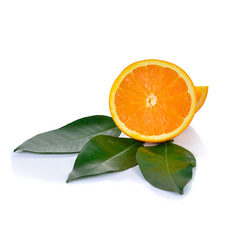
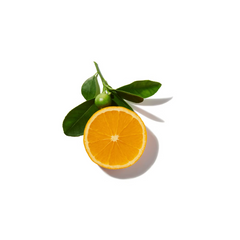
In perfumery, orange is a quintessential top note, celebrated for its vivid, juicy, and sweet citrus character. Its signature aroma is driven by d-limonene, which can comprise over 90% of the essential oil.

Orange
Ingredient Profile

Orange

Bergamot Family
Family Bergamot
Note Position Base Note
Usage Level <2%
Key Origins Brazil, Italy, Spain
Iconic In Coty L’Origan, Creed Orange Spice
The Ingredient

What does Orange smell like and why is it essential in perfumery?

Orange, primarily Citrus sinensis (sweet orange), is a cornerstone of the citrus family in perfumery. Its essential oil is extracted from the peel and is dominated by d-limonene (CAS 5989-27-5), which imparts a bright, juicy, and sweet citrus aroma with subtle green and slightly floral undertones. Minor components such as myrcene, linalool, and octanal contribute to its complexity, adding facets ranging from fresh to faintly woody. The scent profile of orange is often described as a balance between the sweetness of mandarin and the mild astringency of pomelo, with a lively, effervescent opening that quickly enlivens any composition. This molecular composition is responsible for the characteristic 'zest' that makes orange instantly recognizable and universally appealing. In perfumery, orange is classified as a top note due to its high volatility and rapid evaporation rate. It is typically used at concentrations ranging from 0.1% to 7% in fragrance formulas, with the higher end seen in colognes and citrus-dominant blends. Orange interacts with skin chemistry by releasing its volatile compounds quickly upon application, resulting in an immediate burst of freshness that gradually softens as the heart and base notes emerge. Its compatibility with a wide range of aromatic families—floral, woody, gourmand—makes it a versatile building block. The presence of terpenes like limonene and linalool also means that orange can subtly alter the perception of other notes, enhancing brightness or masking sharper facets. Notable fragrances that exemplify orange in perfumery include Hermès Terre d’Hermès (2006, Jean-Claude Ellena), where orange is paired with mineral and woody notes to create a signature fresh-earthy accord, and Atelier Cologne Orange Sanguine (2010, Ralf Schwieger), which showcases a photorealistic, juicy orange opening. In Chanel Allure Homme Sport (2004, Jacques Polge), orange is used to provide a sparkling, energetic introduction before transitioning to aquatic and woody elements. These examples highlight the essential role of orange in both traditional and contemporary fragrance design.

<2%
Typical maximum concentration of orange oil in fine fragrance formulas, balancing brightness with IFRA safety guidelines to minimize sensitization risk.
0.3–0.5%
Average yield of essential oil from orange peel by weight, reflecting the efficiency of cold expression extraction methods.
1–2 hours
Approximate duration of orange’s top note on skin, determined by the high volatility of d-limonene and related terpenes.
Origin & Extraction

Where Orange Comes From — Origin & Extraction

The scent character of orange varies with geography—Brazilian oranges yield oil with higher d-limonene content and a sweeter profile, while Mediterranean origins impart subtle green and floral nuances due to soil and climate.

The primary source of orange used in perfumery is Citrus sinensis (sweet orange), though bitter orange (Citrus aurantium) and blood orange (Citrus sinensis var. sanguinea) are also utilized for their distinct olfactory nuances. The orange tree is native to Southeast Asia, with historical cultivation traced back over 4,000 years in China. Today, Brazil is the world’s leading producer of oranges, accounting for approximately 30% of global output, followed by the United States (notably Florida and California), and countries around the Mediterranean such as Spain and Italy. The majority of perfumery-grade orange oil is sourced from Brazil and Italy, where the climate and soil conditions yield peels with high essential oil content. Extraction of orange essential oil is typically performed by cold expression (mechanical pressing) of the fresh fruit peel, a process that preserves the integrity of volatile compounds. This method operates at ambient temperatures to prevent degradation of sensitive terpenes like d-limonene and myrcene. The yield of essential oil from orange peel ranges from 0.3% to 0.5% by weight. Sweet orange oil is a mobile, yellow to orange liquid, nearly colorless in the case of essence oil distilled from juice production. Bitter orange oil, used for its more astringent and complex aroma, is similarly obtained via cold pressing. For orange blossom (from Citrus aurantium), solvent extraction and steam distillation are used to produce absolute and neroli oil, respectively. Natural orange oil costs approximately $10–$30 per kg, depending on origin and quality, whereas synthetic d-limonene (nature-identical) is available for $4–$8 per kg, making it a cost-effective alternative for large-scale fragrance manufacturing. Sustainability concerns include the intensive agricultural inputs required for citrus cultivation and the environmental impact of monoculture farming. However, orange oil is often a byproduct of the juice industry, which helps minimize waste. Organic and fair-trade certifications are increasingly sought after, especially for high-end perfumery applications.

BR

Brazil

São Paulo state produces the majority of Brazil’s oranges, with sandy soils and a subtropical climate yielding oil rich in d-limonene. Brazil accounts for over 30% of global orange oil production, much of it as a byproduct of juice processing.

IT

Italy

Sicily is renowned for blood orange and sweet orange varieties. Volcanic soils and Mediterranean climate produce oil with pronounced floral and slightly spicy facets. Italy supplies high-quality oil for fine perfumery, with annual production around 5,000–7,000 tons.

ES

Spain

Valencia and Andalusia are key regions, with oranges grown in alluvial soils and mild winters. Spanish orange oil is prized for its balanced sweetness and subtle green notes. Spain is a leading European producer, with strict quality controls.

US

United States

Florida and California supply most US orange oil. Florida’s humid climate produces oil with a softer, sweeter profile, while California’s drier conditions yield brighter, zestier oils. US production is largely integrated with the juice industry.

Chemistry

Natural vs Synthetic Orange in Perfumery

Natural orange oil is a complex mixture, with d-limonene (CAS 5989-27-5) as the dominant component, accompanied by myrcene (CAS 123-35-3), linalool (CAS 78-70-6), and octanal (CAS 124-13-0). Synthetic orange notes are primarily constructed using nature-identical d-limonene, as well as other aroma chemicals such as decanal (CAS 112-31-2) and citral (CAS 5392-40-5) to enhance longevity and stability. Synthetic orange accords can be tailored for greater persistence and batch-to-batch consistency, addressing the inherent volatility and rapid oxidation of natural orange oil. Performance-wise, synthetic orange notes offer improved longevity and resistance to photodegradation, which is a common issue with natural citrus oils due to their high terpene content. Cost is a significant factor: synthetic d-limonene is available at a fraction of the price of natural oil, enabling its use in mass-market and functional fragrances. Notable fragrances such as Atelier Cologne Orange Sanguine and Hermès Terre d’Hermès utilize both natural and synthetic orange components to balance realism with performance. Sustainability is also a consideration—synthetics reduce pressure on agricultural resources and allow for more controlled supply chains. CA Perfume’s HumanSafe™ platform ensures transparency in sourcing, allergen disclosure, and IFRA compliance for both natural and synthetic orange ingredients. This approach prioritizes safety and traceability, providing consumers with clear information about the origin and composition of the orange notes in each fragrance.

Natural
Orange Absolute
Cost $3,000–6,000/kg
Method Solvent / CO₂
Character Complex, variable
vs
Synthetic
Safranal & Analogues
Cost $50–200/kg
Method Lab synthesis
Character Consistent, stable
Hall of Fame

Famous Fragrances That Define Orange in Perfumery

1905
dominant note

Coty L’Origan

Coty
by François Coty
spicespowdery notesflorals
1950
top note

Creed Orange Spice

Creed
bergamotambergris
2006
dominant note

Hermès Terre d’Hermès

Hermès
by Jean-Claude Ellena
mineral noteswoody notes
2010
dominant note

Atelier Cologne Orange Sanguine

Atelier Cologne
by Ralf Schwieger
geraniumsandalwood
2004
accent

Chanel Allure Homme Sport

Chanel
by Jacques Polge
aquatic noteswoody notes
2019
dominant note

Guerlain Aqua Allegoria Orange Soleia

Guerlain
by Thierry Wasser
bitter orangejasminecedarwood
1999
dominant note

Acqua di Parma Blu Mediterraneo Arancia di Capri

Acqua di Parma
by Bertrand Duchaufour
petitgraincardamom

Orange has been a defining note in perfumery for over a century, appearing in both classic and contemporary compositions. Coty L’Origan (1905, François Coty) was among the earliest to combine sweet orange with spicy and floral notes, establishing a template for modern floral-oriental perfumes. Creed Orange Spice (1950) showcased orange as a fresh top note, paired with bergamot and ambergris for a refined, uplifting effect. In the modern era, Hermès Terre d’Hermès (2006, Jean-Claude Ellena) features orange as a dominant top note, seamlessly blending it with mineral and woody accords to create a signature fresh-earthy scent. Atelier Cologne Orange Sanguine (2010, Ralf Schwieger) is renowned for its photorealistic, juicy orange opening, supported by geranium and sandalwood. Chanel Allure Homme Sport (2004, Jacques Polge) uses orange to provide a sparkling, energetic introduction that transitions into aquatic and woody notes. Guerlain Aqua Allegoria Orange Soleia (2019, Thierry Wasser) highlights blood orange, bitter orange, and jasmine for a radiant, summery character. Acqua di Parma Blu Mediterraneo Arancia di Capri (1999, Bertrand Duchaufour) is another benchmark, pairing orange with petitgrain and cardamom for a Mediterranean freshness. CA Perfume’s collection draws inspiration from these landmark fragrances, offering orange-centric scents that honor both the ingredient’s heritage and its versatility in contemporary perfumery.

The Accord

How is a captivating Orange accord crafted?

A classic orange accord balances the vivid citrus top note with floral, green, and woody elements for complexity and longevity. Typical proportions: Orange oil 30–35%, Neroli 20–25%, Petitgrain 20–25%, Sandalwood 20–25%. Each ingredient is chosen for molecular synergy—neroli and petitgrain share linalool and linalyl acetate, extending the citrus freshness, while sandalwood’s santalol provides a creamy, long-lasting base.

35%

Orange Oil

30–35% of blend

Provides the vivid, juicy citrus opening, dominated by d-limonene for brightness and freshness.

25%

Neroli

20–25% of blend

Adds floral and green facets via linalool and nerolidol, bridging citrus and floral notes for a luminous heart.

25%

Petitgrain

20–25% of blend

Contributes green, woody, and slightly bitter nuances through linalyl acetate and terpenes, enhancing complexity.

25%

Sandalwood

20–25% of blend

Provides a creamy, long-lasting base via santalol, supporting the fleeting citrus top and extending the accord’s longevity.

The Olfactory Layers

How Orange Evolves on Skin

Orange’s olfactory evolution is rapid: the top note bursts forth within seconds, dominated by highly volatile d-limonene, then fades as mid-weight floral and green molecules emerge, settling into a subtle, creamy base.

I
Top notes
0–15 min
Juicy Citrus Burst

The initial impression is a vivid, juicy burst of sweet citrus, driven by d-limonene and myrcene. These highly volatile molecules evaporate quickly, creating an effervescent, uplifting effect that defines the opening of many colognes.

Juicy CitrusEffervescentBright
II
Heart notes
20–60 min
Floral Green Softness

As the top fades, floral and green facets from linalool and linalyl acetate become more prominent. The heart is softer, with neroli and petitgrain nuances, maintaining freshness while introducing subtle complexity.

FloralGreenSoft
III
Base notes
Several hours
Creamy Subtlety

The base is subtle, with sandalwood or musk supporting the lingering sweetness. Trace aldehydes and woody molecules provide a creamy, slightly powdery finish, though the orange note itself is mostly gone after 1–2 hours.

CreamySubtlePowdery
TOP NOTES Juicy Citrus Burst 0–15 minutes HEART NOTES Floral Green Softness 20–60 minutes BASE NOTES Creamy Subtlety Several hours
Through the Ages

The Story of Orange in Perfumery

Orange has a long history in perfumery, from ancient Chinese cultivation to its central role in modern citrus colognes and niche fragrances.

Ancient China

Early Cultivation and Use

Wild oranges were cultivated in China over 4,000 years ago, with early use of orange peel for aromatic and medicinal purposes.

11th Century

Introduction to Europe

Orange trees were introduced to Europe via trade routes from Asia, with cultivation spreading through Spain and Italy by the 11th century.

1709

Birth of Eau de Cologne

Johann Maria Farina creates Eau de Cologne, using orange oil as a key top note, establishing the citrus cologne tradition.

1905

Coty L’Origan Launch

François Coty’s L’Origan (1905) incorporates orange with florals and spices, influencing the development of modern perfumery.

2006–Present

Contemporary Citrus Renaissance

Modern fragrances like Hermès Terre d’Hermès and Atelier Cologne Orange Sanguine reimagine orange as a photorealistic, dominant note, blending natural and synthetic components for enhanced realism and longevity.

The Art of Layering

How to Layer Orange

Understanding how to layer orange is key to maximizing its impact. At the molecular level, orange’s d-limonene pairs well with floral, woody, and gourmand notes, creating harmonious or contrasting effects.

01

Enhance Freshness

Layer orange with neroli or bergamot to amplify the citrus accord. Shared terpenes like linalool and limonene create a seamless, photorealistic freshness. Fragrances such as Atelier Cologne Orange Sanguine and Guerlain Aqua Allegoria Orange Soleia demonstrate this synergy.

02

Add Depth

Combine orange with woody notes like sandalwood or vetiver. The creamy, long-chain alcohols in sandalwood slow the evaporation of citrus molecules, extending the scent’s presence. Terre d’Hermès exemplifies this approach, blending orange with mineral and woody accords.

03

Soften with Gourmand

Pair orange with vanilla or tonka bean. Vanillin acts as an olfactory mask, rounding the sharpness of citrus and creating a creamy, dessert-like effect. Chanel Allure Homme Sport uses this technique for a balanced, inviting trail.

Wear It Right

How to Wear Orange Like a Pro

Seasonal Guide

Fall & Winter

In cooler weather, orange’s projection is reduced as low temperatures suppress volatility. Layer with warmer notes like sandalwood or amber to extend longevity. Apply to pulse points under clothing for a subtle, uplifting effect.

Spring

Spring’s moderate temperatures allow orange’s freshness to shine. Pair with floral notes such as neroli or jasmine for a bright, optimistic scent. Apply to exposed skin for a lively, effervescent trail.

Summer

Heat amplifies orange’s volatility, resulting in a powerful but fleeting burst. Reapply as needed, and consider layering with green or aquatic notes for added freshness. Avoid direct sunlight to minimize phototoxic risk.

Year-Round Tip

For all seasons, use unscented moisturizer before applying orange-based fragrances to help retain the top note. Adjust application frequency based on climate and activity level to maintain a consistent scent experience.

Application Points

Strategic application enhances orange’s fleeting top note. Focus on pulse points and layering for best results.

1

Neck

Applying to the neck maximizes projection as body heat accelerates the release of volatile citrus molecules, creating an immediate, enveloping aura.

2

Behind the Ears

This area is slightly cooler, allowing orange’s top note to linger a bit longer and providing a subtle, fresh trail during movement.

3

Inner Wrists

Pulse points on the wrists enhance volatility, but frequent hand washing may reduce longevity. Layer with a matching lotion for extended effect.

4

Hair

Spraying on hair or a hairbrush provides a gentle, diffusive release of orange, prolonging the scent as the hair moves throughout the day.

Pro Tip

Layer orange-based fragrances over unscented moisturizer or a matching body oil to slow evaporation and intensify the opening burst.

Mood Architecture™

Top Orange Fragrances by Mood Score

These Orange-based fragrances scored highest on the MEI™ Mood Architecture Framework — measuring how a scent may influence your emotional state.

Highest MEI Score
Cacao Noir — Coco Noir Alternative Perfume
8.54
MEI™
Primary Romantic
Secondary Confident
Confidence
8.35
Presence
9.29
Mood Lift
8.75
Identity
9.26
Warmth
9.5
Social Ease
8.03
Energy
3.7
" I am beautiful.
View full mood profile →
Vesper Glitz — Ex Nihilo Vesper Glitz Alternative Perfume
8.51
MEI™
Primary Romantic
Secondary Confident
Confidence
7.43
Presence
8.05
Mood Lift
9.5
Identity
7.78
Warmth
9.5
Social Ease
9.37
Energy
3.7
" I am beautiful.
View full mood profile →
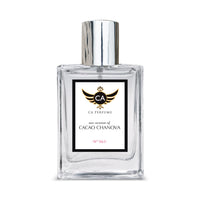
Cacao Chanova — Coco Alternative Perfume
8.42
MEI™
Primary Romantic
Secondary Confident
Confidence
8.26
Presence
8.63
Mood Lift
8.58
Identity
8.42
Warmth
9.5
Social Ease
8.12
Energy
4.7
" I am beautiful.
View full mood profile →
Passion Girl — Poison Girl Alternative Perfume
8.16
MEI™
Primary Romantic
Secondary Grounding
Confidence
6.96
Presence
6.74
Mood Lift
9.34
Identity
7.14
Warmth
9.5
Social Ease
8.93
Energy
5.3
" I am beautiful.
View full mood profile →
HumanSafe™

Top Orange Fragrances by HumanSafe™ Score

These Orange-based fragrances have the highest product-level HumanSafe™ scores in this ingredient collection.

Highest HumanSafe™ Score
Young Dew — Youth Dew Alternative Perfume
A-
HumanSafe™ Score Generally Safe
Safest Evaluated Ingredients EDP
AQUA Solvent / Carrier ISS 10.0
ACETIC ACID, PHENYLMETHYL ESTER Evaluated ingredient ISS 10.0
HEPTANAL, 2-(PHENYLMETHYLENE)- Evaluated ingredient ISS 9.0
BENZYL SALICYLATE EYE IRRITATION - CAT.2B [H320] Evaluated ingredient ISS 9.0
2H-1-BENZOPYRAN-2-ONE Evaluated ingredient ISS 8.0
LINALYL ACETATE Evaluated ingredient ISS 7.0
View full safety profile →
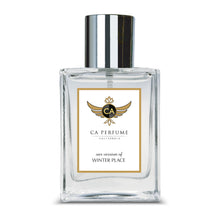
Winter Place — Winter Palace Alternative Perfume
A-
HumanSafe™ Score Generally Safe
Safest Evaluated Ingredients EDP
AQUA Solvent / Carrier ISS 10.0
1,4-DIOXACYCLOHEPTADECANE-5,17-DIONE Evaluated ingredient ISS 10.0
CITRAL Evaluated ingredient ISS 8.0
2H-1-BENZOPYRAN-2-ONE Evaluated ingredient ISS 8.0
LINALYL ACETATE Evaluated ingredient ISS 7.0
LINALOOL Evaluated ingredient ISS 7.0
View full safety profile →
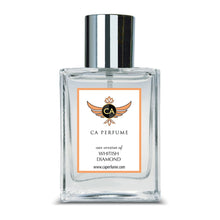
Whitish Diamond — White Diamonds Alternative Perfume
A-
HumanSafe™ Score Generally Safe
Safest Evaluated Ingredients EDP
AQUA Solvent / Carrier ISS 10.0
ACETIC ACID, PHENYLMETHYL ESTER Evaluated ingredient ISS 10.0
BENZYL SALICYLATE EYE IRRITATION - CAT.2B [H320] Evaluated ingredient ISS 9.0
OCTANAL, 2-(PHENYLMETHYLENE)- Evaluated ingredient ISS 8.0
2H-1-BENZOPYRAN-2-ONE Evaluated ingredient ISS 8.0
LINALYL ACETATE Evaluated ingredient ISS 7.0
View full safety profile →
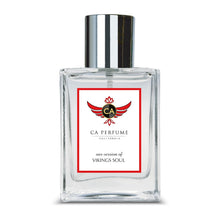
Vikings Soul — Viking Alternative Cologne
A-
HumanSafe™ Score Generally Safe
Safest Evaluated Ingredients EDP
AQUA Solvent / Carrier ISS 10.0
AMBROXID Evaluated ingredient ISS 10.0
1,4-DIOXACYCLOHEPTADECANE-5,17-DIONE Evaluated ingredient ISS 10.0
4H-INDEN-4-ONE, 1,2,3,5,6,7-HEXAHYDRO-1,1,2,3,3- Evaluated ingredient ISS 9.0
2-BUTEN-1-ONE, 1-(2,6,6-TRIMETHYL-2-CYCLOHEXEN-1- Evaluated ingredient ISS 9.0
LINALYL ACETATE Evaluated ingredient ISS 7.0
View full safety profile →
Expert Voices

What Masters Say About Orange

Orange is widely used in perfumery for its refreshing and invigorating olfactory properties. Orange essential oil, extracted from its peel, is prized for its bright, sunny citrus notes that bring a dynamic dimension to fragrance compositions.
Bon Parfumeur Editorial
Orange’s scent profile is defined by d-limonene, which produces a vivid, juicy, and sweet citrus aroma with subtle green and floral undertones.
CA Perfume Editorial
Common Questions

Frequently Asked Questions

Frequently asked questions about orange in perfumery, covering scent, usage, performance, and safety.

Orange in perfume smells vivid, juicy, and sweet, with a bright citrus character dominated by d-limonene. The scent is reminiscent of freshly peeled orange, with subtle green and floral undertones. It is most prominent as a top note, providing an immediate burst of freshness that quickly evolves into softer, more rounded nuances. Notable examples include Hermès Terre d’Hermès and Atelier Cologne Orange Sanguine, both of which showcase orange’s photorealistic and uplifting qualities.

Orange is classified as a top note in perfumery due to its high volatility and rapid evaporation. Its primary molecular component, d-limonene, evaporates quickly, delivering an immediate, effervescent opening that fades within 1–2 hours. Orange is rarely used as a heart or base note, but it can be paired with fixatives or heavier notes to extend its presence in a composition.

Orange is favored in niche perfumery for its versatility, photorealistic freshness, and ability to bridge diverse olfactory families. Its molecular profile allows it to enhance both classic colognes and modern, unconventional blends. Niche perfumers often use orange to create vibrant, uplifting openings or to add complexity to floral, woody, or gourmand compositions.

Orange fragrance uses include pairing with other citrus notes (bergamot, lemon), florals (neroli, jasmine), woody notes (sandalwood, vetiver), and gourmands (vanilla, tonka bean). These combinations are supported by shared or complementary molecules—linalool, linalyl acetate, and vanillin—creating harmonious or contrasting effects.

Yes, orange-based perfumes are particularly well-suited to summer and hot weather due to their refreshing, uplifting character and rapid diffusion. However, the volatility of orange oil means the scent may fade quickly in heat, so reapplication or layering with fixatives is recommended for sustained effect.

Orange as a top note typically lasts 1–2 hours on skin, depending on concentration, skin chemistry, and environmental conditions. Its high volatility means the initial burst is intense but short-lived, with the scent quickly evolving into softer heart and base notes.

Yes, orange is highly layerable due to its molecular compatibility with a wide range of notes. It can be layered with florals, woods, or gourmands to create custom accords. For best results, layer with fragrances that share terpenes or complementary aroma chemicals, such as neroli, sandalwood, or vanilla.

Recommended orange perfumes for beginners include Atelier Cologne Orange Sanguine, Hermès Eau d’Orange Verte, and Guerlain Aqua Allegoria Orange Soleia. These fragrances highlight orange’s photorealistic freshness and are easy to wear in a variety of settings.

When selecting an orange fragrance at CA Perfume, consider the desired intensity, longevity, and pairing notes. Look for transparency in ingredient sourcing and IFRA compliance, and sample different concentrations (EDT, EDP, oil) to find the format that best suits your preferences and skin chemistry.

Orange in fragrance can smell both sweet and clean, depending on the concentration and supporting notes. The dominant d-limonene molecule imparts a juicy, sweet citrus aroma, while minor terpenes and aldehydes contribute to a clean, fresh impression. The balance of these facets can be adjusted by pairing with green, floral, or woody notes.

Bergamot Collection

Explore Our Top Orange Fragrances

Discover CA Perfume’s curated selection of orange-centric fragrances, each showcasing the ingredient’s vivid, juicy character in both classic and modern interpretations.

Shop all orange fragrances at CA Perfume →

Where Orange Comes From — Origin & Extraction

The primary source of orange used in perfumery is Citrus sinensis (sweet orange), though bitter orange (Citrus aurantium) and blood orange (Citrus sinensis var. sanguinea) are also utilized for their distinct olfactory nuances. The orange tree is native to Southeast Asia, with historical cultivation traced back over 4,000 years in China. Today, Brazil is the world’s leading producer of oranges, accounting for approximately 30% of global output, followed by the United States (notably Florida and California), and countries around the Mediterranean such as Spain and Italy. The majority of perfumery-grade orange oil is sourced from Brazil and Italy, where the climate and soil conditions yield peels with high essential oil content. Extraction of orange essential oil is typically performed by cold expression (mechanical pressing) of the fresh fruit peel, a process that preserves the integrity of volatile compounds. This method operates at ambient temperatures to prevent degradation of sensitive terpenes like d-limonene and myrcene. The yield of essential oil from orange peel ranges from 0.3% to 0.5% by weight. Sweet orange oil is a mobile, yellow to orange liquid, nearly colorless in the case of essence oil distilled from juice production. Bitter orange oil, used for its more astringent and complex aroma, is similarly obtained via cold pressing. For orange blossom (from Citrus aurantium), solvent extraction and steam distillation are used to produce absolute and neroli oil, respectively. Natural orange oil costs approximately $10–$30 per kg, depending on origin and quality, whereas synthetic d-limonene (nature-identical) is available for $4–$8 per kg, making it a cost-effective alternative for large-scale fragrance manufacturing. Sustainability concerns include the intensive agricultural inputs required for citrus cultivation and the environmental impact of monoculture farming. However, orange oil is often a byproduct of the juice industry, which helps minimize waste. Organic and fair-trade certifications are increasingly sought after, especially for high-end perfumery applications.

Famous Fragrances That Define Orange in Perfumery

Orange has been a defining note in perfumery for over a century, appearing in both classic and contemporary compositions. Coty L’Origan (1905, François Coty) was among the earliest to combine sweet orange with spicy and floral notes, establishing a template for modern floral-oriental perfumes. Creed Orange Spice (1950) showcased orange as a fresh top note, paired with bergamot and ambergris for a refined, uplifting effect. In the modern era, Hermès Terre d’Hermès (2006, Jean-Claude Ellena) features orange as a dominant top note, seamlessly blending it with mineral and woody accords to create a signature fresh-earthy scent. Atelier Cologne Orange Sanguine (2010, Ralf Schwieger) is renowned for its photorealistic, juicy orange opening, supported by geranium and sandalwood. Chanel Allure Homme Sport (2004, Jacques Polge) uses orange to provide a sparkling, energetic introduction that transitions into aquatic and woody notes. Guerlain Aqua Allegoria Orange Soleia (2019, Thierry Wasser) highlights blood orange, bitter orange, and jasmine for a radiant, summery character. Acqua di Parma Blu Mediterraneo Arancia di Capri (1999, Bertrand Duchaufour) is another benchmark, pairing orange with petitgrain and cardamom for a Mediterranean freshness. CA Perfume’s collection draws inspiration from these landmark fragrances, offering orange-centric scents that honor both the ingredient’s heritage and its versatility in contemporary perfumery.

Natural vs Synthetic Orange in Perfumery

Natural orange oil is a complex mixture, with d-limonene (CAS 5989-27-5) as the dominant component, accompanied by myrcene (CAS 123-35-3), linalool (CAS 78-70-6), and octanal (CAS 124-13-0). Synthetic orange notes are primarily constructed using nature-identical d-limonene, as well as other aroma chemicals such as decanal (CAS 112-31-2) and citral (CAS 5392-40-5) to enhance longevity and stability. Synthetic orange accords can be tailored for greater persistence and batch-to-batch consistency, addressing the inherent volatility and rapid oxidation of natural orange oil. Performance-wise, synthetic orange notes offer improved longevity and resistance to photodegradation, which is a common issue with natural citrus oils due to their high terpene content. Cost is a significant factor: synthetic d-limonene is available at a fraction of the price of natural oil, enabling its use in mass-market and functional fragrances. Notable fragrances such as Atelier Cologne Orange Sanguine and Hermès Terre d’Hermès utilize both natural and synthetic orange components to balance realism with performance. Sustainability is also a consideration—synthetics reduce pressure on agricultural resources and allow for more controlled supply chains. CA Perfume’s HumanSafe™ platform ensures transparency in sourcing, allergen disclosure, and IFRA compliance for both natural and synthetic orange ingredients. This approach prioritizes safety and traceability, providing consumers with clear information about the origin and composition of the orange notes in each fragrance.