Ingredient Guide · Floral
Floral Family · Perfumery Note

Olive Blossom

Light, airy, and subtly green floral elegance

Olive Blossom is a heart note in perfumery, derived from Olea europaea flowers, offering a light floral sweetness with fresh green undertones. It is typically used below 5% concentration, prized for its soft, tranquil character.

Olive Blossom
Ingredient Profile

Olive Blossom

Floral Family
Family Floral
Note Position Heart Note
Usage Level <5%
Key Origins Italy, Greece, Spain
Iconic In Armani Code, Fiore d'Ulivo
The Ingredient

What does Olive Blossom smell like and why is it significant in perfumery?

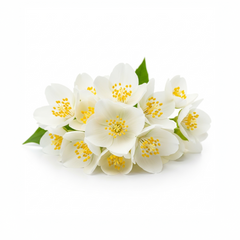
Olive Blossom is the fragrance note derived from the small, white-gold flowers of the olive tree (Olea europaea), native to the Mediterranean basin. Its scent profile is light, airy, and delicately floral, characterized by subtle sweetness and fresh green undertones. The aroma includes soft powdery facets, hints of green sap, creamy petals, and faint fruity or honeyed nuances, sometimes with traces of hay or almond-like complexity. These olfactory characteristics are primarily due to a complex blend of natural aroma molecules that perfumers replicate using green floral and fruity synthetic molecules to ensure consistency. In perfumery, Olive Blossom is classified as a heart note, typically used at concentrations below 5%. It functions as a soft floral layer that bridges top citrus or green notes with woody or musky bases. Its subtlety allows it to harmonize well with other notes without overpowering, providing an elegant, tranquil, and fresh character that interacts gently with skin chemistry, often perceived as uplifting and soothing. Notable fragrances showcasing Olive Blossom include Giorgio Armani's Armani Code (2004), where it adds a fresh floral heart to the oriental composition, and Casamorati's Fiore d'Ulivo (2009), which highlights the note's Mediterranean essence. These examples demonstrate Olive Blossom's versatility in both feminine and unisex perfumes, contributing to compositions that evoke sun-drenched groves and natural elegance.

<5%
Typical concentration of Olive Blossom absolute in perfume formulas, balancing subtlety and presence.
2–3 Sprays
Recommended application amount to achieve a noticeable yet graceful Olive Blossom scent without overwhelming.
4–6 Hours
Average longevity of Olive Blossom fragrances on skin, with soft evolution from fresh floral to creamy woody base.
Origin & Extraction

Where Olive Blossom Comes From — Origin & Extraction

Olive Blossom's scent character is deeply influenced by the Mediterranean terroir, where climate, soil, and traditional cultivation shape its aromatic nuances. The warm sun and dry summers produce blossoms with a delicate floral sweetness and fresh green undertones, reflecting the region's unique environment.

Olive Blossom is sourced from the flowers of the olive tree, Olea europaea, a species native to the Mediterranean basin, including key producing countries such as Italy, Greece, and Spain. These regions account for the majority of olive cultivation globally, with Italy and Spain producing millions of tons of olives annually, though only a fraction of the blossoms are harvested or utilized for fragrance extraction due to their delicate nature. The olive tree blooms briefly each spring, producing small white-gold flowers that emit a subtle, fresh floral scent. Traditional farming practices in these Mediterranean countries emphasize sustainable cultivation, often passed down through generations, which influences the aromatic profile of the blossoms through terroir effects such as soil composition, climate, and altitude. Extraction of Olive Blossom fragrance is primarily achieved through solvent extraction methods, including hexane or ethanol solvent extraction, and increasingly through supercritical CO2 extraction. These methods preserve the delicate aromatic compounds without exposing them to damaging heat. The yield of absolute from olive blossoms is low due to the flowers' delicate and sparse nature, making the natural extract costly, typically ranging from $3,000 to $6,000 per kilogram. Synthetic versions of Olive Blossom aroma are produced via laboratory synthesis, using molecules that mimic the green floral and fruity facets of the natural blossom. These synthetics cost significantly less, approximately $50 to $200 per kilogram, and provide consistent quality and stability. Sustainability considerations favor synthetic use due to the limited availability and labor-intensive harvesting of natural blossoms.

IT

Italy

Italy's olive blossoms reflect the sun-bathed terroir of regions like Tuscany and Puglia, offering a sweet and herbal essence. Italy is a leading producer of olives, contributing significantly to the global supply of olive blossom absolute. Traditional hand-harvesting and solvent extraction methods preserve the aromatic integrity.

GR

Greece

Greek olive blossoms, especially from Crete and Kalamata, carry a delicate floral note intertwined with historical and cultural significance. The Mediterranean climate and ancient farming practices impart a nuanced freshness and subtle complexity to the blossoms.

ES

Spain

Spain's extensive olive groves in Andalusia and Catalonia produce vibrant olive blossoms characterized by rich floral and green facets. Large-scale cultivation and modern extraction techniques support consistent quality, making Spain a major contributor to the olive blossom market.

Chemistry

Natural vs Synthetic Olive Blossom in Perfumery

Natural Olive Blossom absolute is extracted from the delicate flowers of Olea europaea using solvent or supercritical CO2 extraction, yielding a complex and variable aroma rich in green, floral, and subtle fruity compounds. Its cost ranges from $3,000 to $6,000 per kilogram, reflecting the labor-intensive harvesting and low yield. Natural extracts offer nuanced olfactory depth but can vary batch to batch due to environmental factors. Synthetic Olive Blossom aroma chemicals include green floral aldehydes, lactones, and fruity esters designed to replicate the fresh, airy, and subtly sweet characteristics of the natural blossom. Key synthetic molecules often used are cis-3-Hexenol (CAS 928-96-1), Linalool (CAS 78-70-6), and methyl dihydrojasmonate (Hedione, CAS 24851-98-7). These synthetics provide enhanced stability, longevity, and batch consistency at a cost of approximately $50 to $200 per kilogram. Famous fragrances such as Giorgio Armani's Armani Code use a blend of natural and synthetic elements to achieve a balanced Olive Blossom accord. The HumanSafe™ platform ensures transparency in ingredient sourcing and safety profiles, with CA Perfume favoring blends that optimize both natural authenticity and synthetic reliability for performance and sustainability.

Natural
Olive Blossom Absolute
Cost $3,000–6,000/kg
Method Solvent / CO₂
Character Complex, variable
vs
Synthetic
Safranal & Analogues
Cost $50–200/kg
Method Lab synthesis
Character Consistent, stable
Hall of Fame

Famous Fragrances That Define Olive Blossom in Perfumery

2004
heart note

Armani Code

Giorgio Armani
by Alberto Morillas
bergamotstar aniseoriental spiceswoods
2009
dominant note

Fiore d'Ulivo

Casamorati
by Emilie Coppermann
jasminegreen accords
2025
accent note

Le Parfum Absolu

Elie Saab
floralswoody notes
2012
bridge note

Seville à l'Aube

L'Artisan Parfumeur
citruswoody notes
2011
accent note

Celebration

Royal Crown
fresh floralsbright accords

Olive Blossom has been featured prominently in several landmark fragrances, where it functions as a heart or accent note, contributing fresh floral elegance and Mediterranean character. Giorgio Armani's Armani Code (2004), perfumer Alberto Morillas, uses Olive Blossom to add a luminous floral heart that balances the oriental spices and woods, paired with bergamot and star anise top notes. Casamorati's Fiore d'Ulivo (2009), by perfumer Emilie Coppermann, showcases Olive Blossom as the dominant note, evoking sunlit groves with supporting jasmine and green accords. Other notable fragrances include Elie Saab's Le Parfum Absolu (2025), where Olive Blossom adds softness to the floral composition; L'Artisan Parfumeur's Seville à l'Aube (2012), which uses Olive Blossom to bridge citrus and woody notes; and Royal Crown's Celebration (2011), where it serves as a fresh floral accent enhancing the overall brightness. These fragrances demonstrate Olive Blossom's versatility across feminine, masculine, and unisex scents. CA Perfume's collection draws inspiration from this lineage, emphasizing Olive Blossom's subtlety and freshness without overpowering the composition.

The Accord

How is a captivating Olive Blossom accord crafted?

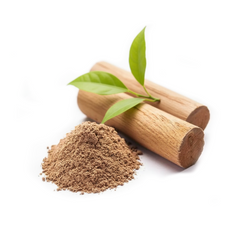
An Olive Blossom accord is constructed by blending Olive Blossom (25%) with complementary florals and fresh notes to evoke Mediterranean freshness. Jasmine (20-25%) enriches the accord with lush sweetness and warmth. Bergamot (20-25%) introduces a bright citrus lift that enhances the airy quality. Sandalwood (20-25%) provides a creamy, woody base that anchors the delicate florals and balances the accord's freshness. These proportions create a harmonious accord that is light, elegant, and evocative of sun-drenched groves.

25%

Olive Blossom

25% of blend

Provides the core delicate floral and fresh green character, essential for the accord's identity.

25%

Jasmine

20–25% of blend

Adds lush, sweet floral depth that complements and amplifies Olive Blossom's softness.

25%

Bergamot

20–25% of blend

Introduces a bright, citrusy lift that enhances the accord's airy and fresh qualities.

25%

Sandalwood

20–25% of blend

Provides a creamy, woody base that balances the floral and citrus notes with smooth warmth.

The Olfactory Layers

How Olive Blossom Evolves on Skin

Olive Blossom perfumes typically open with fresh, bright citrus or green top notes that evaporate within 15 minutes, revealing the heart where Olive Blossom's delicate floral and green sap molecules emerge. These mid-volatility compounds dominate the scent for 20 to 60 minutes, providing an airy, soft floral character. The base notes, composed of creamy woods and musks, unfold over several hours, anchoring the fragrance with warmth and longevity.

I
Top notes
0–15 min
Bright Citrus Spark

The initial impression features volatile citrus and green aldehydes, such as bergamot and lemon, which provide brightness and freshness. These molecules evaporate quickly, setting a lively and uplifting tone before the heart emerges.

BrightCitrusyFresh
II
Heart notes
20–60 min
Delicate Floral Green

Olive Blossom dominates the heart with its soft floral sweetness and subtle green undertones. Molecules like green sap aldehydes and floral lactones create a powdery, airy, and slightly honeyed aroma that evokes Mediterranean springtime.

DelicateFloralGreen
III
Base notes
Several hours
Creamy Woody Warmth

The base unfolds with creamy sandalwood, soft musk, and vanilla, providing warmth and depth. These low-volatility molecules ensure the fragrance's longevity and smooth transition from the airy heart to a comforting finish.

CreamyWoodyMusky
TOP NOTES Bright Citrus Spark 0–15 minutes HEART NOTES Delicate Floral Green 20–60 minutes BASE NOTES Creamy Woody Warmth Several hours
Through the Ages

The Story of Olive Blossom in Perfumery

Olive Blossom's journey in perfumery spans from traditional Mediterranean uses to modern niche and designer fragrances, reflecting evolving extraction technologies and olfactory appreciation.

Antiquity

Cultural Reverence of Olive Trees

Olive trees, native to the Mediterranean, were revered for their symbolism of peace and endurance. While the blossoms were appreciated in nature, their fragrance was not widely extracted in ancient perfumery.

1993

First Notable Use in Modern Perfumery

Olive Blossom began appearing as a distinct note in perfumes such as Avon Tapage (1993), marking its introduction into contemporary fragrance compositions.

2004

Armani Code Launch

Giorgio Armani's Armani Code (2004) prominently featured Olive Blossom as a heart note, popularizing its fresh floral character in mainstream perfumery.

2009

Fiore d'Ulivo by Casamorati

This niche fragrance by Casamorati highlighted Olive Blossom as a dominant note, emphasizing Mediterranean heritage and floral elegance.

2025

Le Parfum Absolu by Elie Saab

Elie Saab's Le Parfum Absolu incorporated Olive Blossom to add softness and freshness to its floral composition, showcasing the note's continued relevance in high-end perfumery.

The Art of Layering

How to Layer Olive Blossom

Understanding how to layer Olive Blossom involves recognizing its molecular compatibility with citrus, woody, and floral notes. Layering enhances or softens facets through olfactory masking and synergistic effects.

01

Enhance Freshness with Citrus

Pairing Olive Blossom with citrus notes like bergamot or lemon introduces shared aldehydes that amplify brightness and volatility, creating a sparkling, fresh top layer. This combination is exemplified in Armani Code, where citrus lifts the floral heart.

02

Add Depth with Woods

Layering with creamy woods such as sandalwood or cedarwood provides a molecular base that slows evaporation of the delicate floral compounds, extending longevity and adding warmth. This technique is used in Fiore d'Ulivo to balance freshness with depth.

03

Lighten the Glow with White Florals

Combining Olive Blossom with white florals like jasmine or orange blossom creates a seamless olfactory bridge via shared lactones and floral esters, enriching the bouquet without overpowering. This layering softens green edges and enhances floral complexity.

Wear It Right

How to Wear Olive Blossom Like a Pro

Seasonal Guide

Fall & Winter

In cooler weather, Olive Blossom's fresh and airy qualities may be subdued. Layering with warm woods or musks can enhance projection and add cozy depth. Apply more generously to pulse points for better diffusion.

Spring

Spring's moderate temperatures complement Olive Blossom's natural freshness and floral character. Light application suffices to evoke the blooming Mediterranean groves. Pair with citrus or green notes for a vibrant effect.

Summer

Summer heat enhances the volatility of Olive Blossom's top and heart notes, creating a bright, uplifting aura. Use sparingly to avoid overwhelming freshness. Citrus-infused formulations amplify its sunny, breezy appeal.

Year-Round Tip

For consistent wear, blend Olive Blossom with complementary woody or musky base notes to stabilize volatility and maintain scent integrity across seasons.

Application Points

Strategic application of Olive Blossom enhances its delicate floral freshness and longevity.

1

Neck

Pulse points on the neck emit warmth that gently diffuses Olive Blossom's airy floral notes, enhancing sillage without overpowering.

2

Behind the Ears

This discreet area allows the subtle green and floral facets to unfold naturally, creating an intimate scent aura.

3

Inner Wrists

The warmth and movement of wrists help activate the fresh and powdery aspects of Olive Blossom, prolonging its presence.

4

Hair

Applying to hair allows slow release of the fragrance with natural movement, emphasizing the airy and delicate floral character.

Pro Tip

Layer Olive Blossom with a light musk or sandalwood body lotion to enhance longevity and create a smooth scent transition.

Mood Architecture™

Top Olive Blossom Fragrances by Mood Score

These Olive Blossom-based fragrances scored highest on the MEI™ Mood Architecture Framework — measuring how a scent may influence your emotional state.

Highest MEI Score
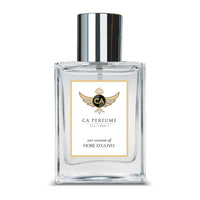
Fiore d'Ulivo — Xerjoff Fiore D'ulivo Alternative Perfume
6.16
MEI™
Primary Fresh
Secondary Energizing
Confidence
5.21
Presence
5.48
Mood Lift
7.84
Identity
5.07
Warmth
5.69
Social Ease
6.82
Energy
4.2
" I am radiant.
View full mood profile →
HumanSafe™

Top Olive Blossom Fragrances by HumanSafe™ Score

These Olive Blossom-based fragrances have the highest product-level HumanSafe™ scores in this ingredient collection.

Highest HumanSafe™ Score
Fiore d'Ulivo — Xerjoff Fiore D'ulivo Alternative Perfume
A-
HumanSafe™ Score Generally Safe
Safest Evaluated Ingredients EDP
OXACYCLOHEPTADEC-10-EN-2-ONE Evaluated ingredient ISS 10.0
AQUA Solvent / Carrier ISS 10.0
3-BUTEN-2-ONE, 4-(2,6,6-TRIMETHYL-1-CYCLOHEXEN-1-YL)- Evaluated ingredient ISS 10.0
1,4-DIOXACYCLOHEPTADECANE-5,17-DIONE Evaluated ingredient ISS 10.0
CITRAL Evaluated ingredient ISS 8.0
3-BUTEN-2-ONE, 3-METHYL-4-(2,6,6-TRIMETHYL-2- Evaluated ingredient ISS 8.0
View full safety profile →
Expert Voices

What Masters Say About Olive Blossom

Olive Blossom is one of our most delicate plant-based fragrances which closely follows the natural bloom of the Olive Tree. Its flowers are so delicate that they are almost easy to overlook, yet they possess one of the most exquisite fragrances to delight and inspire anyone who comes close enough.
Alex Green, Perfumer, Odore Mio
Olive Blossom introduces a layer of quiet elegance and natural freshness, evoking Mediterranean landscapes with its soft floral and green nuances. It harmonizes beautifully with citrus and woody notes, creating a tranquil and sophisticated heart note.
CA Perfume Editorial
Common Questions

Frequently Asked Questions

Frequently asked questions about Olive Blossom in perfumery, addressing scent, usage, and pairing.

Olive Blossom in perfume smells light, fresh, and delicately floral with subtle green undertones. It has a soft powdery sweetness combined with creamy petals and faint fruity or honeyed nuances. This note evokes the freshness of Mediterranean spring mornings and is often used as a heart note to provide an airy, tranquil floral character.

Olive Blossom is primarily used as a heart note in perfumery. It bridges the bright, volatile top notes like citrus with the deeper, longer-lasting base notes such as woods and musks. Its moderate volatility and delicate floral-green profile make it ideal for the heart stage of a fragrance's olfactory pyramid.

Olive Blossom is favored in niche perfumes for its unique, subtle floral-green character that evokes Mediterranean landscapes and cultural heritage. Its complexity and freshness offer perfumers a refined ingredient to create elegant, naturalistic compositions that stand apart from mainstream floral notes.

Olive Blossom fragrance uses blend harmoniously with citrus notes like bergamot and lemon, white florals such as jasmine and orange blossom, and creamy woods including sandalwood and cedarwood. These combinations enhance its fresh, airy qualities while adding depth and warmth to the overall composition.

Yes, Olive Blossom is ideal for summer and hot weather due to its light, fresh, and airy scent profile. Its subtle floral and green notes enhance the feeling of warmth and brightness without overwhelming, making it perfect for sunny days and outdoor events.

Olive Blossom fragrances typically last between 4 to 6 hours on the skin. The note evolves softly from fresh floral heart to a creamy woody base, with longevity influenced by formulation concentration and supporting base notes.

Yes, layering Olive Blossom is effective when combined with complementary notes such as citrus for brightness, woods for depth, and white florals for enhanced floral complexity. Understanding how to layer Olive Blossom helps create personalized scent profiles that highlight its delicate character.

Beginner-friendly Olive Blossom perfumes include Giorgio Armani's Armani Code (2004) for a balanced floral-oriental experience, Casamorati's Fiore d'Ulivo (2009) for a Mediterranean floral focus, and Korres Olive Blossom Eau de Cologne for a fresh, accessible scent.

Choosing the right Olive Blossom fragrance at CA Perfume involves considering your preference for floral intensity, supporting notes, and occasion. Our curated collection offers options ranging from light, fresh colognes to richer, woody blends, with detailed descriptions to guide your selection.

Olive Blossom smells predominantly sweet and fresh with subtle floral and green nuances. It is not spicy but may be complemented by spicy notes in a composition to add complexity. Its sweetness is soft and powdery rather than gourmand.

Floral Collection

Explore Our Top Olive Blossom Fragrances

Discover a curated selection of fragrances featuring Olive Blossom, showcasing its fresh floral elegance and Mediterranean charm.

Shop all olive blossom fragrances at CA Perfume →

Where Olive Blossom Comes From — Origin & Extraction

Olive Blossom is sourced from the flowers of the olive tree, Olea europaea, a species native to the Mediterranean basin, including key producing countries such as Italy, Greece, and Spain. These regions account for the majority of olive cultivation globally, with Italy and Spain producing millions of tons of olives annually, though only a fraction of the blossoms are harvested or utilized for fragrance extraction due to their delicate nature. The olive tree blooms briefly each spring, producing small white-gold flowers that emit a subtle, fresh floral scent. Traditional farming practices in these Mediterranean countries emphasize sustainable cultivation, often passed down through generations, which influences the aromatic profile of the blossoms through terroir effects such as soil composition, climate, and altitude. Extraction of Olive Blossom fragrance is primarily achieved through solvent extraction methods, including hexane or ethanol solvent extraction, and increasingly through supercritical CO2 extraction. These methods preserve the delicate aromatic compounds without exposing them to damaging heat. The yield of absolute from olive blossoms is low due to the flowers' delicate and sparse nature, making the natural extract costly, typically ranging from $3,000 to $6,000 per kilogram. Synthetic versions of Olive Blossom aroma are produced via laboratory synthesis, using molecules that mimic the green floral and fruity facets of the natural blossom. These synthetics cost significantly less, approximately $50 to $200 per kilogram, and provide consistent quality and stability. Sustainability considerations favor synthetic use due to the limited availability and labor-intensive harvesting of natural blossoms.

Famous Fragrances That Define Olive Blossom in Perfumery

Olive Blossom has been featured prominently in several landmark fragrances, where it functions as a heart or accent note, contributing fresh floral elegance and Mediterranean character. Giorgio Armani's Armani Code (2004), perfumer Alberto Morillas, uses Olive Blossom to add a luminous floral heart that balances the oriental spices and woods, paired with bergamot and star anise top notes. Casamorati's Fiore d'Ulivo (2009), by perfumer Emilie Coppermann, showcases Olive Blossom as the dominant note, evoking sunlit groves with supporting jasmine and green accords. Other notable fragrances include Elie Saab's Le Parfum Absolu (2025), where Olive Blossom adds softness to the floral composition; L'Artisan Parfumeur's Seville à l'Aube (2012), which uses Olive Blossom to bridge citrus and woody notes; and Royal Crown's Celebration (2011), where it serves as a fresh floral accent enhancing the overall brightness. These fragrances demonstrate Olive Blossom's versatility across feminine, masculine, and unisex scents. CA Perfume's collection draws inspiration from this lineage, emphasizing Olive Blossom's subtlety and freshness without overpowering the composition.

Natural vs Synthetic Olive Blossom in Perfumery

Natural Olive Blossom absolute is extracted from the delicate flowers of Olea europaea using solvent or supercritical CO2 extraction, yielding a complex and variable aroma rich in green, floral, and subtle fruity compounds. Its cost ranges from $3,000 to $6,000 per kilogram, reflecting the labor-intensive harvesting and low yield. Natural extracts offer nuanced olfactory depth but can vary batch to batch due to environmental factors. Synthetic Olive Blossom aroma chemicals include green floral aldehydes, lactones, and fruity esters designed to replicate the fresh, airy, and subtly sweet characteristics of the natural blossom. Key synthetic molecules often used are cis-3-Hexenol (CAS 928-96-1), Linalool (CAS 78-70-6), and methyl dihydrojasmonate (Hedione, CAS 24851-98-7). These synthetics provide enhanced stability, longevity, and batch consistency at a cost of approximately $50 to $200 per kilogram. Famous fragrances such as Giorgio Armani's Armani Code use a blend of natural and synthetic elements to achieve a balanced Olive Blossom accord. The HumanSafe™ platform ensures transparency in ingredient sourcing and safety profiles, with CA Perfume favoring blends that optimize both natural authenticity and synthetic reliability for performance and sustainability.