Ingredient Guide · Resins and Balsams
Resins and Balsams Family · Perfumery Note

Olibanum

Ancient resin, modern incense — olibanum bridges ritual and refinement.

Olibanum, also known as frankincense, is a cornerstone resin note in perfumery, prized for its airy, citrus-balsamic, and subtly smoky character. Its defining aroma comes from monoterpenes like alpha-pinene and limonene, with typical usage at 0.2–1% in compositions.

Olibanum
Ingredient Profile

Olibanum

Resins and Balsams Family
Family Resins and Balsams
Note Position Base Note
Usage Level 0.2–1% in formula
Key Origins Somalia, Oman, India
Iconic In Incense: Avignon, Interlude Man
The Ingredient

What does Olibanum smell like and why is it revered in perfumery?

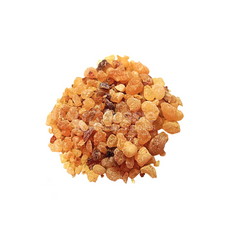
Olibanum, commonly known as frankincense, is the aromatic resin obtained from trees of the Boswellia genus, notably Boswellia sacra and Boswellia carterii. Its scent profile is defined by a complex interplay of airy, citrus-balsamic, piney, and subtly smoky notes, underpinned by woody and resinous undertones. The primary molecular contributors to olibanum’s aroma are monoterpenes such as alpha-pinene, limonene, and p-cymene, which impart a fresh, sparkling opening. Heavier sesquiterpenes and boswellic acids contribute depth and longevity, while incensole acetate provides the signature meditative, incense-like nuance. The result is a fragrance that is simultaneously uplifting and grounding, with a dry, mineral edge and a faint sweetness reminiscent of honeyed wood. In perfumery, olibanum is classified as a heart-to-base note, depending on extraction and formulation. Its volatility is moderate, allowing it to bridge the transition from bright top notes to deeper, resinous bases. Typical concentrations in fine fragrance range from 0.2% to 1%, though in incense-focused compositions it may be used at higher levels. Olibanum’s interaction with skin chemistry is notable: on warmer, more acidic skin, its citrus facets are accentuated, while on drier or more alkaline skin, the smoky and woody aspects become more pronounced. This adaptability makes olibanum a versatile tool for perfumers seeking both projection and subtlety. Olibanum in perfumery is exemplified by landmark fragrances such as Amouage Interlude Man (2012, Pierre Negrin), where Somali frankincense forms the backbone of a smoky, spicy-amber composition, and Comme des Garçons Series 3 Incense: Avignon (2002, Bertrand Duchaufour), which uses olibanum to evoke the solemnity of cathedral incense. More recently, Burberry Hero Eau de Parfum (2022, Aurélien Guichard) employs olibanum as a fresh, piney top note, demonstrating its adaptability across fragrance genres. These examples illustrate how the olibanum scent profile shapes both traditional and contemporary perfumery.

0.2–1% in formula
Olibanum is typically used at 0.2–1% concentration in fine fragrance, balancing projection and subtlety while minimizing allergenic risk.
6–10 hours longevity
In EDP and Parfum formats, olibanum’s resinous base persists for 6–10 hours, thanks to its high molecular weight sesquiterpenes and fixatives.
$300–800/kg (natural)
Premium natural olibanum oil from Somalia or Oman commands $300–800/kg, reflecting labor-intensive harvesting and limited supply.
Origin & Extraction

Where Olibanum Comes From — Origin & Extraction

Olibanum’s scent is shaped by the terroir of its origin: arid climates, limestone-rich soils, and harvesting practices all influence its aromatic profile, from citrus-bright Somali resin to earthy Indian grades.

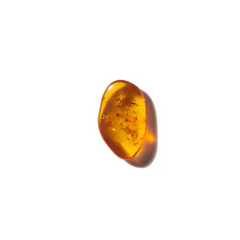
Olibanum is the resinous exudate of Boswellia trees, primarily Boswellia sacra (Oman, Yemen), Boswellia carterii (Somalia), and Boswellia serrata (India). The trees thrive in arid, limestone-rich soils on rocky hillsides and cliffs, often in regions with minimal rainfall but regular morning mists. Major producing countries include Somalia (estimated 50% of global supply), Oman (notably the Dhofar region), Ethiopia, and India. Annual global production is estimated at 2,000–3,000 metric tons, with Somalia and Oman producing the highest grades prized in perfumery. Harvesting involves making incisions in the bark, prompting the tree to exude a milky sap that hardens into translucent amber-colored tears over 10–15 days. The first taps yield lower-grade resin, while subsequent taps produce clearer, more aromatic material. For perfumery, the resin is processed via steam distillation (yielding essential oil rich in alpha-pinene and limonene), solvent extraction (producing resinoid with greater fixative properties), or increasingly, supercritical CO2 extraction. CO2 extraction operates at 31–40°C and 70–300 bar, preserving delicate monoterpenes and yielding a more complete olfactory profile. Typical yields are 3–6% by weight for oil, with resinoid yields slightly higher. Natural olibanum oil commands prices of $300–800/kg (Somali or Omani origin), while Indian Boswellia serrata oil is less costly ($100–250/kg) but less prized for fine fragrance. Synthetic substitutes, such as nature-identical alpha-pinene and incensole acetate, cost $30–80/kg but lack the nuanced complexity of natural extracts. Sustainability is a growing concern: overharvesting and climate change threaten wild Boswellia populations, prompting initiatives for managed harvesting and traceability. Supercritical CO2 extraction is favored for its lower environmental impact and higher aromatic fidelity.

SO

Somalia

Somalia’s Bari and Sanaag regions produce Boswellia carterii resin with a bright, citrus-pine aroma and high alpha-pinene content. Somalia supplies over 50% of the world’s premium olibanum, with annual exports exceeding 1,500 metric tons. Traditional hand-harvesting and sun-drying yield translucent, high-grade tears prized in fine perfumery.

OM

Oman

The Dhofar region of Oman is famed for Boswellia sacra, yielding resin with a lemony, balsamic, and mineral profile. Omani olibanum is considered the gold standard, with PDO status and strict quality controls. Production is limited (approx. 200–300 metric tons/year), ensuring rarity and aromatic intensity.

IN

India

India’s Boswellia serrata, primarily from Madhya Pradesh and Rajasthan, offers an earthy, woody olibanum with lower monoterpene content. Used more in incense and pharmaceuticals, Indian resin accounts for 20–25% of global supply. Mechanized tapping and solvent extraction are common, resulting in a heavier, less citrusy profile.

ET

Ethiopia

Ethiopia’s Tigray and Ogaden regions produce Boswellia papyrifera resin with a sweet, honeyed, and slightly floral character. Ethiopian olibanum is valued for its clarity and is commonly used in both perfumery and religious incense. Annual production is estimated at 300–400 metric tons.

Chemistry

Natural vs Synthetic Olibanum in Perfumery

Natural olibanum is a complex mixture of monoterpenes (alpha-pinene, limonene, p-cymene), sesquiterpenes, and boswellic acids, with incensole acetate (CAS 645-16-1) as a key odorant. Synthetic olibanum accords are typically built from alpha-pinene (CAS 80-56-8), limonene (CAS 138-86-3), and synthetic incensole acetate, sometimes augmented with isoamyl cinnamate and cyclopentenyl methyl ether for added balsamic and smoky facets. Synthetic versions offer batch-to-batch consistency, enhanced stability, and reduced allergenic risk, but often lack the evolving, mineral-citrus complexity of high-grade natural extracts. Cost differentials are significant: natural Somali or Omani olibanum oil can reach $800/kg, while synthetic blends are produced for $30–80/kg. Longevity and diffusion are generally superior in natural extracts due to the presence of heavier sesquiterpenes and fixatives. Notable fragrances using natural olibanum include Amouage Interlude Man and Comme des Garçons Avignon, while many designer scents (e.g., Hugo Boss Boss Bottled Parfum) rely on synthetic or blended olibanum for cost and regulatory reasons. Sustainability and traceability are critical: wild Boswellia populations face overharvesting, so HumanSafe™-verified sourcing and CO2 extraction are increasingly prioritized. CA Perfume’s approach emphasizes full transparency of botanical source, extraction method, and IFRA compliance, ensuring both safety and aromatic integrity. At least three aroma chemicals—alpha-pinene, limonene, and incensole acetate—are central to both natural and synthetic olibanum accords.

Natural
Olibanum Absolute
Cost $3,000–6,000/kg
Method Solvent / CO₂
Character Complex, variable
vs
Synthetic
Safranal & Analogues
Cost $50–200/kg
Method Lab synthesis
Character Consistent, stable
Hall of Fame

Famous Fragrances That Define Olibanum in Perfumery

2002
dominant note

Incense: Avignon

Comme des Garçons
by Bertrand Duchaufour
myrrhvanillapatchouli
2012
dominant note

Interlude Man

Amouage
by Pierre Negrin
oreganoamberleather
2021
accent

Love At Your Darkest

Gucci
by Alberto Morillas
black pepperincensecedarwood
2022
top note

Hero Eau de Parfum

Burberry
by Aurélien Guichard
pine needlesbenzoincedarwood
2022
bridge note

De Los Santos

Byredo
by Jérôme Epinette
sagemuskamber

Olibanum’s influence in perfumery spans centuries, from ancient incense to modern niche and designer fragrances. One of the earliest landmark uses is in Comme des Garçons Series 3 Incense: Avignon (2002, Bertrand Duchaufour), where olibanum is paired with myrrh, vanilla, and patchouli to evoke the solemnity of cathedral rituals. Amouage Interlude Man (2012, Pierre Negrin) uses Somali frankincense as the backbone of a smoky, spicy-amber composition, blending it with oregano, amber, and leather for a dramatic, long-lasting effect. Gucci Love At Your Darkest (2021, Alberto Morillas) employs olibanum as a fresh, piney accent to black pepper and incense, demonstrating its versatility in contemporary unisex perfumery. Burberry Hero Eau de Parfum (2022, Aurélien Guichard) showcases olibanum as a top note, lending a citrus-pine freshness that bridges into a woody cedar base. Byredo De Los Santos (2022, Jérôme Epinette) features olibanum in combination with sage, musk, and amber, creating a meditative, airy incense effect that is both modern and contemplative. These fragrances illustrate olibanum’s role as a dominant note, bridge, or accent, often paired with woods, spices, amber, and florals. CA Perfume’s collection draws inspiration from this lineage, offering olibanum-centered compositions that honor both tradition and innovation.

The Accord

How is a captivating Olibanum accord crafted?

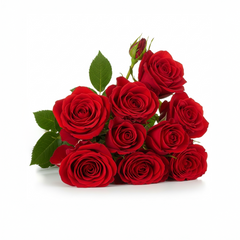
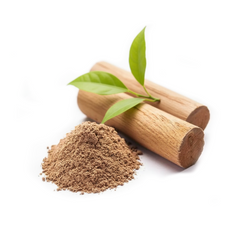
A classic olibanum accord balances resinous clarity, citrus brightness, and smoky depth. Typical proportions: Olibanum 30–35%, Rose 20–25%, Myrrh 20–25%, Sandalwood 20–25%. Olibanum provides the airy, citrus-balsamic core; rose introduces damascenone for floral lift and molecular bridging; myrrh adds earthy, medicinal depth via furanoeudesma-1,3-diene; sandalwood supplies creamy, lactonic fixative properties, rounding the accord and enhancing longevity.

35%

Olibanum

30–35% of blend

Olibanum delivers the signature citrus-balsamic, piney, and smoky facets, driven by alpha-pinene and incensole acetate. It forms the structural core of the accord.

25%

Rose

20–25% of blend

Rose absolute contributes damascenone and beta-damascenone, which molecularly bridge olibanum’s citrus and resinous facets, adding floral lift and complexity.

25%

Myrrh

20–25% of blend

Myrrh introduces earthy, balsamic, and slightly medicinal notes via furanoeudesma-1,3-diene, deepening the accord and enhancing its incense-like character.

25%

Sandalwood

20–25% of blend

Sandalwood’s santalol content imparts creamy, lactonic warmth, acting as a fixative and smoothing the transition between olibanum’s volatile and resinous facets.

The Olfactory Layers

How Olibanum Evolves on Skin

Olibanum’s olfactory evolution moves from citrus-pine brightness to smoky, resinous depth. Early monoterpenes evaporate quickly, revealing balsamic, mineral, and woody facets as heavier sesquiterpenes and fixatives persist.

I
Top notes
0–15 min
Citrus-Pine Sparkle

Initial impressions are dominated by alpha-pinene and limonene, yielding a sparkling citrus-pine freshness with airy, mineral undertones. These high-volatility monoterpenes evaporate rapidly, creating a bright, uplifting opening that quickly transitions as the lighter molecules dissipate.

citrus-pineairymineral
II
Heart notes
20–60 min
Balsamic Incense Veil

As the top notes fade, incensole acetate and p-cymene emerge, imparting a smoky, balsamic, and slightly spicy character. The scent becomes more meditative and resinous, with subtle honeyed and woody nuances. These mid-weight molecules anchor the composition and interact with skin chemistry for evolving complexity.

balsamicsmokywoody
III
Base notes
Several hours
Earthy Resin Drydown

The drydown is defined by heavier sesquiterpenes and boswellic acids, which provide a lingering, earthy, and slightly sweet resinous base. The incense effect persists, with a mineral warmth and subtle amber undertone, ensuring longevity and depth.

resinousearthyambered
TOP NOTES Citrus-Pine Sparkle 0–15 minutes HEART NOTES Balsamic Incense Veil 20–60 minutes BASE NOTES Earthy Resin Drydown Several hours
Through the Ages

The Story of Olibanum in Perfumery

Olibanum’s journey in perfumery spans millennia, from ancient incense rituals to contemporary niche fragrances.

Antiquity

Sacred Incense in Rituals

Olibanum is burned in religious ceremonies across Egypt, Mesopotamia, and the Levant. Its resin is traded along the Incense Route, prized for both fragrance and spiritual significance.

1850s

First Steam Distillation of Olibanum Oil

European chemists develop steam distillation techniques for extracting olibanum essential oil, enabling its use in early cologne and fougère compositions.

1920s

Integration in Modern Perfumery

Olibanum appears in classic French perfumery, notably in Guerlain’s L’Heure Bleue (1912) and Caron’s Tabac Blond (1919), as a fixative and bridge note.

2002

Niche Incense Renaissance

Comme des Garçons Series 3 Incense: Avignon (Bertrand Duchaufour) redefines olibanum as a dominant note in modern niche perfumery, inspiring a wave of incense-focused compositions.

2021–2024

Sustainable Extraction and Layering

Supercritical CO2 extraction and HumanSafe™-verified sourcing become industry standards. Olibanum-centered layering collections, such as those by Olibanum (Paris), gain popularity for their modular, customizable approach.

The Art of Layering

How to Layer Olibanum

Understanding how to layer olibanum is key to unlocking its full olfactory potential. Its molecular compatibility with florals, woods, and resins allows for nuanced, personalized fragrance structures.

01

Enhance Floral Lift

Layering olibanum with rose or neroli leverages shared damascenone and ionone compounds, creating a seamless bridge between resinous and floral notes. This pairing is exemplified in Amouage Opus XII – Rose Incense, where the floral heart is elevated by the meditative clarity of olibanum.

02

Deepen Woody Warmth

Combining olibanum with sandalwood or cedarwood exploits the fixative properties of santalol and cedrol, enhancing the longevity and grounding the incense effect. Tom Ford Bois Pacifique demonstrates this synergy, yielding a creamy, resinous drydown.

03

Modernize with Citrus

Pairing olibanum with bergamot or grapefruit amplifies its citrus-pine facets via molecular resonance (shared limonene and alpha-pinene), resulting in a fresh, contemporary incense accord. Louis Vuitton Imagination uses this technique for a luminous, airy effect.

Wear It Right

How to Wear Olibanum Like a Pro

Seasonal Guide

Fall & Winter

Cool air suppresses olibanum’s volatility, allowing its smoky, balsamic, and resinous facets to linger. Apply to pulse points and under clothing for a meditative, enveloping effect. Layer with amber or myrrh for added warmth and depth.

Spring

Rising temperatures enhance olibanum’s citrus-pine brightness and airy freshness. Apply lightly to exposed skin for a clean, uplifting presence. Pair with floral notes like rose or neroli to emphasize its luminous qualities.

Summer

Heat increases the volatility of olibanum’s monoterpenes, amplifying projection but shortening longevity. Apply sparingly or to hair/clothing for a fresh, mineral incense trail. Combine with citrus or green notes for a breezy, modern effect.

Year-Round Tip

Adjust application based on humidity: in dry climates, olibanum’s resinous base persists; in humid conditions, its airy, citrus facets bloom. Experiment with layering to tailor projection and mood to the environment.

Application Points

Strategic application enhances olibanum’s evolving scent profile and projection.

1

Neck

Pulse points on the neck generate warmth, accelerating the release of olibanum’s citrus-pine top notes and enhancing sillage during the initial phase.

2

Behind the Ears

This area maintains moderate heat, allowing the balsamic, smoky heart of olibanum to develop gradually and linger close to the skin.

3

Inner Wrists

Frequent movement and warmth at the wrists promote olibanum’s dynamic evolution, from sparkling top notes to resinous drydown, with subtle projection.

4

Hair

Spraying on hair or beard provides sustained release of olibanum’s lighter molecules, creating a gentle, persistent incense aura throughout the day.

Pro Tip

Apply a small amount to fabric (scarf, collar) to extend longevity and preserve the full olfactory arc, as olibanum’s heavier molecules adhere well to fibers.

Mood Architecture™

Top Olibanum Fragrances by Mood Score

These Olibanum-based fragrances scored highest on the MEI™ Mood Architecture Framework — measuring how a scent may influence your emotional state.

Highest MEI Score
Cacao Noir — Coco Noir Alternative Perfume
8.54
MEI™
Primary Romantic
Secondary Confident
Confidence
8.35
Presence
9.29
Mood Lift
8.75
Identity
9.26
Warmth
9.5
Social Ease
8.03
Energy
3.7
" I am beautiful.
View full mood profile →
White Suede — Tom Ford White Suede Alternative Perfume
7.9
MEI™
Primary Confident
Secondary Magnetic
Confidence
8.68
Presence
8.11
Mood Lift
7.71
Identity
8.08
Warmth
8.23
Social Ease
7.35
Energy
3.1
" I am unstoppable.
View full mood profile →
Resident X — Citizen X Alternative Perfume
7.86
MEI™
Primary Romantic
Secondary Confident
Confidence
8.04
Presence
8.24
Mood Lift
8.01
Identity
8.56
Warmth
8.29
Social Ease
7.41
Energy
3.4
" I am beautiful.
View full mood profile →
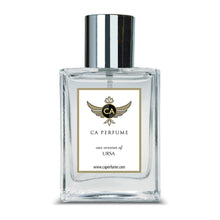
Ursa — Tiziana Terenzi Ursa Alternative Perfume
7.64
MEI™
Primary Magnetic
Secondary Confident
Confidence
8.69
Presence
9.5
Mood Lift
6.82
Identity
9.5
Warmth
8.23
Social Ease
5.92
Energy
3.1
" I am bold.
View full mood profile →
HumanSafe™

Top Olibanum Fragrances by HumanSafe™ Score

These Olibanum-based fragrances have the highest product-level HumanSafe™ scores in this ingredient collection.

Highest HumanSafe™ Score
White Suede — Tom Ford White Suede Alternative Perfume
A-
HumanSafe™ Score Generally Safe
Safest Evaluated Ingredients EDP
AQUA Solvent / Carrier ISS 10.0
AMBROXID Evaluated ingredient ISS 10.0
1,4-DIOXACYCLOHEPTADECANE-5,17-DIONE Evaluated ingredient ISS 10.0
LINALOOL Evaluated ingredient ISS 7.0
CITRONELLOL Evaluated ingredient ISS 7.0
View full safety profile →
Ursa — Tiziana Terenzi Ursa Alternative Perfume
A-
HumanSafe™ Score Generally Safe
Safest Evaluated Ingredients EDP
AQUA Solvent / Carrier ISS 10.0
1,4-DIOXACYCLOHEPTADECANE-5,17-DIONE Evaluated ingredient ISS 10.0
3-BUTEN-2-ONE, 3-METHYL-4-(2,6,6-TRIMETHYL-2- Evaluated ingredient ISS 8.0
CYCLOHEXANEPROPANOL, 2,2,6-TRIMETHYL-.ALPHA.-PROPYL- Evaluated ingredient ISS 7.0
CEDROL Evaluated ingredient ISS 7.0
ALPHA-CEDRENE Evaluated ingredient ISS 7.0
View full safety profile →
Tobacco Mandarin — Byredo Tobacco Mandarin Alternative Perfume
A-
HumanSafe™ Score Generally Safe
Safest Evaluated Ingredients EDP
CYCLOPENTANEACETIC ACID, 3-OXO-2-PENTYL-, METHYL Evaluated ingredient ISS 10.0
AQUA Solvent / Carrier ISS 10.0
1,4-DIOXACYCLOHEPTADECANE-5,17-DIONE Evaluated ingredient ISS 10.0
1H-BENZOCYCLOHEPTENE, 2,4A,5,6,7,8-HEXAHYDRO- Evaluated ingredient ISS 9.0
1,2-BENZENEDICARBOXYLIC ACID, DIETHYL ESTER Evaluated ingredient ISS 8.0
LINALOOL Evaluated ingredient ISS 7.0
View full safety profile →
Shanghai Lily — Tom Ford Impression Shanghai Lily Alternative Perfume
A-
HumanSafe™ Score Generally Safe
Safest Evaluated Ingredients EDP
AQUA Solvent / Carrier ISS 10.0
BENZYL SALICYLATE EYE IRRITATION - CAT. 2B [H320] Evaluated ingredient ISS 9.0
4H-INDEN-4-ONE, 1,2,3,5,6,7-HEXAHYDRO-1,1,2,3,3- Evaluated ingredient ISS 9.0
1H-3A,7-METHANOAZULENE, OCTAHYDRO-6-METHOXY-3,6,8,8- Evaluated ingredient ISS 9.0
OCTANAL, 2-(PHENYLMETHYLENE)- Evaluated ingredient ISS 8.0
LINALYL ACETATE Evaluated ingredient ISS 7.0
View full safety profile →
Expert Voices

What Masters Say About Olibanum

"Frankincense, also known as olibanum, is an aromatic resin obtained from trees of the Boswellia genus, particularly Boswellia sacra, Boswellia carterii, and Boswellia serrata. Its scent profile is airy, lemony-pine, subtly smoky, and resinous, often described as fresh and dry rather than heavy."
WhatScent Magazine
Olibanum’s molecular complexity—anchored by alpha-pinene, limonene, and incensole acetate—enables it to function as both a luminous top note and a meditative, resinous base in modern perfumery.
CA Perfume Editorial
Common Questions

Frequently Asked Questions

Answers to common questions about olibanum’s scent, usage, and performance in perfumery.

Olibanum in perfume presents an airy, citrus-balsamic, and subtly smoky aroma, evolving from a piney, mineral freshness to a meditative, resinous depth. Its scent is shaped by alpha-pinene, limonene, and incensole acetate, yielding a profile that is both uplifting and grounding. Notable examples include Amouage Interlude Man and Comme des Garçons Avignon, where olibanum’s incense character is central.

Olibanum is most commonly classified as a heart-to-base note in perfumery. Its moderate volatility allows it to bridge the transition from bright top notes to deeper, resinous bases. In some modern compositions, CO2-extracted olibanum can appear as a top note, but its true strength lies in its ability to anchor the heart and base of a fragrance.

Olibanum is favored in niche perfumery for its complex, evolving scent profile and its ability to evoke ritual, introspection, and timelessness. Its molecular structure allows for both projection and subtlety, making it a versatile ingredient for creating meditative, atmospheric, or avant-garde compositions. Its use in iconic fragrances like Avignon and Interlude Man has cemented its status among connoisseurs.

Olibanum fragrance uses often involve pairing with rose, myrrh, sandalwood, amber, patchouli, and citrus notes. These combinations exploit molecular affinities—such as damascenone in rose or santalol in sandalwood—to create harmonious, multi-dimensional accords. Layering with florals or woods can highlight olibanum’s airy or resinous facets, respectively.

Yes, olibanum’s citrus-pine top notes and airy freshness make it suitable for summer and hot weather, especially in lighter concentrations or when paired with citrus and green notes. Heat increases the volatility of its monoterpenes, amplifying projection but shortening longevity. Apply sparingly and consider layering with fresh notes for optimal effect.

Olibanum fragrances typically last 6–10 hours in Eau de Parfum or Parfum formats, thanks to the presence of heavier sesquiterpenes and fixatives in the resin. Longevity can vary based on concentration, skin chemistry, and environmental conditions. Oil-based formats may extend the earthy, resinous drydown even further.

Yes, olibanum is highly compatible for layering due to its molecular affinity with florals, woods, and resins. Layering with rose or neroli enhances its floral lift, while pairing with sandalwood or amber deepens its resinous warmth. Modern layering collections, such as those by Olibanum (Paris), are designed for modular, personalized scent experiences.

For those new to olibanum, accessible yet refined options include Burberry Hero Eau de Parfum (2022), Byredo De Los Santos (2022), and Gucci Love At Your Darkest (2021). These fragrances showcase olibanum’s versatility, from fresh and piney to smoky and meditative, making them suitable entry points for exploring this note.

Choosing the right olibanum fragrance involves considering your preferred scent profile (airy, smoky, floral, woody), concentration, and seasonality. CA Perfume’s collection offers olibanum-centered compositions with transparent sourcing and extraction details, allowing you to select based on both olfactory preference and ethical considerations.

Olibanum can exhibit both smoky and clean facets, depending on extraction method and formulation. CO2-extracted olibanum tends to be cleaner and more citrus-pine, while steam-distilled or pyrogenized extracts emphasize smoky, balsamic, and resinous qualities. The balance of these facets is shaped by the presence of incensole acetate (smoky) and alpha-pinene (clean, piney).

Resins and Balsams Collection

Explore Our Top Olibanum Fragrances

Discover CA Perfume’s curated selection of olibanum-centered scents, each highlighting the resin’s meditative, citrus-balsamic character and versatile layering potential.

Shop all olibanum fragrances at CA Perfume →

Where Olibanum Comes From — Origin & Extraction

Olibanum is the resinous exudate of Boswellia trees, primarily Boswellia sacra (Oman, Yemen), Boswellia carterii (Somalia), and Boswellia serrata (India). The trees thrive in arid, limestone-rich soils on rocky hillsides and cliffs, often in regions with minimal rainfall but regular morning mists. Major producing countries include Somalia (estimated 50% of global supply), Oman (notably the Dhofar region), Ethiopia, and India. Annual global production is estimated at 2,000–3,000 metric tons, with Somalia and Oman producing the highest grades prized in perfumery. Harvesting involves making incisions in the bark, prompting the tree to exude a milky sap that hardens into translucent amber-colored tears over 10–15 days. The first taps yield lower-grade resin, while subsequent taps produce clearer, more aromatic material. For perfumery, the resin is processed via steam distillation (yielding essential oil rich in alpha-pinene and limonene), solvent extraction (producing resinoid with greater fixative properties), or increasingly, supercritical CO2 extraction. CO2 extraction operates at 31–40°C and 70–300 bar, preserving delicate monoterpenes and yielding a more complete olfactory profile. Typical yields are 3–6% by weight for oil, with resinoid yields slightly higher. Natural olibanum oil commands prices of $300–800/kg (Somali or Omani origin), while Indian Boswellia serrata oil is less costly ($100–250/kg) but less prized for fine fragrance. Synthetic substitutes, such as nature-identical alpha-pinene and incensole acetate, cost $30–80/kg but lack the nuanced complexity of natural extracts. Sustainability is a growing concern: overharvesting and climate change threaten wild Boswellia populations, prompting initiatives for managed harvesting and traceability. Supercritical CO2 extraction is favored for its lower environmental impact and higher aromatic fidelity.

Famous Fragrances That Define Olibanum in Perfumery

Olibanum’s influence in perfumery spans centuries, from ancient incense to modern niche and designer fragrances. One of the earliest landmark uses is in Comme des Garçons Series 3 Incense: Avignon (2002, Bertrand Duchaufour), where olibanum is paired with myrrh, vanilla, and patchouli to evoke the solemnity of cathedral rituals. Amouage Interlude Man (2012, Pierre Negrin) uses Somali frankincense as the backbone of a smoky, spicy-amber composition, blending it with oregano, amber, and leather for a dramatic, long-lasting effect. Gucci Love At Your Darkest (2021, Alberto Morillas) employs olibanum as a fresh, piney accent to black pepper and incense, demonstrating its versatility in contemporary unisex perfumery. Burberry Hero Eau de Parfum (2022, Aurélien Guichard) showcases olibanum as a top note, lending a citrus-pine freshness that bridges into a woody cedar base. Byredo De Los Santos (2022, Jérôme Epinette) features olibanum in combination with sage, musk, and amber, creating a meditative, airy incense effect that is both modern and contemplative. These fragrances illustrate olibanum’s role as a dominant note, bridge, or accent, often paired with woods, spices, amber, and florals. CA Perfume’s collection draws inspiration from this lineage, offering olibanum-centered compositions that honor both tradition and innovation.

Natural vs Synthetic Olibanum in Perfumery

Natural olibanum is a complex mixture of monoterpenes (alpha-pinene, limonene, p-cymene), sesquiterpenes, and boswellic acids, with incensole acetate (CAS 645-16-1) as a key odorant. Synthetic olibanum accords are typically built from alpha-pinene (CAS 80-56-8), limonene (CAS 138-86-3), and synthetic incensole acetate, sometimes augmented with isoamyl cinnamate and cyclopentenyl methyl ether for added balsamic and smoky facets. Synthetic versions offer batch-to-batch consistency, enhanced stability, and reduced allergenic risk, but often lack the evolving, mineral-citrus complexity of high-grade natural extracts. Cost differentials are significant: natural Somali or Omani olibanum oil can reach $800/kg, while synthetic blends are produced for $30–80/kg. Longevity and diffusion are generally superior in natural extracts due to the presence of heavier sesquiterpenes and fixatives. Notable fragrances using natural olibanum include Amouage Interlude Man and Comme des Garçons Avignon, while many designer scents (e.g., Hugo Boss Boss Bottled Parfum) rely on synthetic or blended olibanum for cost and regulatory reasons. Sustainability and traceability are critical: wild Boswellia populations face overharvesting, so HumanSafe™-verified sourcing and CO2 extraction are increasingly prioritized. CA Perfume’s approach emphasizes full transparency of botanical source, extraction method, and IFRA compliance, ensuring both safety and aromatic integrity. At least three aroma chemicals—alpha-pinene, limonene, and incensole acetate—are central to both natural and synthetic olibanum accords.