Ingredient Guide · Woody Mossy
Woody Mossy Family · Perfumery Note

Oakmoss

The green, earthy backbone of classic chypre and fougère perfumes.

Oakmoss is a foundational base note in perfumery, prized for its earthy, damp, and woody character. Its defining scent comes from phenolic compounds and depsides, with IFRA-regulated concentrations typically below 0.1%.

Oakmoss
Ingredient Profile

Oakmoss

Woody Mossy Family
Family Woody Mossy
Note Position Base Note
Usage Level <0.1%
Key Origins North Macedonia, Bulgaria, France
Iconic In Chypre, Mitsouko
The Ingredient

What does Oakmoss smell like and why is it essential in perfumery?

Oakmoss (Evernia prunastri) is a lichen, not a true moss, that grows on the bark of oak and other deciduous trees in temperate forests. Its scent profile is complex and multifaceted, often described as earthy, damp, woody, and slightly bitter, with undertones of leather and a subtle marine nuance. The characteristic aroma arises from phenolic compounds, depsides (notably evernic acid), and trace amounts of atranol and chloroatranol (now heavily restricted due to allergenicity). Oakmoss absolute, the concentrated extract used in perfumery, is green-brown and intensely aromatic, evoking the scent of a forest floor after rain. The 'oakmoss scent profile' is further shaped by the extraction process, which can yield either a creamy, soft, and mossy aroma or a sharper, bark-like, and slightly animalic impression depending on the method and source material. In perfumery, oakmoss is classified as a base note due to its low volatility and fixative properties. It is typically used at concentrations below 0.1% in finished fragrance formulas, in compliance with IFRA regulations. Oakmoss interacts with skin chemistry by anchoring more volatile notes, slowing their evaporation and providing a persistent, grounding effect. On skin, its earthy facets can become more pronounced in the presence of heat and moisture, while its bitterness may be softened by pairing with floral or citrus notes. The question 'what does oakmoss smell like' is central to understanding its role as a structural element in chypre and fougère compositions, where it bridges citrus, floral, and woody notes. 'Oakmoss in perfumery' is exemplified by its use in landmark fragrances such as Guerlain Mitsouko (1919, Jacques Guerlain), where it forms the mossy base of the chypre accord alongside bergamot and labdanum, and Chanel No. 19 (1970, Henri Robert), where it provides a green, earthy counterpoint to iris and galbanum. More recently, oakmoss features in Chloé Nomade (2018, Quentin Bisch) as a modern, transparent interpretation of the classic chypre structure. These examples illustrate how oakmoss defines the character and longevity of some of perfumery’s most enduring creations.

<0.1%
Maximum allowed concentration of natural oakmoss absolute in finished fragrances, as mandated by IFRA due to allergenic compounds (atranol, chloroatranol).
6–10 Hours
Typical longevity of oakmoss-rich fragrances on skin, owing to its fixative properties and low volatility. Longevity may vary with concentration and skin chemistry.
100 kg : 1 kg
Yield ratio for oakmoss absolute: approximately 100 kg of raw lichen produces 1 kg of absolute via solvent extraction, reflecting the labor-intensive nature of production.
Origin & Extraction

Where Oakmoss Comes From — Origin & Extraction

Oakmoss’s scent character is shaped by the microclimate and soil composition of its growing region. Balkan oakmoss is renowned for its intense, earthy aroma, while French and Moroccan varieties offer subtle differences in green and leathery facets.

Oakmoss is derived from Evernia prunastri, a lichen that thrives on the bark of oak trees and, less commonly, on other deciduous and coniferous species in temperate forests. The primary harvesting regions are the Balkan Peninsula (notably Macedonia and Bulgaria), with additional production in France and Morocco. Annual global production is estimated at several hundred metric tons, with the Balkans supplying the majority of the market. Harvesting occurs in winter and spring, when the lichen is manually collected from tree bark. Extraction of oakmoss for perfumery is performed via solvent extraction, typically using volatile solvents such as hexane or ethanol. The process involves soaking the dried lichen in solvent, yielding a concrete, which is then further processed with ethanol to produce oakmoss absolute—a dark green, viscous liquid with a yield of approximately 1 kg absolute from 100 kg raw lichen. The absolute is prized for its fixative properties and complex aroma. In the past, vacuum distillation was also used, producing a lighter, drier extract, but solvent extraction remains the industry standard due to higher aromatic fidelity. Natural oakmoss absolute is costly, with prices ranging from $500–$1,200 per kg depending on purity and allergen content. Synthetic substitutes, such as Evernyl (methyl 2,4-dihydroxy-3,6-dimethylbenzoate, CAS 4707-47-5), are significantly less expensive at $50–$150 per kg. Since 2017, IFRA regulations have restricted the use of natural oakmoss to less than 100 ppm of atranol and chloroatranol, leading to the development of 'purified' or 'lightened' oakmoss absolutes. Sustainability concerns center on overharvesting and biodiversity; however, the relatively slow growth of Evernia prunastri and manual collection methods have prompted efforts to regulate and certify sustainable harvesting practices.

MK

North Macedonia

Harvested primarily in the Šar Mountains, Macedonian oakmoss is prized for its rich, earthy, and slightly bitter aroma. The region’s limestone soils and cool, humid climate yield lichen with high concentrations of evernic acid. North Macedonia supplies over 60% of global oakmoss used in perfumery.

BG

Bulgaria

Bulgarian oakmoss, collected in the Rhodope Mountains, is noted for its balanced earthy and green profile. The region’s moderate rainfall and mixed deciduous forests produce lichen with a nuanced, less bitter scent. Bulgaria accounts for approximately 20% of the world’s oakmoss harvest.

FR

France

Oakmoss from the Massif Central and Pyrenees regions is exported to Grasse, where it is processed for the French fragrance industry. French oakmoss is valued for its soft, creamy, and slightly leathery nuances, with strict PDO/PGI standards ensuring quality.

MA

Morocco

Moroccan oakmoss, sourced from the Middle Atlas, features a drier, more leathery scent profile due to arid conditions and higher altitude. Production is smaller scale, but the material is sought after for niche perfumery.

Chemistry

Natural vs Synthetic Oakmoss in Perfumery

Natural oakmoss absolute contains a complex mixture of phenolic compounds, depsides (notably evernic acid), and trace allergens such as atranol (CAS 526-37-4) and chloroatranol (CAS 57074-21-2). These molecules are responsible for the signature earthy, mossy, and slightly bitter aroma, but also for allergenic potential. IFRA regulations now limit natural oakmoss to less than 0.1% in finished fragrances, with further restrictions on atranol and chloroatranol content ( To address these restrictions, perfumers use purified oakmoss absolutes (with allergens removed) or synthetic substitutes. The most common synthetic is Evernyl (methyl 2,4-dihydroxy-3,6-dimethylbenzoate, CAS 4707-47-5), which mimics the creamy, mossy facets of natural oakmoss but lacks its full complexity. Other aroma chemicals include Veramoss (CAS 4707-47-5, a trade name for Evernyl) and Methyl β-orcinolcarboxylate. Synthetics offer greater stability, batch consistency, and lower cost (typically $50–$150/kg versus $500–$1,200/kg for natural absolute), but may lack the nuanced, earthy depth of the natural extract. Famous fragrances such as Guerlain Mitsouko and Chanel No. 19 originally relied on natural oakmoss, but have been reformulated with purified or synthetic versions to comply with modern safety standards. Sustainability and supply chain transparency are increasingly important; the HumanSafe™ platform verifies allergen content and sustainable sourcing for both natural and synthetic oakmoss ingredients.

Natural
Oakmoss Absolute
Cost $3,000–6,000/kg
Method Solvent / CO₂
Character Complex, variable
vs
Synthetic
Safranal & Analogues
Cost $50–200/kg
Method Lab synthesis
Character Consistent, stable
Hall of Fame

Famous Fragrances That Define Oakmoss in Perfumery

1917
dominant note

Chypre

Coty
by François Coty
BergamotLabdanumPatchouli
1919
dominant note

Mitsouko

Guerlain
by Jacques Guerlain
PeachRoseSpicesLabdanum
1970
bridge note

No. 19

Chanel
by Henri Robert
GalbanumIrisVetiver
2018
accent

Nomade

Chloé
by Quentin Bisch
Mirabelle PlumFreesiaOakmoss
2017
dominant note

Mousse Illuminee

Rogue Perfumery
by Manuel Cross
CitrusTonka BeanPatchouli

Oakmoss is a cornerstone of the chypre and fougère fragrance families, serving as a structural base note and fixative. Its role is most famously exemplified in François Coty’s Chypre (1917), which established the classic chypre accord—bergamot, labdanum, and oakmoss. Guerlain Mitsouko (1919, Jacques Guerlain) further refined this structure, pairing oakmoss with peach, rose, and spices to create a fragrance of enduring complexity and longevity. Chanel No. 19 (1970, Henri Robert) uses oakmoss as a green, earthy anchor for iris and galbanum, resulting in a crisp, sophisticated floral-chypre. In contemporary perfumery, Chloé Nomade (2018, Quentin Bisch) reinterprets the chypre structure with a transparent, modern oakmoss note, blending it with Mirabelle plum and freesia. Rogue Perfumery’s Mousse Illuminee (2017, Manuel Cross) is a niche creation that celebrates the vintage, mossy character of oakmoss using both natural and synthetic forms. These fragrances illustrate oakmoss’s versatility: as a dominant note in Mitsouko, a bridge note in Chanel No. 19, and an accent in Chloé Nomade. CA Perfume’s oakmoss-inspired collection draws on this lineage, offering both classic and contemporary interpretations for modern wearers.

The Accord

How is a captivating Oakmoss accord crafted?

A classic oakmoss accord blends Oakmoss Absolute (30–35%), Patchouli (20–25%), Bergamot (20–25%), and Labdanum (20–25%). Oakmoss provides the earthy, mossy backbone via phenolic depsides; patchouli adds woody, camphoraceous depth (patchoulol); bergamot supplies a bright, volatile citrus lift (linalyl acetate); labdanum introduces ambery, resinous warmth (labdanic acid), binding the accord and enhancing longevity.

35%

Oakmoss Absolute

30–35% of blend

Oakmoss absolute imparts earthy, mossy, and slightly bitter notes through phenolic compounds and depsides, forming the structural base of the accord.

25%

Patchouli

20–25% of blend

Patchouli oil contributes woody, camphoraceous depth via patchoulol and related sesquiterpenes, reinforcing the mossy character and enhancing fixative power.

25%

Bergamot

20–25% of blend

Bergamot essential oil introduces a bright, citrusy top note (linalyl acetate, limonene), providing contrast and volatility to the earthy base.

25%

Labdanum

20–25% of blend

Labdanum absolute brings ambery, resinous warmth (labdanic acid, diterpenes), binding the accord and extending the longevity of the mossy base.

The Olfactory Layers

How Oakmoss Evolves on Skin

Oakmoss evolves gradually on the skin, with volatile green and citrus notes dissipating in the first 15 minutes, revealing earthy, mossy heart notes that persist for several hours. The base is defined by slow-evaporating phenolic compounds and fixatives, ensuring longevity.

I
Top notes
0–15 min
Green Forest Mist

The initial impression is green, slightly bitter, and reminiscent of damp forest air. Volatile terpenes and aldehydes (such as linalool and hexanal) provide a fleeting, fresh lift before quickly evaporating.

GreenBitterFresh
II
Heart notes
20–60 min
Earthy Moss Veil

As the top notes fade, earthy, woody, and slightly leathery facets emerge. This stage is dominated by phenolic compounds and depsides (evernic acid), which create the signature mossy character and soft, powdery undertone.

EarthyWoodyLeathery
III
Base notes
Several hours
Creamy Mossy Depth

The drydown is persistent, creamy, and mossy, with subtle animalic and ambery nuances. Slow-evaporating fixatives and residual phenolics anchor the fragrance, providing depth and longevity.

MossyCreamyPersistent
TOP NOTES Green Forest Mist 0–15 minutes HEART NOTES Earthy Moss Veil 20–60 minutes BASE NOTES Creamy Mossy Depth Several hours
Through the Ages

The Story of Oakmoss in Perfumery

Oakmoss has shaped perfumery from ancient rituals to the modern chypre and fougère families, with its regulatory journey influencing fragrance formulation over the last century.

Ancient Egypt

Early Ritual Use

Lichens including oakmoss were used in embalming and incense blends, valued for their earthy, preservative aroma in Egyptian burial practices.

1917

Chypre by Coty Launch

François Coty introduces Chypre, establishing the oakmoss-bergamot-labdanum accord and giving rise to the chypre fragrance family.

1919

Guerlain Mitsouko Debuts

Jacques Guerlain’s Mitsouko refines the chypre structure, blending oakmoss with peach and spices, and becomes a benchmark for longevity and complexity.

1970

Chanel No. 19 Launches

Henri Robert’s Chanel No. 19 features oakmoss as a green, earthy anchor, paired with iris and galbanum, exemplifying the floral-chypre style.

2017

IFRA Allergen Restrictions

The European Commission and IFRA restrict atranol and chloroatranol in natural oakmoss, prompting reformulation of classic fragrances and the rise of synthetic substitutes.

The Art of Layering

How to Layer Oakmoss

Understanding how to layer oakmoss is key to maximizing its molecular compatibility and olfactory impact. Oakmoss’s phenolic and earthy facets pair best with notes that share or complement its molecular structure, such as patchouli, vetiver, and citrus. Layering with floral or amber notes can soften its bitterness and enhance complexity.

01

Enhance Green Freshness

Layer oakmoss with bergamot or galbanum to amplify its green, citrusy top notes. Both share volatile terpenes (linalool, limonene), creating a seamless transition from bright opening to mossy base. Chanel No. 19 demonstrates this pairing, with galbanum and oakmoss forming a crisp, verdant accord.

02

Deepen Earthy Warmth

Pair oakmoss with patchouli or vetiver to intensify its earthy, woody facets. Patchoulol and vetiverol interact synergistically with oakmoss’s phenolics, producing a rich, long-lasting base. Guerlain Mitsouko exemplifies this, blending oakmoss and patchouli for depth and longevity.

03

Soften with Florals

Combine oakmoss with rose or jasmine to balance its bitterness and add complexity. Shared trace aldehydes and esters create a molecular bridge, while floral notes mask harsh edges. Chloé Nomade uses freesia and Mirabelle plum to round out oakmoss’s earthy base.

Wear It Right

How to Wear Oakmoss Like a Pro

Seasonal Guide

Fall & Winter

In cooler temperatures, oakmoss’s earthy, mossy base is more subdued, resulting in a subtle, intimate scent trail. Apply to pulse points and under clothing to enhance warmth and diffusion. Its grounding character pairs well with spicy and woody notes for seasonal depth.

Spring

Spring’s moderate temperatures and increased humidity amplify oakmoss’s green, fresh facets. Layer with floral or citrus notes to evoke the scent of new growth and forest renewal. Apply lightly, as moisture enhances projection and sillage.

Summer

Heat increases oakmoss’s volatility, intensifying its earthy and slightly bitter notes. Use sparingly, focusing on cooler areas of the body (inner elbows, behind knees) to prevent rapid evaporation. Pair with citrus or aquatic notes for a refreshing, balanced effect.

Year-Round Tip

Oakmoss’s versatility allows for year-round wear. Adjust application and layering partners based on climate—more in cool, less in heat. Its fixative properties ensure longevity, making it a reliable base in both classic and modern compositions.

Application Points

Strategic application enhances oakmoss’s longevity and evolution on skin.

1

Neck

Applying oakmoss-rich fragrances to the neck leverages body heat and pulse points, accelerating the transition from green top notes to earthy, mossy heart and base.

2

Behind the Ears

This area maintains moderate warmth and moisture, allowing oakmoss’s creamy, persistent base to linger and subtly project throughout the day.

3

Inner Wrists

Pulse points on the wrists intensify oakmoss’s initial green and bitter notes, but frequent movement and handwashing may reduce longevity.

4

Hair

Spraying on hair or clothing provides a slow, sustained release of oakmoss’s earthy aroma, as the lower temperature and porosity preserve volatile compounds.

Pro Tip

Layer oakmoss-based fragrances with complementary oils (patchouli, bergamot) on moisturized skin to enhance projection and complexity.

Mood Architecture™

Top Oakmoss Fragrances by Mood Score

These Oakmoss-based fragrances scored highest on the MEI™ Mood Architecture Framework — measuring how a scent may influence your emotional state.

Highest MEI Score
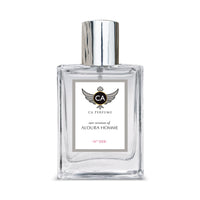
Aloura Homme — Chanel Allure Alternative Cologne
8.46
MEI™
Primary Romantic
Secondary Confident
Confidence
7.54
Presence
7.47
Mood Lift
9.5
Identity
7.67
Warmth
9.5
Social Ease
9.0
Energy
5.3
" I am beautiful.
View full mood profile →
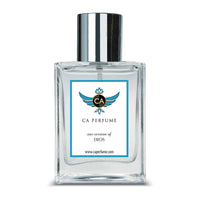
Eros — Versace Eros Alternative Cologne
8.39
MEI™
Primary Romantic
Secondary Energizing
Confidence
7.32
Presence
7.15
Mood Lift
9.5
Identity
7.47
Warmth
9.5
Social Ease
9.15
Energy
5.3
" I am beautiful.
View full mood profile →
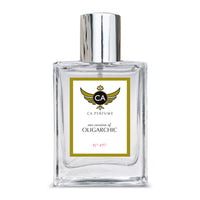
Oligarchic — Oligarch Alternative Cologne
8.2
MEI™
Primary Fresh
Secondary Energizing
Confidence
8.04
Presence
8.04
Mood Lift
9.5
Identity
7.82
Warmth
7.22
Social Ease
7.98
Energy
6.7
" I am radiant.
View full mood profile →
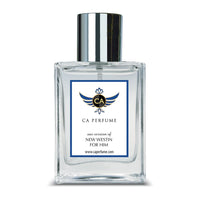
New Westin For Him — New West For Him Alternative Cologne
8.18
MEI™
Primary Magnetic
Secondary Confident
Confidence
8.74
Presence
9.44
Mood Lift
7.75
Identity
8.92
Warmth
8.29
Social Ease
7.34
Energy
5.6
" I am bold.
View full mood profile →
HumanSafe™

Top Oakmoss Fragrances by HumanSafe™ Score

These Oakmoss-based fragrances have the highest product-level HumanSafe™ scores in this ingredient collection.

Highest HumanSafe™ Score
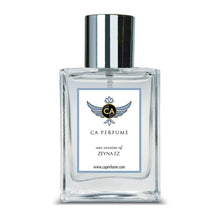
Zeyna Ez — Zegna Z Alternative Cologne
A-
HumanSafe™ Score Generally Safe
Safest Evaluated Ingredients EDP
AQUA Solvent / Carrier ISS 10.0
1,4-DIOXACYCLOHEPTADECANE-5,17-DIONE Evaluated ingredient ISS 10.0
7-OCTEN-2-OL, 2,6-DIMETHYL- Evaluated ingredient ISS 9.0
1H-3A,7-METHANOAZULENE, OCTAHYDRO-6-METHOXY-3,6,8,8- Evaluated ingredient ISS 9.0
3-BUTEN-2-ONE, 3-METHYL-4-(2,6,6-TRIMETHYL-2- Evaluated ingredient ISS 8.0
LINALYL ACETATE Evaluated ingredient ISS 7.0
View full safety profile →
Young Dew — Youth Dew Alternative Perfume
A-
HumanSafe™ Score Generally Safe
Safest Evaluated Ingredients EDP
AQUA Solvent / Carrier ISS 10.0
ACETIC ACID, PHENYLMETHYL ESTER Evaluated ingredient ISS 10.0
HEPTANAL, 2-(PHENYLMETHYLENE)- Evaluated ingredient ISS 9.0
BENZYL SALICYLATE EYE IRRITATION - CAT.2B [H320] Evaluated ingredient ISS 9.0
2H-1-BENZOPYRAN-2-ONE Evaluated ingredient ISS 8.0
LINALYL ACETATE Evaluated ingredient ISS 7.0
View full safety profile →
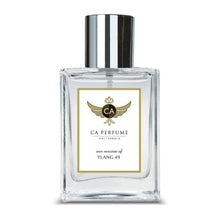
Ylang 49 — Le Labo Ylang 49 Impression Alternative Perfume
A-
HumanSafe™ Score Generally Safe
Safest Evaluated Ingredients EDP
AQUA Solvent / Carrier ISS 10.0
BENZYL SALICYLATE Evaluated ingredient ISS 9.0
LINALOOL Evaluated ingredient ISS 7.0
ALCOHOL DENAT. Solvent / Carrier ISS 7.0
1-[(2-TERT-BUTYL)CYCLOHEXYLOXY]-2-BUTANOL Evaluated ingredient ISS 7.0
View full safety profile →
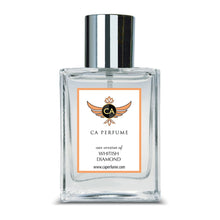
Whitish Diamond — White Diamonds Alternative Perfume
A-
HumanSafe™ Score Generally Safe
Safest Evaluated Ingredients EDP
AQUA Solvent / Carrier ISS 10.0
ACETIC ACID, PHENYLMETHYL ESTER Evaluated ingredient ISS 10.0
BENZYL SALICYLATE EYE IRRITATION - CAT.2B [H320] Evaluated ingredient ISS 9.0
OCTANAL, 2-(PHENYLMETHYLENE)- Evaluated ingredient ISS 8.0
2H-1-BENZOPYRAN-2-ONE Evaluated ingredient ISS 8.0
LINALYL ACETATE Evaluated ingredient ISS 7.0
View full safety profile →
Expert Voices

What Masters Say About Oakmoss

Oakmoss is a cornerstone of the chypre and fougère fragrance families, lending depth, complexity, and longevity to compositions that would otherwise lack structure.
CA Perfume Editorial
The characteristic peculiar scent of moss extracts—mossy, woody, earthy, wet, a bit oily, with a distinct phenolic, rather cured note and some animalic accords—is achieved thanks to the so called depsides and their derivatives.
Fragrantica Editorial
Common Questions

Frequently Asked Questions

Answers to common questions about oakmoss in perfumery, its scent, use, and performance.

Oakmoss in perfume smells earthy, mossy, and slightly bitter, with green, woody, and leathery undertones. Its aroma is reminiscent of a damp forest floor, shaped by phenolic compounds and depsides such as evernic acid. Oakmoss provides a grounding, persistent base note that anchors brighter top notes and adds complexity to chypre and fougère fragrances. Classic examples include Guerlain Mitsouko and Chanel No. 19.

Oakmoss is classified as a base note in perfumery due to its low volatility and fixative properties. It anchors the fragrance, prolongs longevity, and supports the evolution of more volatile top and heart notes. Oakmoss is rarely used above 0.1% concentration in modern formulas, in line with IFRA safety guidelines.

Oakmoss is valued in niche perfumery for its complex, earthy aroma and its ability to provide structure and longevity. Its nuanced scent profile cannot be fully replicated by synthetics, making it a sought-after ingredient for perfumers seeking depth and authenticity. Niche brands often use purified or synthetic oakmoss to comply with safety regulations while preserving the classic chypre and fougère character.

Oakmoss fragrance uses include pairing with patchouli, vetiver, labdanum, bergamot, rose, and jasmine. These notes share complementary molecular structures—terpenes, aldehydes, and phenolics—that enhance oakmoss’s earthy, green, and woody facets. The classic chypre accord combines oakmoss, patchouli, bergamot, and labdanum.

Oakmoss can be worn in summer, but its earthy, mossy base may become more pronounced in heat due to increased volatility. For hot weather, use sparingly and layer with citrus or aquatic notes to balance its intensity. Oakmoss’s fixative properties ensure longevity even in warm conditions.

Oakmoss-rich fragrances typically last 6–10 hours on skin, depending on concentration and skin chemistry. Its fixative power slows the evaporation of more volatile notes, resulting in a persistent, mossy drydown. Longevity may be reduced in lower-concentration formats or on dry skin.

Yes, oakmoss is highly versatile for layering. It pairs well with green, woody, floral, and citrus notes, enhancing complexity and longevity. Layering with patchouli or vetiver deepens its earthy facets, while florals or citrus can soften its bitterness. Always test combinations on skin to assess molecular compatibility.

Beginner-friendly oakmoss perfumes include Chloé Nomade (2018), which offers a modern, transparent chypre structure, and Chanel No. 19 (1970), which balances green and floral notes. Guerlain Mitsouko (1919) is a classic, though its complexity may appeal more to experienced fragrance enthusiasts.

To select the right oakmoss fragrance at CA Perfume, consider your preferred style—classic chypre, modern floral, or woody-green. Review scent pyramids and note pairings to find a composition that matches your taste. Sampling is recommended, as oakmoss’s character evolves with skin chemistry.

Oakmoss is primarily earthy, mossy, and slightly bitter, with subtle leathery and ambery undertones. While it can have a faint smokiness in some extractions, it is not typically described as clean or smoky. Its scent is more aligned with damp forest, green, and woody impressions.

Woody Mossy Collection

Explore Our Top Oakmoss Fragrances

Discover classic and modern oakmoss-based perfumes in the CA Perfume collection, from vintage chypres to contemporary woody-greens.

Shop all oakmoss fragrances at CA Perfume →

Where Oakmoss Comes From — Origin & Extraction

Oakmoss is derived from Evernia prunastri, a lichen that thrives on the bark of oak trees and, less commonly, on other deciduous and coniferous species in temperate forests. The primary harvesting regions are the Balkan Peninsula (notably Macedonia and Bulgaria), with additional production in France and Morocco. Annual global production is estimated at several hundred metric tons, with the Balkans supplying the majority of the market. Harvesting occurs in winter and spring, when the lichen is manually collected from tree bark. Extraction of oakmoss for perfumery is performed via solvent extraction, typically using volatile solvents such as hexane or ethanol. The process involves soaking the dried lichen in solvent, yielding a concrete, which is then further processed with ethanol to produce oakmoss absolute—a dark green, viscous liquid with a yield of approximately 1 kg absolute from 100 kg raw lichen. The absolute is prized for its fixative properties and complex aroma. In the past, vacuum distillation was also used, producing a lighter, drier extract, but solvent extraction remains the industry standard due to higher aromatic fidelity. Natural oakmoss absolute is costly, with prices ranging from $500–$1,200 per kg depending on purity and allergen content. Synthetic substitutes, such as Evernyl (methyl 2,4-dihydroxy-3,6-dimethylbenzoate, CAS 4707-47-5), are significantly less expensive at $50–$150 per kg. Since 2017, IFRA regulations have restricted the use of natural oakmoss to less than 100 ppm of atranol and chloroatranol, leading to the development of 'purified' or 'lightened' oakmoss absolutes. Sustainability concerns center on overharvesting and biodiversity; however, the relatively slow growth of Evernia prunastri and manual collection methods have prompted efforts to regulate and certify sustainable harvesting practices.

Famous Fragrances That Define Oakmoss in Perfumery

Oakmoss is a cornerstone of the chypre and fougère fragrance families, serving as a structural base note and fixative. Its role is most famously exemplified in François Coty’s Chypre (1917), which established the classic chypre accord—bergamot, labdanum, and oakmoss. Guerlain Mitsouko (1919, Jacques Guerlain) further refined this structure, pairing oakmoss with peach, rose, and spices to create a fragrance of enduring complexity and longevity. Chanel No. 19 (1970, Henri Robert) uses oakmoss as a green, earthy anchor for iris and galbanum, resulting in a crisp, sophisticated floral-chypre. In contemporary perfumery, Chloé Nomade (2018, Quentin Bisch) reinterprets the chypre structure with a transparent, modern oakmoss note, blending it with Mirabelle plum and freesia. Rogue Perfumery’s Mousse Illuminee (2017, Manuel Cross) is a niche creation that celebrates the vintage, mossy character of oakmoss using both natural and synthetic forms. These fragrances illustrate oakmoss’s versatility: as a dominant note in Mitsouko, a bridge note in Chanel No. 19, and an accent in Chloé Nomade. CA Perfume’s oakmoss-inspired collection draws on this lineage, offering both classic and contemporary interpretations for modern wearers.

Natural vs Synthetic Oakmoss in Perfumery

Natural oakmoss absolute contains a complex mixture of phenolic compounds, depsides (notably evernic acid), and trace allergens such as atranol (CAS 526-37-4) and chloroatranol (CAS 57074-21-2). These molecules are responsible for the signature earthy, mossy, and slightly bitter aroma, but also for allergenic potential. IFRA regulations now limit natural oakmoss to less than 0.1% in finished fragrances, with further restrictions on atranol and chloroatranol content (<100 ppm). To address these restrictions, perfumers use purified oakmoss absolutes (with allergens removed) or synthetic substitutes. The most common synthetic is Evernyl (methyl 2,4-dihydroxy-3,6-dimethylbenzoate, CAS 4707-47-5), which mimics the creamy, mossy facets of natural oakmoss but lacks its full complexity. Other aroma chemicals include Veramoss (CAS 4707-47-5, a trade name for Evernyl) and Methyl β-orcinolcarboxylate. Synthetics offer greater stability, batch consistency, and lower cost (typically $50–$150/kg versus $500–$1,200/kg for natural absolute), but may lack the nuanced, earthy depth of the natural extract. Famous fragrances such as Guerlain Mitsouko and Chanel No. 19 originally relied on natural oakmoss, but have been reformulated with purified or synthetic versions to comply with modern safety standards. Sustainability and supply chain transparency are increasingly important; the HumanSafe™ platform verifies allergen content and sustainable sourcing for both natural and synthetic oakmoss ingredients.