Ingredient Guide · Amber Spicy
Amber Spicy Family · Perfumery Note

Nutmeg Flower

Warm, spicy, and slightly sweet aromatic journey

Nutmeg flower in perfumery is a warm, spicy heart note derived from the seeds of Myristica fragrans. It contains key molecules like myristicin and safrole, typically used at 0.1–1% concentration.

Nutmeg Flower
Ingredient Profile

Nutmeg Flower

Amber Spicy Family
Family Amber Spicy
Note Position Heart Note
Usage Level 0.1–1%
Key Origins Indonesia, Grenada, Sri Lanka
Iconic In Fahrenheit, Vetiver Sport
The Ingredient

What does Nutmeg Flower smell like and why is it significant in perfumery?

Nutmeg flower scent in perfumery originates from the seed of the tropical evergreen tree Myristica fragrans, native to the Banda Islands of Indonesia. The scent is characterized by a warm, spicy, and slightly sweet aroma with dry, woody undertones. Key chemical compounds responsible for this profile include myristicin, safrole, and eugenol, which contribute to its spicy, musky, and aromatic facets. This note is classified primarily as a heart note in fragrance compositions. In perfumery, nutmeg flower is typically used at concentrations ranging from 0.1% to 1%, depending on the desired intensity. It acts as a bridge between top and base notes, enhancing the richness and depth of a fragrance. Nutmeg flower interacts with skin chemistry by blending well with the natural warmth of the skin, often amplifying its spicy and woody nuances over time. Notable fragrances featuring nutmeg flower include Dior's Fahrenheit (1988), where it provides a subtle spicy warmth complementing leather and woody notes, and Guerlain's Vetiver Sport (2004), which uses nutmeg to add a fresh, spicy heart to the composition. These examples illustrate nutmeg flower's versatility and its role in both masculine and unisex fragrances.

0.1–1%
Typical concentration range of nutmeg flower oil in perfume formulations to balance impact and safety.
7–9 years
Time for nutmeg trees to mature and begin producing fruit, impacting supply and cost.
70–80%
Indonesia’s approximate share of global nutmeg production, the primary source of perfumery-grade material.
Origin & Extraction

Where Nutmeg Flower Comes From — Origin & Extraction

Nutmeg flower’s scent is deeply influenced by its geographic origins, where soil composition, climate, and cultivation methods shape its aromatic profile. Tropical volcanic soils and humid climates of the Banda Islands produce nutmeg with a rich, warm spiciness and balanced sweetness.

Nutmeg flower is derived from the seed of the Myristica fragrans tree, a tropical evergreen native to the Banda Islands in Indonesia, also known as the Spice Islands. The tree grows up to 20 meters tall and produces small dull-yellow flowers. The fruit resembles a small peach, containing a hard seed covered by a red aril (mace). The nutmeg flower scent is extracted primarily from the dried seed kernel. Indonesia dominates global nutmeg production, accounting for approximately 70-80% of the market, with other producers including Grenada, Sri Lanka, and India. The seeds are harvested by hand when ripe, sun-dried for several weeks, and then processed for oil extraction. Extraction of nutmeg flower aroma is mainly achieved through steam distillation of the dried seeds at controlled temperatures to preserve volatile compounds like myristicin and safrole. Alternative methods include solvent extraction to produce nutmeg absolute, which captures more delicate aromatic molecules. Recent advances include subcritical water extraction, which selectively extracts thermally stable compounds with higher yields. Natural nutmeg oil costs around $100-300 per kilogram, whereas synthetic aroma chemicals like myristicin and safrole are significantly cheaper, approximately $20-50 per kilogram. Sustainability concerns focus on ethical harvesting practices and preserving biodiversity in native regions.

ID

Indonesia

The Banda Islands in Indonesia are the primary origin of nutmeg flower. Rich volcanic soils and tropical humidity contribute to a warm, complex spicy aroma. Indonesia produces about 70-80% of the world’s nutmeg, harvested by hand and sun-dried to preserve aromatic compounds.

GD

Grenada

Grenada’s nutmeg flower is cultivated in nutrient-rich volcanic soils with a distinct Caribbean climate, offering a slightly sweeter and fresher aromatic profile. Grenada accounts for approximately 10% of global nutmeg production.

LK

Sri Lanka

Sri Lanka produces nutmeg flower with a balanced spicy and woody character, influenced by its tropical monsoon climate and varied soil types. Production is smaller but notable for quality.

IN

India

India cultivates nutmeg flower primarily in southern tropical regions, where warm temperatures and fertile soils yield a spicy, slightly resinous aroma. Indian nutmeg is used both domestically and for export.

Chemistry

Natural vs Synthetic Nutmeg Flower in Perfumery

Natural nutmeg flower aroma is primarily obtained from steam-distilled essential oil of Myristica fragrans seeds, containing complex mixtures of terpenes and phenylpropene derivatives such as myristicin (CAS 607-91-0), safrole (CAS 94-59-7), and eugenol (CAS 97-53-0). These compounds provide the characteristic warm, spicy, and slightly sweet scent with musky undertones. Synthetic substitutes focus on replicating key molecules like myristicin and safrole, offering greater olfactory precision, stability, and cost-effectiveness. Synthetic myristicin and safrole provide consistent aroma profiles with enhanced longevity and diffusion compared to natural extracts, which can vary due to harvest and extraction conditions. Cost differentials are significant: natural nutmeg oil ranges from $100 to $300 per kilogram, while synthetic aroma chemicals cost approximately $20 to $50 per kilogram. Natural extraction also involves sustainability challenges related to land use and labor-intensive harvesting. Famous fragrances such as Dior Fahrenheit and Guerlain Vetiver Sport use natural nutmeg flower oil, while some modern compositions incorporate synthetic analogues for consistency. The HumanSafe™ platform promotes transparency and safety in sourcing both natural and synthetic ingredients, ensuring ethical and sustainable practices.

Natural
Nutmeg Flower Absolute
Cost $3,000–6,000/kg
Method Solvent / CO₂
Character Complex, variable
vs
Synthetic
Safranal & Analogues
Cost $50–200/kg
Method Lab synthesis
Character Consistent, stable
Hall of Fame

Famous Fragrances That Define Nutmeg Flower in Perfumery

1988
heart note

Fahrenheit

Dior
by Jean-Louis Sieuzac
leatherwoody notesviolet
2004
heart note

Vetiver Sport

Guerlain
by Jean-Paul Guerlain
vetivercitrusspices
1990
heart note

Nutmeg & Ginger

Jo Malone London
by Jo Malone
gingersandalwoodcedar
2019
supporting note

Gentle Fluidity Silver

Maison Francis Kurkdjian
by Francis Kurkdjian
muskwoody notesamber
2018
accent

Oud for Greatness

Initio Parfums Prives
by Julien Sprecher
oudspicesamber
2015
bridge note

Carlisle

Parfums de Marly
by Julien Sprecher
rosevanillaamber

Nutmeg flower has been a cherished ingredient in perfumery, featured in numerous landmark fragrances that showcase its warm, spicy character. Dior's Fahrenheit (1988), crafted by perfumer Jean-Louis Sieuzac, uses nutmeg flower as a subtle heart note, bridging leather and woody accords with a spicy warmth. Guerlain's Vetiver Sport (2004), by perfumer Jean-Paul Guerlain, highlights nutmeg flower to add freshness and spice to a classic vetiver base. Jo Malone London's Nutmeg & Ginger (1990), created by Jo Malone herself, is a gender-fluid fragrance where nutmeg flower provides a crisp, spicy heart complemented by ginger and sandalwood. Maison Francis Kurkdjian's Gentle Fluidity Silver (2019), by Francis Kurkdjian, incorporates nutmeg flower as a supporting note, enhancing the aromatic complexity alongside musk and woods. Initio Parfums Prives' Oud for Greatness (2018), by perfumer Julien Sprecher, uses nutmeg flower as an accent to enrich the spicy-woody composition. Parfums de Marly's Carlisle (2015), by perfumer Julien Sprecher, features nutmeg flower as a bridge note, blending with rose and vanilla to create a rich oriental scent. These fragrances illustrate nutmeg flower's versatility across masculine, unisex, and oriental fragrance families. CA Perfume's collection embraces this lineage by offering nuanced compositions that reflect nutmeg flower's warm and spicy heritage.

The Accord

How is a captivating Nutmeg Flower accord crafted?

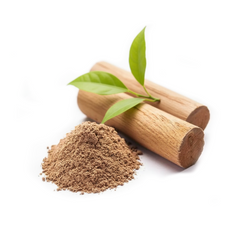
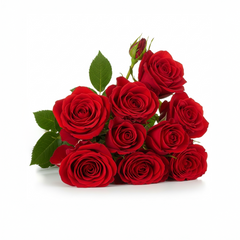
A balanced nutmeg flower accord typically consists of Nutmeg Flower 25-30%, Rose 20-25%, Sandalwood 25-30%, and Vanilla 20-25%. Nutmeg flower provides a warm, spicy core through myristicin and safrole compounds. Rose adds floral richness and damascenone, which bridges the spicy and floral facets. Sandalwood contributes creamy, woody lactones that soften nutmeg’s sharpness. Vanilla’s vanillin molecule masks any harsh edges, lending sweetness and longevity, creating a harmonious and enduring accord.

30%

Nutmeg Flower

25–30% of blend

Provides the warm, spicy heart with key molecules myristicin and safrole, delivering a complex spicy aroma.

25%

Rose

20–25% of blend

Adds floral richness and damascenone, creating a molecular bridge to nutmeg’s spicy facets.

30%

Sandalwood

25–30% of blend

Contributes creamy, woody lactones that soften nutmeg’s sharpness and enhance longevity.

25%

Vanilla

20–25% of blend

Vanillin masks harsh edges of nutmeg, adding sweetness and extending the accord’s lasting power.

The Olfactory Layers

How Nutmeg Flower Evolves on Skin

Nutmeg flower’s olfactory journey begins with a warm, spicy opening that transitions into a creamy, sweet heart before settling into a woody, musky base. The initial volatile compounds like myristicin evaporate within 15 minutes, followed by longer-lasting phenylpropene derivatives that sustain the heart and base notes for several hours.

I
Top notes
0–15 min
Bright Spicy Opening

The top notes feature a bright, spicy opening dominated by volatile terpenes such as alpha-pinene and limonene, providing a fresh yet warm introduction. These molecules evaporate quickly, giving the initial impression of freshly grated nutmeg with a slight citrusy lift.

WarmSpicyFresh
II
Heart notes
20–60 min
Creamy Spicy Core

The heart notes reveal the core spicy-sweet character of nutmeg flower, driven by myristicin and safrole. These molecules impart a creamy, slightly musky aroma with subtle vanilla and lactonic nuances, bridging the transition from top to base.

SpicySweetCreamy
III
Base notes
Several hours
Woody Musky Finish

The base notes consist of woody and musky undertones from compounds like eugenol and sesquiterpenes. These provide depth, warmth, and longevity, anchoring the fragrance with a dry, earthy finish that lingers on the skin.

WoodyMuskyEarthy
TOP NOTES Bright Spicy Opening 0–15 minutes HEART NOTES Creamy Spicy Core 20–60 minutes BASE NOTES Woody Musky Finish Several hours
Through the Ages

The Story of Nutmeg Flower in Perfumery

Nutmeg flower's history in perfumery spans centuries, from ancient trade secrets to modern fragrance innovation.

Antiquity

Early Aromatic Use

Nutmeg was used by Egyptians and Romans in embalming and incense, prized for its aromatic and medicinal properties.

1400s

Arab Trade Monopoly

Arab traders controlled nutmeg trade from the Banda Islands, keeping its origin secret from Europe for centuries.

1600

European Colonial Conflicts

Portuguese, Dutch, and British powers fought over control of the Banda Islands and nutmeg trade, leading to the Nutmeg Wars.

1990

Jo Malone Nutmeg & Ginger Launch

Jo Malone introduced Nutmeg & Ginger, a gender-fluid fragrance highlighting nutmeg flower’s spicy warmth.

2019

Modern Niche Use

Francis Kurkdjian’s Gentle Fluidity Silver showcased nutmeg flower as a supporting note in contemporary perfumery.

The Art of Layering

How to Layer Nutmeg Flower

Understanding how to layer nutmeg flower involves molecular compatibility and olfactory synergy to create harmonious blends.

01

Enhance Sweetness

Layering nutmeg flower with vanilla softens its spicy edge through vanillin’s olfactory masking effect, producing a warm, rounded sweetness. This pairing is exemplified in Guerlain’s Vetiver Sport, where vanilla balances nutmeg’s piquancy.

02

Add Depth

Combining nutmeg flower with sandalwood introduces creamy lactones that complement nutmeg’s woody undertones, increasing depth and longevity. Dior’s Fahrenheit uses this synergy to create a complex, enduring scent.

03

Lighten the Glow

Pairing nutmeg flower with citrus notes like bergamot or mandarin brightens the composition by anchoring volatile terpenes, preventing a harsh top note. Jo Malone’s Nutmeg & Ginger illustrates this balance between spice and freshness.

Wear It Right

How to Wear Nutmeg Flower Like a Pro

Seasonal Guide

Fall & Winter

Cooler temperatures slow molecular diffusion, enhancing nutmeg flower’s warm, spicy richness and longevity. Apply more liberally for cozy, enveloping scent trails.

Spring

Moderate warmth balances nutmeg’s spicy and sweet facets, making it suitable for layering with florals and fresh notes for a vibrant, balanced scent.

Summer

Heat increases volatility, which can cause nutmeg flower to project sharply but fade quickly. Use lighter application or blend with citrus and aquatic notes to maintain freshness.

Year-Round Tip

Layer nutmeg flower with vanilla or sandalwood to smooth transitions and enhance longevity regardless of season.

Application Points

Strategic application enhances nutmeg flower’s olfactory impact.

1

Neck

Pulse points like the neck emit heat that activates nutmeg’s spicy top notes, enhancing projection.

2

Behind the Ears

Warmth here allows gradual diffusion of nutmeg’s heart notes, creating an intimate scent aura.

3

Inner Wrists

Movement and warmth at the wrists help release nutmeg’s complex aroma throughout the day.

4

Hair

Hair holds fragrance molecules longer, allowing nutmeg flower’s base notes to linger subtly.

★

Pro Tip

Apply a light layer of unscented moisturizer before spraying to enhance scent adherence and longevity.

Mood Architecture™

Top Nutmeg Flower Fragrances by Mood Score

These Nutmeg Flower-based fragrances scored highest on the MEI™ Mood Architecture Framework — measuring how a scent may influence your emotional state.

Highest MEI Score
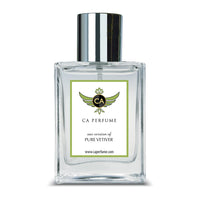
Pure Vetiver — Azzaro Pure Vetiver Alternative Cologne
6.3
MEI™
Primary Romantic
Secondary Confident
Confidence
5.85
Presence
6.25
Mood Lift
6.75
Identity
6.05
Warmth
6.85
Social Ease
6.2
Energy
4.4
" I am beautiful.
View full mood profile →
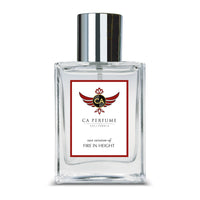
Fire in Height — Fahrenheit Alternative Cologne
6.2
MEI™
Primary Magnetic
Secondary Confident
Confidence
6.62
Presence
7.34
Mood Lift
6.15
Identity
7.15
Warmth
5.98
Social Ease
5.71
Energy
3.26
" I am bold.
View full mood profile →
HumanSafe™

Top Nutmeg Flower Fragrances by HumanSafe™ Score

These Nutmeg Flower-based fragrances have the highest product-level HumanSafe™ scores in this ingredient collection.

Highest HumanSafe™ Score
Pure Vetiver — Azzaro Pure Vetiver Alternative Cologne
A-
HumanSafe™ Score Generally Safe
Safest Evaluated Ingredients EDP
AQUA Solvent / Carrier ISS 10.0
1,4-DIOXACYCLOHEPTADECANE-5,17-DIONE Evaluated ingredient ISS 10.0
HEXYL SALICYLATE Evaluated ingredient ISS 9.0
BENZYL SALICYLATE EYE IRRITATION - CAT.2B [H320] Evaluated ingredient ISS 9.0
7-OCTEN-2-OL, 2,6-DIMETHYL- CAT. 3 Evaluated ingredient ISS 9.0
2H-1-BENZOPYRAN-2-ONE Evaluated ingredient ISS 8.0
View full safety profile →
Fire in Height — Fahrenheit Alternative Cologne
A-
HumanSafe™ Score Generally Safe
Safest Evaluated Ingredients EDP
AQUA Solvent / Carrier ISS 10.0
2H-1-BENZOPYRAN-2-ONE Evaluated ingredient ISS 8.0
LINALYL ACETATE Evaluated ingredient ISS 7.0
LINALOOL Evaluated ingredient ISS 7.0
CYCLOHEXANEPROPANOL, 2,2,6-TRIMETHYL-.ALPHA.-PROPYL- Evaluated ingredient ISS 7.0
ALCOHOL DENAT. Solvent / Carrier ISS 7.0
View full safety profile →
Expert Voices

What Masters Say About Nutmeg Flower

“
Nutmeg flower provides a warm, spicy heart that is subtler than cinnamon or clove, making it ideal for masculine and lighter woody fragrances.
John Biebel, Fragrantica Co-editor
“
Nutmeg’s appeal in perfumery lies in its versatility, pairing seamlessly with a variety of other fragrance notes to add depth and complexity.
CA Perfume Editorial
Common Questions

Frequently Asked Questions

Answers to common questions about nutmeg flower in perfumery.

Nutmeg flower in perfume smells warm, spicy, and slightly sweet with woody undertones. It opens with a bright, piquant spice reminiscent of freshly grated nutmeg, transitioning into a creamy, musky heart and settling into a dry, earthy base. This complex scent profile is due to compounds like myristicin, safrole, and eugenol.

Nutmeg flower is primarily used as a heart note in perfumery. It bridges the fresh top notes and the deeper base notes, providing warmth and spice that linger through the middle phase of a fragrance’s evolution.

Nutmeg flower is favored in niche perfumery for its complex, multifaceted aroma that adds sophistication and depth. Its warm, spicy character complements a wide range of notes, making it versatile for creating unique and memorable fragrance compositions.

Nutmeg flower fragrance uses best pair with vanilla, sandalwood, rose, bergamot, and cedarwood. These combinations balance nutmeg’s spicy warmth with sweetness, floral elegance, or woody depth, enhancing the overall harmony of the fragrance.

Nutmeg flower perfumes can be worn in summer but may project more sharply due to heat increasing volatility. Lighter applications or blending with citrus and aquatic notes can maintain freshness and prevent overwhelming spiciness.

Nutmeg flower fragrances typically last 5 to 7 hours, depending on concentration and formulation. The heart and base notes containing nutmeg’s key molecules provide moderate longevity and moderate sillage.

Yes, layering nutmeg flower perfume with vanilla, sandalwood, or citrus fragrances enhances its warmth and complexity. Understanding how to layer nutmeg flower involves molecular compatibility to avoid olfactory clashes and create a harmonious blend.

Beginner-friendly nutmeg flower perfumes include Jo Malone Nutmeg & Ginger (1990) for a balanced spicy-fresh scent, Guerlain Vetiver Sport (2004) for a fresh woody-spicy experience, and Dior Fahrenheit (1988) for a classic warm spicy fragrance.

Choosing the right nutmeg flower fragrance involves considering your preference for spice intensity, complementary notes, and occasion. CA Perfume offers detailed descriptions and layering advice to help you find a scent that suits your style and skin chemistry.

Nutmeg flower in fragrance smells both sweet and spicy. Its aroma opens with a piquant, warm spice and evolves into a creamy, slightly sweet heart with woody undertones, creating a balanced and nuanced scent profile.

Amber Spicy Collection

Explore Our Top Nutmeg Flower Fragrances

Discover a curated selection of fragrances featuring nutmeg flower, showcasing its warm and spicy character.

Shop all nutmeg-flower fragrances at CA Perfume →

Where Nutmeg Flower Comes From — Origin & Extraction

Nutmeg flower is derived from the seed of the Myristica fragrans tree, a tropical evergreen native to the Banda Islands in Indonesia, also known as the Spice Islands. The tree grows up to 20 meters tall and produces small dull-yellow flowers. The fruit resembles a small peach, containing a hard seed covered by a red aril (mace). The nutmeg flower scent is extracted primarily from the dried seed kernel. Indonesia dominates global nutmeg production, accounting for approximately 70-80% of the market, with other producers including Grenada, Sri Lanka, and India. The seeds are harvested by hand when ripe, sun-dried for several weeks, and then processed for oil extraction. Extraction of nutmeg flower aroma is mainly achieved through steam distillation of the dried seeds at controlled temperatures to preserve volatile compounds like myristicin and safrole. Alternative methods include solvent extraction to produce nutmeg absolute, which captures more delicate aromatic molecules. Recent advances include subcritical water extraction, which selectively extracts thermally stable compounds with higher yields. Natural nutmeg oil costs around $100-300 per kilogram, whereas synthetic aroma chemicals like myristicin and safrole are significantly cheaper, approximately $20-50 per kilogram. Sustainability concerns focus on ethical harvesting practices and preserving biodiversity in native regions.

Famous Fragrances That Define Nutmeg Flower in Perfumery

Nutmeg flower has been a cherished ingredient in perfumery, featured in numerous landmark fragrances that showcase its warm, spicy character. Dior's Fahrenheit (1988), crafted by perfumer Jean-Louis Sieuzac, uses nutmeg flower as a subtle heart note, bridging leather and woody accords with a spicy warmth. Guerlain's Vetiver Sport (2004), by perfumer Jean-Paul Guerlain, highlights nutmeg flower to add freshness and spice to a classic vetiver base. Jo Malone London's Nutmeg & Ginger (1990), created by Jo Malone herself, is a gender-fluid fragrance where nutmeg flower provides a crisp, spicy heart complemented by ginger and sandalwood. Maison Francis Kurkdjian's Gentle Fluidity Silver (2019), by Francis Kurkdjian, incorporates nutmeg flower as a supporting note, enhancing the aromatic complexity alongside musk and woods. Initio Parfums Prives' Oud for Greatness (2018), by perfumer Julien Sprecher, uses nutmeg flower as an accent to enrich the spicy-woody composition. Parfums de Marly's Carlisle (2015), by perfumer Julien Sprecher, features nutmeg flower as a bridge note, blending with rose and vanilla to create a rich oriental scent. These fragrances illustrate nutmeg flower's versatility across masculine, unisex, and oriental fragrance families. CA Perfume's collection embraces this lineage by offering nuanced compositions that reflect nutmeg flower's warm and spicy heritage.

Natural vs Synthetic Nutmeg Flower in Perfumery

Natural nutmeg flower aroma is primarily obtained from steam-distilled essential oil of Myristica fragrans seeds, containing complex mixtures of terpenes and phenylpropene derivatives such as myristicin (CAS 607-91-0), safrole (CAS 94-59-7), and eugenol (CAS 97-53-0). These compounds provide the characteristic warm, spicy, and slightly sweet scent with musky undertones. Synthetic substitutes focus on replicating key molecules like myristicin and safrole, offering greater olfactory precision, stability, and cost-effectiveness. Synthetic myristicin and safrole provide consistent aroma profiles with enhanced longevity and diffusion compared to natural extracts, which can vary due to harvest and extraction conditions. Cost differentials are significant: natural nutmeg oil ranges from $100 to $300 per kilogram, while synthetic aroma chemicals cost approximately $20 to $50 per kilogram. Natural extraction also involves sustainability challenges related to land use and labor-intensive harvesting. Famous fragrances such as Dior Fahrenheit and Guerlain Vetiver Sport use natural nutmeg flower oil, while some modern compositions incorporate synthetic analogues for consistency. The HumanSafe™ platform promotes transparency and safety in sourcing both natural and synthetic ingredients, ensuring ethical and sustainable practices.