
Smells like heaven. Fast shipping. I will purchase from this company again.
Best customer service, the scent is great but only lasted 2 hrs on me.
Everything is as advertised and the packaging and presentation was awesome
Intoxicating floral scent blooming under moonlight
Night Blooming Jasmine is a heart note in perfumery, derived from Cestrum nocturnum, known for its lush, creamy, and slightly sweet floral character. Its complex scent includes benzyl acetate, phenylethyl alcohol, and indole, used above 5% concentration.

Night Blooming Jasmine, botanically Cestrum nocturnum, is a tropical shrub in the Solanaceae family, distinct from true jasmines (Jasminum). Its scent is intensely sweet, lush, creamy, and slightly green with a heavy indolic base, primarily due to compounds like benzyl acetate, phenylethyl alcohol, linalool, methyl salicylate, and indole. This complex molecular profile creates a narcotic, heady floral aroma that is heavier and sweeter than common jasmine species. In perfumery, Night Blooming Jasmine functions as a heart note, typically used at concentrations above 5%. Its scent unfolds richly on the skin, interacting with body chemistry to reveal warm, sensual, and opulent facets. Due to the flower's delicate nature, natural extraction is rare; instead, accords are often reconstructed from key aroma chemicals. The note is prized for evoking nocturnal floral elegance and romantic allure. Notable fragrances featuring Night Blooming Jasmine include Serge Lutens' Fils de Joie (2020), where it serves as a lush floral heart, and Gucci Bloom Parfum (2025), which blends it with other white florals to create a vibrant bouquet. These examples demonstrate its use in modern luxury perfumery to convey depth and sensuality.
Night Blooming Jasmine thrives in tropical and subtropical climates where warm nights allow its fragrance to fully develop. Soil composition, humidity, and altitude influence the flower's aromatic intensity and character, resulting in regional scent variations.
Night Blooming Jasmine (Cestrum nocturnum) is native to the West Indies and tropical America but is now cultivated extensively in tropical and subtropical regions including India, the Philippines, and Mexico. These regions provide warm climates ideal for the flower's nocturnal fragrance expression, which intensifies after sunset. The flower's delicate greenish-white tubular blossoms release a potent scent that can perfume entire neighborhoods. Unlike true jasmines, Cestrum nocturnum belongs to the Solanaceae family, related to tomato and potato plants. Commercial extraction of Night Blooming Jasmine absolute is uncommon due to the flower's fragility and the unsuitability of steam distillation. Instead, solvent extraction (using hexane or ethanol) and supercritical CO₂ extraction are employed experimentally or in niche production to capture the complex aroma. Yields are low and variable, contributing to a high cost of $3,000–6,000 per kilogram for natural absolute. Synthetic analogues, primarily based on safranal and related molecules, cost significantly less ($50–200/kg) and provide consistent, stable aroma profiles. Sustainability concerns arise from the labor-intensive cultivation and extraction processes, as well as the plant's invasive potential in some regions.
In India, Night Blooming Jasmine (locally known as raat ki rani) is cultivated in tropical gardens and revered for its sensual fragrance used in traditional ceremonies. The warm climate and monsoon-influenced soil contribute to a rich, heady scent. Production is significant though not formally quantified, with harvesting focused on evening bloom periods.
The Philippines' tropical climate and fertile volcanic soils foster Night Blooming Jasmine plants that release intense nocturnal aromas. The flower is celebrated in local culture for its enchanting scent that permeates the air at dusk, with cultivation primarily in home gardens and small farms.
Mexican varieties of Night Blooming Jasmine flourish in warm, semi-humid regions with rich alluvial soils. The plant is valued for its ability to create a magical ambiance during warm summer nights. Production is artisanal, with flowers harvested for local use and niche perfumery.
Natural Night Blooming Jasmine absolute is a complex, variable mixture extracted mainly by solvent or CO₂ methods, costing approximately $3,000–6,000 per kilogram. Its character is rich, lush, and nuanced but subject to batch variability and limited availability due to delicate flower handling. Synthetic substitutes rely on aroma chemicals such as safranal (CAS 116-26-7) and analogues that replicate the sweet, narcotic, and slightly green facets of the natural note. These synthetics cost between $50 and $200 per kilogram, offering consistent performance, greater longevity, and stability in formulations. Famous fragrances like Serge Lutens' Fils de Joie use natural or reconstructed Night Blooming Jasmine accords, while others may employ synthetics for cost-efficiency and supply chain reliability. The HumanSafe™ platform ensures transparency in ingredient sourcing and safety, with CA Perfume favoring natural absolutes when feasible but embracing synthetics for environmental and ethical reasons. The choice between natural and synthetic depends on perfumer intent, cost constraints, and desired olfactory complexity.
Night Blooming Jasmine has been featured prominently in several landmark fragrances, showcasing its intoxicating nocturnal floral character. Jovan's Night Blooming Jasmine (1979) introduced a blended accord capturing the flower's sweet and creamy facets, paired with aldehydes and ylang-ylang, serving as a dominant note. Serge Lutens' Fils de Joie (2020), crafted by perfumer Christopher Sheldrake, uses Night Blooming Jasmine as a lush heart note, blending it with other white florals and woody bases to evoke a sensual, nocturnal atmosphere. Gucci Bloom Parfum (2025) incorporates Night Blooming Jasmine as a key floral element, paired with tuberose and Rangoon creeper, creating a vibrant, modern floral bouquet. Marc Jacobs' Perfect Intense (2021) features Night Blooming Jasmine as an accent note, enhancing the fragrance's creamy floral richness alongside vanilla and musk. Zoologist Perfumes' Bat Edition (2020) uses Night Blooming Jasmine to evoke tropical nightscapes, combining it with fruity and smoky accords. These examples illustrate Night Blooming Jasmine's versatility as a heart note that bridges floral and woody elements, contributing to complex, sensual compositions. CA Perfume's collection honors this lineage by exploring both natural and synthetic expressions of this nocturnal flower.
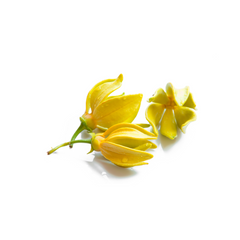
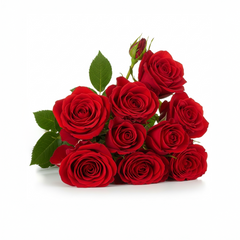
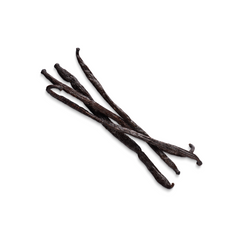
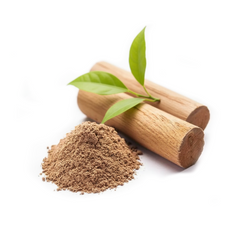
A Night Blooming Jasmine accord balances the lush, creamy floral note with complementary ingredients that enhance its complexity and warmth. Ylang-Ylang (15–20%) adds a creamy floral texture, enriching the opulence while maintaining lightness. Rose (20–25%) contributes a romantic, velvety depth that blends seamlessly with jasmine's lushness. Sandalwood (25–30%) provides a smooth, woody base that anchors the accord and softens the floral brightness. Vanilla (25–30%) introduces a sweet, warm facet that masks any harsh edges and prolongs the scent's longevity. These proportions create a harmonious accord that captures the nocturnal floral essence with depth and elegance.
Introduces a creamy floral texture that envelops Night Blooming Jasmine, enhancing its opulent character with ethereal lightness.
Adds romantic, velvety petals that blend with jasmine's lushness for a beautifully rich floral heart.
Provides a smooth, woody base that anchors the accord and softens the floral brightness.
Introduces sweet, warm facets that mask harsh edges and prolong the scent's longevity.
Night Blooming Jasmine's olfactory evolution unfolds over several hours, beginning with the rapid evaporation of lighter floral esters and alcohols that provide initial creamy sweetness. The heart phase reveals deeper indolic and narcotic compounds with slower volatility, sustaining the lush floral character. Base notes emerge as woody and warm molecules with low volatility, anchoring the scent and extending longevity.
The initial impression features volatile esters like benzyl acetate and phenylethyl alcohol, imparting a fresh, sweet floral aroma with subtle green nuances. These molecules evaporate quickly, creating a bright yet creamy opening.
The heart reveals the indolic base of the flower, dominated by indole and linalool, producing a narcotic, heady floral scent that is richer and more opulent. This phase defines the characteristic nocturnal jasmine aroma.
Woody and warm molecules such as sandalwood derivatives and vanillin provide a smooth, lasting foundation. These low-volatility compounds slow the scent's dissipation and add depth and sensuality.
Night Blooming Jasmine's history in perfumery traces from traditional cultural uses in tropical regions to modern luxury fragrances that capture its nocturnal floral essence.
In India and the West Indies, Night Blooming Jasmine (Cestrum nocturnum) has been cherished for centuries for its intense nighttime fragrance, used in ceremonies and planted near homes to perfume the evening air.
Botanists classified Cestrum nocturnum within the Solanaceae family, distinguishing it from true jasmines (Jasminum), clarifying its unique botanical and olfactory identity.
Jovan released Night Blooming Jasmine perfume, one of the earliest commercial fragrances named after the flower, featuring a blended accord inspired by its scent.
Perfumer Christopher Sheldrake crafted Fils de Joie, a fragrance highlighting Night Blooming Jasmine as a lush, narcotic heart note, elevating its status in niche perfumery.
Gucci's Bloom Parfum incorporated Night Blooming Jasmine as a key floral element, blending it with tuberose and Rangoon creeper to create a modern floral bouquet.
Understanding how to layer Night Blooming Jasmine involves molecular compatibility and olfactory synergy. Layering can amplify or soften facets of the jasmine note, creating personalized scent profiles.
Pairing Night Blooming Jasmine with fruity notes like peach or apricot amplifies its natural sweetness through complementary ester compounds, creating a floral-fruity harmony. This technique is exemplified in compositions like Gucci Bloom Parfum.
Layering with warm base notes such as vanilla or benzoin introduces vanillin molecules that mask jasmine's sharp edges and prolong scent longevity, enriching the floral heart with cozy warmth. Serge Lutens' Fils de Joie demonstrates this approach.
Combining Night Blooming Jasmine with fresh citrus notes like bergamot introduces limonene and other terpenes that brighten the scent, maintaining luminosity while reducing heaviness. This layering creates a vibrant, airy daytime fragrance.
In cooler months, Night Blooming Jasmine's warmth and depth are accentuated, making it ideal for evening wear. Layering with richer base notes like amber or vanilla enhances its sensuality and longevity despite lower ambient temperatures.
Spring's moderate temperatures allow Night Blooming Jasmine to bloom vibrantly, balancing freshness with creamy floral richness. Light layering with citrus or green notes can brighten the scent for daytime wear.
Summer heat intensifies the jasmine's narcotic facets and projection. Its light, airy character blossoms beautifully outdoors at night. Applying sparingly prevents overwhelming the senses in high humidity.
Adjust application amount and layering based on temperature and humidity to maintain balance. Use moisturized skin to enhance diffusion and longevity regardless of season.
Strategic application of Night Blooming Jasmine enhances its projection and longevity.
Pulse points like the neck emit heat that activates jasmine's volatile molecules, enhancing scent diffusion and intensity.
This warm area allows for subtle scent release, ideal for intimate floral projection without overwhelming.
Wrists provide warmth and movement, helping the jasmine note evolve naturally throughout the day.
Hair holds fragrance oils well, releasing jasmine's aroma softly with natural movement, extending scent longevity.
Layer Night Blooming Jasmine with unscented moisturizer or complementary scented body products to create a lasting, multi-dimensional fragrance experience.
These Night Blooming Jasmine-based fragrances scored highest on the MEI™ Mood Architecture Framework — measuring how a scent may influence your emotional state.
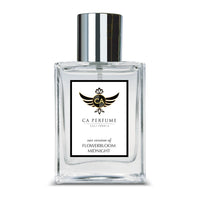
These Night Blooming Jasmine-based fragrances have the highest product-level HumanSafe™ scores in this ingredient collection.
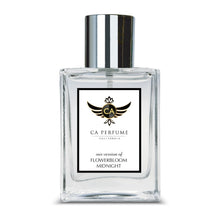
Night Blooming Jasmine is prized for its ability to add a sensual, opulent depth that enhances the mystique and sophistication of fragrances, evoking a sense of moonlit gardens and timeless romance.
In perfumery, night-blooming jasmine suggests an even more narcotic, heavier version of jasmine — appropriate for dark, nocturnal, and heavy floral compositions.
Night Blooming Jasmine pairs well with complementary floral, woody, and warm ingredients to create balanced compositions.
Common questions about Night Blooming Jasmine in perfumery answered with detailed, factual information.
Night Blooming Jasmine (Cestrum nocturnum) in perfume smells lush, creamy, and slightly sweet with a narcotic, heady floral character. Its scent includes benzyl acetate, phenylethyl alcohol, and indole, creating a rich nocturnal floral aroma heavier than typical jasmine species. It evokes sensuality and romance, often used as a heart note in concentrations above 5%.
Night Blooming Jasmine is primarily used as a heart note in perfumery. Its molecular composition includes mid-volatility compounds like indole and benzyl acetate, which provide a rich, lasting floral character that unfolds after the initial top notes dissipate.
Night Blooming Jasmine's unique narcotic and lush floral profile offers depth and sensuality that appeals to niche perfumers seeking distinctive nocturnal floral accords. Its complexity and rarity in natural form make it a prized ingredient for creating sophisticated, memorable fragrances.
Night Blooming Jasmine fragrance uses often include complementary notes such as ylang-ylang, rose, vanilla, sandalwood, and amber. These pairings enhance its creamy floral richness, add warmth, and balance its narcotic intensity, creating harmonious and complex compositions.
Yes, Night Blooming Jasmine is ideal for summer as its light, airy, yet rich floral scent blossoms beautifully in warm weather. It is especially suited for evening wear outdoors, where heat enhances its diffusion and sensuality without becoming overpowering.
Fragrances featuring Night Blooming Jasmine typically last 4 to 6 hours, sustained by its indolic and woody base molecules. Concentration and formulation affect longevity, with parfum and oil formats offering extended wear.
Yes, layering Night Blooming Jasmine with complementary scents like vanilla, amber, citrus, or musk can enhance its natural sweetness, add depth, or lighten its floral glow. Understanding how to layer Night Blooming Jasmine allows for personalized scent profiles and improved longevity.
For beginners, fragrances like Jovan Night Blooming Jasmine (1979) and Gucci Bloom Parfum (2025) offer accessible introductions to the note. These perfumes balance jasmine with familiar floral and woody accords, providing a smooth and wearable experience.
Choosing the right Night Blooming Jasmine fragrance involves considering concentration, complementary notes, and personal scent preferences. CA Perfume offers a range of options verified through the HumanSafe™ platform, ensuring transparency and quality for diverse wearer needs.
Night Blooming Jasmine smells predominantly sweet and creamy with subtle green and narcotic undertones. It is not spicy but can be enriched with warm, sweet spices like benzoin or vanilla in compositions to add complexity.
Discover a curated selection of perfumes featuring the lush, creamy floral note of Night Blooming Jasmine, perfect for evening and romantic wear.
Shop all night blooming jasmine fragrances at CA Perfume →Night Blooming Jasmine (Cestrum nocturnum) is native to the West Indies and tropical America but is now cultivated extensively in tropical and subtropical regions including India, the Philippines, and Mexico. These regions provide warm climates ideal for the flower's nocturnal fragrance expression, which intensifies after sunset. The flower's delicate greenish-white tubular blossoms release a potent scent that can perfume entire neighborhoods. Unlike true jasmines, Cestrum nocturnum belongs to the Solanaceae family, related to tomato and potato plants. Commercial extraction of Night Blooming Jasmine absolute is uncommon due to the flower's fragility and the unsuitability of steam distillation. Instead, solvent extraction (using hexane or ethanol) and supercritical CO₂ extraction are employed experimentally or in niche production to capture the complex aroma. Yields are low and variable, contributing to a high cost of $3,000–6,000 per kilogram for natural absolute. Synthetic analogues, primarily based on safranal and related molecules, cost significantly less ($50–200/kg) and provide consistent, stable aroma profiles. Sustainability concerns arise from the labor-intensive cultivation and extraction processes, as well as the plant's invasive potential in some regions.
Night Blooming Jasmine has been featured prominently in several landmark fragrances, showcasing its intoxicating nocturnal floral character. Jovan's Night Blooming Jasmine (1979) introduced a blended accord capturing the flower's sweet and creamy facets, paired with aldehydes and ylang-ylang, serving as a dominant note. Serge Lutens' Fils de Joie (2020), crafted by perfumer Christopher Sheldrake, uses Night Blooming Jasmine as a lush heart note, blending it with other white florals and woody bases to evoke a sensual, nocturnal atmosphere. Gucci Bloom Parfum (2025) incorporates Night Blooming Jasmine as a key floral element, paired with tuberose and Rangoon creeper, creating a vibrant, modern floral bouquet. Marc Jacobs' Perfect Intense (2021) features Night Blooming Jasmine as an accent note, enhancing the fragrance's creamy floral richness alongside vanilla and musk. Zoologist Perfumes' Bat Edition (2020) uses Night Blooming Jasmine to evoke tropical nightscapes, combining it with fruity and smoky accords. These examples illustrate Night Blooming Jasmine's versatility as a heart note that bridges floral and woody elements, contributing to complex, sensual compositions. CA Perfume's collection honors this lineage by exploring both natural and synthetic expressions of this nocturnal flower.
Natural Night Blooming Jasmine absolute is a complex, variable mixture extracted mainly by solvent or CO₂ methods, costing approximately $3,000–6,000 per kilogram. Its character is rich, lush, and nuanced but subject to batch variability and limited availability due to delicate flower handling. Synthetic substitutes rely on aroma chemicals such as safranal (CAS 116-26-7) and analogues that replicate the sweet, narcotic, and slightly green facets of the natural note. These synthetics cost between $50 and $200 per kilogram, offering consistent performance, greater longevity, and stability in formulations. Famous fragrances like Serge Lutens' Fils de Joie use natural or reconstructed Night Blooming Jasmine accords, while others may employ synthetics for cost-efficiency and supply chain reliability. The HumanSafe™ platform ensures transparency in ingredient sourcing and safety, with CA Perfume favoring natural absolutes when feasible but embracing synthetics for environmental and ethical reasons. The choice between natural and synthetic depends on perfumer intent, cost constraints, and desired olfactory complexity.