Ingredient Guide · Floral
Floral Family · Perfumery Note

Moroccan Jasmine

Captivating floral heart note with creamy warmth

Moroccan Jasmine is a floral heart note prized in perfumery for its rich, sweet, and creamy scent. Extracted primarily via solvent extraction, it is used at 1-5% concentrations.

Moroccan Jasmine
Ingredient Profile

Moroccan Jasmine

Floral Family
Family Floral
Note Position Heart Note
Usage Level 1–5%
Key Origins Morocco, Egypt, France
Iconic In J’adore, Gucci Bloom
The Ingredient

What does Moroccan Jasmine smell like and why is it so revered?

Moroccan Jasmine, botanically known as Jasminum grandiflorum, is a white floral note characterized by a rich, sweet, and creamy scent profile. Its aroma is composed of key molecules such as benzyl acetate, indole, and jasmone, which contribute to its heady floral and slightly fruity nuances. This note is classified as a heart note in perfumery, typically used at concentrations ranging from 1% to 5% in fine fragrances. In perfumery, Moroccan Jasmine absolute is extracted predominantly through solvent extraction using hexane, yielding a concrete that is then processed into absolute. This method preserves the delicate floral molecules while maintaining the note’s intensity and longevity. Moroccan Jasmine interacts uniquely with skin chemistry, often revealing warmer, more sensual facets on different wearers due to body heat and pH variations. Notable examples of Moroccan Jasmine use include Dior's J’adore (1999) by Calice Becker, where it forms the floral heart alongside rose and ylang-ylang, and Gucci Bloom (2017) by Alessandro Michele and Alberto Morillas, which showcases the jasmine’s creamy and fresh qualities. These fragrances exemplify Moroccan Jasmine’s versatility and enduring appeal in floral and oriental compositions.

800 kg
Approximate fresh jasmine flowers required to produce 1 kg of concrete, highlighting the labor-intensive extraction.
1–5%
Typical concentration range of Moroccan Jasmine absolute in fine fragrance formulations to balance intensity and wearability.
$3,000–6,000/kg
Approximate market price range for natural Moroccan Jasmine absolute, reflecting its rarity and extraction complexity.
Origin & Extraction

Where Moroccan Jasmine Comes From — Origin & Extraction

Moroccan Jasmine’s scent profile is shaped by the warm Mediterranean climate and rich soils of Morocco’s key growing regions. These conditions foster a jasmine with creamy, lush floral notes and subtle fruity undertones, distinguishing it from other origins.

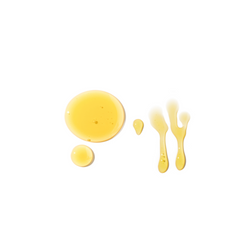
Moroccan Jasmine is derived from Jasminum grandiflorum, a species native to northern India but widely cultivated in Morocco, particularly in regions such as Agadir and the Rif Mountains. The warm Mediterranean climate and rich, well-drained soils contribute to the jasmine’s distinctive aromatic profile, which is often described as richer and creamier compared to other origins. Morocco’s jasmine production is artisanal, relying on hand-picking flowers at dawn to capture peak fragrance. Extraction is primarily performed via solvent extraction using hexane, which produces a concrete from fresh jasmine blossoms. The concrete is subsequently processed with ethanol to yield the absolute, a viscous yellow liquid prized in perfumery. This method preserves the delicate floral and fruity molecules such as benzyl acetate and indole, essential for the note’s characteristic scent. The yield is low, requiring approximately 800 kg of fresh flowers to produce 1 kg of concrete, and about 600 g of absolute. Natural Moroccan Jasmine absolute typically costs between $3,000 and $6,000 per kilogram, depending on quality and harvest conditions. Synthetic jasmine aroma chemicals, such as methyl jasmonate and indole, cost significantly less, around $50–200 per kilogram. Sustainability efforts in Morocco focus on fair labor practices and organic cultivation, with some producers certified under EU and USDA organic standards.

MA

Morocco

Regions like Agadir and the Rif Mountains produce Moroccan Jasmine with a creamy, rich floral character. The artisanal hand-picking at dawn preserves the flower’s delicate aroma. Morocco holds a significant niche market share, supplying high-quality jasmine absolute favored by niche perfumers.

EG

Egypt

Egypt is a major producer of Jasminum grandiflorum, with jasmine characterized by a radiant, fruity-apricot scent and some animalic nuances. Extraction methods and climate differ, producing a distinct jasmine absolute widely used in perfumery.

FR

France

Grasse, France, historically the center of jasmine cultivation, now produces limited quantities of jasmine absolute, prized for its refined floral quality. French jasmine is often grafted and harvested with traditional methods, contributing to its unique profile.

IT

Italy

Italy, particularly Calabria, cultivates Jasminum grandiflorum, producing jasmine with a fresh, floral scent. Italian jasmine absolute is used in luxury perfumery blends, complementing Moroccan jasmine in complex accords.

Chemistry

Natural vs Synthetic Moroccan Jasmine in Perfumery

Natural Moroccan Jasmine absolute is valued for its complex, multi-faceted aroma, which includes floral, fruity, and animalic notes derived from compounds such as benzyl acetate (CAS 140-11-4), indole (CAS 120-72-9), and jasmone (CAS 3622-84-2). Its longevity and diffusion in fragrances are excellent but come at a high cost and limited supply. Synthetic jasmine molecules, including methyl jasmonate (CAS 3622-84-2), indole, and benzyl acetate, are widely used to replicate or enhance the natural jasmine scent. These synthetics offer improved stability, consistency, and affordability, with prices ranging from $50 to $200 per kilogram. Synthetics also allow perfumers to avoid the environmental and ethical concerns associated with natural extraction. Famous fragrances like Tom Ford’s Jasmin Rouge (2009) use a blend of natural and synthetic jasmine to achieve a rich, opulent scent. CA Perfume’s approach emphasizes transparency and safety through the HumanSafe™ platform, ensuring ingredient sourcing and formulation meet high standards for consumer health and environmental impact.

Natural
Moroccan Jasmine Absolute
Cost $3,000–6,000/kg
Method Solvent / CO₂
Character Complex, variable
vs
Synthetic
Safranal & Analogues
Cost $50–200/kg
Method Lab synthesis
Character Consistent, stable
Hall of Fame

Famous Fragrances That Define Moroccan Jasmine in Perfumery

1999
dominant heart note

J’adore

Dior
by Calice Becker
roseylang-ylang
2017
dominant heart note

Gucci Bloom

Gucci
by Alessandro Michele, Alberto Morillas
tuberoseRangoon creeper
2009
accent note

Jasmin Rouge

Tom Ford
by Harry Fremont
spiceswoods
1921
key floral note

Chanel No. 5

Chanel
by Ernest Beaux
aldehydesrose
2014
heart note

À la rose

Maison Francis Kurkdjian
by Francis Kurkdjian
rosemusk

Moroccan Jasmine has been a cornerstone in many landmark fragrances, showcasing its versatility and luxurious character. Dior J’adore (1999), crafted by Calice Becker, uses Moroccan Jasmine as a dominant heart note, blending it with rose and ylang-ylang to create a lush floral bouquet. Gucci Bloom (2017) by Alessandro Michele and Alberto Morillas highlights the jasmine’s creamy and fresh facets, paired with tuberose and Rangoon creeper. Tom Ford Jasmin Rouge (2009) employs Moroccan Jasmine as a rich, opulent accent, combined with spices and woods for depth. Chanel No. 5 (1921) historically used jasmine from Morocco and Grasse, establishing jasmine as a symbol of elegance. More recently, Maison Francis Kurkdjian’s À la rose (2014) integrates Moroccan Jasmine to add softness and warmth. These fragrances demonstrate Moroccan Jasmine’s role as a bridge and accent note, enhancing floral, oriental, and chypre compositions. CA Perfume’s collection reflects this heritage by offering fragrances that honor jasmine’s complexity without compromising safety or sustainability.

The Accord

How is a captivating Moroccan Jasmine accord crafted?

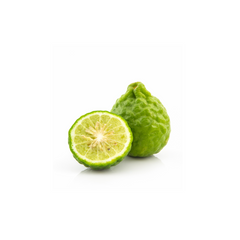
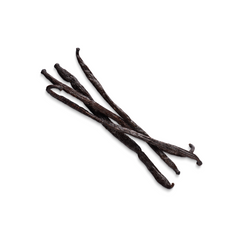
A Moroccan Jasmine accord typically blends Moroccan Jasmine absolute (30-35%) with rose absolute (20-25%) to enhance floral richness, bergamot (15-20%) to add a bright citrus lift, and vanilla absolute (20-25%) to soften and warm the composition. The benzyl acetate and indole in jasmine harmonize with the damascenone in rose, creating a seamless floral bridge. Bergamot’s limonene and linalyl acetate provide freshness that balances jasmine’s intensity, while vanilla’s vanillin masks any harshness, adding creamy sweetness.

35%

Moroccan Jasmine Absolute

30–35% of blend

Provides the rich, sweet, and creamy floral core with key molecules benzyl acetate and indole.

25%

Rose Absolute

20–25% of blend

Adds velvety floral depth and shares damascenone molecules that blend seamlessly with jasmine.

20%

Bergamot Essential Oil

15–20% of blend

Contributes fresh citrus top notes via limonene and linalyl acetate, balancing jasmine’s warmth.

25%

Vanilla Absolute

20–25% of blend

Softens jasmine’s intensity with vanillin’s creamy sweetness and olfactory masking effects.

The Olfactory Layers

How Moroccan Jasmine Evolves on Skin

Moroccan Jasmine’s olfactory evolution begins with bright citrus top notes that quickly evaporate within 10-15 minutes, revealing the floral heart dominated by jasmine’s rich benzyl acetate and indole compounds. The heart phase lasts 20-60 minutes, where the creamy floral facets bloom fully. The base notes emerge after several hours, where vanillin and musk compounds provide warmth and longevity, anchoring the fragrance.

I
Top notes
0–15 min
Bright Citrus Sparkle

Initial bright citrus notes such as bergamot and lemon provide a fresh, sparkling opening. These high-volatility molecules like limonene evaporate quickly, setting a lively stage before the jasmine heart unfolds.

BrightFreshSparkling
II
Heart notes
20–60 min
Creamy Floral Richness

The heart reveals Moroccan Jasmine’s rich, sweet floral character, dominated by benzyl acetate and indole. These molecules create a creamy, heady floral bouquet that is both warm and intoxicating, often blended with rose and ylang-ylang.

FloralCreamyWarm
III
Base notes
Several hours
Warm Vanilla Musk

The base consists of vanilla, musk, and woody notes that provide depth and longevity. Vanillin’s creamy sweetness and musks’ soft diffusion anchor the jasmine, allowing it to linger on skin for hours.

WarmSoftLong-lasting
TOP NOTES Bright Citrus Sparkle 0–15 minutes HEART NOTES Creamy Floral Richness 20–60 minutes BASE NOTES Warm Vanilla Musk Several hours
Through the Ages

The Story of Moroccan Jasmine in Perfumery

Moroccan Jasmine’s history in perfumery spans centuries, from ancient trade routes to modern luxury fragrance houses, marking its evolution as a prized floral note.

8th Century

Introduction of Jasmine to Morocco

Jasmine was introduced to Morocco via Mediterranean trade routes, spreading from Asia through the Middle East and North Africa, establishing early cultivation practices.

16th Century

Jasmine Cultivation in Grasse

Grasse, France, became a center for jasmine cultivation and extraction, influencing perfumery traditions that incorporated Moroccan jasmine varieties.

1920s

Industrial Extraction Advances

Solvent extraction methods using hexane were industrially introduced in Egypt and Morocco, improving yield and quality of jasmine absolute for perfumery.

1999

Dior J’adore Launch

Dior’s J’adore, featuring Moroccan Jasmine as a dominant heart note, popularized the creamy floral scent in modern perfumery.

2017

Gucci Bloom Debut

Gucci Bloom showcased Moroccan Jasmine’s fresh and creamy facets, cementing its role in contemporary floral fragrances.

The Art of Layering

How to Layer Moroccan Jasmine

Understanding how to layer Moroccan Jasmine involves molecular compatibility and olfactory synergy. Layering can amplify or soften jasmine’s facets by blending shared aroma chemicals or masking harsh notes.

01

Enhance Sweetness

Pair Moroccan Jasmine with vanilla, whose vanillin molecules soften jasmine’s indolic edge through olfactory masking, creating a creamy, inviting warmth. This combination is evident in fragrances like Dior J’adore.

02

Add Depth

Layer with sandalwood or cedarwood, which share woody lactones that complement jasmine’s floral richness, adding longevity and grounding the scent. Gucci Bloom exemplifies this pairing.

03

Lighten the Glow

Combine with bergamot or neroli, whose limonene and linalyl acetate provide bright, fresh top notes that contrast jasmine’s warmth, enhancing vibrancy and lift. This technique is common in chypre and floral citrus accords.

Wear It Right

How to Wear Moroccan Jasmine Like a Pro

Seasonal Guide

Fall & Winter

Cooler temperatures slow evaporation, allowing Moroccan Jasmine’s creamy and warm base notes to linger longer. Apply moderately to avoid heaviness in cold air.

Spring

Mild weather enhances jasmine’s fresh and floral heart. Layer with light citrus or green notes for a vibrant, uplifting scent.

Summer

Heat increases volatility, intensifying jasmine’s top and heart notes but shortening longevity. Use lighter concentrations or layer with musks to balance.

Year-Round Tip

Adjust application based on climate; layering with complementary notes can modulate projection and wear time effectively.

Application Points

Strategic application enhances Moroccan Jasmine’s scent projection and longevity.

1

Neck

Pulse points here emit heat, intensifying jasmine’s floral heart and enhancing projection.

2

Behind the Ears

Warmth from this area helps diffuse jasmine’s creamy notes subtly throughout the day.

3

Inner Wrists

Ideal for layering scents; wrist movement releases jasmine’s evolving aroma.

4

Hair

Hair holds fragrance oils well, releasing jasmine’s scent softly with natural movement.

Pro Tip

Moisturize skin before application to enhance jasmine’s diffusion and longevity.

Mood Architecture™

Top Moroccan Jasmine Fragrances by Mood Score

These Moroccan Jasmine-based fragrances scored highest on the MEI™ Mood Architecture Framework — measuring how a scent may influence your emotional state.

Highest MEI Score
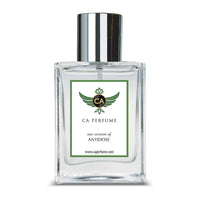
Antidose — Antidote Alternative Cologne
9.09
MEI™
Primary Romantic
Secondary Confident
Confidence
8.63
Presence
9.1
Mood Lift
9.5
Identity
8.51
Warmth
9.5
Social Ease
9.5
Energy
6.7
" I am beautiful.
View full mood profile →
HumanSafe™

Top Moroccan Jasmine Fragrances by HumanSafe™ Score

These Moroccan Jasmine-based fragrances have the highest product-level HumanSafe™ scores in this ingredient collection.

Highest HumanSafe™ Score
Antidose — Antidote Alternative Cologne
A-
HumanSafe™ Score Generally Safe
Safest Evaluated Ingredients EDP
AQUA Solvent / Carrier ISS 10.0
BENZYL SALICYLATE EYE IRRITATION - CAT.2B [H320] Evaluated ingredient ISS 9.0
7-OCTEN-2-OL, 2,6-DIMETHYL- CAT. 3 Evaluated ingredient ISS 9.0
1H-3A,7-METHANOAZULENE, OCTAHYDRO-6-METHOXY- Evaluated ingredient ISS 9.0
2H-1-BENZOPYRAN-2-ONE Evaluated ingredient ISS 8.0
LINALYL ACETATE Evaluated ingredient ISS 7.0
View full safety profile →
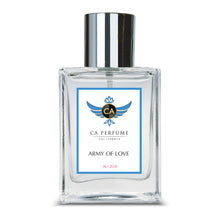
Army Of Love Perfume Spray
#2
Army Of Love Perfume Spray
Starting from $89.99
A-
HumanSafe™ Score Generally Safe
Safest Evaluated Ingredients EDP
ETHYLENE BRASSYLATE Fragrance ingredient ISS 10.0
COUMARIN Fragrance ingredient ISS 7.5
View full safety profile →
Expert Voices

What Masters Say About Moroccan Jasmine

Jasmine is the king of perfumes, with a scent that is rich, complex, and deeply evocative, capable of expressing both purity and sensuality in a fragrance.
Edmond Roudnitska, perfumer
Moroccan Jasmine’s creamy floral profile is prized for its ability to blend seamlessly with rose and vanilla, creating accords that are both radiant and warm.
CA Perfume Editorial
Common Questions

Frequently Asked Questions

Answers to common questions about Moroccan Jasmine in perfumery.

Moroccan Jasmine smells rich, sweet, and creamy with a heady floral character. It contains molecules like benzyl acetate and indole, which give it a warm, slightly fruity, and animalic scent. It is often used as a heart note in perfumes such as Dior J’adore and Gucci Bloom, where it adds depth and sensuality.

Moroccan Jasmine is primarily used as a heart note in perfumery. It appears after the top notes evaporate, providing the main floral character of the fragrance. Its molecular weight and volatility suit this middle phase, where it unfolds fully and lasts for hours.

Moroccan Jasmine’s complex scent profile, combining creamy, sweet, and slightly animalic facets, makes it highly versatile and prized in niche perfumery. Its rarity and labor-intensive extraction add exclusivity, while its ability to blend with diverse notes allows perfumers to create unique, sophisticated compositions.

Moroccan Jasmine pairs well with rose, vanilla, bergamot, white honey, sandalwood, and musk. These notes complement jasmine’s floral richness by adding depth, sweetness, freshness, or warmth, enabling a balanced and multi-dimensional fragrance accord.

Yes, Moroccan Jasmine perfumes can be suitable for summer when formulated with lighter concentrations and fresh top notes like citrus. However, its creamy and warm facets may feel heavier in extreme heat, so layering with fresh or aquatic notes is recommended for hot climates.

Moroccan Jasmine fragrances typically last 5 to 7 hours, depending on concentration and formulation. Parfum and Eau de Parfum concentrations offer the longest wear, supported by fixatives like vanilla and musk that extend the scent’s longevity.

Yes, layering Moroccan Jasmine with complementary notes such as vanilla, sandalwood, or citrus can enhance its complexity and longevity. Layering allows modulation of jasmine’s intensity and can create a personalized scent experience.

Beginner-friendly Moroccan Jasmine perfumes include Dior J’adore and Gucci Bloom, which showcase jasmine’s floral richness balanced with accessible notes like rose and tuberose. These fragrances offer a well-rounded introduction to jasmine’s scent profile.

Choosing the right Moroccan Jasmine fragrance involves considering concentration, complementary notes, and personal skin chemistry. CA Perfume offers detailed ingredient transparency and HumanSafe™ scores to help select fragrances that align with your preferences and safety standards.

Moroccan Jasmine primarily smells sweet and creamy with floral richness. While it can be blended with spicy notes, its inherent scent is not spicy but rather warm and heady, with subtle fruity and animalic undertones.

Floral Collection

Explore Our Top Moroccan Jasmine Fragrances

Discover a curated selection of Moroccan Jasmine perfumes showcasing the note’s rich floral elegance and versatility.

Shop all moroccan jasmine fragrances at CA Perfume →

Where Moroccan Jasmine Comes From — Origin & Extraction

Moroccan Jasmine is derived from Jasminum grandiflorum, a species native to northern India but widely cultivated in Morocco, particularly in regions such as Agadir and the Rif Mountains. The warm Mediterranean climate and rich, well-drained soils contribute to the jasmine’s distinctive aromatic profile, which is often described as richer and creamier compared to other origins. Morocco’s jasmine production is artisanal, relying on hand-picking flowers at dawn to capture peak fragrance. Extraction is primarily performed via solvent extraction using hexane, which produces a concrete from fresh jasmine blossoms. The concrete is subsequently processed with ethanol to yield the absolute, a viscous yellow liquid prized in perfumery. This method preserves the delicate floral and fruity molecules such as benzyl acetate and indole, essential for the note’s characteristic scent. The yield is low, requiring approximately 800 kg of fresh flowers to produce 1 kg of concrete, and about 600 g of absolute. Natural Moroccan Jasmine absolute typically costs between $3,000 and $6,000 per kilogram, depending on quality and harvest conditions. Synthetic jasmine aroma chemicals, such as methyl jasmonate and indole, cost significantly less, around $50–200 per kilogram. Sustainability efforts in Morocco focus on fair labor practices and organic cultivation, with some producers certified under EU and USDA organic standards.

Famous Fragrances That Define Moroccan Jasmine in Perfumery

Moroccan Jasmine has been a cornerstone in many landmark fragrances, showcasing its versatility and luxurious character. Dior J’adore (1999), crafted by Calice Becker, uses Moroccan Jasmine as a dominant heart note, blending it with rose and ylang-ylang to create a lush floral bouquet. Gucci Bloom (2017) by Alessandro Michele and Alberto Morillas highlights the jasmine’s creamy and fresh facets, paired with tuberose and Rangoon creeper. Tom Ford Jasmin Rouge (2009) employs Moroccan Jasmine as a rich, opulent accent, combined with spices and woods for depth. Chanel No. 5 (1921) historically used jasmine from Morocco and Grasse, establishing jasmine as a symbol of elegance. More recently, Maison Francis Kurkdjian’s À la rose (2014) integrates Moroccan Jasmine to add softness and warmth. These fragrances demonstrate Moroccan Jasmine’s role as a bridge and accent note, enhancing floral, oriental, and chypre compositions. CA Perfume’s collection reflects this heritage by offering fragrances that honor jasmine’s complexity without compromising safety or sustainability.

Natural vs Synthetic Moroccan Jasmine in Perfumery

Natural Moroccan Jasmine absolute is valued for its complex, multi-faceted aroma, which includes floral, fruity, and animalic notes derived from compounds such as benzyl acetate (CAS 140-11-4), indole (CAS 120-72-9), and jasmone (CAS 3622-84-2). Its longevity and diffusion in fragrances are excellent but come at a high cost and limited supply. Synthetic jasmine molecules, including methyl jasmonate (CAS 3622-84-2), indole, and benzyl acetate, are widely used to replicate or enhance the natural jasmine scent. These synthetics offer improved stability, consistency, and affordability, with prices ranging from $50 to $200 per kilogram. Synthetics also allow perfumers to avoid the environmental and ethical concerns associated with natural extraction. Famous fragrances like Tom Ford’s Jasmin Rouge (2009) use a blend of natural and synthetic jasmine to achieve a rich, opulent scent. CA Perfume’s approach emphasizes transparency and safety through the HumanSafe™ platform, ensuring ingredient sourcing and formulation meet high standards for consumer health and environmental impact.