Ingredient Guide · Gourmand
Gourmand Family · Perfumery Note

Mocha

Indulge in the cozy fusion of coffee and chocolate aromas

Mocha is a heart note in perfumery combining coffee and chocolate, used under 3% concentration. It features key origins from Brazil, Colombia, and Ivory Coast, delivering a warm, sweet scent profile.

Mocha
Ingredient Profile

Mocha

Gourmand Family
Family Gourmand
Note Position Heart Note
Usage Level <3%
Key Origins Brazil, Colombia, Ivory Coast
Iconic In Intoxicated, Tease Cocoa Soirée
The Ingredient

What does Mocha smell like and why is it so appealing?

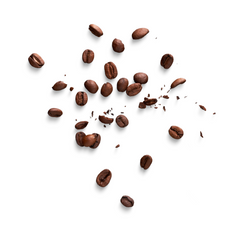
Mocha in perfumery is a gourmand heart note characterized by a rich fusion of roasted coffee and sweet chocolate aromas. This scent profile arises from the complex interplay of coffee's dark roasted compounds and cocoa's velvety, slightly bitter molecules, creating a warm and indulgent olfactory experience. The note typically includes elements reminiscent of espresso, steamed milk, and whipped cream, evoking a cozy café atmosphere. As a heart note, mocha is used at concentrations below 3% in fragrance compositions. It interacts with skin chemistry by balancing bitter and sweet nuances, which can soften or intensify depending on individual skin pH and body heat. This makes mocha a versatile note that evolves warmly over several hours, contributing depth and comfort to perfumes. Notable fragrances featuring mocha include Kilian's Intoxicated (2016), where mocha serves as a dominant gourmand element paired with coffee and cacao, and Victoria's Secret's Tease Cocoa Soirée, which blends mocha with creamy and floral accords. These examples highlight mocha's role in creating inviting, indulgent scents that appeal especially in colder seasons.

<3%
Typical usage concentration of mocha absolute in fragrance formulations to comply with IFRA safety standards and maintain olfactory balance.
2 Sprays
Recommended application amount for a noticeable yet non-overpowering mocha scent suitable for daily wear.
4–6 Hours
Expected longevity of mocha fragrances on skin, depending on concentration and individual skin chemistry.
Origin & Extraction

Where Mocha Comes From — Origin & Extraction

Mocha's scent character is deeply influenced by the geographic origins of its coffee and cocoa components. Soil composition, altitude, and climate affect the aromatic profiles of beans, contributing to the complexity of the mocha note.

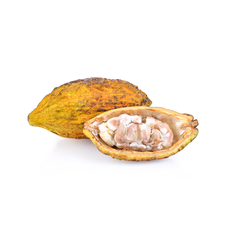
Mocha as a fragrance note is derived primarily from coffee and cocoa sources. The coffee component originates from Coffea arabica beans cultivated mainly in Brazil and Colombia, which together account for approximately 60% of global coffee production. Brazilian coffee beans contribute a smooth, nutty richness, while Colombian beans add vibrant acidity and sweetness. The cocoa element is sourced from Theobroma cacao trees, predominantly grown in the Ivory Coast, the world's largest cocoa producer with about 40% market share. Extraction of mocha fragrance materials involves solvent extraction and supercritical CO2 extraction methods. Coffee absolute is obtained by solvent extraction using hexane or ethanol, which preserves the complex roasted aroma compounds. Cocoa absolute is similarly extracted, yielding a dense, balsamic, and slightly animalic profile. CO2 extraction is favored for its ability to capture delicate aroma molecules without heat degradation. Natural mocha absolutes cost between $3,000 and $6,000 per kilogram due to labor-intensive harvesting and extraction. Synthetic aroma chemicals mimicking mocha, such as safranal and vanillin derivatives, cost significantly less ($50–200/kg) and offer consistent quality. Sustainability concerns focus on ethical sourcing of coffee and cocoa beans, with certifications like Fair Trade and Rainforest Alliance increasingly important to ensure responsible agricultural practices.

BR

Brazil

Brazil's Minas Gerais region produces coffee beans known for their smooth, nutty richness and creamy undertones, contributing to mocha's sweet and rounded facets. Brazil accounts for about 35% of global coffee production, with harvesting done primarily by selective picking to ensure quality.

CO

Colombia

Colombian coffee from the Andean highlands offers vibrant acidity and bright sweetness, adding complexity to mocha accords. The country's coffee cultivation benefits from volcanic soil and high altitude, producing beans with nuanced aromatic profiles.

CI

Ivory Coast

The Ivory Coast is the leading cocoa producer globally, with fertile tropical soils that yield beans rich in chocolatey, balsamic aromas. Cocoa from this region imparts the deep, dark chocolate depth essential to mocha's gourmand character.

Chemistry

Natural vs Synthetic Mocha in Perfumery

Natural mocha fragrance materials are complex absolutes extracted from coffee beans (Coffea arabica) and cocoa beans (Theobroma cacao) using solvent or CO2 extraction. These natural extracts contain a wide range of volatile compounds, including roasted pyrazines, methylxanthines, and vanillin, which contribute to their rich, variable scent profile. Natural mocha absolutes are prized for their depth but are costly ($3,000–6,000/kg) and subject to batch variability. Synthetic mocha accords rely on aroma chemicals such as safranal (CAS 116-26-7), vanillin (CAS 121-33-5), and ethyl maltol (CAS 4940-11-8). These molecules replicate the key facets of mocha's scent—roasted bitterness, sweetness, and creamy warmth—with greater stability, consistency, and affordability ($50–200/kg). Synthetic versions also offer improved longevity and diffusion in fragrance compositions. Famous fragrances like Kilian Intoxicated use natural mocha absolutes for authenticity, while designer brands often employ synthetic molecules for cost-effectiveness and regulatory compliance. The HumanSafe™ platform emphasizes transparency in ingredient sourcing and safety, guiding CA Perfume's balanced approach to using both natural and synthetic mocha materials to optimize performance and sustainability.

Natural
Mocha Absolute
Cost $3,000–6,000/kg
Method Solvent / CO₂
Character Complex, variable
vs
Synthetic
Safranal & Analogues
Cost $50–200/kg
Method Lab synthesis
Character Consistent, stable
Hall of Fame

Famous Fragrances That Define Mocha in Perfumery

2016
dominant note

Intoxicated

By Kilian
by Calice Becker
coffeecacaovanilla
2019
heart note

Tease Cocoa Soirée

Victoria's Secret
vanillaosmanthusrose
2021
accent

Ebony Wood Elixir

Zara
woody notesspices
2023
supporting note

Pink Mochi Dream

Siren Song Elixirs
milky accordssweet notes
2022
bridge note

Leather Mirage

Massimo Dutti
leatherambermocha

Mocha has become a defining gourmand note in contemporary perfumery, featured in several landmark fragrances. Kilian's Intoxicated (2016), crafted by perfumer Calice Becker, uses mocha as a dominant note, blending it with coffee and cacao to create a rich, indulgent scent that epitomizes modern gourmand elegance. Victoria's Secret's Tease Cocoa Soirée (2019) incorporates mocha as a heart note, paired with creamy vanilla and floral osmanthus, offering a soft, inviting aroma. Other notable examples include Zara's Ebony Wood Elixir (2021), where mocha accents woody and spicy elements, and Siren Song Elixirs' Pink Mochi Dream (2023), which layers mocha with sweet, milky accords for a playful gourmand effect. Massimo Dutti's Leather Mirage (2022) contrasts mocha's sweetness with leather and amber, adding complexity. These fragrances demonstrate mocha's versatility as a bridge between sweet and warm notes. CA Perfume's collection reflects this lineage by offering nuanced gourmand blends that honor mocha's rich heritage while embracing modern olfactory trends.

The Accord

How is a captivating Mocha accord crafted?

A well-balanced mocha accord combines coffee, cacao, vanilla, and a touch of creamy milk to evoke the rich, warm scent of a mocha beverage. Coffee (25–30%) provides the roasted, dark heart, while cacao (15–20%) adds chocolatey depth and velvety texture. Vanilla (20–25%) introduces creamy sweetness that softens the bitterness, and milk or cream notes (20–25%) round out the accord with a smooth, comforting finish. This blend totals approximately 90–100%, creating a gourmand accord that is both indulgent and harmonious.

30%

Coffee

25–30% of blend

Coffee provides the roasted, bitter core of the mocha accord, delivering dark, warm aromatic compounds such as pyrazines and furans that evoke espresso richness.

20%

Cacao

15–20% of blend

Cacao adds chocolatey depth with velvety, slightly bitter facets, enhancing the gourmand complexity through molecules like methylxanthines and phenolic compounds.

25%

Vanilla

20–25% of blend

Vanilla introduces creamy sweetness via vanillin, softening the roasted and bitter notes and providing a smooth, comforting warmth.

25%

Milk/Cream

20–25% of blend

Milk or cream notes round out the accord with a smooth, lactonic softness, enhancing the gourmand effect and mimicking steamed milk in a mocha.

The Olfactory Layers

How Mocha Evolves on Skin

Mocha fragrances evolve through distinct olfactory stages, beginning with lighter, volatile top notes that give way to the rich, roasted heart of coffee and chocolate. Over 20–60 minutes, the heart notes deepen as vanillin and lactonic molecules soften the composition. Base notes provide lasting warmth and creaminess, extending the gourmand experience for several hours.

I
Top notes
0–15 min
Spicy Creaminess

Initial impressions feature lighter, volatile compounds such as cardamom and subtle milky sweetness. These molecules evaporate quickly, providing a fresh and inviting opening that prepares the senses for the richer heart.

FreshSpicyCreamy
II
Heart notes
20–60 min
Roasted Depth

The heart reveals the core mocha accord with roasted coffee aromatics and cacao's chocolatey depth. Vanillin and lactones emerge, softening bitterness and adding creamy warmth. This stage defines the fragrance's gourmand character.

RoastedChocolateyWarm
III
Base notes
Several hours
Smooth Sweetness

Base notes provide lasting richness with vanilla, creamy milk facets, and subtle woody or amber undertones that anchor the composition. These low-volatility molecules ensure longevity and a comforting dry-down.

CreamySweetWoody
TOP NOTES Spicy Creaminess 0–15 minutes HEART NOTES Roasted Depth 20–60 minutes BASE NOTES Smooth Sweetness Several hours
Through the Ages

The Story of Mocha in Perfumery

Mocha's journey in perfumery spans from early cocoa use in ancient cultures to its modern gourmand prominence, reflecting evolving extraction techniques and fragrance trends.

Antiquity

Cacao in Ancient Rituals

Theobroma cacao was revered by Mayan and Aztec civilizations for ceremonial use and as currency. Cacao beans were occasionally burned as incense, introducing early aromatic use of chocolate-like scents.

19th Century

Introduction of Cocoa Absolute

French perfumers began solvent extraction of cocoa absolute, incorporating its dark, creamy aroma into oriental and gourmand perfumes, marking cocoa's formal entry into perfumery.

Late 20th Century

Rise of Gourmand Fragrances

The gourmand family emerged prominently, with mocha and chocolate notes becoming popular in niche and designer perfumes, reflecting consumer interest in edible-inspired scents.

2016

Launch of Kilian Intoxicated

Calice Becker created Intoxicated, a fragrance centered on mocha, coffee, and cacao, establishing mocha as a key gourmand note in modern perfumery.

2024

Fragrance World Mocha Release

Fragrance World launched Mocha, combining cardamom, coffee, osmanthus, rose, and cocoa absolute, showcasing mocha's versatility in contemporary aromatic compositions.

The Art of Layering

How to Layer Mocha

Understanding how to layer mocha involves molecular compatibility, balancing its roasted bitterness with complementary notes to enhance complexity and wearability.

01

Enhance Sweetness

Layering mocha with vanilla softens its bitter edge through vanillin's olfactory masking, creating a creamy, sweet warmth as seen in Kilian's Intoxicated paired with vanilla accords.

02

Add Depth

Combining mocha with woody notes like sandalwood introduces lactones that complement mocha's creaminess, deepening the fragrance's base and extending longevity, exemplified in Zara's Ebony Wood Elixir.

03

Lighten the Glow

Pairing mocha with fresh citrus such as bergamot brightens the composition by adding high-volatility terpenes that contrast mocha's dense aroma, providing balance and freshness.

Wear It Right

How to Wear Mocha Like a Pro

Seasonal Guide

Fall & Winter

Cooler temperatures enhance mocha's richness and longevity. Apply more liberally for cozy, enveloping warmth ideal for evening wear and intimate settings.

Spring

Moderate application balances mocha's gourmand sweetness with fresh florals or citrus to lighten the scent, maintaining comfort without heaviness.

Summer

Use sparingly to avoid overwhelming in heat. Layer with fresh, aquatic notes to offset mocha's density and maintain freshness during warmer days.

Year-Round Tip

Layer mocha with vanilla or musk to smooth transitions and extend wear, adapting the accord's warmth and sweetness to any climate.

Application Points

Strategic application enhances mocha's warmth and longevity while balancing its gourmand richness.

1

Neck

Pulse points like the neck generate heat that activates mocha's roasted and creamy molecules, enhancing projection and scent evolution.

2

Behind the Ears

This discreet area allows for subtle diffusion of mocha's gourmand facets, ideal for intimate scent experiences.

3

Inner Wrists

Wrists provide warmth and movement, helping mocha's complex notes unfold naturally throughout the day.

4

Hair

Hair holds fragrance oils well, releasing mocha's sweet and warm aroma gradually with natural motion.

Pro Tip

Layer mocha perfumes with vanilla or musk body lotions to enhance creaminess and longevity without overpowering.

Mood Architecture™

Top Mocha Fragrances by Mood Score

These Mocha-based fragrances scored highest on the MEI™ Mood Architecture Framework — measuring how a scent may influence your emotional state.

Highest MEI Score
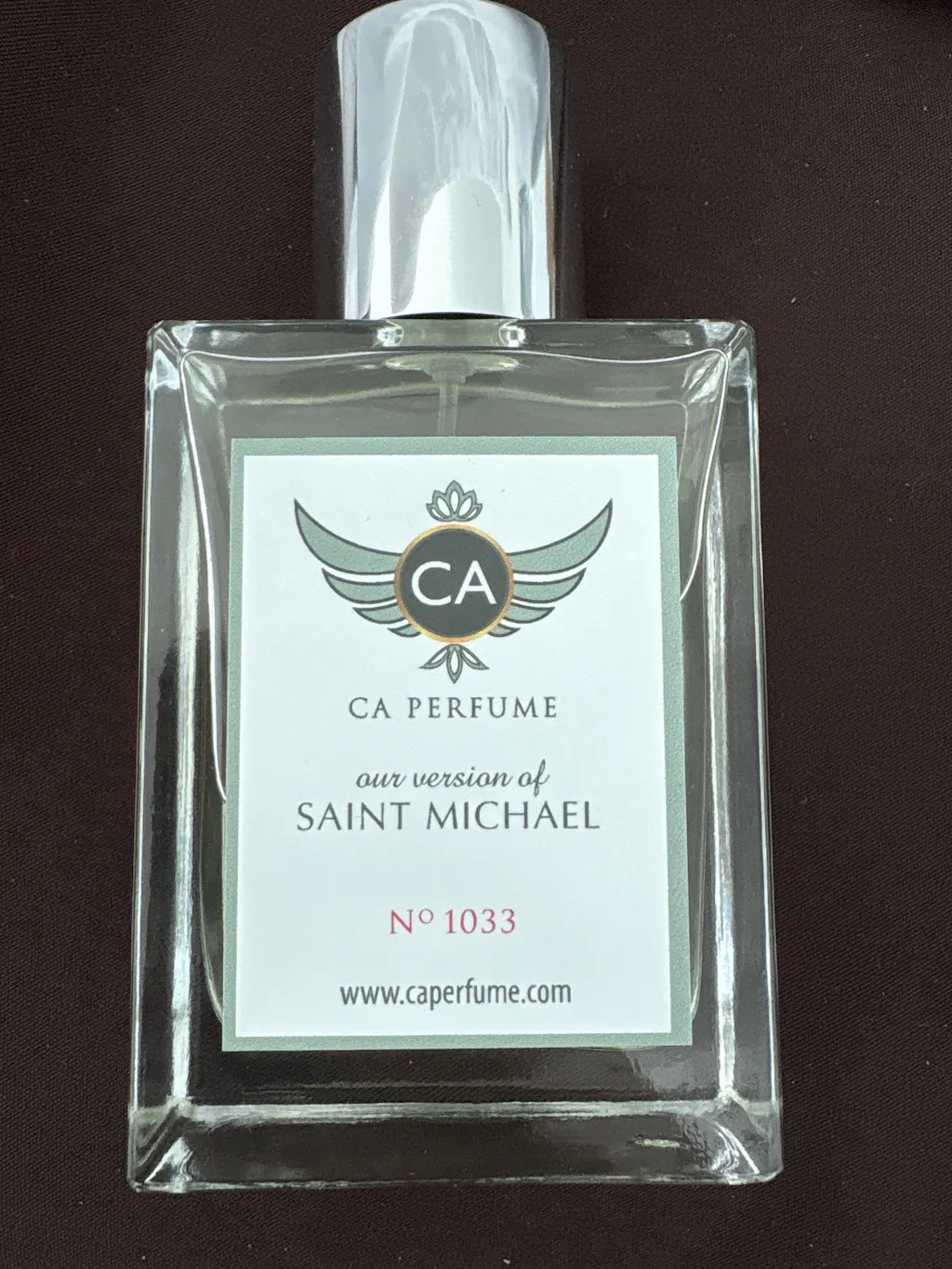
Intoxicated — By Kilian Impression Intoxicated Alternative Perfume
6.62
MEI™
Primary Romantic
Secondary Confident
Confidence
6.69
Presence
6.4
Mood Lift
6.97
Identity
6.25
Warmth
7.48
Social Ease
5.93
Energy
4.8
" I am beautiful.
View full mood profile →
HumanSafe™

Top Mocha Fragrances by HumanSafe™ Score

These Mocha-based fragrances have the highest product-level HumanSafe™ scores in this ingredient collection.

Highest HumanSafe™ Score
Intoxicated — By Kilian Impression Intoxicated Alternative Perfume
A-
HumanSafe™ Score Generally Safe
Safest Evaluated Ingredients EDP
AQUA Solvent / Carrier ISS 10.0
7-OCTEN-2-OL, 2,6-DIMETHYL- Evaluated ingredient ISS 9.0
2-OXABICYCLO[2.2.2]OCTANE, 1,3,3-TRIMETHYL- Evaluated ingredient ISS 9.0
2H-1-BENZOPYRAN-2-ONE Evaluated ingredient ISS 8.0
LINALYL ACETATE Evaluated ingredient ISS 7.0
LINALOOL Evaluated ingredient ISS 7.0
View full safety profile →
Expert Voices

What Masters Say About Mocha

Mocha's scent profile is a sophisticated blend of bitter and sweet, combining roasted coffee and creamy chocolate notes that evoke warmth and indulgence.
CA Perfume Editorial
The complexity of mocha in fragrance lies in its ability to balance the dark, roasted facets of coffee with the velvety sweetness of cocoa, creating a gourmand note that is both comforting and elegant.
CA Perfume Editorial
Common Questions

Frequently Asked Questions

Frequently asked questions about mocha in perfumery.

Mocha in perfume smells like a rich blend of roasted coffee and sweet chocolate, often accompanied by creamy milk and subtle spices. It evokes the aroma of a café mocha drink, combining bitter and sweet nuances that create a warm, indulgent scent. Notable perfumes featuring mocha include Kilian's Intoxicated and Victoria's Secret's Tease Cocoa Soirée.

Mocha is primarily used as a heart note in perfumery. It provides the rich, gourmand core of a fragrance, bridging the initial top notes and the lasting base notes. Its complexity and moderate volatility make it ideal for this middle stage, where it can develop fully on the skin.

Mocha is favored in niche perfumery for its complex gourmand profile that combines warmth, sweetness, and depth. It adds a luxurious, edible quality to fragrances, appealing to consumers seeking unique, comforting scents. Its versatility allows it to blend well with florals, spices, and woods, enhancing niche compositions.

Mocha fragrance uses often pair with vanilla, coffee, cacao, tonka bean, amber, musk, cinnamon, patchouli, and caramel. These notes complement mocha's roasted and sweet facets, enhancing the gourmand accord's richness and warmth.

Mocha perfumes are generally better suited for cooler seasons due to their rich and warm character. However, in summer, they can be worn sparingly or layered with fresh, citrus, or aquatic notes to lighten the composition and maintain freshness.

Mocha fragrances typically last between 4 to 6 hours on the skin, depending on concentration and individual skin chemistry. Higher concentrations like Parfum or Eau de Parfum enhance longevity by preserving the complex roasted and creamy notes.

Yes, layering mocha perfume with complementary notes like vanilla, musk, or citrus can enhance its sweetness, depth, or freshness. Understanding how to layer mocha helps create personalized scents that balance gourmand richness with other olfactory facets.

For beginners, approachable mocha perfumes like Victoria's Secret Tease Cocoa Soirée or Zara Ebony Wood Elixir offer balanced gourmand scents without overwhelming intensity. These fragrances showcase mocha's warmth alongside softer complementary notes.

Choosing the right mocha fragrance involves considering concentration, complementary notes, and occasion. CA Perfume offers a curated selection of mocha-based scents with detailed descriptions and layering advice to help you find a fragrance that suits your preferences and lifestyle.

Mocha primarily smells sweet with rich roasted coffee and chocolate notes, but it can include subtle spicy undertones like cardamom or cinnamon depending on the formulation. This balance adds complexity and warmth to gourmand compositions.

Gourmand Collection

Explore Our Top Mocha Fragrances

Discover a curated selection of mocha-infused perfumes that showcase the note's rich gourmand appeal.

Shop all mocha fragrances at CA Perfume →

Where Mocha Comes From — Origin & Extraction

Mocha as a fragrance note is derived primarily from coffee and cocoa sources. The coffee component originates from Coffea arabica beans cultivated mainly in Brazil and Colombia, which together account for approximately 60% of global coffee production. Brazilian coffee beans contribute a smooth, nutty richness, while Colombian beans add vibrant acidity and sweetness. The cocoa element is sourced from Theobroma cacao trees, predominantly grown in the Ivory Coast, the world's largest cocoa producer with about 40% market share. Extraction of mocha fragrance materials involves solvent extraction and supercritical CO2 extraction methods. Coffee absolute is obtained by solvent extraction using hexane or ethanol, which preserves the complex roasted aroma compounds. Cocoa absolute is similarly extracted, yielding a dense, balsamic, and slightly animalic profile. CO2 extraction is favored for its ability to capture delicate aroma molecules without heat degradation. Natural mocha absolutes cost between $3,000 and $6,000 per kilogram due to labor-intensive harvesting and extraction. Synthetic aroma chemicals mimicking mocha, such as safranal and vanillin derivatives, cost significantly less ($50–200/kg) and offer consistent quality. Sustainability concerns focus on ethical sourcing of coffee and cocoa beans, with certifications like Fair Trade and Rainforest Alliance increasingly important to ensure responsible agricultural practices.

Famous Fragrances That Define Mocha in Perfumery

Mocha has become a defining gourmand note in contemporary perfumery, featured in several landmark fragrances. Kilian's Intoxicated (2016), crafted by perfumer Calice Becker, uses mocha as a dominant note, blending it with coffee and cacao to create a rich, indulgent scent that epitomizes modern gourmand elegance. Victoria's Secret's Tease Cocoa Soirée (2019) incorporates mocha as a heart note, paired with creamy vanilla and floral osmanthus, offering a soft, inviting aroma. Other notable examples include Zara's Ebony Wood Elixir (2021), where mocha accents woody and spicy elements, and Siren Song Elixirs' Pink Mochi Dream (2023), which layers mocha with sweet, milky accords for a playful gourmand effect. Massimo Dutti's Leather Mirage (2022) contrasts mocha's sweetness with leather and amber, adding complexity. These fragrances demonstrate mocha's versatility as a bridge between sweet and warm notes. CA Perfume's collection reflects this lineage by offering nuanced gourmand blends that honor mocha's rich heritage while embracing modern olfactory trends.

Natural vs Synthetic Mocha in Perfumery

Natural mocha fragrance materials are complex absolutes extracted from coffee beans (Coffea arabica) and cocoa beans (Theobroma cacao) using solvent or CO2 extraction. These natural extracts contain a wide range of volatile compounds, including roasted pyrazines, methylxanthines, and vanillin, which contribute to their rich, variable scent profile. Natural mocha absolutes are prized for their depth but are costly ($3,000–6,000/kg) and subject to batch variability. Synthetic mocha accords rely on aroma chemicals such as safranal (CAS 116-26-7), vanillin (CAS 121-33-5), and ethyl maltol (CAS 4940-11-8). These molecules replicate the key facets of mocha's scent—roasted bitterness, sweetness, and creamy warmth—with greater stability, consistency, and affordability ($50–200/kg). Synthetic versions also offer improved longevity and diffusion in fragrance compositions. Famous fragrances like Kilian Intoxicated use natural mocha absolutes for authenticity, while designer brands often employ synthetic molecules for cost-effectiveness and regulatory compliance. The HumanSafe™ platform emphasizes transparency in ingredient sourcing and safety, guiding CA Perfume's balanced approach to using both natural and synthetic mocha materials to optimize performance and sustainability.