Where Mimosa Comes From — Origin & Extraction
Mimosa used in perfumery is primarily sourced from Acacia dealbata (silver wattle) and, to a lesser extent, Acacia farnesiana. Native to southeastern Australia and Tasmania, Acacia dealbata has been cultivated since the 19th century in southern France (notably Grasse and the Tanneron massif), as well as in Morocco, Egypt, and India. France’s Côte d’Azur region, especially Mandelieu-la-Napoule and Tanneron, is a historic center of mimosa cultivation, with annual production volumes estimated at several hundred tons of fresh flowers for the fragrance industry.
Extraction involves volatile solvent extraction (typically hexane), yielding a waxy concrete at 0.2–0.4% yield from fresh flowers. The concrete is then washed with ethanol to produce mimosa absolute (CAS 8031-03-6), a golden-yellow to brown paste. The process is temperature-controlled (<40°C) to preserve delicate aroma compounds such as anisaldehyde and coumarin derivatives. Enfleurage, once common, is now obsolete for mimosa. Mimosa absolute is costly, with prices ranging from $3,000 to $7,000 per kg depending on origin and harvest quality, while synthetic mimosa aroma chemicals (e.g., Mimosal, 4-methyl-α-amylcinnamaldehyde) are available at $50–$150 per kg.
Sustainability is a concern due to the labor-intensive hand-harvesting and the relatively low yield per hectare. However, mimosa cultivation in France and Morocco often follows traditional, small-scale agricultural practices that support local biodiversity. Synthetic mimosa materials help alleviate pressure on wild and cultivated stocks, providing a more consistent and sustainable supply for large-scale perfumery.
Famous Fragrances That Define Mimosa in Perfumery
Mimosa has featured in both classic and contemporary fragrances, often as a heart note lending powdery, sweet, and green nuances. Notable examples include:
1. Guerlain Champs-Élysées (1996, Jacques Guerlain & Jean-Paul Guerlain): Mimosa is the central note, paired with rose, almond, and almond blossom, creating a luminous, powdery-floral bouquet.
2. Jo Malone London Mimosa & Cardamom (2015, Marie Salamagne): Here, mimosa absolute is combined with cardamom and tonka bean, emphasizing its honeyed and powdery aspects in a modern, unisex composition.
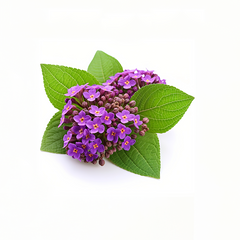
3. Amouage Love Mimosa (2019, Nathalie Lorson): Mimosa is blended with pear, heliotrope, and ylang-ylang, highlighting its fresh, green, and almond facets.
4. Prada Infusion de Mimosa (2016, Daniela Andrier): Mimosa is used as a soft, powdery heart, paired with citrus and rose, for a refined, luminous effect.
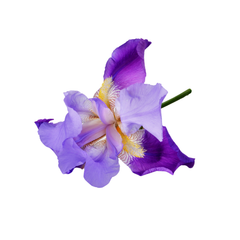
5. Penhaligon’s The Favourite (2020, Alienor Massenet): Mimosa is paired with iris, musk, and sandalwood, creating a creamy, powdery floral impression.
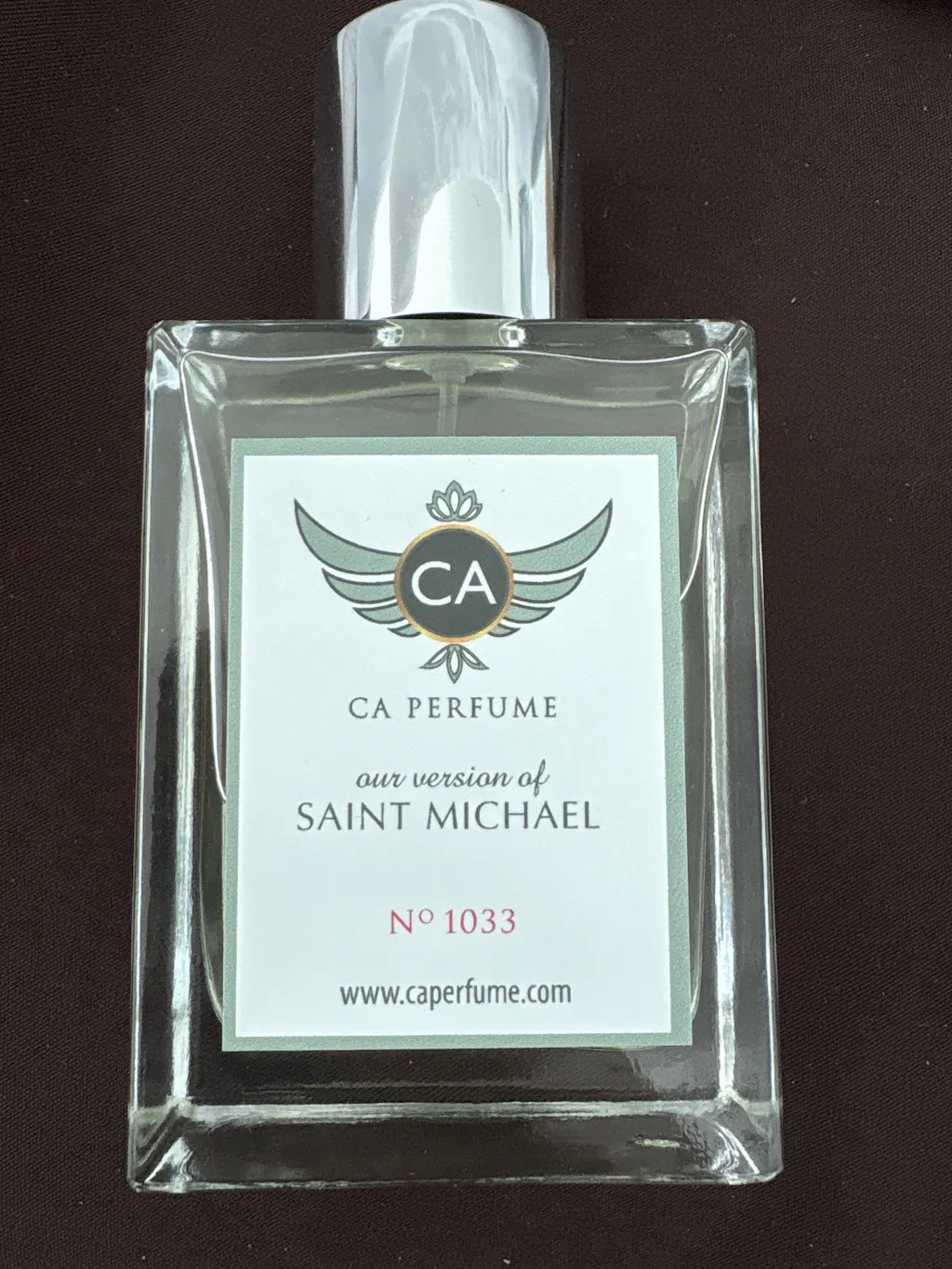
These fragrances demonstrate mimosa’s versatility—whether as a dominant note (Champs-Élysées), a bridge between florals and spices (Mimosa & Cardamom), or as a supporting powdery accent (The Favourite). CA Perfume’s collection draws inspiration from this lineage, offering mimosa-centered compositions that reflect both tradition and innovation.
Natural vs Synthetic Mimosa in Perfumery
Natural mimosa absolute is a complex mixture dominated by anisaldehyde (CAS 123-11-5), nonanal (CAS 124-19-6), heptanal (CAS 111-71-7), and coumarin derivatives. These molecules provide the signature powdery, sweet, and hay-like character. However, natural absolute is expensive, variable in quality, and subject to agricultural constraints.
Synthetic mimosa notes are constructed using aroma chemicals such as Mimosal (CAS 103694-68-4, Firmenich), 4-methyl-α-amylcinnamaldehyde (CAS 101-39-3), and mimosa heptanal (Acalea, IFF). These synthetics offer greater stability, batch consistency, and improved longevity and diffusion compared to natural absolute. For example, Mimosal imparts a bright, green-powdery, lily-of-the-valley-like effect, while 4-methyl-α-amylcinnamaldehyde adds heliotrope and fruity facets. Synthetic mimosa accords are widely used in mainstream perfumery due to their lower cost (typically $50–$150/kg) and reliable performance.
Famous fragrances such as Jo Malone London Mimosa & Cardamom and Prada Infusion de Mimosa often use a blend of natural and synthetic mimosa materials to balance authenticity and performance. From a sustainability perspective, synthetic mimosa reduces pressure on limited agricultural resources and supports consistent supply chains. CA Perfume’s HumanSafe™ platform ensures full transparency regarding the sourcing and safety of both natural and synthetic mimosa materials, prioritizing traceability and allergen disclosure.