Ingredient Guide · Greens, Herbs and Fougeres
Greens, Herbs and Fougeres Family · Perfumery Note

Matcha Tea

Powdery, umami, and serene — the essence of shade-grown tea.

Matcha Tea is a heart note in perfumery, prized for its dense, creamy-green, and umami-laden scent profile. Its olfactory signature is built from L-theanine, green tea ketone, and beta-ionone, and is typically used at 1–3% in modern green or gourmand compositions.

Matcha Tea
Ingredient Profile

Matcha Tea

Greens, Herbs and Fougeres Family
Family Greens, Herbs and Fougeres
Note Position Heart Note
Usage Level 1–3% of formula
Key Origins Japan, China, Taiwan
Iconic In Thé Matcha 26, Matcha Meditation
The Ingredient

What does Matcha Tea smell like and why is it significant in perfumery?

Matcha Tea in perfumery is defined by a scent profile that is creamy, powdery, vegetal, and faintly umami. Unlike standard green tea, matcha is derived from shade-grown Camellia sinensis leaves, which are stone-ground to a fine powder. This process increases the concentration of L-theanine, chlorophyll, and amino acids, resulting in a denser, more textured aroma. The key molecular contributors to its scent include green tea ketone (cis-jasmone), beta-ionone (powdery warmth), and trace pyrazines, which together create a profile that is less airy than green tea, with a marine-seaweed undertone and a creamy, almost starchy body. In perfumery, matcha tea is almost always a reconstructed accord, as no essential oil or absolute can be extracted directly from the powder. It is classified as a heart note due to its medium volatility and ability to bridge top citrus notes with deeper woods or gourmand bases. Typical usage concentrations range from 1–3% of the formula, depending on the desired intensity. On skin, matcha tea interacts with moisture and pH, amplifying its creamy and powdery facets while muting bitterness, making it a versatile note for both unisex and niche compositions. Notable fragrances that exemplify matcha tea in perfumery include Le Labo Thé Matcha 26 (2021, perfumer unknown), where matcha is paired with fig, vetiver, and cedar for a creamy-green skin scent, and Maison Margiela Matcha Meditation (2021, Maurice Roucel & Alexandra Carlin), which blends matcha with white chocolate, jasmine, and moss to evoke a meditative calm. These compositions highlight the ingredient's ability to function as both a dominant and bridging note in contemporary perfumery.

1–3% of formula
Typical concentration of matcha tea accord in modern fragrances, balancing intensity with wearability and ensuring the creamy, umami character is perceptible but not overwhelming.
5–7 hours
Average longevity of matcha tea fragrances in EDP format, with creamy and powdery facets persisting as the green top notes fade.
$100–300/kg
Approximate cost of synthetic matcha tea accord, compared to $1,500–2,500/kg for natural green tea absolute, reflecting the efficiency and scalability of modern perfumery materials.
Origin & Extraction

Where Matcha Tea Comes From — Origin & Extraction

Matcha Tea’s scent character is deeply influenced by Japanese terroir: volcanic soils, high humidity, and shaded cultivation in regions like Uji and Nishio yield leaves with elevated L-theanine and chlorophyll, intensifying the creamy, umami-rich aroma.

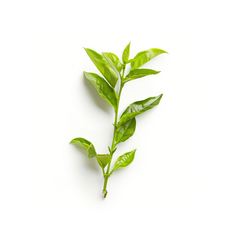
Matcha Tea is not a distinct botanical species but a preparation of Camellia sinensis leaves, specifically those shade-grown for 20–30 days before harvest in regions such as Uji (Kyoto Prefecture), Nishio (Aichi Prefecture), and Shizuoka, Japan. The shading process increases chlorophyll and L-theanine content, resulting in a darker, sweeter, and more umami-rich leaf. After harvest, leaves are steamed to halt oxidation, dried, and stone-ground into a fine, bright green powder. Japan accounts for over 80% of global matcha production, with Uji alone producing approximately 1,000 metric tons annually. In perfumery, direct extraction of matcha is not feasible: the powder’s fine particle size and high starch content prevent the isolation of a usable aromatic absolute or essential oil. Instead, perfumers use CO2 extraction of green tea leaves to capture some vegetal and marine notes, and supplement with mate absolute (Ilex paraguariensis) for roasted, hay-like undertones. Synthetic molecules such as green tea ketone (CAS 65405-77-8), beta-ionone (CAS 14901-07-6), and cis-jasmone are blended to reconstruct the matcha accord. The cost for natural green tea absolute can reach $1,500–2,500/kg, while synthetic matcha accords are significantly less expensive, typically $100–300/kg depending on the complexity and purity of the blend. Sustainability concerns focus on the energy-intensive shading and stone-grinding processes, as well as the environmental impact of large-scale tea agriculture. However, synthetic reconstruction and CO2 extraction offer more sustainable and scalable alternatives for perfumery applications.

JP

Japan

Uji (Kyoto Prefecture) is renowned for ceremonial-grade matcha, with volcanic soils and misty microclimates producing leaves high in L-theanine and chlorophyll. Uji accounts for approximately 1,000 metric tons annually and is protected by regional quality designations.

CN

China

Zhejiang and Jiangsu provinces produce culinary-grade matcha, with lighter soils and less shading, resulting in a more astringent, less umami profile. China supplies a growing share of the global market, especially for non-ceremonial uses.

TW

Taiwan

Nantou County cultivates small-batch matcha with high-altitude tea gardens, yielding a floral, slightly milder aroma. Taiwanese matcha is prized for boutique, artisanal production but represents less than 1% of global output.

KR

South Korea

Boseong County produces shade-grown green teas with a marine influence, imparting a salty, mineral edge to the aroma. Korean matcha is increasingly used in perfumery for its unique terroir signature.

Chemistry

Natural vs Synthetic Matcha Tea in Perfumery

There is no commercially available natural matcha tea absolute or essential oil; the note is always reconstructed using a blend of natural extracts and synthetic aroma chemicals. Key molecules in synthetic matcha accords include green tea ketone (CAS 65405-77-8), which imparts the bitter-green facet; beta-ionone (CAS 14901-07-6) for powdery warmth; and cis-jasmone (CAS 488-10-8) for a creamy, floral undertone. Mate absolute (Ilex paraguariensis, solvent-extracted) is often used to provide a roasted, hay-like base, while CO2-extracted green tea captures the vegetal top notes. Synthetic matcha accords offer superior stability, longevity, and batch-to-batch consistency compared to natural tea extracts, which can oxidize and degrade rapidly. The cost differential is significant: green tea absolute can cost $1,500–2,500/kg, while a synthetic matcha accord is typically $100–300/kg. Notable fragrances such as Le Labo Thé Matcha 26 and Maison Margiela Matcha Meditation rely on these synthetic reconstructions for their signature notes. From a sustainability perspective, synthetic and CO2-extracted materials reduce the agricultural footprint and energy use associated with traditional matcha production. CA Perfume’s HumanSafe™ platform ensures full transparency in sourcing, allergen disclosure, and IFRA compliance for all matcha tea materials used in its fragrances.

Natural
Matcha Tea Absolute
Cost $3,000–6,000/kg
Method Solvent / CO₂
Character Complex, variable
vs
Synthetic
Safranal & Analogues
Cost $50–200/kg
Method Lab synthesis
Character Consistent, stable
Hall of Fame

Famous Fragrances That Define Matcha Tea in Perfumery

2021
dominant note

Thé Matcha 26

Le Labo
FigVetiverCedarBitter Orange
2021
dominant note

Matcha Meditation

Maison Margiela
by Maurice Roucel & Alexandra Carlin
White ChocolateJasmineMossGreen Tea
2018
bridge note

Princess

By Kilian
by Honorine Blanc
MarshmallowGreen TeaGinger
2017
dominant note

Sunday

Arielle Shoshana
by Cécile Hua
Rice MilkCinnamonVanilla
2022
dominant note

Milk & Matcha

Obvious
Milk AccordWoodsVanilla

Matcha tea has become a defining note in contemporary perfumery, especially within the green, gourmand, and niche fragrance categories. Le Labo Thé Matcha 26 (2021) is perhaps the most iconic, with its creamy matcha accord blended with fig, vetiver, cedar, and bitter orange, creating a skin scent that is both meditative and modern. Maison Margiela Matcha Meditation (2021, Maurice Roucel & Alexandra Carlin) pairs matcha with white chocolate, jasmine, and moss, highlighting the note’s versatility in both gourmand and green contexts. By Kilian Princess (2018, Honorine Blanc) uses matcha as a bridge between marshmallow and green tea, while Arielle Shoshana Sunday (2017, Cécile Hua) explores a matcha and rice milk accord for a cozy, gourmand effect. Obvious Milk & Matcha (2022) and Phlur Matcha Milk (2025) further demonstrate matcha’s adaptability, blending it with lactonic, woody, and floral notes. These fragrances illustrate matcha tea’s evolution from a supporting nuance to a dominant, textural note in modern perfumery. CA Perfume’s collection draws inspiration from this lineage, offering matcha tea interpretations that emphasize both authenticity and innovation.

The Accord

How is a captivating Matcha Tea accord crafted?

A matcha tea accord is built by blending 30–35% green tea absolute (for vegetal brightness), 20–25% mate absolute (for roasted, hay-like undertones), 20–25% beta-ionone (for powdery, creamy warmth), and 20–25% vanilla or rice lactone (for a soft, gourmand finish). Each ingredient is selected for its molecular ability to replicate matcha’s dense, umami-rich, and powdery character.

35%

Green Tea Absolute

30–35% of blend

Provides the core vegetal and grassy facets via cis-jasmone and green tea ketone, essential for matcha’s authentic brightness.

25%

Mate Absolute

20–25% of blend

Adds roasted, hay-like, and slightly bitter undertones through methylxanthines and pyrazines, deepening the accord’s complexity.

25%

Beta-Ionone

20–25% of blend

Imparts powdery, creamy warmth, echoing matcha’s starchy, umami-rich mouthfeel and extending the accord’s longevity.

25%

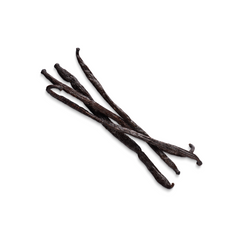
Vanilla

20–25% of blend

Softens bitterness and enhances the creamy, gourmand aspect through vanillin, creating a rounded, comforting finish.

The Olfactory Layers

How Matcha Tea Evolves on Skin

Matcha Tea’s olfactory evolution begins with a burst of vegetal, grassy-green notes from high-volatility compounds, transitions to a creamy, umami-rich heart as heavier molecules emerge, and settles into a powdery, woody base as the most persistent components remain.

I
Top notes
0–15 min
Green Burst

The initial impression is fresh, grassy, and slightly bitter, dominated by high-volatility molecules such as cis-jasmone, green tea ketone, and trace pyrazines. These compounds evaporate quickly, providing a photorealistic sense of freshly whisked matcha and crushed leaves.

VegetalFreshBitter
II
Heart notes
20–60 min
Creamy Umami

As the top notes dissipate, the creamy, powdery, and umami facets emerge. L-theanine, beta-ionone, and lactonic molecules contribute to a dense, starchy body reminiscent of steamed edamame and rice, with subtle marine undertones.

CreamyUmamiPowdery
III
Base notes
Several hours
Powdered Woods

The drydown reveals woody, musky, and faintly roasted nuances. Mate absolute, cedar, and soft musks provide a lingering warmth, while the powdery aspect persists due to the slow evaporation of beta-ionone and lactones.

WoodyMuskyWarm
TOP NOTES Green Burst 0–15 minutes HEART NOTES Creamy Umami 20–60 minutes BASE NOTES Powdered Woods Several hours
Through the Ages

The Story of Matcha Tea in Perfumery

Matcha Tea’s journey in perfumery spans from ancient Japanese tea rituals to its modern role as a signature note in niche and mainstream fragrances.

12th Century

Introduction of Matcha to Japan

Zen Buddhist monks bring the practice of shade-growing and stone-grinding tea leaves from China to Japan, establishing the foundation for matcha’s ceremonial use and unique aroma.

1990s

Green Tea Notes Enter Western Perfumery

Bvlgari Eau Parfumée au Thé Vert (1992, Jean-Claude Ellena) popularizes green tea as a fresh, transparent note, paving the way for more textured tea accords.

2017

First Dedicated Matcha Fragrances

Arielle Shoshana Sunday (Cécile Hua) and niche brands begin to explore matcha’s creamy, umami-rich profile, distinguishing it from standard green tea notes.

2021

Mainstream Matcha Launches

Le Labo Thé Matcha 26 and Maison Margiela Matcha Meditation (Maurice Roucel & Alexandra Carlin) bring matcha tea to global prominence as a dominant fragrance note.

2025

Matcha Tea Becomes a Trend-Defining Note

Matcha tea is recognized as a versatile, textural ingredient in both niche and mainstream perfumery, with new launches exploring its pairing with gourmand, woody, and floral notes.

The Art of Layering

How to Layer Matcha Tea

Understanding how to layer matcha tea fragrances involves molecular compatibility: green tea ketone and beta-ionone blend seamlessly with lactones, musks, and woods. For those seeking how to layer matcha tea, consider the following combinations.

01

Enhance Creaminess

Layer with vanilla or rice lactone-based fragrances. Vanillin and lactones share creamy, sweet molecular structures that amplify matcha’s powdery, umami facets. Arielle Shoshana Sunday demonstrates this synergy with a matcha and rice milk accord.

02

Add Woody Depth

Pair with cedar, sandalwood, or vetiver fragrances. These notes contain sesquiterpenes and lactones that reinforce matcha’s earthy, roasted undertones. Le Labo Thé Matcha 26 uses cedar and vetiver to ground the creamy heart.

03

Brighten with Citrus

Combine with bergamot, bitter orange, or yuzu. Citrus aldehydes and terpenes lift matcha’s green top notes, creating a vibrant, sparkling effect. Maison Margiela Matcha Meditation uses bergamot and mandarin to enhance freshness.

Wear It Right

How to Wear Matcha Tea Like a Pro

Seasonal Guide

Fall & Winter

Cooler temperatures suppress the volatility of top notes, allowing the creamy, powdery, and umami facets to linger. Apply to pulse points and layer with woody or gourmand fragrances for added warmth and depth.

Spring

Moderate temperatures highlight matcha tea’s green, vegetal freshness. Pair with floral or citrus notes to enhance the sense of renewal and clarity. Apply lightly for a clean, uplifting effect.

Summer

Heat increases the volatility of grassy-green top notes, making matcha tea feel brighter and more refreshing. Apply sparingly to avoid overwhelming projection, and consider layering with aquatic or citrus accords for a cooling sensation.

Year-Round Tip

Matcha tea’s moderate projection and balanced evolution make it suitable for year-round wear. Adjust application and layering partners based on climate and personal preference to optimize performance.

Application Points

Strategic application enhances matcha tea’s nuanced evolution and projection.

1

Neck

The warmth of the neck accelerates the release of grassy-green top notes, providing an immediate burst of freshness before settling into the creamy heart.

2

Behind the Ears

This area retains fragrance longer due to lower exposure to air, allowing the powdery, umami facets of matcha tea to persist throughout the day.

3

Inner Wrists

Pulse points on the wrists enhance the volatility of lighter molecules, showcasing the transition from green to creamy notes. Reapply as needed for a renewed burst.

4

Hair

Spraying on hair provides a subtle, continuous diffusion of matcha tea’s creamy and woody base notes, especially effective in warmer weather.

Pro Tip

Layer matcha tea fragrances with unscented moisturizer to slow evaporation, intensifying the creamy, powdery heart and extending longevity.

HumanSafe™

Top Matcha Tea Fragrances by HumanSafe™ Score

These Matcha Tea-based fragrances have the highest product-level HumanSafe™ scores in this ingredient collection.

Highest HumanSafe™ Score
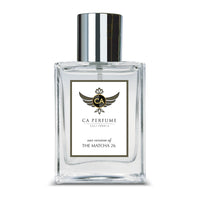
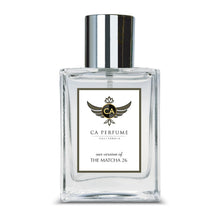
The Matcha 26 — Le Labo The Matcha 26 Alternative Perfume
A-
HumanSafe™ Score Generally Safe
Safest Evaluated Ingredients EDP
AQUA Solvent / Carrier ISS 10.0
AMBROXID Evaluated ingredient ISS 10.0
1,4-DIOXACYCLOHEPTADECANE-5,17-DIONE Evaluated ingredient ISS 10.0
BENZENEPROPANAL, 4-METHOXY-.ALPHA.-METHYL- Evaluated ingredient ISS 9.0
4H-INDEN-4-ONE, 1,2,3,5,6,7-HEXAHYDRO-1,1,2,3,3- Evaluated ingredient ISS 9.0
1H-BENZOCYCLOHEPTENE, 2,4A,5,6,7,8-HEXAHYDRO- Evaluated ingredient ISS 9.0
View full safety profile →
Expert Voices

What Masters Say About Matcha Tea

Matcha is not just general green tea. Because whole shaded leaves are used, matcha has a concentrated, velvety character that often comes across as creamy, earthy, and a little umami.
CA Perfume Editorial
The note is always reconstructed synthetically, using combinations of tea absolutes (for authenticity), mate absolute (for the hay-like, roasted base), green tea ketone (for the bitter-fresh facet), and beta-ionone (for powdery warmth).
CA Perfume Editorial
Common Questions

Frequently Asked Questions

Frequently asked questions about matcha tea in perfumery, covering scent, usage, and technical details.

Matcha tea in perfume smells creamy, powdery, and vegetal, with a subtle umami and marine undertone. The scent is denser and more textured than standard green tea, thanks to molecules like L-theanine, green tea ketone, and beta-ionone. Notable fragrances such as Le Labo Thé Matcha 26 and Maison Margiela Matcha Meditation showcase its creamy, meditative character.

Matcha tea is typically classified as a heart note in perfumery. Its moderate volatility allows it to bridge fresh top notes (like citrus) with deeper base notes (such as woods or musks). The creamy, powdery facets persist through the heart and into the drydown, but the initial green burst fades relatively quickly.

Matcha tea is favored in niche perfumery for its unique textural qualities—creamy, powdery, and umami-rich—which offer a contemporary alternative to traditional green or gourmand notes. Its versatility allows perfumers to create innovative pairings with vanilla, rice, woods, and florals, resulting in compositions that feel both modern and comforting.

Matcha tea fragrance uses include pairing with vanilla, rice, fig, cedar, sandalwood, and bergamot. These notes share molecular affinities—lactones, ionones, and terpenes—that enhance matcha’s creamy, green, or woody facets. For example, Arielle Shoshana Sunday pairs matcha with rice milk and vanilla, while Le Labo Thé Matcha 26 uses fig and vetiver.

Yes, matcha tea perfumes are well-suited for summer due to their fresh, green top notes and moderate projection. Heat increases the volatility of grassy molecules, making the scent feel brighter and more refreshing. Apply sparingly in hot weather and consider layering with citrus or aquatic notes for added vibrancy.

Matcha tea fragrances in Eau de Parfum format generally last 5–7 hours on skin. The green top notes fade within 30 minutes, while the creamy, powdery, and woody facets persist through the drydown. Longevity can be extended by layering with unscented moisturizer or applying to hair and clothing.

Yes, matcha tea is highly layerable due to its balanced scent profile. It pairs well with creamy (vanilla, rice), woody (cedar, sandalwood), and citrus (bergamot, yuzu) fragrances. Layering enhances specific facets—creaminess, depth, or brightness—depending on the combination. For example, layering with vanilla amplifies the gourmand aspect.

Recommended entry points include Le Labo Thé Matcha 26 for a creamy, woody interpretation; Maison Margiela Matcha Meditation for a gourmand, meditative effect; and Arielle Shoshana Sunday for a cozy, rice-milk pairing. These fragrances highlight matcha’s versatility and are widely praised for their balanced, approachable compositions.

Consider your preferred scent profile—whether you favor creamy, woody, or green interpretations. CA Perfume offers a range of matcha tea fragrances, each formulated for transparency, IFRA compliance, and skin safety. Sampling different concentrations and layering partners can help you find the ideal match for your personal style.

Matcha tea is not inherently sweet; its creamy and powdery facets are balanced by vegetal, umami, and sometimes bitter notes. When paired with vanilla or rice, it can take on a gourmand character, but the overall effect remains subtle and versatile, making it suitable for daily use in both casual and formal settings.

Greens, Herbs and Fougeres Collection

Explore Our Top Matcha Tea Fragrances

Discover CA Perfume’s curated selection of matcha tea fragrances, each crafted for authenticity, longevity, and versatility across seasons.

Shop all matcha tea fragrances at CA Perfume →

Where Matcha Tea Comes From — Origin & Extraction

Matcha Tea is not a distinct botanical species but a preparation of Camellia sinensis leaves, specifically those shade-grown for 20–30 days before harvest in regions such as Uji (Kyoto Prefecture), Nishio (Aichi Prefecture), and Shizuoka, Japan. The shading process increases chlorophyll and L-theanine content, resulting in a darker, sweeter, and more umami-rich leaf. After harvest, leaves are steamed to halt oxidation, dried, and stone-ground into a fine, bright green powder. Japan accounts for over 80% of global matcha production, with Uji alone producing approximately 1,000 metric tons annually. In perfumery, direct extraction of matcha is not feasible: the powder’s fine particle size and high starch content prevent the isolation of a usable aromatic absolute or essential oil. Instead, perfumers use CO2 extraction of green tea leaves to capture some vegetal and marine notes, and supplement with mate absolute (Ilex paraguariensis) for roasted, hay-like undertones. Synthetic molecules such as green tea ketone (CAS 65405-77-8), beta-ionone (CAS 14901-07-6), and cis-jasmone are blended to reconstruct the matcha accord. The cost for natural green tea absolute can reach $1,500–2,500/kg, while synthetic matcha accords are significantly less expensive, typically $100–300/kg depending on the complexity and purity of the blend. Sustainability concerns focus on the energy-intensive shading and stone-grinding processes, as well as the environmental impact of large-scale tea agriculture. However, synthetic reconstruction and CO2 extraction offer more sustainable and scalable alternatives for perfumery applications.

Famous Fragrances That Define Matcha Tea in Perfumery

Matcha tea has become a defining note in contemporary perfumery, especially within the green, gourmand, and niche fragrance categories. Le Labo Thé Matcha 26 (2021) is perhaps the most iconic, with its creamy matcha accord blended with fig, vetiver, cedar, and bitter orange, creating a skin scent that is both meditative and modern. Maison Margiela Matcha Meditation (2021, Maurice Roucel & Alexandra Carlin) pairs matcha with white chocolate, jasmine, and moss, highlighting the note’s versatility in both gourmand and green contexts. By Kilian Princess (2018, Honorine Blanc) uses matcha as a bridge between marshmallow and green tea, while Arielle Shoshana Sunday (2017, Cécile Hua) explores a matcha and rice milk accord for a cozy, gourmand effect. Obvious Milk & Matcha (2022) and Phlur Matcha Milk (2025) further demonstrate matcha’s adaptability, blending it with lactonic, woody, and floral notes. These fragrances illustrate matcha tea’s evolution from a supporting nuance to a dominant, textural note in modern perfumery. CA Perfume’s collection draws inspiration from this lineage, offering matcha tea interpretations that emphasize both authenticity and innovation.

Natural vs Synthetic Matcha Tea in Perfumery

There is no commercially available natural matcha tea absolute or essential oil; the note is always reconstructed using a blend of natural extracts and synthetic aroma chemicals. Key molecules in synthetic matcha accords include green tea ketone (CAS 65405-77-8), which imparts the bitter-green facet; beta-ionone (CAS 14901-07-6) for powdery warmth; and cis-jasmone (CAS 488-10-8) for a creamy, floral undertone. Mate absolute (Ilex paraguariensis, solvent-extracted) is often used to provide a roasted, hay-like base, while CO2-extracted green tea captures the vegetal top notes. Synthetic matcha accords offer superior stability, longevity, and batch-to-batch consistency compared to natural tea extracts, which can oxidize and degrade rapidly. The cost differential is significant: green tea absolute can cost $1,500–2,500/kg, while a synthetic matcha accord is typically $100–300/kg. Notable fragrances such as Le Labo Thé Matcha 26 and Maison Margiela Matcha Meditation rely on these synthetic reconstructions for their signature notes. From a sustainability perspective, synthetic and CO2-extracted materials reduce the agricultural footprint and energy use associated with traditional matcha production. CA Perfume’s HumanSafe™ platform ensures full transparency in sourcing, allergen disclosure, and IFRA compliance for all matcha tea materials used in its fragrances.