Where Chestnut Comes From — Origin & Extraction
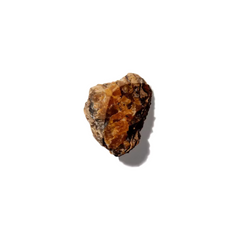
Chestnut as a perfumery note is inspired by the edible nut of the sweet chestnut tree, Castanea sativa, native to temperate regions of Europe and Asia. The primary producing countries for culinary chestnuts are Italy (notably Tuscany, producing over 30,000 metric tons annually), France (notably Ardèche, with a Protected Designation of Origin for Marron d’Ardèche), and Japan (notably the Kumamoto region, with distinctively sweet Castanea crenata varieties). In perfumery, direct extraction from the nut is rare due to low aromatic yield; instead, chestnut absolute is produced via solvent extraction or supercritical CO₂ extraction, typically from roasted nuts or chestnut paste. Extraction temperatures are kept below 50°C to prevent degradation of delicate lactones and pyrazines responsible for the creamy, roasted aroma. Yields are low—less than 0.1% by weight—making natural chestnut absolute costly, at $3,000–6,000/kg.
Due to these limitations, most chestnut notes in perfumery are constructed accords, blending natural and synthetic materials such as maltol (CAS 118-71-8), cyclotene (CAS 80-71-7), and furaneol (CAS 3188-00-9) to replicate the nutty, caramelized character. Synthetic chestnut accords are more consistent and affordable, typically $50–200/kg. Sustainability considerations favor synthetics, as large-scale extraction from chestnuts would compete with food supply and require significant agricultural resources. The use of lab-created analogues reduces environmental impact and ensures year-round availability, while natural chestnut absolute remains a niche, artisanal ingredient.
Famous Fragrances That Define Chestnut in Perfumery
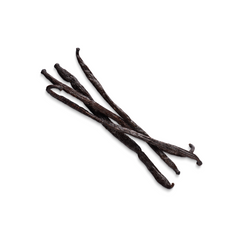
Chestnut has become a defining note in modern gourmand and woody fragrances, especially in compositions that evoke warmth, comfort, and nostalgia. Maison Margiela’s By the Fireplace (2015, Marie Salamagne) is perhaps the most iconic chestnut fragrance, using a synthetic chestnut accord to recreate the aroma of roasted nuts and smoky woods, paired with vanilla and clove. Emporio Armani Stronger With You Absolutely (2021, Cécile Matton) features a candied chestnut note at its heart, blended with rum and vanilla for a rich, gourmand effect. Zadig & Voltaire’s This is Her (2016, Sidonie Lancesseur and Michel Almairac) employs chestnut as a creamy, sweet accent, balanced by whipped cream and sandalwood.
Dries Van Noten Soie Malaquais (2022, Quentin Bisch) explores chestnut in a more textured, layered way, combining it with red fruits and cocoa for a plush, autumnal feel. L’Artisan Parfumeur Noir Exquis (2015, Bertrand Duchaufour) uses chestnut to evoke the aroma of French patisserie, pairing it with maple syrup, orange blossom, and coffee. Each of these fragrances demonstrates chestnut’s versatility as a bridge note, dominant heart, or gourmand accent, often paired with vanilla, spices, woods, and resins. CA Perfume’s collection draws inspiration from this lineage, offering chestnut-forward blends that honor both the classic and contemporary uses of this note.
Natural vs Synthetic Chestnut in Perfumery
Natural chestnut absolute is produced via solvent extraction or supercritical CO₂ extraction from roasted Castanea sativa nuts, but yields are extremely low and the resulting material is variable in aroma and costly ($3,000–6,000/kg). The absolute contains a complex mixture of lactones, pyrazines, and caramelized sugar derivatives, but is rarely used in commercial perfumery due to supply constraints and batch inconsistency.
Synthetic chestnut accords are constructed from aroma chemicals such as maltol (CAS 118-71-8), cyclotene (CAS 80-71-7), and furaneol (CAS 3188-00-9). These molecules provide the creamy, caramelized, and nutty facets characteristic of roasted chestnut, with high stability and batch-to-batch consistency. Synthetic chestnut is significantly more affordable ($50–200/kg) and offers greater olfactory control, allowing perfumers to fine-tune the balance between sweetness, smokiness, and woody undertones. Famous fragrances such as Maison Margiela By the Fireplace and Zadig & Voltaire This is Her rely on synthetic chestnut accords for their signature warmth and longevity.
From a sustainability perspective, synthetics reduce pressure on agricultural resources and ensure ethical, traceable sourcing. The HumanSafe™ platform at CA Perfume verifies ingredient transparency, prioritizing safe, sustainable, and cruelty-free materials in chestnut-based compositions. While natural chestnut absolute is prized in niche perfumery for its complexity, the majority of commercial fragrances use synthetic chestnut for performance, cost, and environmental reasons.