Where Mango Comes From — Origin & Extraction
Mango (Mangifera indica) is a tropical stone fruit originating from the Indian subcontinent, now cultivated in over 100 countries across Asia, Africa, and the Americas. India remains the world’s largest producer, accounting for approximately 40% of global mango output, with annual production exceeding 20 million metric tons. Other significant producers include Mexico, Thailand, and Indonesia, each contributing distinct cultivars with unique aromatic profiles.
In perfumery, the mango note is not typically extracted directly from the fruit due to its low essential oil yield and high water content. Instead, the scent is reconstructed using a blend of natural isolates and synthetic aroma chemicals. Key extraction methods for natural mango-related materials include solvent extraction (for leaves and flowers) and CO2 extraction, though these are rare and primarily used for research or niche applications. The primary aroma compounds—such as ethyl butanoate, (E,Z)-2,6-nonadienal, δ-3-carene, and γ-octalactone—are either isolated from natural sources or synthesized. The cost of natural mango absolute, when available, can exceed $6,000/kg due to low yield, while synthetic mango accords (using compounds like ethyl butanoate and δ-3-carene) are significantly more economical at $50–200/kg.
Sustainability considerations focus on the environmental impact of large-scale mango agriculture (water use, land conversion) and the ecological footprint of synthetic aroma chemicals. However, most mango notes in perfumery are HumanSafe™ verified, ensuring transparency and traceability in sourcing and formulation.
Famous Fragrances That Define Mango in Perfumery
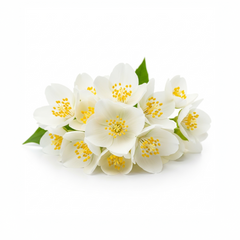
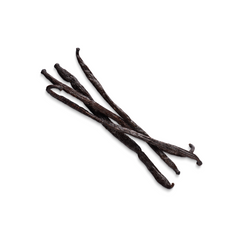
Mango has become a signature note in several landmark fragrances, especially in the last two decades as fruity-floral and tropical compositions gained popularity. Vilhelm Parfumerie Mango Skin (2018, Jérôme Epinette) is widely regarded as a modern reference, placing mango at the forefront and pairing it with blackcurrant, jasmine, and vanilla for a photorealistic, juicy effect. By Kilian Moonlight in Heaven (2016, Calice Becker) uses mango as a bridge between citrus and coconut, creating a creamy, exotic heart. Paco Rabanne Fame (2022, Dora Baghriche, Marie Salamagne, Alberto Morillas, Fabrice Pellegrin) features mango as a top note, blended with bergamot, jasmine, and incense for a playful, contemporary twist. Xerjoff Cruz del Sur II (2017, Chris Maurice) employs mango as a dominant note, supported by guava, pineapple, and vetiver, evoking the lushness of South American fruit markets. Montale Mango Manga (2010, Pierre Montale) is another notable example, where mango is paired with orange blossom, jasmine, and oud for a tropical-gourmand effect. These fragrances illustrate the versatility of mango as both a dominant and supporting note, often paired with creamy, floral, or woody accords. CA Perfume’s collection draws inspiration from this lineage, offering mango-centric compositions that reflect both classic and contemporary styles.
Natural vs Synthetic Mango in Perfumery
The mango note in perfumery is almost always a synthetic reconstruction, as direct extraction from the fruit is impractical and yields are extremely low. Key synthetic molecules used to replicate mango’s scent include ethyl butanoate (CAS 105-54-4), (E,Z)-2,6-nonadienal (CAS 557-48-2), and γ-octalactone (CAS 104-50-7). These compounds are blended with other esters, terpenes, and lactones to mimic the multifaceted aroma of ripe mango.
Synthetic mango accords offer superior consistency, stability, and longevity compared to rare natural extracts. For example, ethyl butanoate provides the juicy, pineapple-like facet, while δ-3-carene (CAS 13466-78-9) imparts the green, piney nuance. Myrcene (CAS 123-35-3) and (E)-β-ionone (CAS 14901-07-6) are also commonly used for their fruity and violet-like contributions. The cost differential is substantial: synthetic mango aroma chemicals are available at $50–200/kg, while natural mango absolutes (when produced) can exceed $6,000/kg due to extremely low extraction yields.
Famous fragrances such as Vilhelm Parfumerie Mango Skin and Rabanne Fame rely on synthetic mango accords for olfactory accuracy and performance. CA Perfume’s HumanSafe™ platform ensures all mango notes used are fully traceable, allergen-screened, and compliant with IFRA safety standards, balancing creative freedom with consumer safety and environmental responsibility.