Ingredient Guide · Woody Aromatic
Woody Aromatic Family · Perfumery Note

Mahogany

A base note revered for its resinous, comforting depth.

Mahogany is a woody aromatic base note in perfumery, prized for its warm, slightly sweet, and resinous character. Its scent profile is constructed from a blend of natural extracts and synthetics, typically used at concentrations below 5% to impart lasting depth.

Mahogany
Ingredient Profile

Mahogany

Woody Aromatic Family
Family Woody Aromatic
Note Position Heart Note
Usage Level <5%
Key Origins Brazil, Peru, Philippines
Iconic In Vanille Fatale, Euphoria
The Ingredient

What does Mahogany smell like and why is it significant in perfumery?

Mahogany in perfumery is not a direct distillation of the wood, but a constructed accord designed to evoke the deep, warm, and slightly sweet aroma associated with the timber of Swietenia mahagoni and Swietenia macrophylla. The mahogany scent profile is characterized by a smooth, resinous warmth, subtle sweetness, and a faintly spicy undertone. This olfactory character is achieved through a blend of woody notes (often cedar, sandalwood, and oak), sweet elements (vanilla, tonka bean), and supporting molecules such as amber and musk. Synthetic molecules like safranal (CAS 116-26-7), gamma-methyl ionone (CAS 127-51-5), and iso E super (CAS 54464-57-2) are frequently used to replicate mahogany’s unique depth and diffusion, as the wood itself yields no significant essential oil through conventional extraction. In perfumery, mahogany is classified as a base note due to its low volatility and ability to anchor a composition. It is typically used at concentrations below 5%, where it imparts a lasting, comforting presence that supports more fleeting top and heart notes. Mahogany in perfumery interacts with skin chemistry by providing a stable, warm foundation that can amplify or soften depending on the wearer’s pH and body heat. Its resinous, woody molecules tend to linger, enhancing longevity and sillage without overpowering the overall blend. Notable fragrances that exemplify mahogany’s use include Tom Ford Vanille Fatale (2017, perfumer Yann Vasnier), where mahogany is paired with vanilla, saffron, and coffee to create a smoky, gourmand base, and Calvin Klein Euphoria (2005, perfumers Dominique Ropion, Carlos Benaïm, and Loc Dong), where mahogany provides a smooth, woody counterpoint to fruity and floral notes. In both cases, mahogany’s constructed scent profile is essential to the fragrance’s signature.

2–3 Sprays
This application amount ensures mahogany’s warmth is present without overwhelming, balancing projection and subtlety due to the accord’s high diffusion.
5–8 Hours
Mahogany-based fragrances typically last 5–8 hours, thanks to the low volatility and fixative properties of synthetic woody molecules.
<5%
Mahogany accords are used at concentrations below 5% in most formulas, as their strong diffusion and fixative power can dominate a blend if overdosed.
Origin & Extraction

Where Mahogany Comes From — Origin & Extraction

Mahogany’s scent character varies by origin, with soil, climate, and harvesting method influencing its aromatic nuances. Tropical forests in Brazil, Peru, and the Philippines yield mahogany with distinct olfactory signatures shaped by regional biodiversity and wood processing techniques.

Mahogany refers to several tropical hardwood species, primarily Swietenia mahagoni (Caribbean mahogany) and Swietenia macrophylla (Honduran or big-leaf mahogany), both in the Meliaceae family. These trees are native to Central and South America, with major sources in Brazil, Peru, and the Philippines. Brazil and Peru together account for a significant share of global mahogany timber exports, though exact volumes fluctuate due to conservation restrictions; Brazilian mahogany is especially prized for its tight grain and rich color, while Peruvian mahogany is noted for its smooth texture and robust scent. Philippine mahogany, though botanically distinct (Shorea spp.), is sometimes referenced in perfumery for its lighter, fresher aromatic qualities. In perfumery, true mahogany essential oil is not commercially viable, as the wood yields negligible aromatic extract via steam distillation. Some experimental distillations of bark chips have produced sesquiterpenes such as gamma-himachalene and germacrene D, but these are not used in mainstream fragrance. Instead, the mahogany note is reconstructed through blending natural wood oils (notably cedarwood, sandalwood, and oakmoss) with synthetic aroma chemicals. Solvent extraction and supercritical CO2 extraction may be used to obtain wood absolutes, but yields are extremely low (often less than 0.1% by weight), and the resulting materials are cost-prohibitive (up to $3,000–6,000/kg for mahogany absolute, when available). Synthetic mahogany accords are built using molecules like safranal, gamma-methyl ionone, and iso E super, which provide consistent, stable, and sustainable alternatives at a fraction of the cost ($50–200/kg). The use of synthetics also addresses sustainability concerns, as natural mahogany is listed under CITES Appendix II due to overharvesting and habitat loss. Responsible sourcing and the use of reconstructed accords help mitigate environmental impact while maintaining olfactory authenticity.

BR

Brazil

Brazilian mahogany (Swietenia macrophylla) from the Amazon basin is known for its tight grain and deep reddish color. The region’s high humidity and rich soils produce wood with a dense, opulent scent profile. Brazil’s share of global mahogany exports has declined due to CITES restrictions, but its timber remains highly valued for both woodworking and reconstructed fragrance accords.

PE

Peru

Peruvian mahogany is harvested from the Madre de Dios and Ucayali regions, where the wood develops a robust, smooth aroma with subtle spice. The combination of high rainfall and slow growth yields timber with a refined, elegant scent. Peru is a leading exporter, though volumes are closely regulated to prevent overharvesting.

PH

Philippines

Philippine mahogany (often Shorea spp.) is lighter in both color and scent, with airy, green-woody nuances. The country’s tropical climate and diverse forests contribute to a fresher, more transparent mahogany note, used in perfumery for its subtlety and lift.

US

United States

Florida and the Caribbean once supplied Swietenia mahagoni, but wild harvesting is now rare due to conservation. US-grown mahogany is used primarily for historical reference and specialty woodworking, with minimal impact on the fragrance industry.

Chemistry

Natural vs Synthetic Mahogany in Perfumery

Natural mahogany oil is virtually unavailable in commercial perfumery due to the wood’s low yield and conservation status. The rare mahogany absolute, when produced, is obtained via solvent or CO2 extraction and is highly variable in scent, with complex woody-resinous facets. Its cost ($3,000–6,000/kg) and sustainability issues make it impractical for large-scale use. Synthetic mahogany accords are constructed from a combination of aroma chemicals, including safranal (CAS 116-26-7), gamma-methyl ionone (CAS 127-51-5), and iso E super (CAS 54464-57-2). These molecules provide a consistent, stable, and long-lasting woody character, with enhanced diffusion and batch-to-batch reliability. Synthetic mahogany is favored in both designer and niche perfumery for its performance: it offers high longevity (5–8 hours), strong projection, and resistance to oxidation. Notable fragrances using synthetic mahogany accords include Tom Ford Vanille Fatale, Calvin Klein Euphoria, and Hugo Boss Boss Bottled. From a sustainability perspective, synthetics reduce pressure on endangered mahogany forests and allow for transparent, traceable supply chains. The HumanSafe™ platform is used to verify the safety and ethical sourcing of both natural and synthetic ingredients in CA Perfume’s formulations, ensuring transparency for consumers. Overall, synthetic mahogany accords are the industry standard, balancing olfactory authenticity, cost, and environmental responsibility.

Natural
Mahogany Absolute
Cost $3,000–6,000/kg
Method Solvent / CO₂
Character Complex, variable
vs
Synthetic
Safranal & Analogues
Cost $50–200/kg
Method Lab synthesis
Character Consistent, stable
Hall of Fame

Famous Fragrances That Define Mahogany in Perfumery

2017
dominant note

Vanille Fatale

Tom Ford
by Yann Vasnier
vanillasaffroncoffeemyrrh
2005
bridge note

Euphoria

Calvin Klein
by Dominique Ropion, Carlos Benaïm, Loc Dong
pomegranateorchidambermusk
1998
supporting note

Boss Bottled

Hugo Boss
by Annick Menardo
applecinnamonsandalwoodcedar
2006
base note

Bright Crystal

Versace
by Alberto Morillas
peonylotusambermusk
2021
accent

Milk

Commodity
by Ketrin Leka
marshmallowtonka beanmuskamber

Mahogany has been featured in a range of landmark fragrances, where it serves as a base note, bridge, or accent, often paired with vanilla, amber, and spices. In Tom Ford Vanille Fatale (2017, perfumer Yann Vasnier), mahogany is a dominant note, providing a smoky, woody backbone to the vanilla and saffron heart. Calvin Klein Euphoria (2005, Dominique Ropion, Carlos Benaïm, Loc Dong) uses mahogany as a bridge between fruity top notes and a creamy, musky base. Hugo Boss Boss Bottled (1998, Annick Menardo) incorporates mahogany as a supporting note, lending warmth and structure to apple, cinnamon, and sandalwood. Versace Bright Crystal (2006, Alberto Morillas) features mahogany in the base, balancing floral and fruity notes with a subtle woody depth. Commodity Milk (2021, Ketrin Leka) uses mahogany to anchor a gourmand composition, blending it with marshmallow and tonka bean for a modern, cozy effect. These fragrances illustrate mahogany’s versatility across olfactory families, from woody orientals to florals and gourmands. CA Perfume’s collection draws inspiration from this lineage, offering mahogany-centered scents that emphasize both classic warmth and contemporary complexity.

The Accord

How is a captivating Mahogany accord crafted?

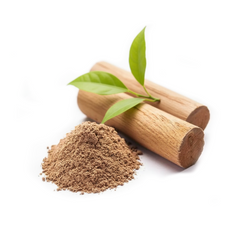
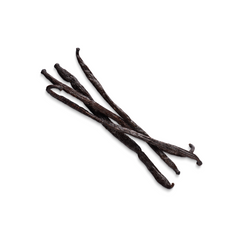
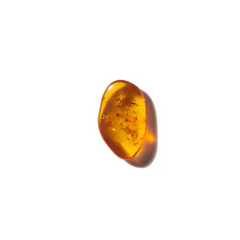
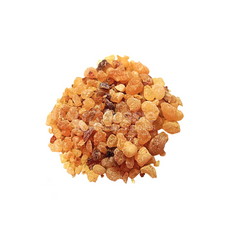
A mahogany accord is constructed by blending 25% sandalwood for creamy warmth, 25% cedarwood for dry, resinous structure, 25% vanilla for sweetness and smoothness, and 20–25% amber for depth and longevity. These ingredients are chosen for their shared woody-lactonic molecules and ability to replicate the nuanced, slightly sweet, and resinous facets of natural mahogany.

25%

Sandalwood

25% of blend

Sandalwood provides creamy, lactonic notes (mainly santalol), enhancing mahogany’s warmth and smoothness while extending longevity.

25%

Cedarwood

25% of blend

Cedarwood introduces dry, resinous facets (cedrol, thujopsene), replicating mahogany’s structural backbone and subtle spice.

25%

Vanilla

25% of blend

Vanilla (vanillin) imparts sweetness and smooths the woody edges, mimicking the faintly gourmand aspect of mahogany.

25%

Amber

20–25% of blend

Amber (labdanum, benzoin, synthetic ambers) deepens the accord, adding resinous, balsamic richness and fixative power.

The Olfactory Layers

How Mahogany Evolves on Skin

Mahogany’s olfactory evolution is defined by slow-release, low-volatility molecules. The top notes dissipate within 15 minutes, revealing the heart’s woody warmth, while the base persists for hours due to the fixative properties of synthetic woods and resins.

I
Top notes
0–15 min
Fresh Woody Lift

Initial impressions are shaped by volatile supporting notes—smoked grapefruit, green leaves, and citrus—providing freshness before the mahogany accord emerges. These top notes are driven by aldehydes and terpene compounds that evaporate quickly, setting the stage for the woody heart.

FreshCitrusAromatic
II
Heart notes
20–60 min
Resinous Warmth

The heart reveals the core mahogany accord, constructed from sandalwood, cedarwood, and synthetic woody molecules (iso E super, gamma-methyl ionone). This stage is warm, resinous, and slightly sweet, with subtle spice and floral undertones from supporting notes like geranium or lavender.

WoodyWarmResinous
III
Base notes
Several hours
Amber-Musk Trail

The base is anchored by amber, musk, and vanilla, which interact with the mahogany accord to create a smooth, long-lasting trail. Fixatives such as ambroxan and benzoin slow evaporation, ensuring the woody-resinous signature endures for 5–8 hours.

AmberSweetMusky
TOP NOTES Fresh Woody Lift 0–15 minutes HEART NOTES Resinous Warmth 20–60 minutes BASE NOTES Amber-Musk Trail Several hours
Through the Ages

The Story of Mahogany in Perfumery

Mahogany’s journey in perfumery spans from colonial woodworking to modern reconstructed accords, reflecting shifts in sustainability and olfactory technology.

18th Century

Mahogany as a Symbol of Luxury

Mahogany becomes prized in European furniture and interiors, valued for its color, grain, and subtle aroma. Its association with luxury influences later use in fine fragrance.

1950s

Early Mahogany Accords in Perfume

Perfumers begin constructing mahogany notes using cedarwood, sandalwood, and synthetic aromatics to evoke the warmth of polished wood in classic colognes and fougères.

1998

Boss Bottled Launches

Annick Menardo’s Boss Bottled introduces a modern mahogany accord, blending it with apple, cinnamon, and sandalwood. The fragrance becomes an enduring best-seller.

2005

Euphoria by Calvin Klein

Euphoria uses mahogany as a bridge note, demonstrating its versatility in contemporary fruity-floral compositions. The scent’s success cements mahogany’s role in mainstream perfumery.

2017

Tom Ford Vanille Fatale

Yann Vasnier’s Vanille Fatale features mahogany as a dominant note, paired with vanilla, saffron, and myrrh. The fragrance showcases the depth and complexity achievable with modern mahogany accords.

The Art of Layering

How to Layer Mahogany

Understanding how to layer mahogany involves molecular compatibility—shared woody, resinous, and sweet compounds allow seamless blending with a range of notes. Knowing how to layer mahogany can create new olfactory dimensions.

01

Enhance Sweetness

Pair mahogany with vanilla or tonka bean to amplify the sweet, gourmand facets. Vanillin and coumarin molecules in these notes mask woody dryness, producing a creamy, enveloping effect. Tom Ford Vanille Fatale demonstrates this synergy.

02

Add Depth

Layer with amber or myrrh to intensify resinous richness. Shared benzoin and labdanum components create a molecular bridge, deepening the base and extending longevity. Commodity Milk uses this approach for a modern, cozy trail.

03

Lighten the Trail

Combine mahogany with citrus or green notes (bergamot, grapefruit, green leaves) to add freshness and lift. Terpene and aldehyde molecules in these notes increase volatility, balancing the woody base. Versace Bright Crystal employs this technique for a sparkling effect.

Wear It Right

How to Wear Mahogany Like a Pro

Seasonal Guide

Fall & Winter

Cooler temperatures suppress volatility, allowing mahogany’s warm, resinous molecules to linger. Apply to pulse points and layer with amber or vanilla for a cozy, enveloping effect. The note’s depth is especially suited to autumn and winter, when projection is naturally subdued.

Spring

In spring, mahogany pairs well with fresh florals and citrus, creating a balanced, uplifting scent. Moderate application is advised, as rising temperatures can enhance projection. Layer with green or herbal notes for a lighter, more transparent effect.

Summer

High heat increases volatility, causing top notes to evaporate rapidly and intensifying the woody base. Use sparingly or in lighter concentrations (EDT), and consider pairing with citrus or aquatic notes to maintain freshness. Mahogany can be enjoyed in summer when balanced with airy, clean accords.

Year-Round Tip

Adjust application based on climate and activity. In humid environments, mahogany’s diffusion is enhanced, while in dry conditions, its longevity is extended. Experiment with layering to tailor the scent to season and personal style.

Application Points

Strategic application maximizes mahogany’s longevity and projection.

1

Neck

Applying to the neck leverages body heat, accelerating the evaporation of top notes and enhancing the initial projection of the woody accord.

2

Behind the Ears

This area is slightly cooler, slowing evaporation and allowing the mahogany base to develop gradually for a smoother, more intimate trail.

3

Inner Wrists

Pulse points on the wrists provide warmth and movement, helping the scent evolve dynamically throughout the day. Avoid rubbing to preserve the integrity of the accord.

4

Hair

Spraying on hair ensures a slow, sustained release of the mahogany note, as the fibers trap and gradually diffuse the scent molecules.

Pro Tip

Layer mahogany-based fragrances with unscented moisturizer to increase adhesion and slow evaporation, especially in dry weather.

Mood Architecture™

Top Mahogany Fragrances by Mood Score

These Mahogany-based fragrances scored highest on the MEI™ Mood Architecture Framework — measuring how a scent may influence your emotional state.

Highest MEI Score
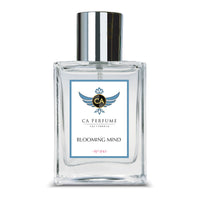
Blooming Mind —CA Perfume Originals Cologne for Men
7.83
MEI™
Primary Romantic
Secondary Confident
Confidence
7.34
Presence
7.26
Mood Lift
8.29
Identity
7.01
Warmth
9.5
Social Ease
7.78
Energy
4.4
" I am beautiful.
View full mood profile →
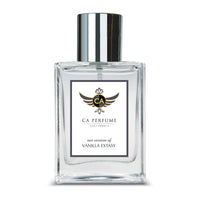
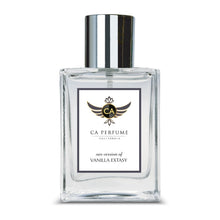
Vanilla Extasy — Montale Vanilla Extasy Alternative Perfume
7.36
MEI™
Primary Romantic
Secondary Confident
Confidence
6.56
Presence
7.0
Mood Lift
7.83
Identity
6.82
Warmth
9.5
Social Ease
7.37
Energy
3.1
" I am beautiful.
View full mood profile →
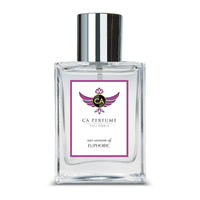
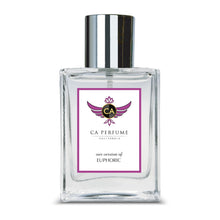
Euphoric — Euphoria Alternative Perfume
7.31
MEI™
Primary Romantic
Secondary Confident
Confidence
7.17
Presence
7.64
Mood Lift
7.53
Identity
7.81
Warmth
7.78
Social Ease
7.17
Energy
3.6
" I am beautiful.
View full mood profile →
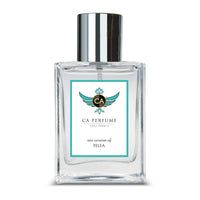
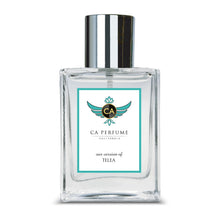
Telea — Tiziana Terenzi Telea Alternative Perfume
7.04
MEI™
Primary Fresh
Secondary Romantic
Confidence
6.76
Presence
7.14
Mood Lift
7.78
Identity
6.65
Warmth
7.03
Social Ease
7.2
Energy
3.5
" I am radiant.
View full mood profile →
HumanSafe™

Top Mahogany Fragrances by HumanSafe™ Score

These Mahogany-based fragrances have the highest product-level HumanSafe™ scores in this ingredient collection.

Highest HumanSafe™ Score
Vanilla Extasy — Montale Vanilla Extasy Alternative Perfume
A-
HumanSafe™ Score Generally Safe
Safest Evaluated Ingredients EDP
AQUA Solvent / Carrier ISS 10.0
1,4-DIOXACYCLOHEPTADECANE-5,17-DIONE Evaluated ingredient ISS 10.0
BENZYL SALICYLATE Evaluated ingredient ISS 9.0
4H-INDEN-4-ONE, 1,2,3,5,6,7-HEXAHYDRO-1,1,2,3,3- Evaluated ingredient ISS 9.0
3-CYCLOPENTENE-1-ACETALDEHYDE, 2,2,3-TRIMETHYL-, Evaluated ingredient ISS 9.0
View full safety profile →
Telea — Tiziana Terenzi Telea Alternative Perfume
A-
HumanSafe™ Score Generally Safe
Safest Evaluated Ingredients EDP
OXACYCLOHEPTADEC-10-EN-2-ONE Evaluated ingredient ISS 10.0
AQUA Solvent / Carrier ISS 10.0
1,4-DIOXACYCLOHEPTADECANE-5,17-DIONE Evaluated ingredient ISS 10.0
LINALYL ACETATE Evaluated ingredient ISS 7.0
LINALOOL Evaluated ingredient ISS 7.0
CYCLOHEXANEPROPANOL, 2,2,6-TRIMETHYL-.ALPHA.-PROPYL- Evaluated ingredient ISS 7.0
View full safety profile →
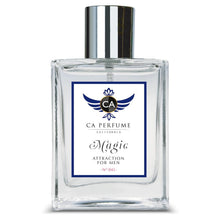
Magic Attraction For Men Perfume Spray
#3
Magic Attraction For Men Perfume Spray
Starting from $24.99
A-
HumanSafe™ Score Generally Safe
Safest Evaluated Ingredients EDP
AQUA Solvent / Carrier ISS 10.0
1,4-DIOXACYCLOHEPTADECANE-5,17-DIONE Evaluated ingredient ISS 10.0
7-OCTEN-2-OL, 2,6-DIMETHYL- Evaluated ingredient ISS 9.0
LINALYL ACETATE Evaluated ingredient ISS 7.0
LINALOOL Evaluated ingredient ISS 7.0
ALCOHOL DENAT. Solvent / Carrier ISS 7.0
View full safety profile →
Euphoric — Euphoria Alternative Perfume
A-
HumanSafe™ Score Generally Safe
Safest Evaluated Ingredients EDP
AQUA Solvent / Carrier ISS 10.0
1,4-DIOXACYCLOHEPTADECANE-5,17-DIONE Evaluated ingredient ISS 10.0
BENZYL SALICYLATE Evaluated ingredient ISS 9.0
LINALYL ACETATE Evaluated ingredient ISS 7.0
LINALOOL Evaluated ingredient ISS 7.0
View full safety profile →
Expert Voices

What Masters Say About Mahogany

Mahogany in perfumery is a constructed accord, not a direct extract—its signature warmth and depth are achieved through careful blending of woody and resinous molecules.
CA Perfume Editorial
The versatility of mahogany accords allows perfumers to anchor both classic and contemporary compositions, providing a stable, comforting base that supports a wide range of olfactory families.
CA Perfume Editorial
Common Questions

Frequently Asked Questions

Frequently asked questions about mahogany in perfumery, covering scent, usage, and technical aspects.

Mahogany in perfume is characterized by a warm, woody, and slightly sweet scent with resinous and musky undertones. The note is constructed from a blend of natural woods (such as cedar and sandalwood), sweet elements (vanilla, tonka bean), and synthetic molecules like safranal and iso E super. The result is a smooth, velvety aroma that evokes polished wood, subtle spice, and a comforting, long-lasting trail. Mahogany’s scent profile is versatile, pairing well with both fresh and gourmand notes.

Mahogany is classified as a base note in perfumery. Its low volatility and fixative properties allow it to anchor a fragrance, providing depth and longevity. While supporting notes may appear in the top or heart, the mahogany accord itself is designed to persist for several hours, forming the foundation of the scent pyramid.

Mahogany’s complex, comforting character makes it a popular choice in niche perfumery, where depth, longevity, and olfactory storytelling are valued. Its ability to harmonize with both fresh and gourmand notes allows perfumers to create unique, layered compositions. Additionally, the use of synthetic mahogany accords ensures batch-to-batch consistency and sustainability, appealing to both artisans and environmentally conscious consumers.

Mahogany fragrance uses often involve pairing with vanilla, amber, sandalwood, and spices such as cinnamon or clove. These notes share molecular affinities—lactones, vanillin, and resinous compounds—that enhance mahogany’s warmth and depth. Citrus and green notes can be added to lighten the composition, while florals like rose or geranium introduce subtle complexity.

While mahogany is traditionally associated with cooler months due to its warmth, it can be worn in summer when balanced with fresh, citrus, or green notes. High temperatures increase volatility, causing the woody base to project more strongly. Lighter concentrations (EDT) or layering with airy accords can make mahogany suitable for year-round wear.

Mahogany-based fragrances typically last 5–8 hours on skin, depending on concentration and supporting notes. The synthetic woody molecules used in modern accords provide excellent longevity and sillage, especially in EDP and Parfum formats.

Yes, mahogany is highly versatile for layering. Its molecular structure allows it to blend seamlessly with sweet, resinous, or fresh notes. For example, layering with vanilla or amber intensifies warmth, while pairing with citrus or green notes adds freshness. This flexibility makes mahogany a favorite for creating custom scent profiles.

Beginner-friendly mahogany fragrances include Calvin Klein Euphoria, Hugo Boss Boss Bottled, and Versace Bright Crystal. These scents use mahogany as a supporting or bridge note, offering a balanced introduction to its woody warmth without overwhelming complexity.

Consider your preferred scent family—woody, gourmand, or fresh—and look for mahogany-based compositions that align with your style. CA Perfume’s collection features a range of mahogany accords, from classic warmth to modern, layered blends. Sampling is recommended to find the best match for your skin chemistry and seasonal preferences.

Mahogany in fragrance is primarily warm and woody, with a subtle sweetness derived from vanilla and tonka bean components. While not overtly spicy, it can be paired with spices like cinnamon or clove to introduce gentle heat. The overall impression is smooth, resinous, and slightly sweet rather than sharp or piquant.

Woody Aromatic Collection

Explore Our Top Mahogany Fragrances

Discover CA Perfume’s curated selection of mahogany-based scents, each crafted to showcase the note’s signature warmth and versatility.

Shop all mahogany fragrances at CA Perfume →

Where Mahogany Comes From — Origin & Extraction

Mahogany refers to several tropical hardwood species, primarily Swietenia mahagoni (Caribbean mahogany) and Swietenia macrophylla (Honduran or big-leaf mahogany), both in the Meliaceae family. These trees are native to Central and South America, with major sources in Brazil, Peru, and the Philippines. Brazil and Peru together account for a significant share of global mahogany timber exports, though exact volumes fluctuate due to conservation restrictions; Brazilian mahogany is especially prized for its tight grain and rich color, while Peruvian mahogany is noted for its smooth texture and robust scent. Philippine mahogany, though botanically distinct (Shorea spp.), is sometimes referenced in perfumery for its lighter, fresher aromatic qualities. In perfumery, true mahogany essential oil is not commercially viable, as the wood yields negligible aromatic extract via steam distillation. Some experimental distillations of bark chips have produced sesquiterpenes such as gamma-himachalene and germacrene D, but these are not used in mainstream fragrance. Instead, the mahogany note is reconstructed through blending natural wood oils (notably cedarwood, sandalwood, and oakmoss) with synthetic aroma chemicals. Solvent extraction and supercritical CO2 extraction may be used to obtain wood absolutes, but yields are extremely low (often less than 0.1% by weight), and the resulting materials are cost-prohibitive (up to $3,000–6,000/kg for mahogany absolute, when available). Synthetic mahogany accords are built using molecules like safranal, gamma-methyl ionone, and iso E super, which provide consistent, stable, and sustainable alternatives at a fraction of the cost ($50–200/kg). The use of synthetics also addresses sustainability concerns, as natural mahogany is listed under CITES Appendix II due to overharvesting and habitat loss. Responsible sourcing and the use of reconstructed accords help mitigate environmental impact while maintaining olfactory authenticity.

Famous Fragrances That Define Mahogany in Perfumery

Mahogany has been featured in a range of landmark fragrances, where it serves as a base note, bridge, or accent, often paired with vanilla, amber, and spices. In Tom Ford Vanille Fatale (2017, perfumer Yann Vasnier), mahogany is a dominant note, providing a smoky, woody backbone to the vanilla and saffron heart. Calvin Klein Euphoria (2005, Dominique Ropion, Carlos Benaïm, Loc Dong) uses mahogany as a bridge between fruity top notes and a creamy, musky base. Hugo Boss Boss Bottled (1998, Annick Menardo) incorporates mahogany as a supporting note, lending warmth and structure to apple, cinnamon, and sandalwood. Versace Bright Crystal (2006, Alberto Morillas) features mahogany in the base, balancing floral and fruity notes with a subtle woody depth. Commodity Milk (2021, Ketrin Leka) uses mahogany to anchor a gourmand composition, blending it with marshmallow and tonka bean for a modern, cozy effect. These fragrances illustrate mahogany’s versatility across olfactory families, from woody orientals to florals and gourmands. CA Perfume’s collection draws inspiration from this lineage, offering mahogany-centered scents that emphasize both classic warmth and contemporary complexity.

Natural vs Synthetic Mahogany in Perfumery

Natural mahogany oil is virtually unavailable in commercial perfumery due to the wood’s low yield and conservation status. The rare mahogany absolute, when produced, is obtained via solvent or CO2 extraction and is highly variable in scent, with complex woody-resinous facets. Its cost ($3,000–6,000/kg) and sustainability issues make it impractical for large-scale use. Synthetic mahogany accords are constructed from a combination of aroma chemicals, including safranal (CAS 116-26-7), gamma-methyl ionone (CAS 127-51-5), and iso E super (CAS 54464-57-2). These molecules provide a consistent, stable, and long-lasting woody character, with enhanced diffusion and batch-to-batch reliability. Synthetic mahogany is favored in both designer and niche perfumery for its performance: it offers high longevity (5–8 hours), strong projection, and resistance to oxidation. Notable fragrances using synthetic mahogany accords include Tom Ford Vanille Fatale, Calvin Klein Euphoria, and Hugo Boss Boss Bottled. From a sustainability perspective, synthetics reduce pressure on endangered mahogany forests and allow for transparent, traceable supply chains. The HumanSafe™ platform is used to verify the safety and ethical sourcing of both natural and synthetic ingredients in CA Perfume’s formulations, ensuring transparency for consumers. Overall, synthetic mahogany accords are the industry standard, balancing olfactory authenticity, cost, and environmental responsibility.